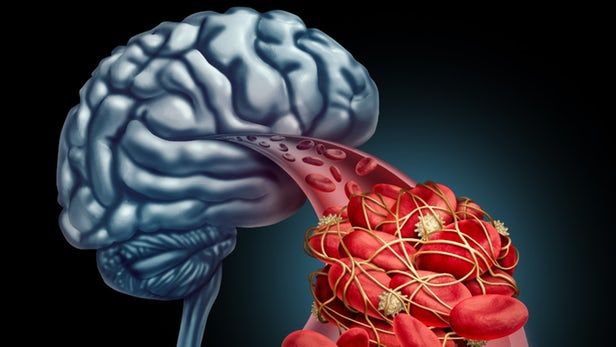
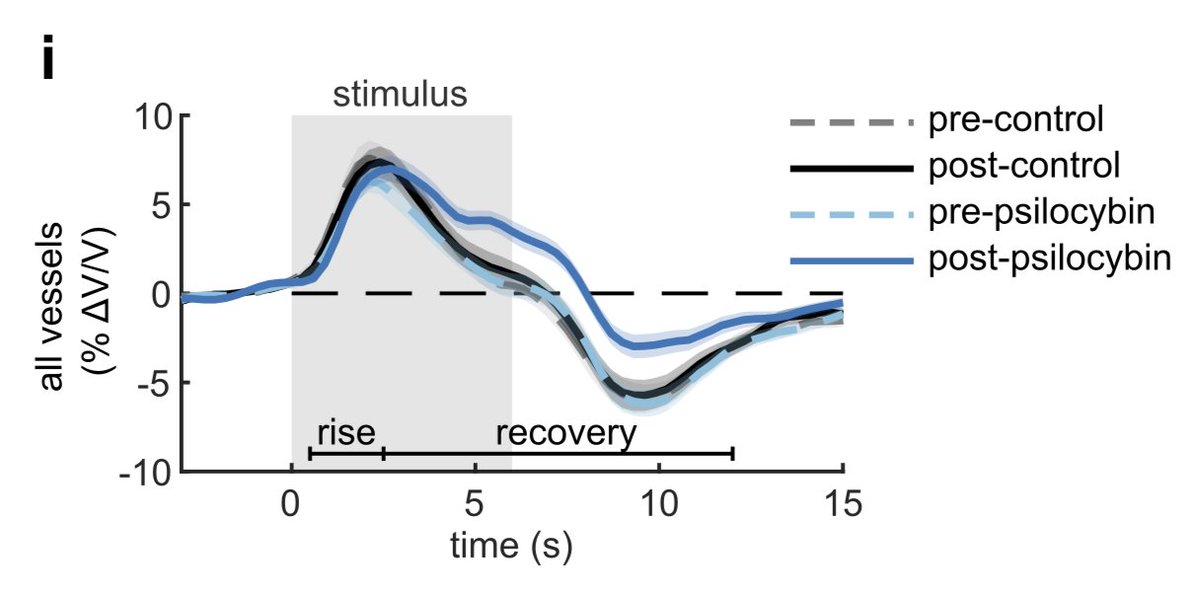
Excited to share our latest work is up on bioRxiv! Looking at capillary flow speed changes we show that psilocybin prolongs the neurovascular coupling response to a visual stimulus. 🍄🔬🧠🩸
Preprint:
https://t.co/hiScWAbSZ1
Federal funding for scientific research is under unprecedented threat. Sigma Xi encourages graduate, post-doctoral, and faculty-level researchers to join The McClintock Letters Initiative.
Sign up and write a letter to share what your research is about, why it matters, and why science is worth investing in. The goal of the collective, started by 20+ grad groups across the U.S., is to publish over 1,000 op-eds across the country the week of June 16th.
LEARN MORE: https://t.co/libwcgg50l
@R_H_Ebright Researchers who want to communicate the importance of their federally funded science should participate in the McClintock Letters initiative by a national science policy collective including the organizers of Stand Up for Science!! https://t.co/EfkHhf2Fqc
For those exploring animal VR setup check this out: With @misaacson, we present the first miniaturized VR headset, MouseGoggles, for mouse neuroscience and behavior (< $200 in parts💰, open-source, highly immersive)🧵1/2
#VR@researchsquare@SN_Lab 🧠🐭🥽
https://t.co/0NteFHmBzM
New preprint: Circumscribing laser cuts attenuate seizure propagation in a mouse model of focal epilepsy https://t.co/5woOP5Z2aY @chris_schaffer@nozomi62
Join @CornellEng prof @chris_schaffer and fmr U.S. Senate and House of Rep. Chief of Staff @BayerStrategic for our live event, "The Sounds of Science: How to Get Scientific Research and Evidence Heard by Policymakers" on 3/18 @ 1pm ET.
Register now! https://t.co/SFcCgDwsCG
Story of some of the moments of serendipity that led to our lab’s discoveries about the cause and consequence of brain blood flow disruptions in Alzheimer’s disease. https://t.co/Eqp5qPCc5v
Special thanks to @chris_schaffer, Nozomi and Pietro for sharing their amazing Alzheimer’s Research today for Work/Life. So proud to work at a University where such wonderful research happens! @Cornell
Stalled blood flow in cortical capillaries of #Alzheimer's disease model mice is largely due to stuck #neutrophils, and reducing their adhesion rapidly increased blood flow and improved memory performance https://t.co/DFw65Nz1TT
"Unclogging blood flow to the brain could open the floodgates for Alzheimer’s treatment." Rock star research coming out of @Cornell@CornellBME@CornellEng@SN_Lab. with @nwtls https://t.co/AaSNeUkJC8