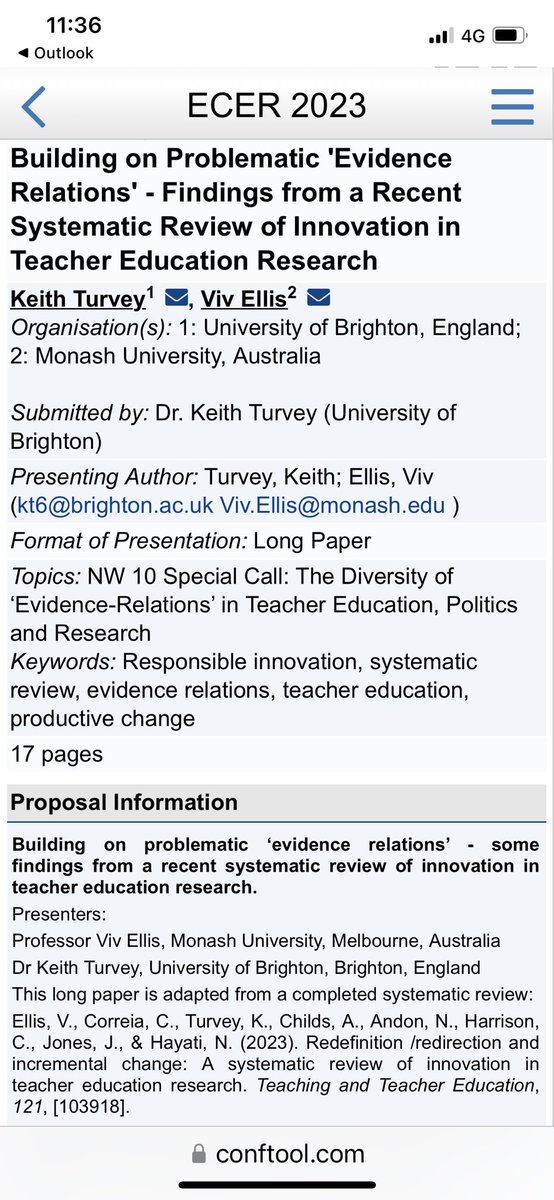
@viv_ellis and I will present at ECER the recent systematic review we did with colleagues Catarina Correia, Anne Childs, Nick Andon @chrisharriKings Jane Jones and Nur Hayati on innovation in teacher education research 1/2
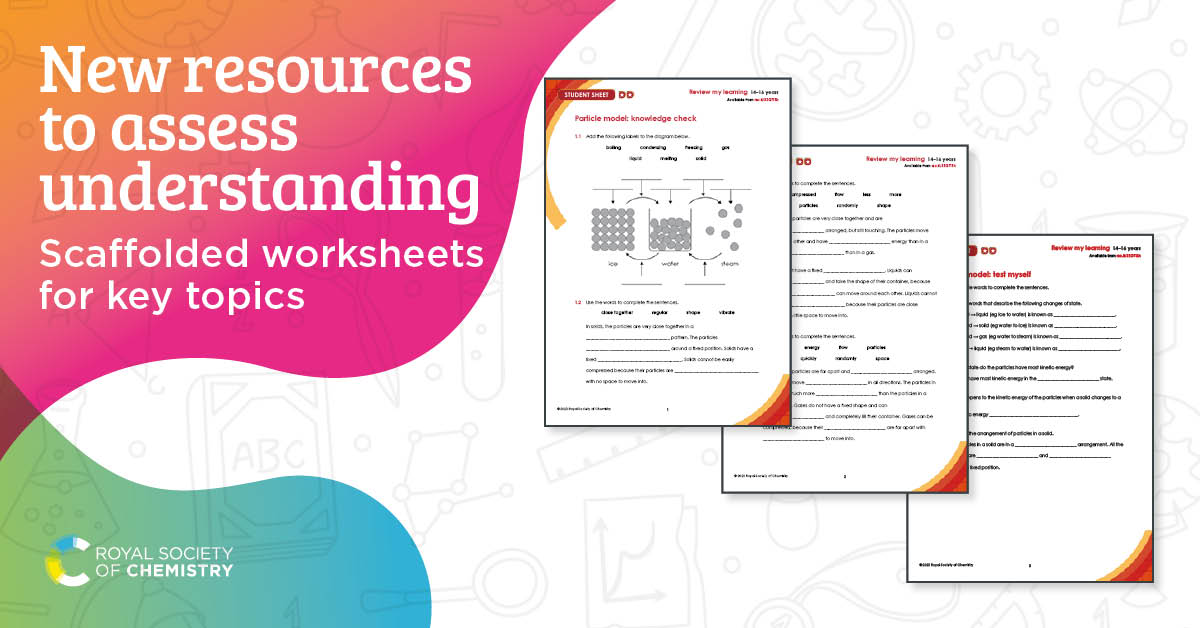
As a teacher it's vital to know what your learners understand. Our free Review my learning resource pack offers scaffolded worksheets to enable you to assess understanding in key topics. Set your 14¬—16 year old learners up for success. https://t.co/cwJP6KDgHf #Education
Explore the latest science at the Royal Society's #SummerScience Exhibition, from finding out how drumming could be good for your brain to exploring how to sense the next eruption of a quiet volcano. Find out more about the fascinating exhibits: https://t.co/0QCUihjgxS
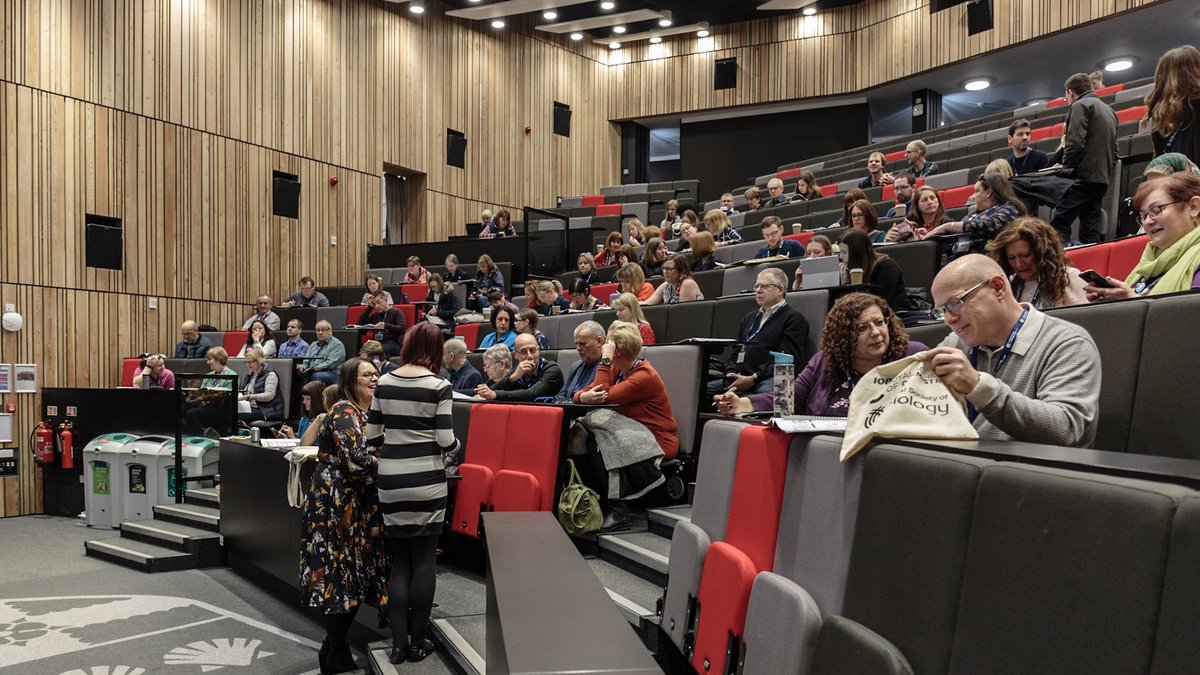
Thank you for taking part in #chatbiology this evening! Lots for us to consider and share with our lovely lab techs too!
While we have your attention... the Big Biology Educators Day is coming (a chance for us to get together IRL!) Tickets and info here:
https://t.co/SxZhwFxkwv
Calling all science teachers! 🔬 Want to enhance your practical science teaching? Apply for the Keeping Science Practical project to access a fantastic opportunity to boost student engagement and progression in science: https://t.co/6zmsmFGlOi #ASEChat#SciEd
@BeaulieuBio @cravenscience1 Cannot quite see which water plant you are using. With Chabomba & Elodea just positioning plant upside down with stem upwards helps bubble release as does speeding things up with a spatula pr two of bicarbonate. If students see some bubbles, it’s okay to move on to 2ry data
Discover... 📃🧐 a day in the life of our #PhD candidate @liamciniodwyer in the latest issue of The Biologist from @RoyalSocBio 🧑🔬
& learn about his research exploring issues of exclusion and participation of #LGBTQI+ youth in science education ⏩ https://t.co/ASd3Njqab4
#STEM
A review of 1,325 studies from 50 countries finds the relationship between personality and cognitive abilities are weak: https://t.co/cMpYnTuNWz ($). My take: these associations are so weak as to be irrelevant at the individual level: personality tells us nothing about ability.
The main Partnership Grant web page contains detailed information about the scheme, project plans and case studies, and guidance about the application process to secure funding. https://t.co/AhYDZKBh0l
It's the FINAL DAY to submit session proposals for #ASEConf2024! 📢Join us from January 4-6 2024, to share your ideas, advice or research with our community of fellow science educators - Submissions close at 23:45 TONIGHT: https://t.co/x8byNf39Uc #PriSci#SciEd
@theASE website is back online and conference proposal deadline extended til June 5th. So let’s see those great ideas for sessions @ASEConf2024 come rolling in.
@Keith_Turvey@Trivium21c@Phillipson70@CEDiR_Group@OracyCambridge Dialectic is good but dialogic better for education I think. Nikulin, D. (2010). Dialectic and dialogue. Stanford University Press, a great guide.
I wrote about the issue in BERJ once https://t.co/oNwGoDQOda
And shorter in this blog
https://t.co/5Dv2zaOPYu
Maybe we need both?
@Trivium21c@rupertwegerif@Phillipson70@CEDiR_Group@OracyCambridge Now you’re just turning things into an academic drinking game. But seriously I also like dialogic because it captures the double bind of thinking (logic) and dialogue (language modal and amodal). Unless one sees thinking as a modality in its own right.