@PhilipGrahamSm2@jamesbaker_8@BryceVMurphy@DuqueminZ To echo James and Phil, both Trackman and FlightScope were very helpful in daily training and specific case study projects. Both have very good technical support too.
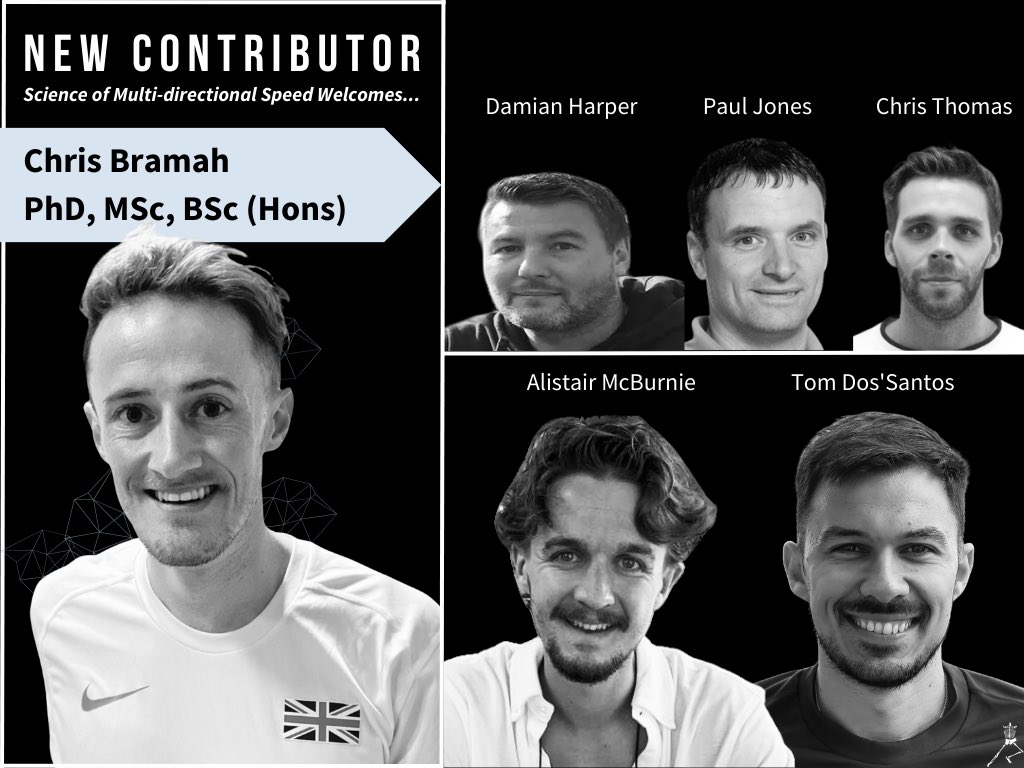
A warm welcome to our new contributor @chrisbramah 🤝
We are thrilled to be expanding our team of experts here at Science of Multi-directional Speed📚
Together, we will always strive to deliver cutting-edge insights in the high performance world🔎
🔗 https://t.co/ykm4f7irPq
Now on Sportsmith Premium...
Deceleration ability: Training, assessment & monitoring
@TomDosSantos91 & @AJMcBurnie96 of @sciofmultispeed
"Mastering deceleration techniques in sports is crucial for outmanoeuvring opponents and preventing injuries"
https://t.co/s7Ob328Cum
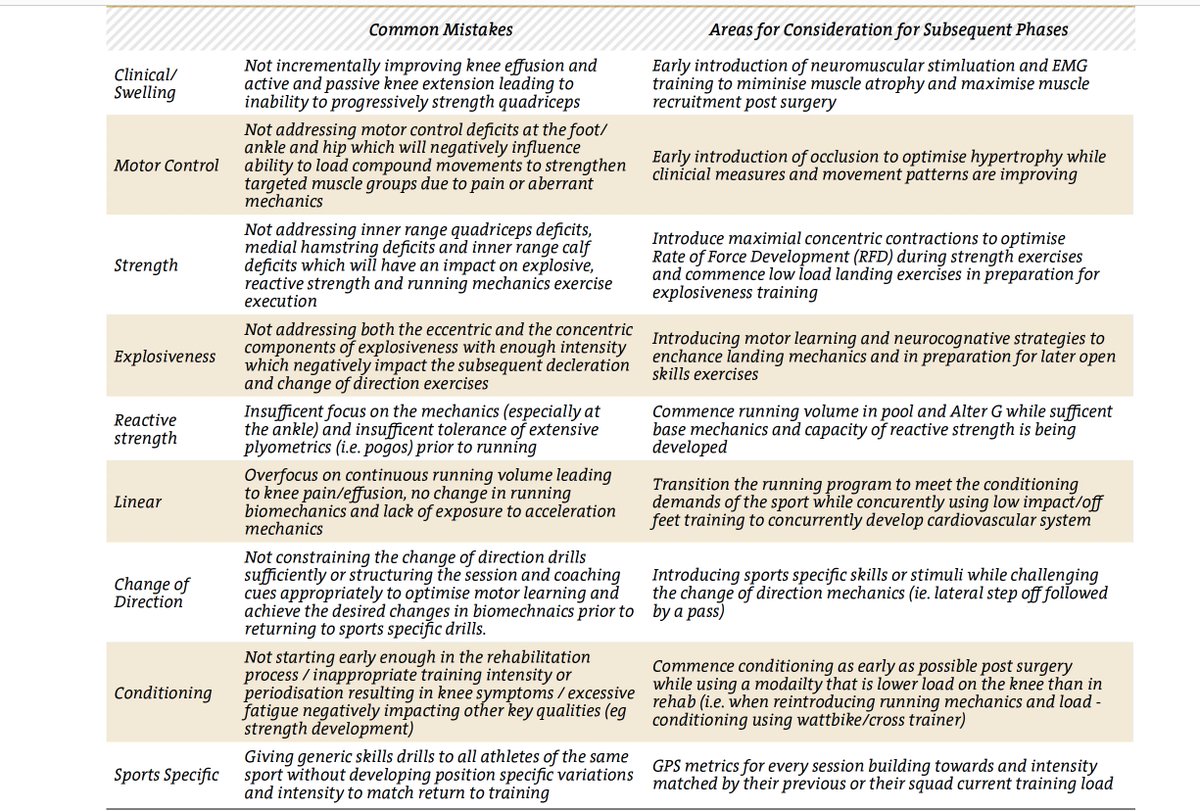
Rehabilitation After ACL Reconstruction ...
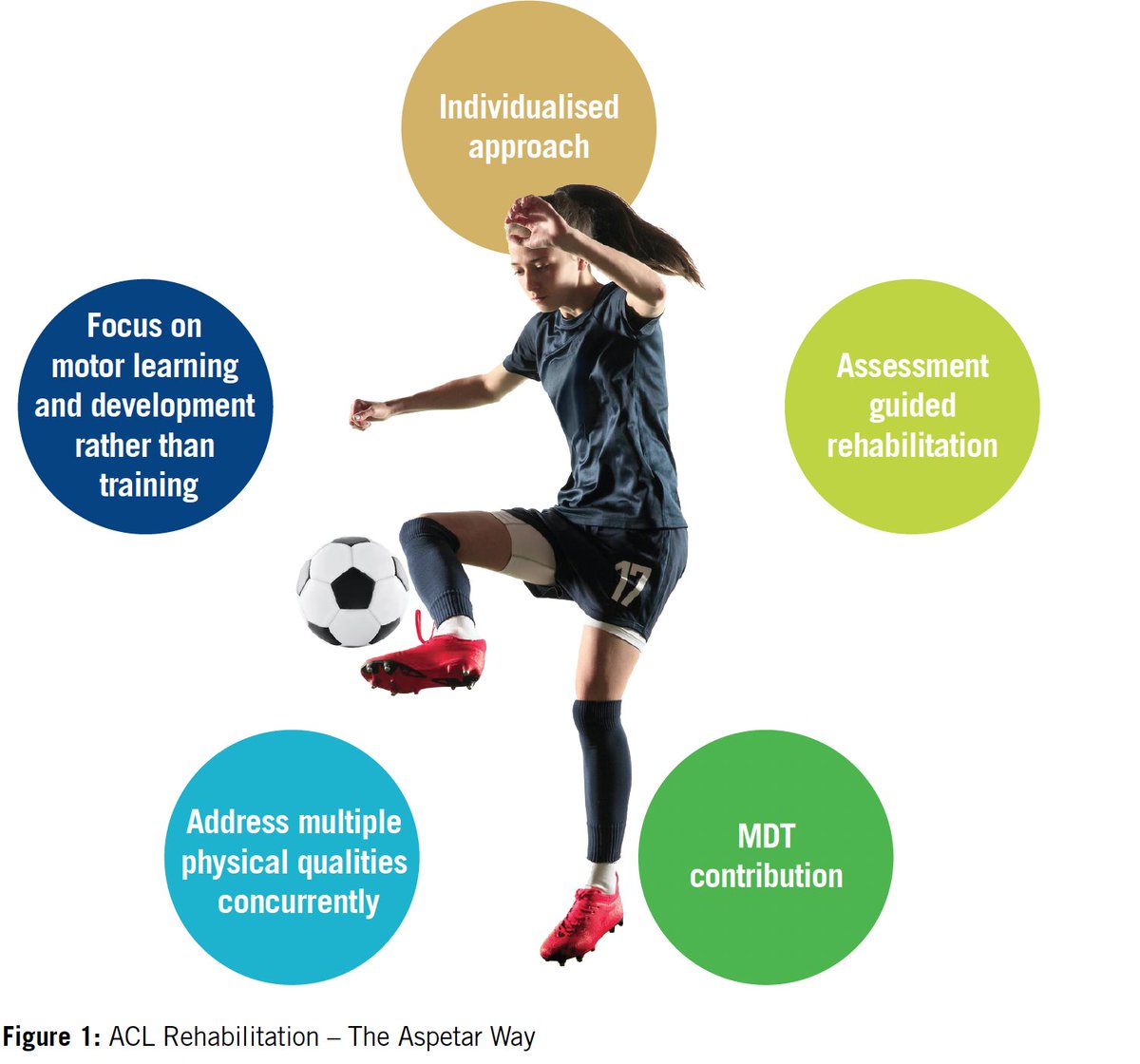
The Aspetar Way
In Aspetar, our Mission is to assist all athletes achieve their maximum performance and full potential. We aim to give each athlete the individualised support they need based on their injury, their goals and their lifestyle to optimise outcomes as efficiently as possible.
The Aspetar Way is our approach to ensure these aims are achieved with consistency and repeatability to the highest level throughout our team for every athlete:
Individualised Approach.
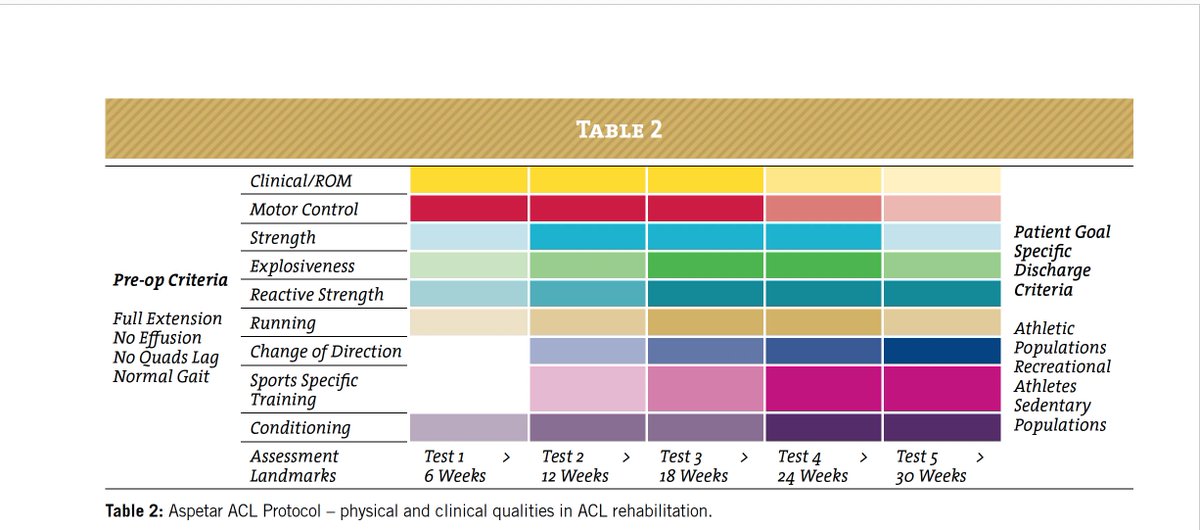
▶️ Assessment Guided Rehabilitation.
▶️ Multidisciplinary Team (MDT) Contribution.
▶️ Address multiple physical qualities concurrently.
▶️ Focus on motor learning and development rather than training.
Individualised Approach
Although ACL injury is unfortunately frequent in many sports involving landing, pivoting and contact, the journey after injury is a very unique experience for every athlete. While injury to the ACL is a consistent theme with all, there are a variety of ways each athlete may deviate from the time of injury:
▶️ Level of trauma to other structures in the knee
▶️ Disuse and deconditioning post injury and post surgery
▶️ Graft type used (patellar, hamstring, quadriceps)
▶️ Post operative precautions
▶️ Athlete motivation and goals
▶️ Demands of sports they are returning to
▶️ Previous training history
▶️ Response to training stimulus
▶️ Social Support (Work/Family/Financial Commitments and Constraints).
Our approach is also individualised to that athlete’s injury history to ensure we use the time afforded by ACL rehabilitation to target all deficits relating to previous injury not only those related to the current knee injury. Our approach is to modify our exercise selection, programming, periodisation and support to fit these individual differences while helping all to achieve their common goal as effectively and efficiently as possible.
Assessment Guided Rehabilitation
Before starting on any journey it is essential to have clarity about what the end of the process should look like and the steps required to get there. While many rehabilitation processes know where to begin the journey, and commence with clear direction, they often lose their way or fail to complete the journey, ultimately compromising the athlete’s outcomes.
The end of the rehabilitation journey for most athletes, the clinicians, and various stakeholders that are supporting them is:
▶️ To return to their pre-injury sport
▶️ To do so with the absence of symptoms (pain or instability) in the knee
▶️ To minimise the risk of subsequent injury to either knee
▶️ To return to their preinjury levels of performance (or higher)
Focus on Quality vs Quantity – its not what you do but the way that you do it!
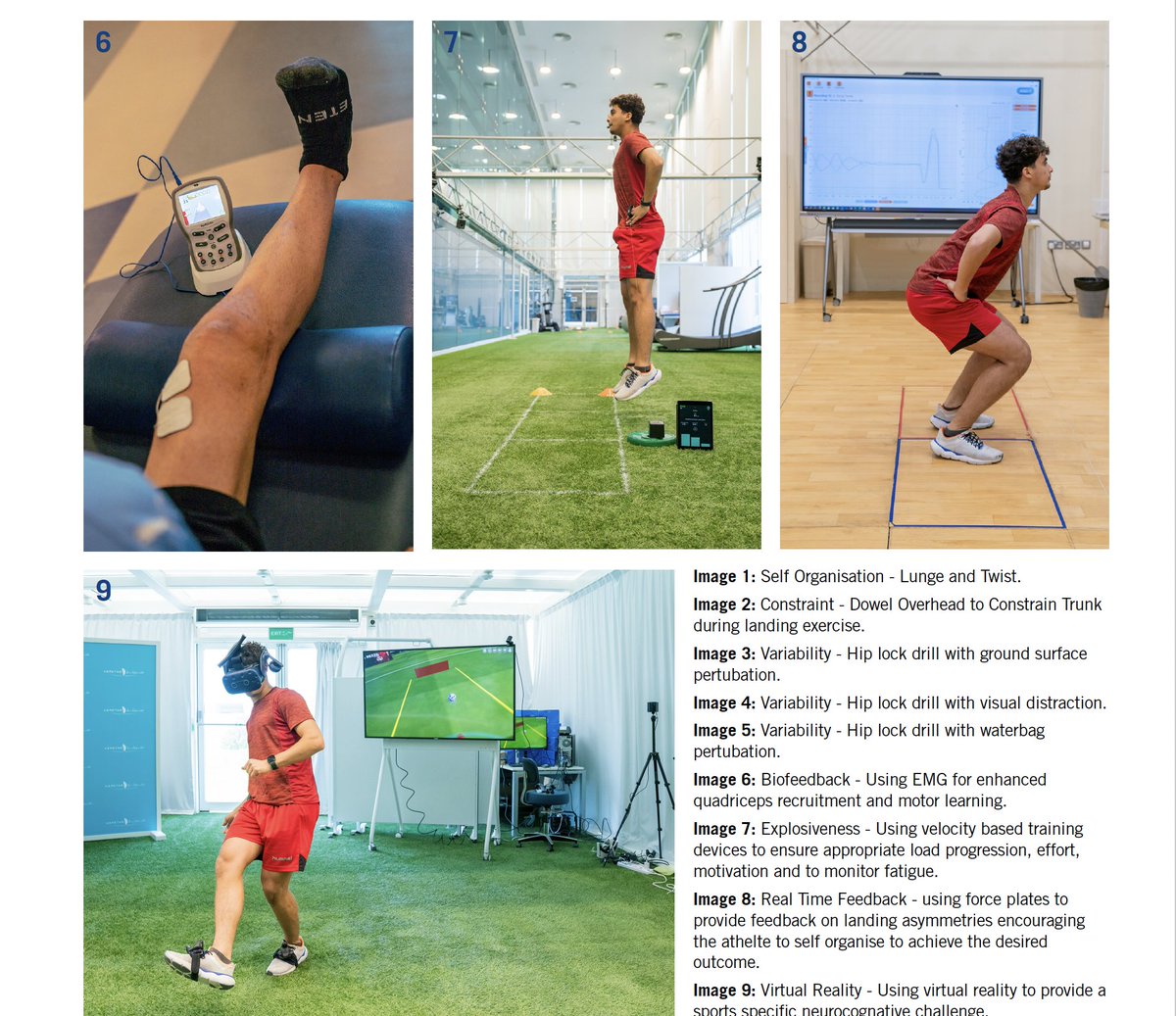
There is regular feedback on the quality of execution of each exercise in the program as much as the number of sets and repetitions. This helps the athlete avoid:
1⃣ - Rushing through the exercises to complete the prescribed dosage but without the quality to achieve the technical changes and motor patterns
2⃣- Not recognising the exercise is no longer technically challenging (i.e. landing exercise) or is not intense enough (leg press for a 10RM but athlete could do 4-5 more repetitions at the prescribed weight) this not achieving the desired adaptation
3⃣- Not listening to their body during the exercise execution for example either aggravating their anterior knee during a quadriceps strengthening exercise or feeling the load/strain in their lumbar spine instead of their hamstrings during a deadlift or bridge exercise for example..
SUMMARY
During ACL rehabilitation, our processes should match the goals of each individual athlete, provide clarity on the key physical outcomes we want to achieve, and track their progress throughout. Physiotherapists are required to utilise their entire rehabilitation skillset to develop all the relevant qualities concurrently giving us the best chance of supporting each athlete to achieve their maximum performance and full potential after injury while being supporting each member of the MDT in completing their roles and responsibilities. Furthermore, systems can be reviewed and refined on an annual basis to further enhance our standard of care as our clinical practice, technology and research evolve over time.
✍️– Written by @enda_king
🔗Read Full Paper 👉 https://t.co/oZ6iXg1h5w
Changing technique cannot be achieved in a single session.
Physiological changes need to be made over time.
If we want to change an athletes technical strategy we need to make sure they have the physical capacities to help achieve this.
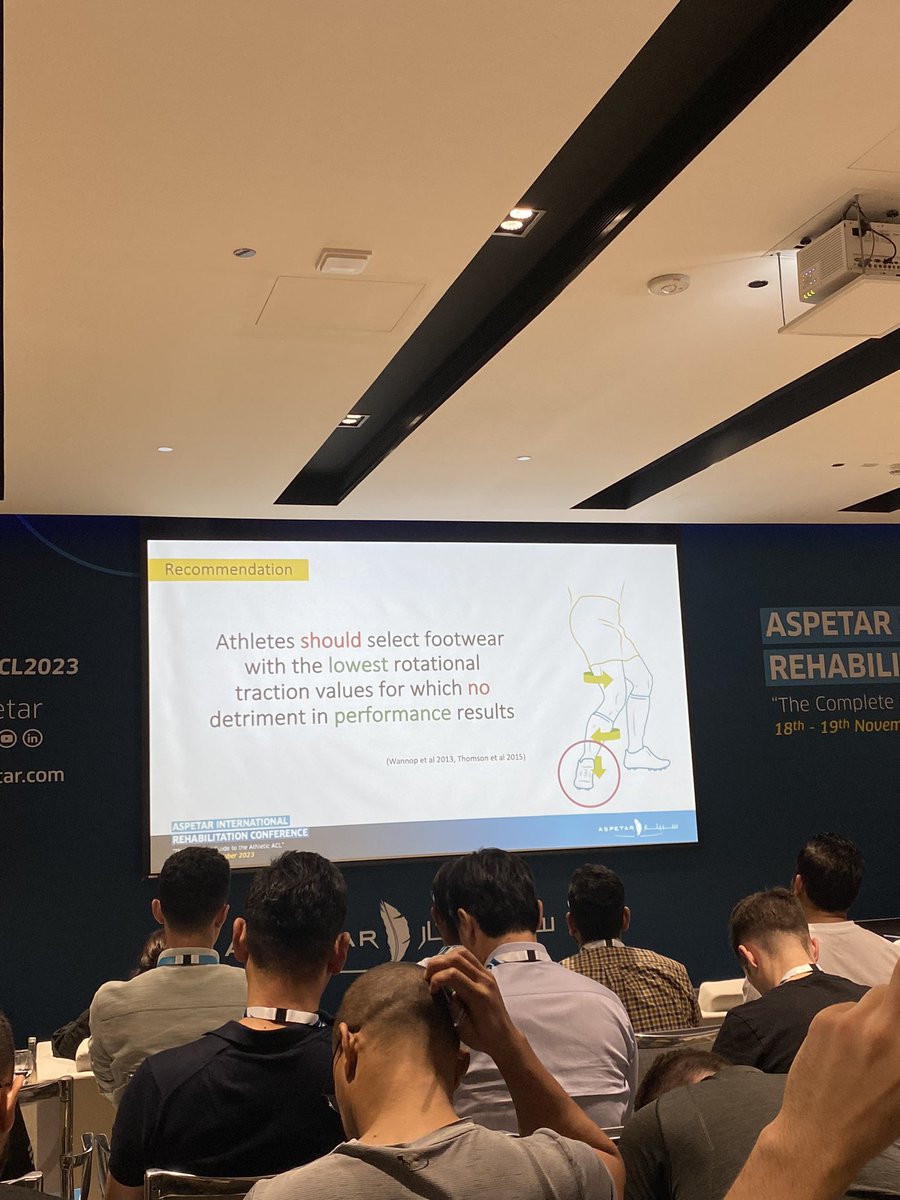
@wildy_jj@Aspetar#AspetarACL2023
Vertical impulse largely determines the step rate / step length across all phases of a sprint.
Pandy et al. 2021
Plantar flexors largely contribute to vertical impulse during sprinting.
Knee extensors largely contribute to braking impulse.
@wildy_jj@Aspetar#AspetarACL2023