@EddieComeaux The original intention of amateurism is great; however, it does come with many unintended consequences. Student-althetes might not be able to gain direct profit from their image likeness, but they should receive compensations maybe through scholarships. #athleteinclusion
@smolbitties @Songling_GSOE I agree, student-athletes are being deprived of their agency to choose their own major and classes bc schools choose to prioritize making revenue over students' academic career.
AA student-athletes are often valued only for their athletic ability. Schools neglect the fact that they are students who are trying to pursue higher education. In the long run, it would only exacerbate the gap between ethnic groups in higher education. @Songling_GSOE #ucr150
@TylerYee8 @Songling_GSOE I agree with you, steering them into less demanding or easier major defeats the purpose of getting into higher education. Football and men's bball (majority African American male students) are disproportionately affected by this.
The NCAA placed heavy emphasis on the term 'student-athletes', but they are force to comply to their coaches request to dedciate long hours of practice and sometimes even missing classes. @Songling_GSOE #UCR150
@OhHaiMegannn @Songling_GSOE I agree with you! I think institutions can provide the option of a period of residency for the athletes if they want to, but I do not think it should be mandatory.
I think it is unfair that students participating in high-profile sports must complete the full year of residency. Since there are no evidence that prove students need time for adjustment, I think the residency should be up to each student's preference. @Songling_GSOE #UCR150
@PetittKate @Songling_GSOE I agree with you! Coaches spend alot of time with the athletes in both training and competitions. They should be properly trained so they can response with adequate medical knowledge as quickly as possible.
It blows my mind that 50-80% of mTBIs are not reported bc athletes are in fear that they might lose the positions. College athletes are risking their health to play for the schools but they are still not being compensated fairly. @Songling_GSOE #ucr150
@Alejand77947089 @Songling_GSOE I think institutions are blaming it on Title IX because it's easier to find a scapegoat. If schools really want to provide equal opportunities and treatments for female athletes, they should reevaluate their financial plans instead of just canceling lower-profit sports.
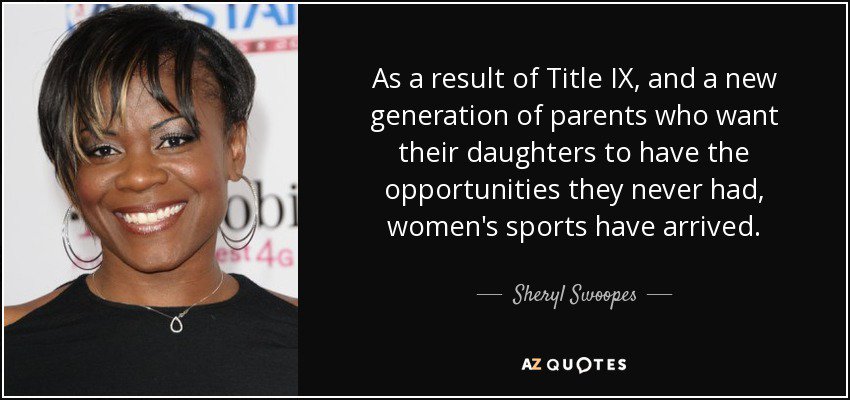
Title IX gives many female athletes an opportunity to pursue intercollegiate sports. However, just because there is an increase in female intercollegiate athletes, it does not mean they are receiving equal opportunities and treatments as male athletes. @Songling_GSOE #ucr150
@Jaycee_Dallas@saragrummert I totally agree with you! The contract offers one sided protection. Athletes can't negotiate on the terms leaving them the options of either agree or reject. The NCAA and CCA are protecting themselves through their own structures.
One-year contract gives coaches total control over the athletes which is unfair. The article below stated that schools can give out 4-year scholarship, but many don't. The interviewed students have limited knowledge about their own contracts.
#ucr150 @Songling_GSOE
@VictoriaMMills1 @Songling_GSOE @saragrummert I think they should receive guaranteed health care. While playing sports, it is inevitably that athletes might get injured. It would be unreasonable for colleges to ask student athletes to risk their health while not providing adequate healthcare.
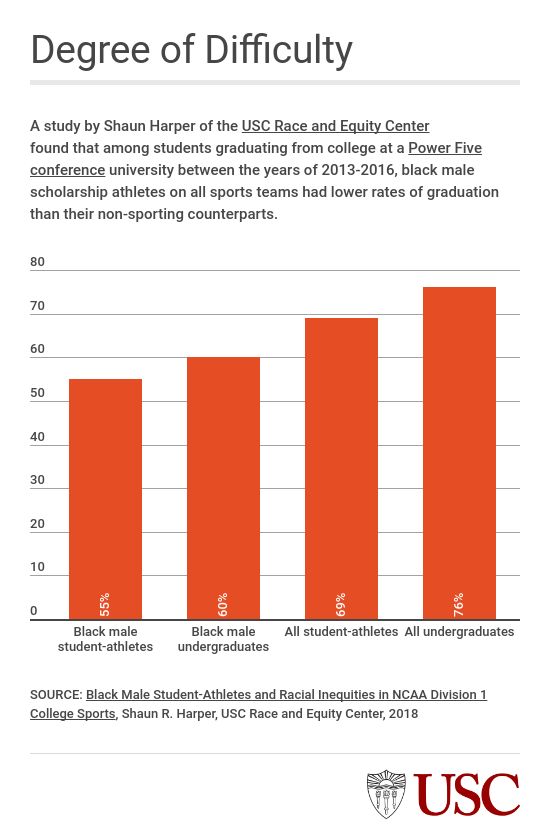
When Black male athletes have a significantly lower graduation rate compared to their counterparts, should colleges provide additional academic support for them? @Songling_GSOE #ucr150
@HeungyingW @Songling_GSOE I agree with you! If college student athletes help bring benefits and sponsorships to the school, they should be considered as employees as well. It is unreasonable for athletes to dedicate large amount of their time and do not get anything in return.
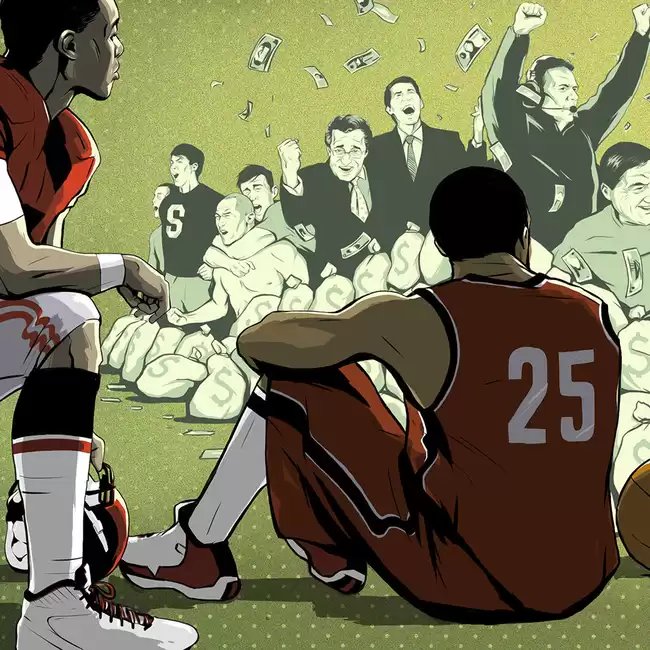
This picture demonstrated that coaches make a disproportionately high income compared to the students who are playing the sport. Even though there is a separation between professionalism and armaturity, college student athletes should get compensations. #ucr150 @Songling_GSOE