I built a honeypot, then attacked it myself - here's what I learned.
For my latest security lab, I wanted to answer a simple question: if an attacker came knocking, would I actually see it?
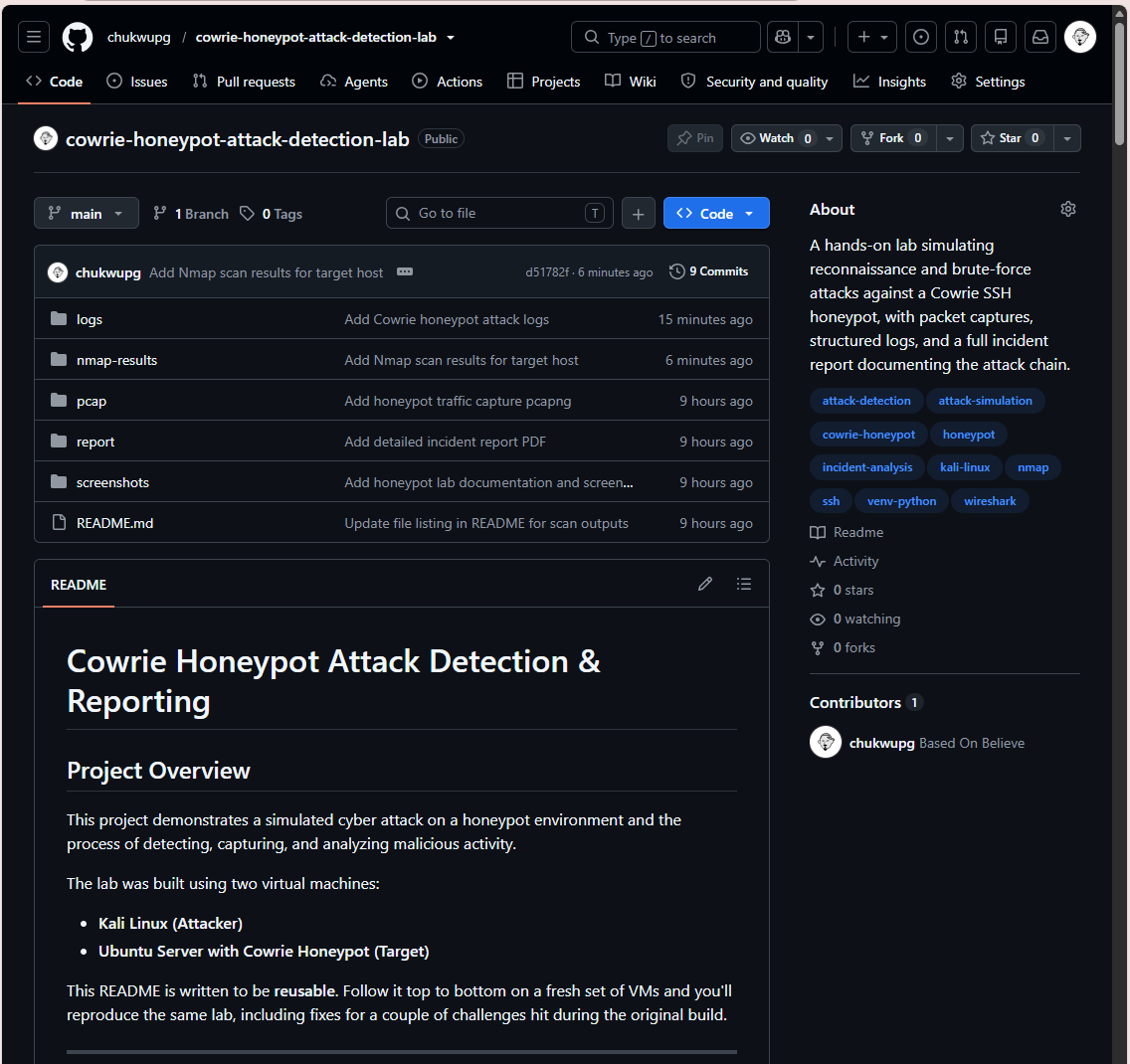
I set up a Cowrie SSH honeypot on an isolated virtual network, then switched hats and became the attacker; using a Kali Linux VM to run Nmap reconnaissance (service detection, OS fingerprinting, script scanning), attempt manual SSH logins, and launch an automated brute-force attack with Hydra. The entire exchange was captured live with Wireshark.
The honeypot did exactly what it was designed to do: it quietly logged the attacker's IP, every username/password combination tried, commands typed once "inside," and even full terminal session recordings. One notable detail, the structured logs showed three separate login attempts succeeding within the same second, a clear signature of automated tooling that no human could replicate manually. As a useful contrast, the real OpenSSH service running alongside the honeypot correctly rejected the same root login attempt, a small reminder of what proper hardening looks like right next to an intentionally permissive decoy.
This project was as much about documentation discipline as the technical build. I wrote up the full attack timeline, indicators of compromise, and defense recommendations in a formal incident report, and documented every step; including the mistakes I hit along the way, as a reusable, step-by-step guide so the entire lab can be rebuilt from scratch.
Deliverables: honeypot verification, complete Nmap scan output, a full packet capture, a one-page incident report, and a fully documented GitHub repo.
Honeypots are a low-risk way to study real attacker behavior and validate that detection actually works before it matters in production. Would love to hear how others are using them in their own labs.
🔗 Full project + build guide: https://t.co/sWzxjYTRC7
#CyberSecurity #InfoSec #BlueTeam #HomeLab #NetworkSecurity #Honeypot
I just completed Crack the hash room on TryHackMe! TryHackMe is offering 40% off on all their subscriptions. There can be no better time for learning cyber security. https://t.co/oip3Xiyrel #tryhackme via @tryhackme
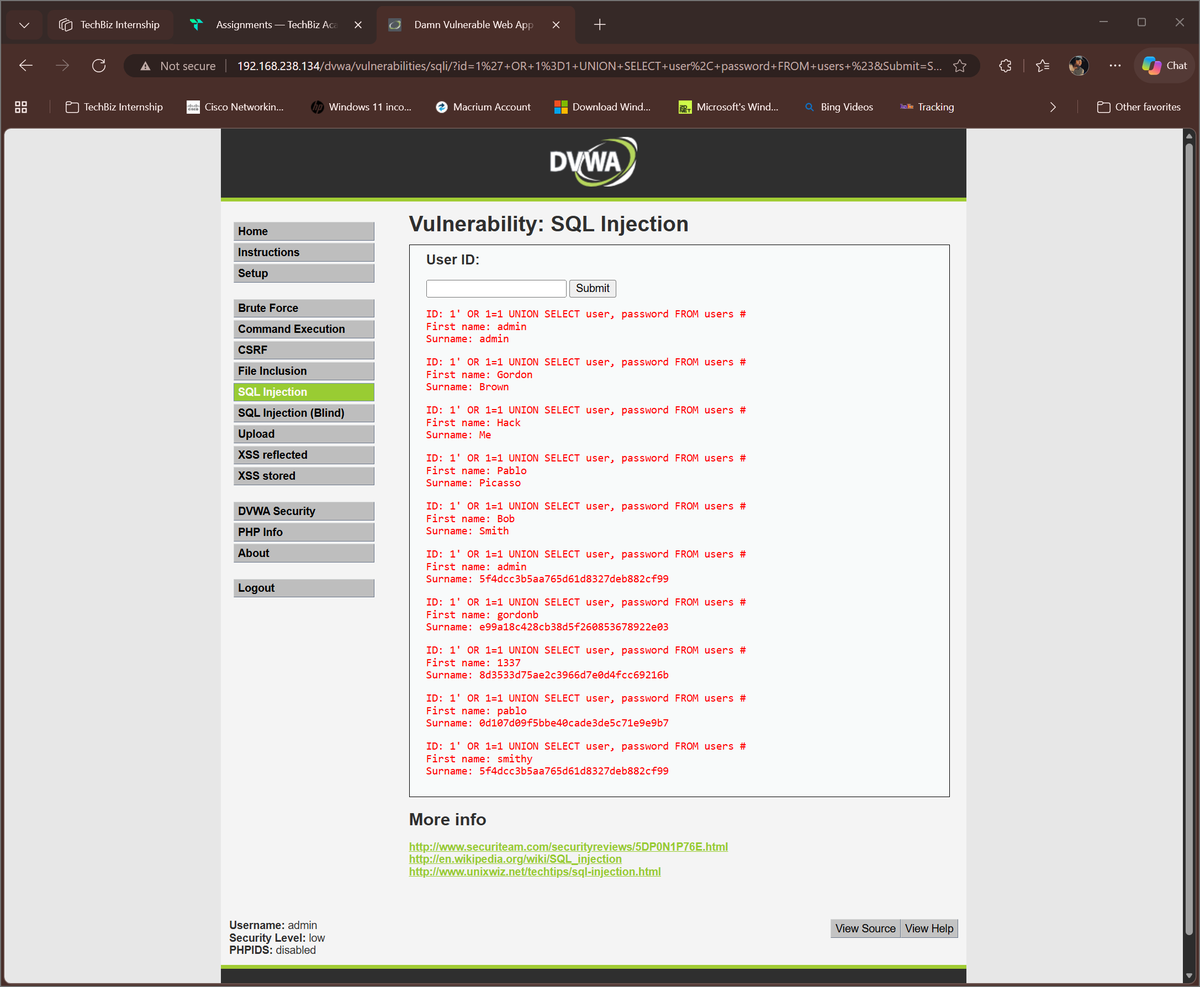
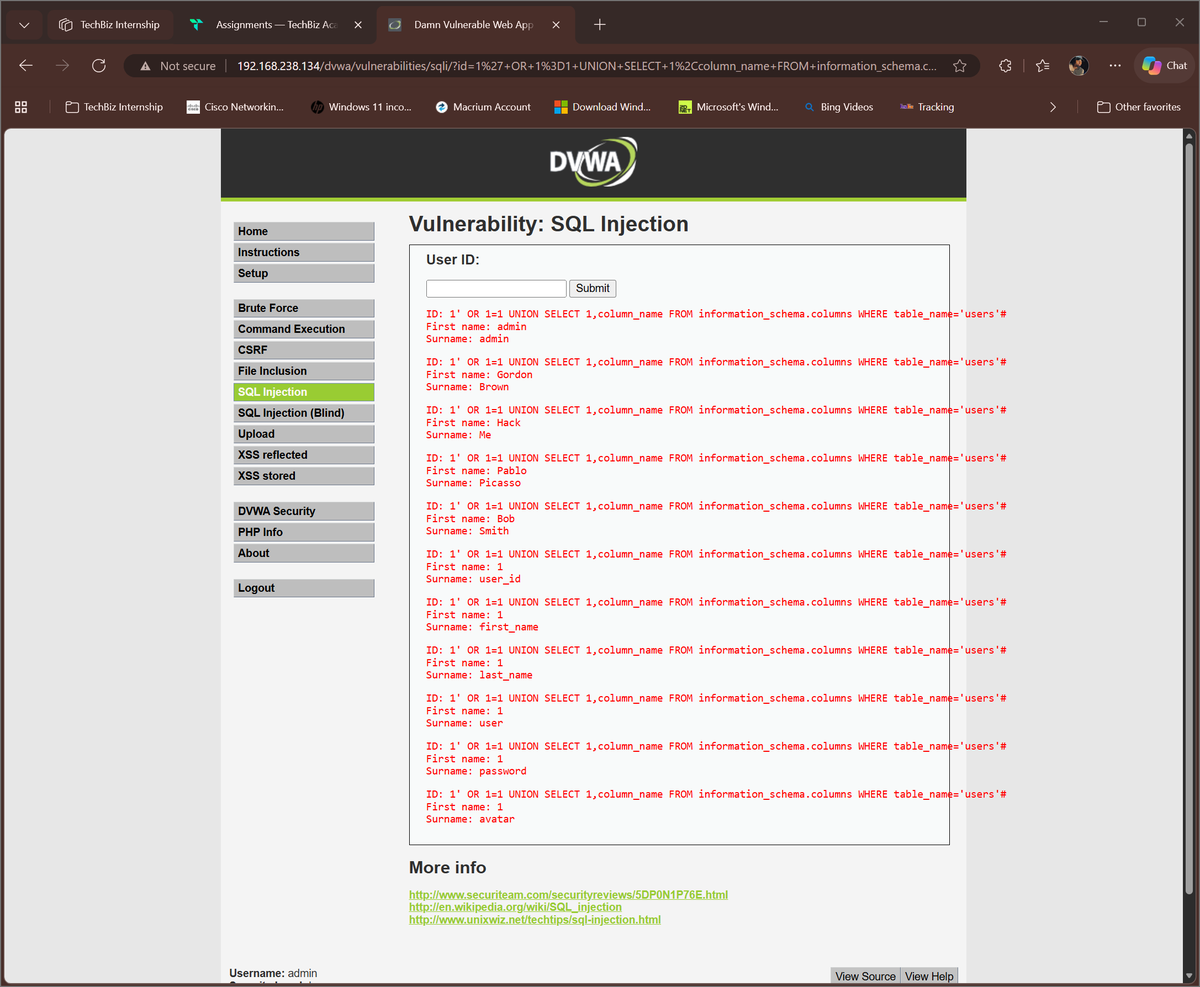
Week 5 Task 13 of my TechBiz CEH Internship: SQL Injection, hands on with DVWA.
The task was to understand SQL Injection and exploit it in a controlled lab, using DVWA at Low security. I worked through:
1. A basic payload, ' OR '1'='1, to confirm the input field was vulnerable.
2. A UNION based payload to pull the database name from DATABASE().
3. Queries against information_schema to enumerate table and column names.
4. A final UNION query that extracted usernames and password hashes straight from the users table.
One big lesson: once a UNION injection point is confirmed, information_schema turns into a map of the entire database, you do not need any prior knowledge of the schema to find what you are looking for.
I also completed the TryHackMe SQL Injection and SQL Injection Lab rooms, and wrote up the full payload list, steps and remediation (parameterized queries, least privilege database accounts, input validation) in today's report.
Screenshots attached. Grateful to the TechBiz Security team for structuring these labs so practically.
#CyberSecurity #EthicalHacking #SQLInjection #TechBizSecurity #CEHInternship #NYSC
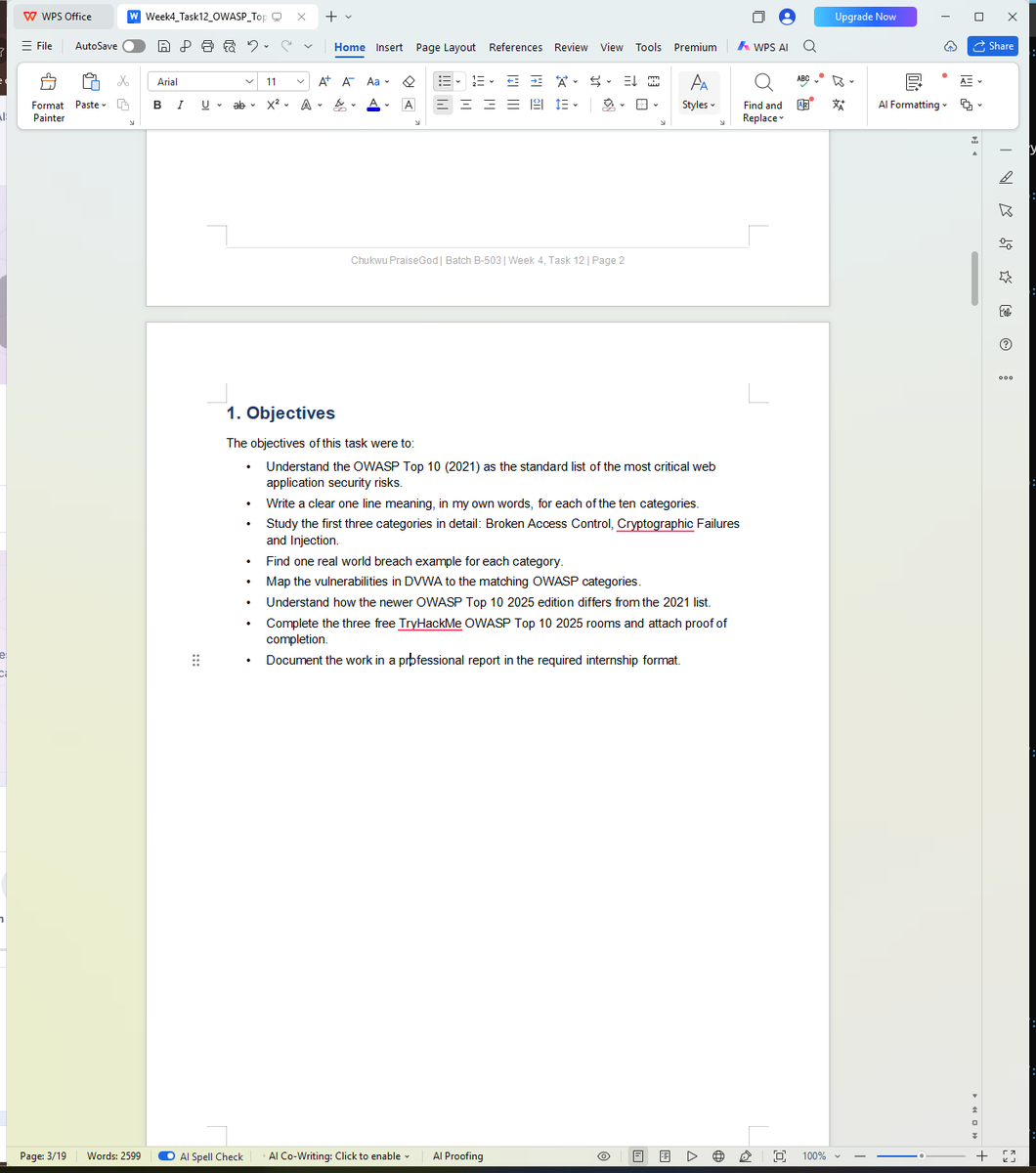
Week 4, Task 12 of the Tech Biz Security-CEH Internship: OWASP Top 10, Web Vulnerabilities Overview.
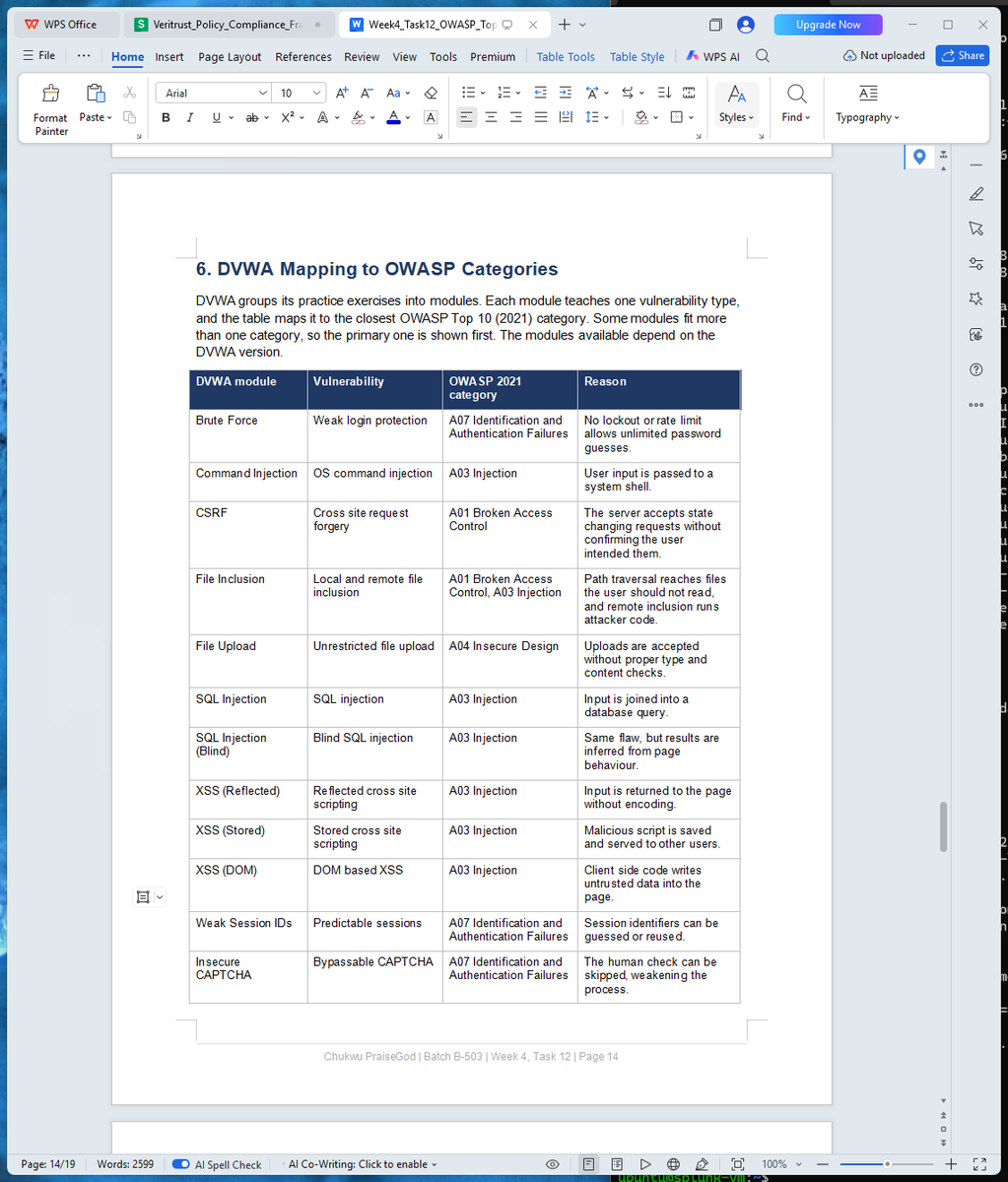
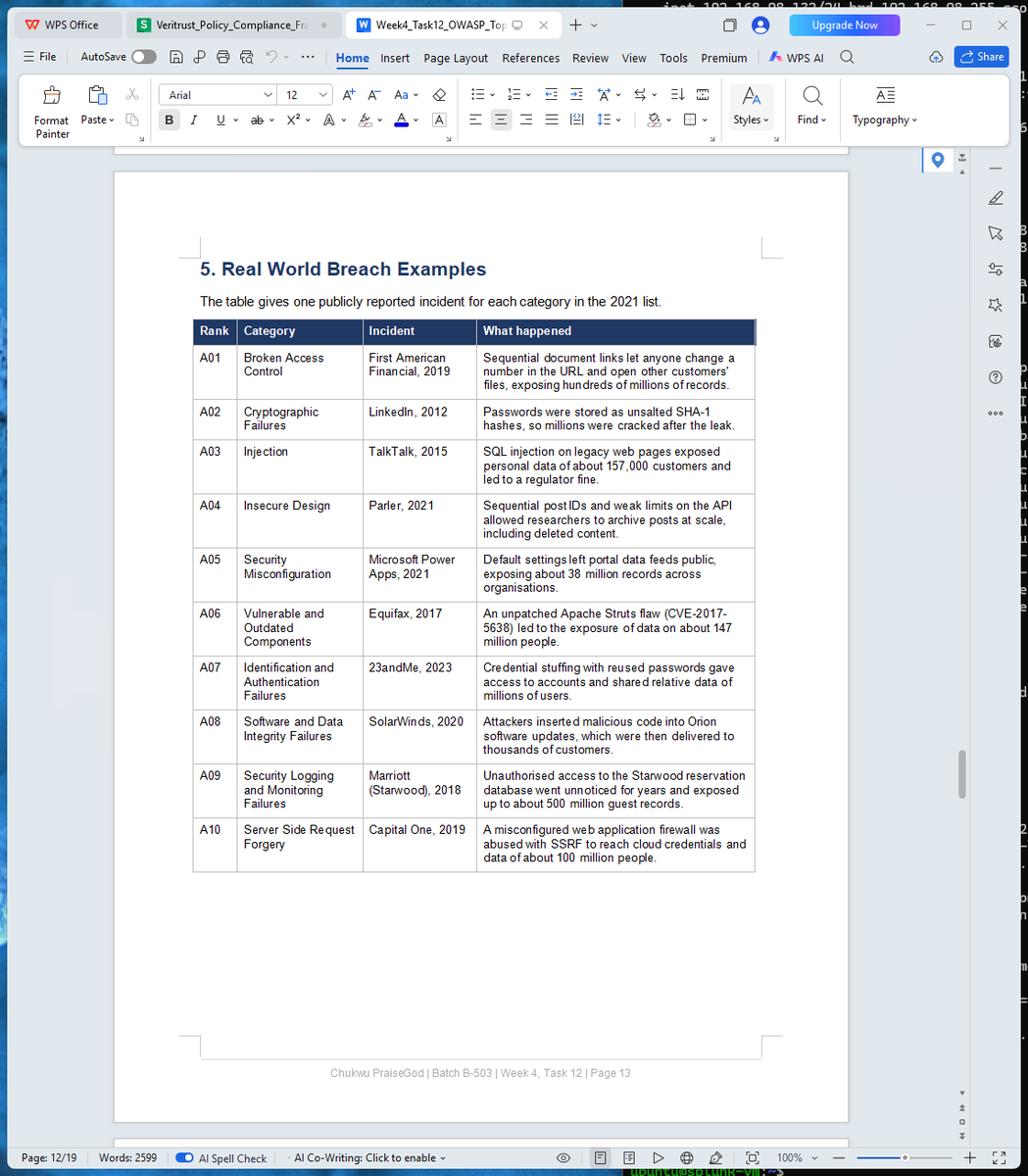
I summarized all ten OWASP Top 10 (2021) categories in my own words, studied Broken Access Control, Cryptographic Failures and Injection in depth, and matched each category with a real breach, from First American Financial to Capital One. I also mapped the DVWA modules to the categories they belong to in the OWASP Top 10 and compared the 2021 list with the new 2025 edition, which adds supply chain and exception handling risks.
The main Lesson I picked from this task is that most serious breaches come from a few repeating weaknesses, like missing server-side checks, poorly protected data and untrusted input.
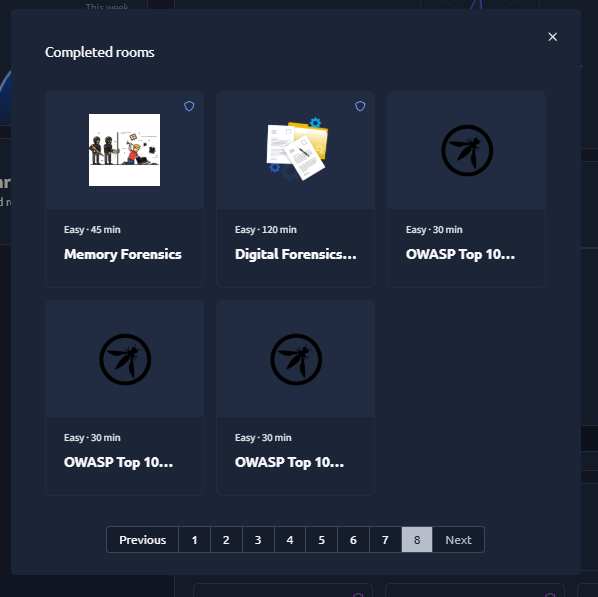
I also completed the three TryHackMe OWASP Top 10 2025 rooms.
Thank you to Tech Biz Security for the practical task.
#CyberSecurity #OWASP #WebSecurity #EthicalHacking #DVWA #TechBiz
Day 98 - Build Log
Yesterday - TryHackMe: Blue Room
Completed the Blue room, using Metasploit (msfconsole) and the EternalBlue (MS17-010) exploit to compromise a vulnerable Windows machine and gain SYSTEM-level access.
CyBlack Internship - Ethical Hacking Sprint
Yesterday, I also attended the Ethical Hacking task call.
Today, my team held a planning meeting to discuss the new sprint objectives: conducting an authorised VAPT on an assigned target.
We reviewed the OWASP Top 10 and mapped out the reconnaissance and active testing tools we intend to use for the engagement.
#Cybersecurity #TryHackMe #EternalBlue #Metasploit #VAPT #PenetrationTesting #OWASPTop10 #CyBlack #BuildInPublic #LearningInPublic
Day 97 - Build Log
A productive day of teamwork, security validation, and hands-on blue team practice.
CyBlack Internship Sprint 4: GRC Board Review
Yesterday, my team presented the work we completed during our GRC sprint to the board.
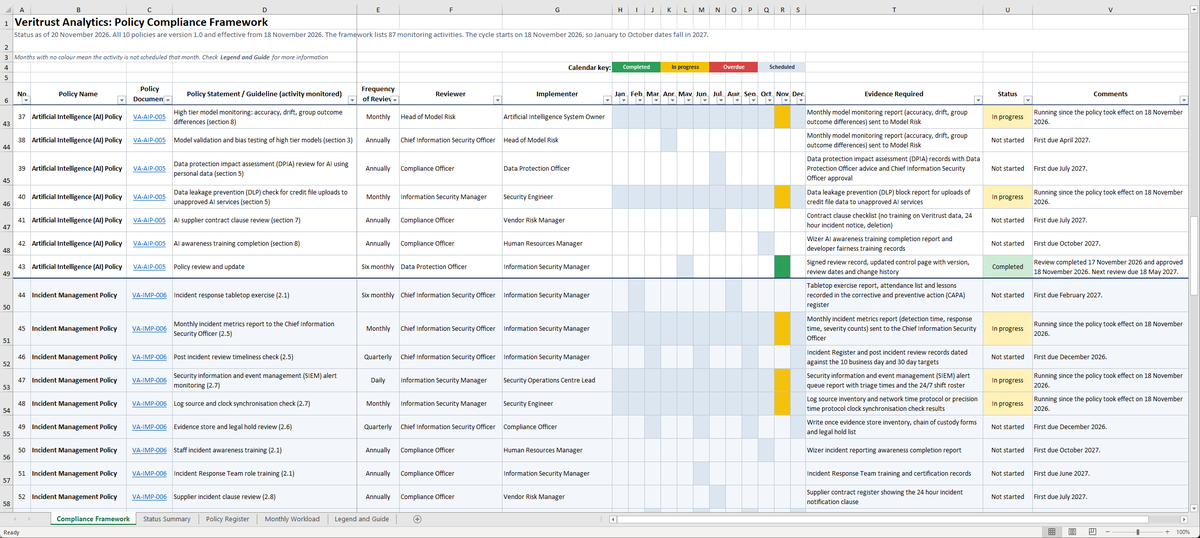
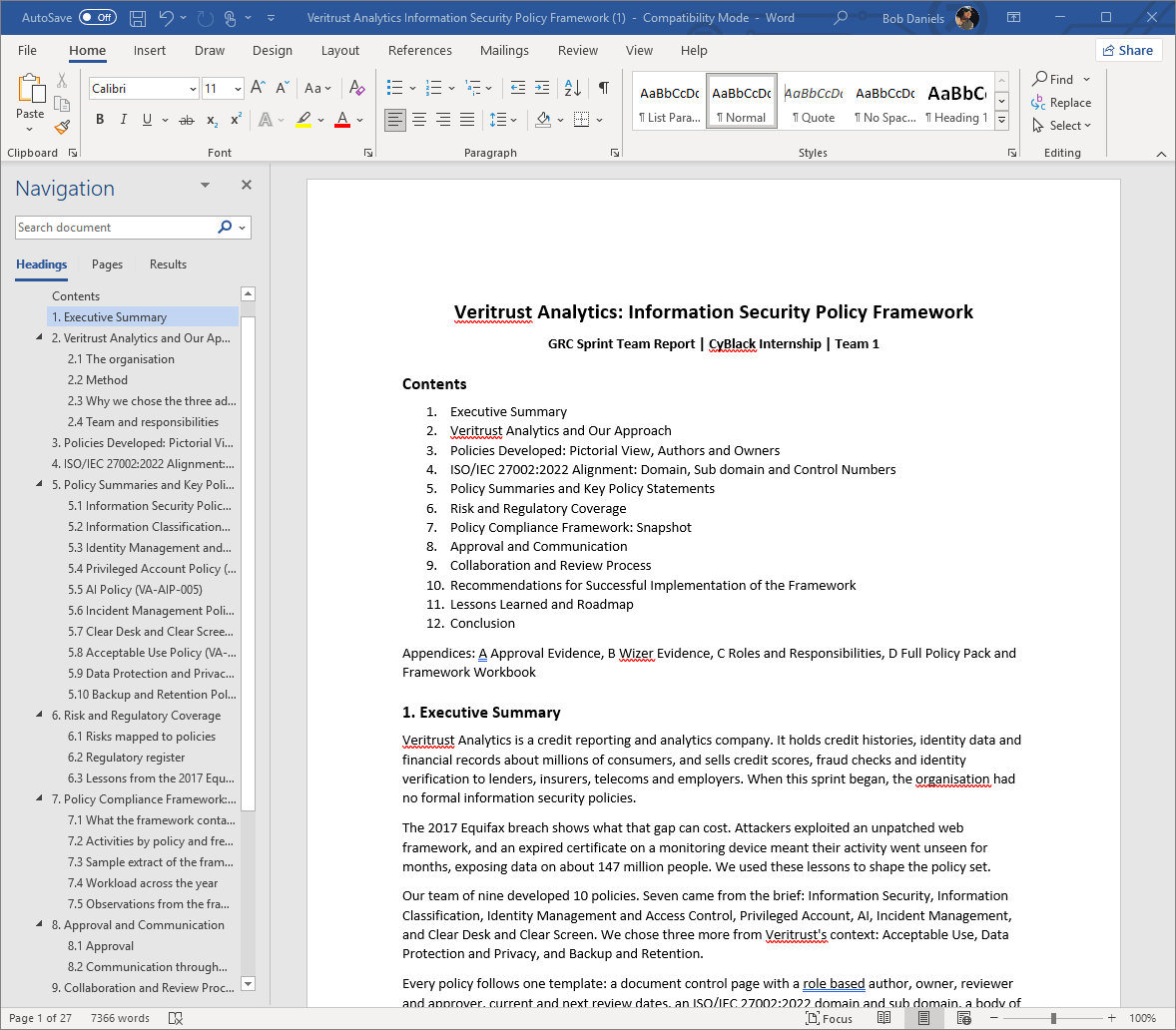
We walked them through our organisational security policy development process, compliance framework, review and approval workflow, and policy communication and acknowledgement exercise.
I'm particularly proud of my teammates for the quality of work delivered and the exceptional presentation. It was rewarding to see our collective effort come together.
DG Interns Hub Week 5: Defensive Security Lab
I started working on my Week 5 defensive lab project, focusing on validating security controls and observing endpoint telemetry.
My activities included executing these Atomic Red Team tests:
T1059.001-17 - PowerShell Command Execution
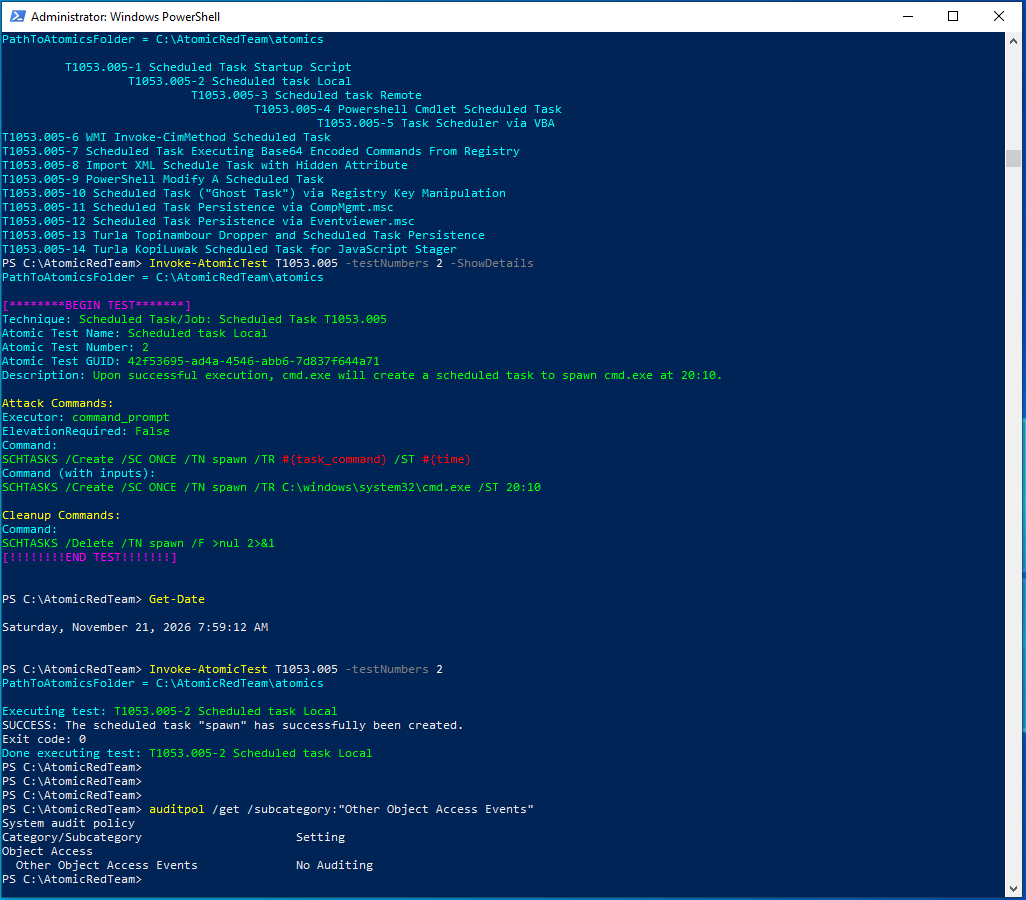
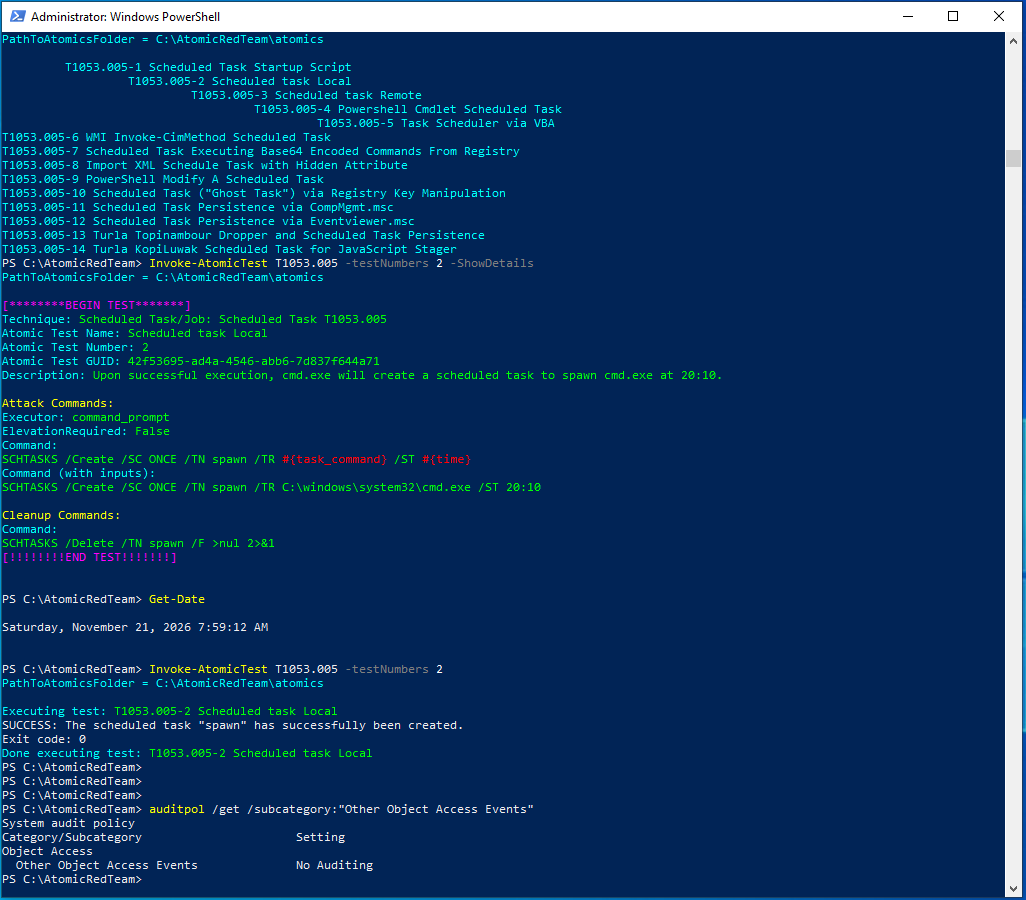
T1053.005-3 - Scheduled Task: Local
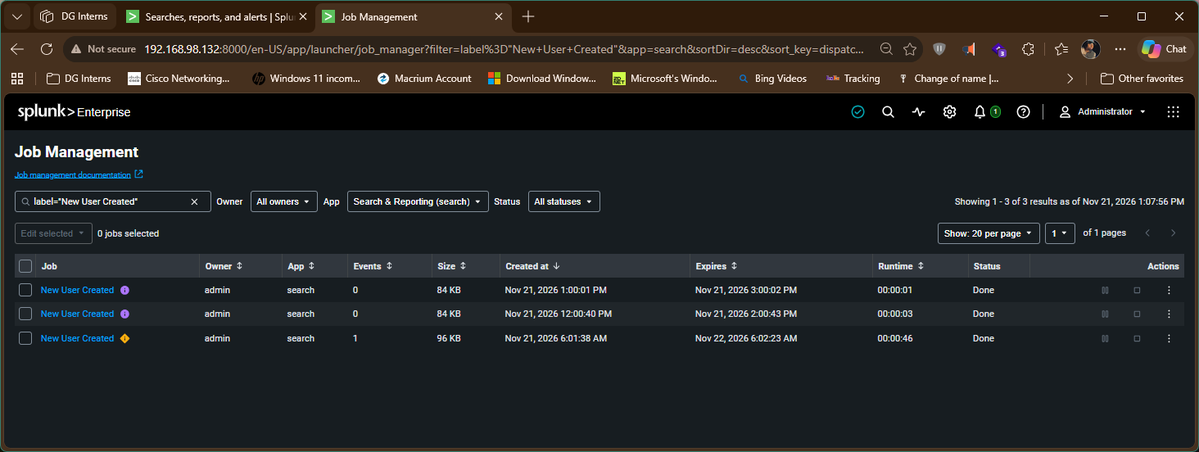
T1136.001-4 - Create Local Account
I also introduced the EICAR test file into my Windows VM to validate antivirus detection and tracked the resulting activity through Windows Defender, Sysmon, and triggered Splunk alert.
This gave me an opportunity to observe how simulated adversary behaviours and antivirus test events are recorded across different security telemetry sources.
Lesson: Defensive security goes beyond deploying monitoring tools, to generating controlled test activity, collecting relevant telemetry, correlating events, and understanding what the evidence reveals.
From presenting governance processes to validating endpoint security controls, another step forward in my cybersecurity journey.
#Cybersecurity #BlueTeam #DefensiveSecurity #AtomicRedTeam #MITREATTACK #Sysmon #WindowsDefender #Splunk #GRC #CyBlack #DGInternsHub #BuildInPublic #LearningInPublic
How to spot a phishing email using headers (5 checks)
Most people judge an email by how it looks. Analysts judge it by what the headers say. Here is what I check first:
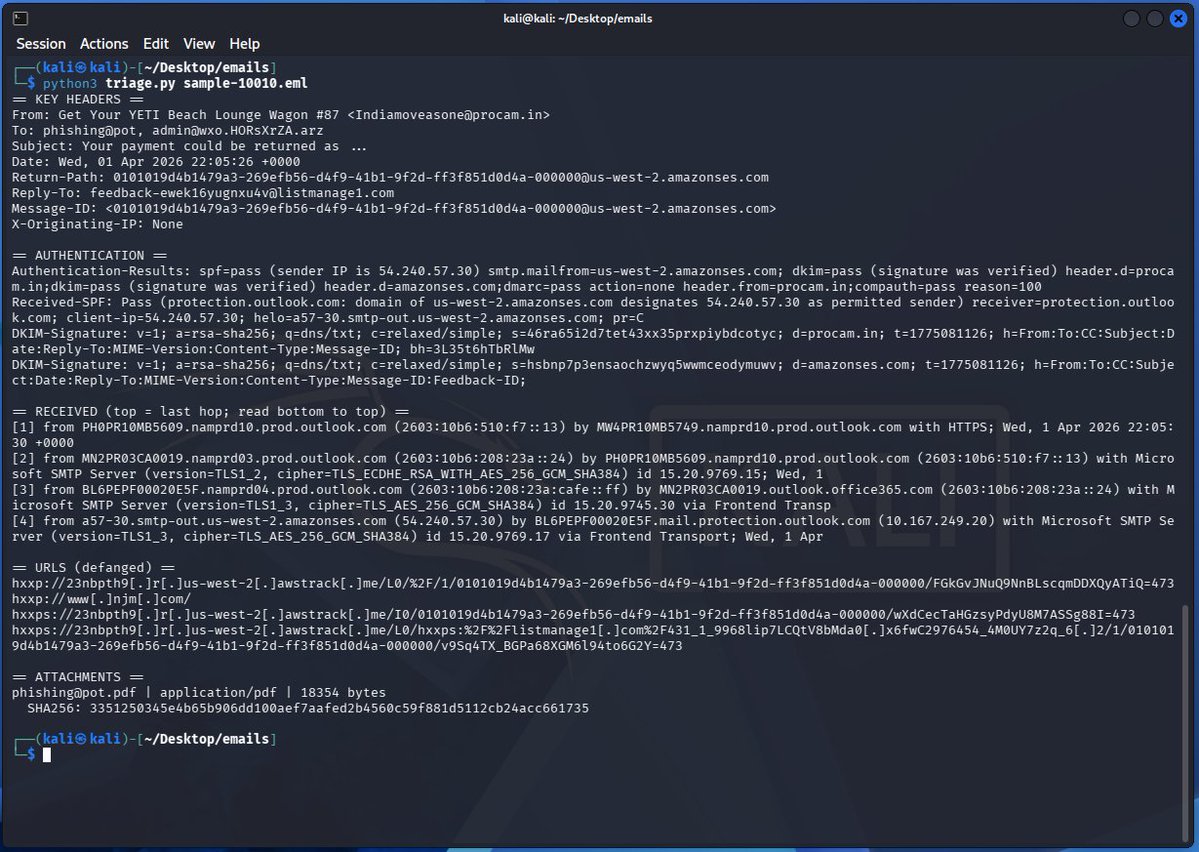
1. Compare From, Return-Path and Reply-To. A display name can say anything. If the real address, the bounce address or the reply address point to different domains, that is a red flag.
2. Read Authentication-Results. Look at SPF, DKIM and DMARC. Fail or none on all three is a warning. But a pass does not make an email safe. Attackers can send through legitimate services and pass every check.
3. Trace the Received lines from bottom to top. The bottom one is closest to the sender. Does the origin match who claims to have sent it, or is it a random hosting provider?
4. Check the Message-ID and the DKIM signing domain. If they belong to a different domain than the sender, ask why.
5. Check links and attachments without opening them. Use https://t.co/bxEbZdcxeq and VirusTotal, and hash attachments instead of running them. A clean reputation result still does not prove an email is safe, so trust the headers and the content too.
In Week5 of my internship at DG Interns Hub, I analyzed three real phishing samples with these steps. One used a well-known brand name on an unrelated sender domain with failed authentication. Another passed SPF, DKIM and DMARC but still had a Reply-To domain that did not match the sender.
What is the first thing you check in a suspicious email?
#CyberSecurity #Phishing #EmailSecurity #BlueTeam #SOC #DGInternsHub
Why logs alone are not enough: what a SIEM adds
Spent this week building a SIEM pipeline (Splunk) for my DG Interns Hub cybersecurity internship, and it reframed something for me:
1. Logs are scattered. Windows events, SSH logs, app logs; each sits in its own silo until something centralizes them.
2. Raw logs don't correlate themselves. One failed SSH login means nothing. Twenty from the same IP in a few seconds is a brute-force attempt, only visible once you count across events.
3. A SIEM normalizes messy data into fields you can actually search (source IP, user, event type), instead of reading thousands of raw lines.
4. Alerting turns "the data is in there somewhere" into "someone gets notified right now." That gap between having logs and being alerted is where real incidents get missed.
5. Even with a SIEM, coverage has limits; a host-log-only setup can miss network-level activity entirely if you're not also feeding it the right sources.
More logs is not more visibility unless you're watching the right ones.
#CyberSecurity #SIEM #Splunk #DGInternsHub
Week 5 at DG Interns Hub: phishing, malware triage, threat intelligence and incident response
This week I worked through the full analyst workflow:
- Analysed 3 real phishing emails: headers, links (never clicked), reputation checks and verdicts
- Read 2 public https://t.co/wAge7MX1BM sandbox reports and tested the EICAR file on my Windows VM
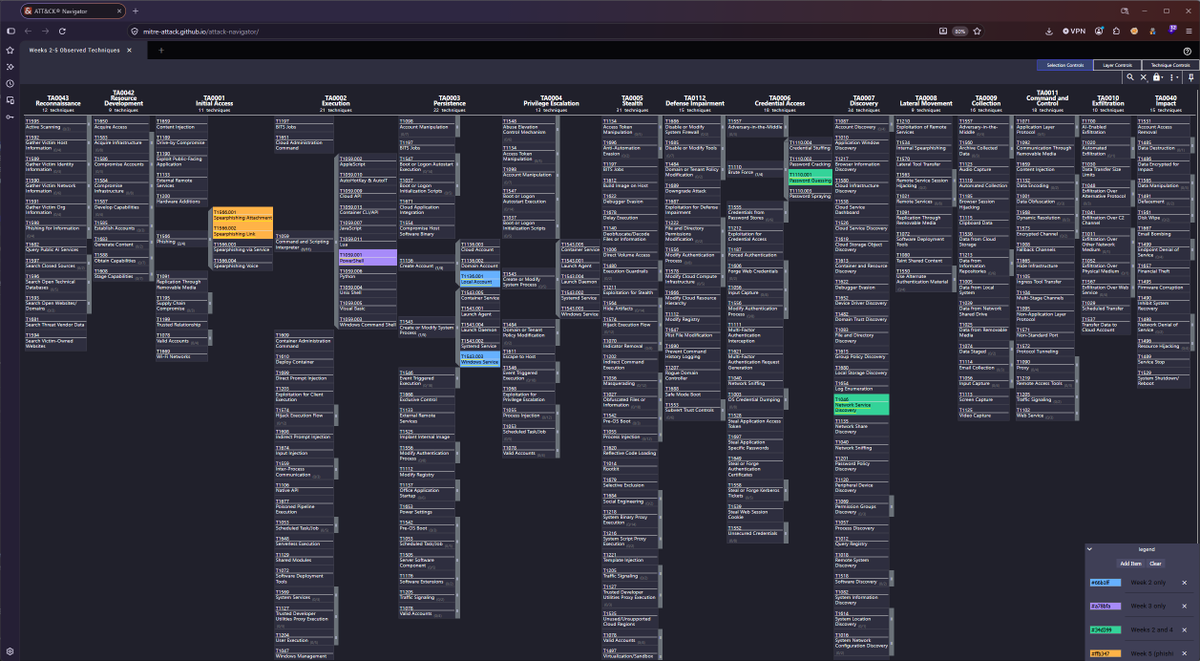
- Mapped techniques from Weeks 2 to 5 in MITRE ATT&CK Navigator (screenshot below)
- Ran 3 Atomic Red Team tests (T1059.001, T1136.001, T1053.005) and checked what my Sysmon and Splunk setup caught
- Wrote an incident report on the Atomic tests
Things worth noting from this project:
only 1 of the 3 techniques raised an alert.
- The new local account triggered my "New User Created" alert.
- The encoded PowerShell command showed up in Sysmon, but no rule fired.
- The scheduled task left no Event 4698, because that auditing was switched off.
Lessons: a SIEM only alerts on the rules you write, evidence depends on your audit policy, and an alert is only trusted once it has been tested.
All testing was done in my own isolated lab, using only the EICAR test file and public sandbox reports. Full write-ups, notes and the incident report are on GitHub: https://t.co/BCn7OlRwCV
Thank you DG Interns Hub for the hands-on projects.
#CyberSecurity #SOC #IncidentResponse #MITREATTACK #ThreatIntelligence #BlueTeam #DGInternsHub
Why logs alone are not enough: what a SIEM adds
Spent this week building a SIEM pipeline (Splunk) for my DG Interns Hub cybersecurity internship, and it reframed something for me:
1. Logs are scattered. Windows events, SSH logs, app logs; each sits in its own silo until something centralizes them.
2. Raw logs don't correlate themselves. One failed SSH login means nothing. Twenty from the same IP in a few seconds is a brute-force attempt, only visible once you count across events.
3. A SIEM normalizes messy data into fields you can actually search (source IP, user, event type), instead of reading thousands of raw lines.
4. Alerting turns "the data is in there somewhere" into "someone gets notified right now." That gap between having logs and being alerted is where real incidents get missed.
5. Even with a SIEM, coverage has limits; a host-log-only setup can miss network-level activity entirely if you're not also feeding it the right sources.
More logs is not more visibility unless you're watching the right ones.
#CyberSecurity #SIEM #Splunk #DGInternsHub
GRC; Sprint 4 Done ✅
10 policies, a compliance framework, countless reviews and confusions😂
I personally worked on Clear Desk & Clear Screen and BCDR policies (with one of my teammates) for DINOSA Resorts.
GRC really put us to work!😭
@Cyblackorg@ireteeh#CyBlack#GRC
Day 97 - Build Log
A productive day of teamwork, security validation, and hands-on blue team practice.
CyBlack Internship Sprint 4: GRC Board Review
Yesterday, my team presented the work we completed during our GRC sprint to the board.
We walked them through our organisational security policy development process, compliance framework, review and approval workflow, and policy communication and acknowledgement exercise.
I'm particularly proud of my teammates for the quality of work delivered and the exceptional presentation. It was rewarding to see our collective effort come together.
DG Interns Hub Week 5: Defensive Security Lab
I started working on my Week 5 defensive lab project, focusing on validating security controls and observing endpoint telemetry.
My activities included executing these Atomic Red Team tests:
T1059.001-17 - PowerShell Command Execution
T1053.005-3 - Scheduled Task: Local
T1136.001-4 - Create Local Account
I also introduced the EICAR test file into my Windows VM to validate antivirus detection and tracked the resulting activity through Windows Defender, Sysmon, and triggered Splunk alert.
This gave me an opportunity to observe how simulated adversary behaviours and antivirus test events are recorded across different security telemetry sources.
Lesson: Defensive security goes beyond deploying monitoring tools, to generating controlled test activity, collecting relevant telemetry, correlating events, and understanding what the evidence reveals.
From presenting governance processes to validating endpoint security controls, another step forward in my cybersecurity journey.
#Cybersecurity #BlueTeam #DefensiveSecurity #AtomicRedTeam #MITREATTACK #Sysmon #WindowsDefender #Splunk #GRC #CyBlack #DGInternsHub #BuildInPublic #LearningInPublic
Day 96 - Build Log
A major milestone today as my team and I completed the GRC Sprint task at the CyBlack Internship.
@Cyblackorg Internship Sprint 4: Governance, Risk & Compliance
We wrapped up the final phase of our organisational security policy project: policy communication and acknowledgement.
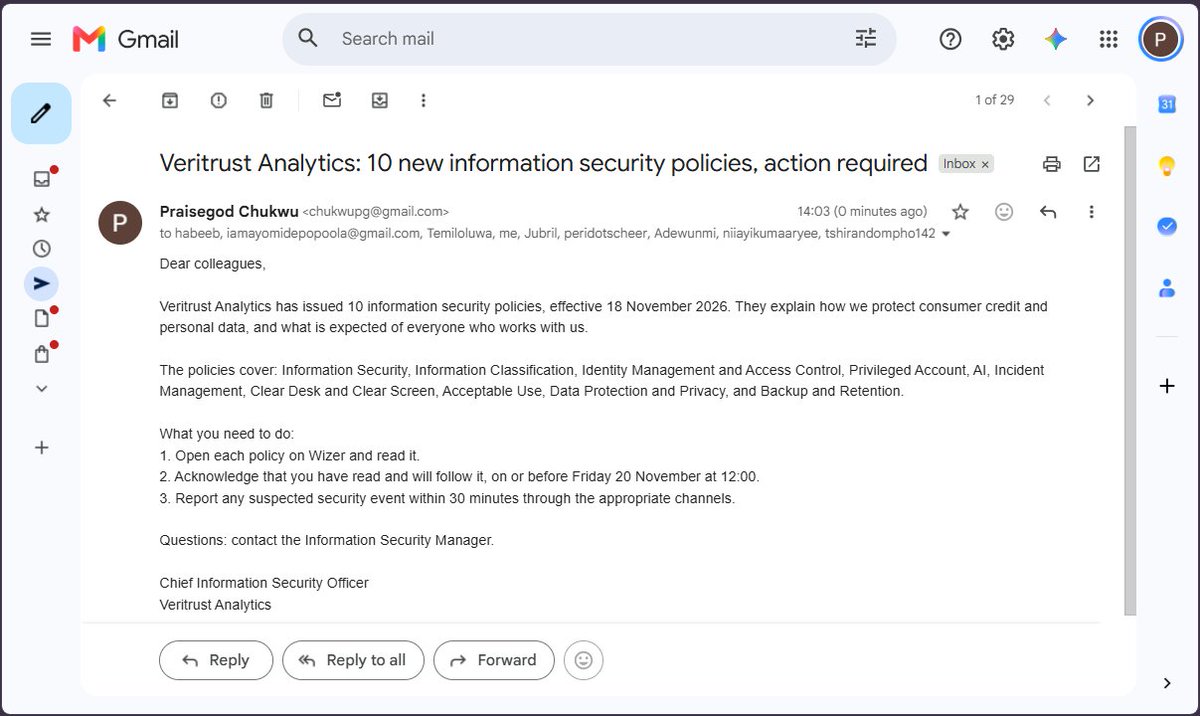
Using Wizer, we uploaded and communicated the policies to our simulated organisation's employees. Every team member then completed the acknowledgement process, allowing us to demonstrate how employees receive, access, and formally acknowledge organisational security policies.
I also completed the team report and implemented corrections to our compliance framework based on feedback from our mentor and programme administrator.
With the project deliverables wrapped up, we held a team meeting to rehearse our board presentation, refine how we communicate our work, and prepare for tomorrow's presentation.
Lesson: Developing security policies is only one part of an effective GRC programme. Policies must go through review and approval, be communicated to employees, and have their acknowledgement tracked. That is how governance moves from documentation into organisational practice.
From policy development to review, approval, communication, and acknowledgement; we've worked through the policy lifecycle as a team.
Now, it's time to present the work. 🚀
#Cybersecurity #GRC #GovernanceRiskAndCompliance #PolicyManagement #Compliance #CyBlack #SecurityGovernance #LearningInPublic #BuildInPublic
Day 95 - Build Log
I completed two rooms on TryHackMe, both focused on password attacks and authentication security.
@tryhackme: Hydra
Worked with THC Hydra, a network logon cracking tool used to perform online brute-force attacks against supported authentication services.
Explored how Hydra uses username and password lists to test authentication attempts across different protocols and why weak credentials and poor authentication controls create opportunities for attackers.
@tryhackme: Brute It
Practised a practical penetration-testing scenario involving reconnaissance, brute-force techniques, and privilege escalation.
Through actual practice, I learnt how exposed services, weak credentials, and misconfigured permissions can combine to provide an attacker with an initial foothold and potentially higher privileges.
Lesson: Organizations need not rely only on password security, they also need controls such as multi-factor authentication, account lockout or rate limiting, secure service configurations, and monitoring of suspicious authentication attempts.
Two more rooms completed, with more practical experience in understanding how attackers target authentication systems and how defenders can reduce the risk.
#Cybersecurity #TryHackMe #Hydra #BruteForce #PasswordSecurity #PenetrationTesting #EthicalHacking #PrivilegeEscalation #BuildInPublic #LearningInPublic
Day 94 - Build Log
Three TryHackMe rooms completed and another major milestone in our CyBlack GRC sprint.
@TryHackMe - Hands-on Learning
Completed three rooms today:
Cyber Kill Chain: Explored the stages of a cyberattack and how defenders can use the framework to understand and disrupt adversary activities.
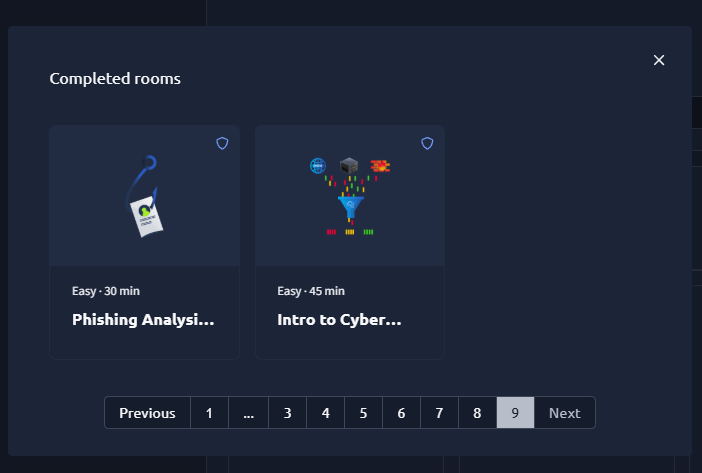
Phishing Analysis Fundamentals: Strengthened my understanding of phishing investigation, including identifying suspicious email characteristics and analysing potential indicators of compromise.
Cyber Threat Intelligence: Learned more about gathering, analysing, and using threat intelligence to support informed security decisions.
@Cyblackorg Internship Sprint 4: GRC
Made significant progress on our organisational security policies.
I completed the compliance framework for our policies and started working on the team's final report.
We also held a meeting to conduct the final review of our policies. Following the review, I simulated the role of the Chief Information Security Officer (CISO) and approved six policies.
Beyond policy development and approval, we moved into policy communication. We uploaded the approved policies to our Wizer account, where our registered team email addresses were configured as employee accounts. This allowed us to simulate how an organisation communicates security policies to its employees and makes them accessible for awareness and compliance.
Lesson: Effective cybersecurity goes beyond identifying threats. Organisations also need structured governance, clearly defined responsibilities, policy approval processes, and effective communication to turn security requirements into everyday practice.
Another day of learning, building, reviewing, and putting security concepts into practice.
@_DeejustDee@segoslavia
#Cybersecurity #ThreatIntelligence #PhishingAnalysis #CyberKillChain #GRC #Compliance #PolicyManagement #TryHackMe #CyBlack #LearningInPublic #BuildInPublic