PAPAI REDROYALE F1
💚Mmea wake ni mfupi
💚Uzito wa tunda ni kilo 2.5-3.5
💚Mmea wake huduma kwa miaka 2-3 shambani
💚Imara matunda 60-80 kwa msimu kwa mche mmoja
MBEGU BORA KWA MAPATO MAZURI
#tukafosichaka
Designing a Healthy Chicken Coop: Comfort, Function, and Productivity
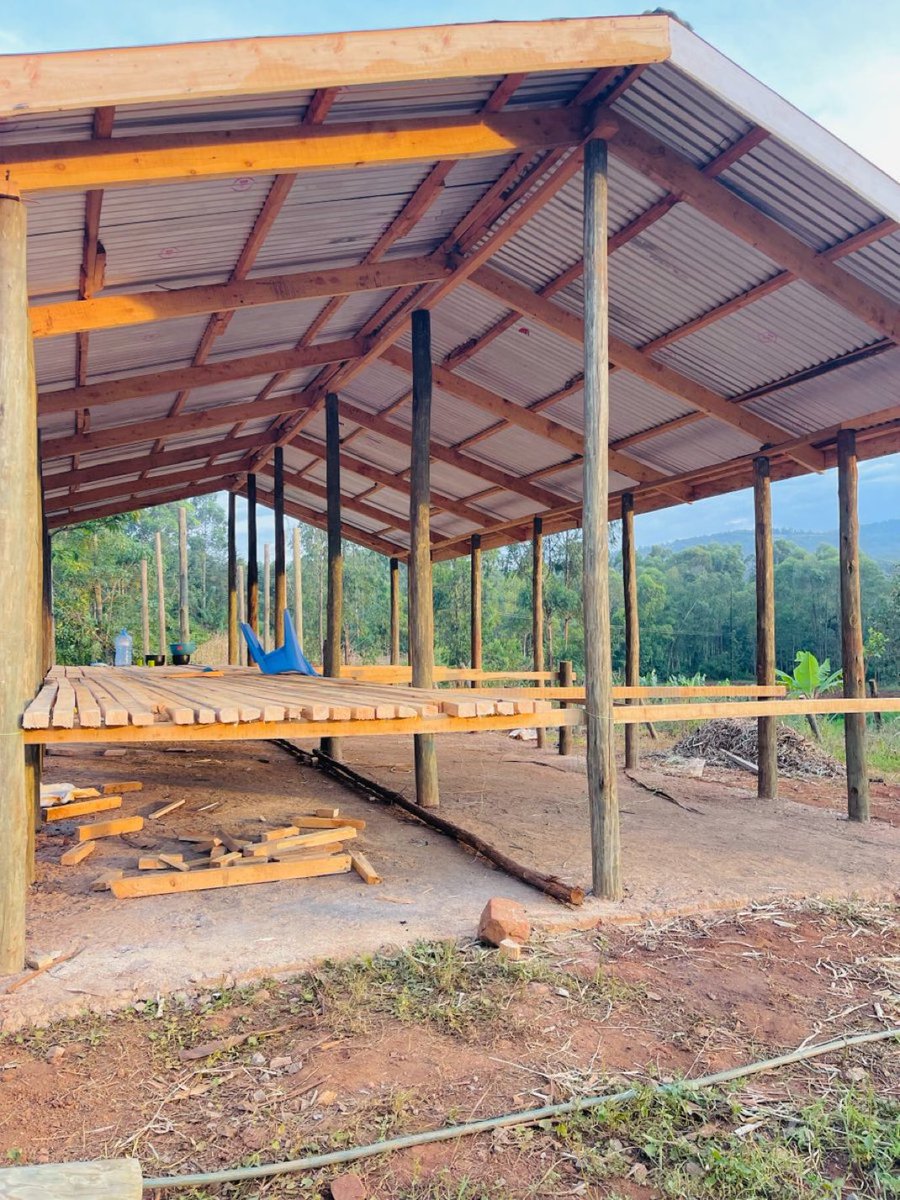
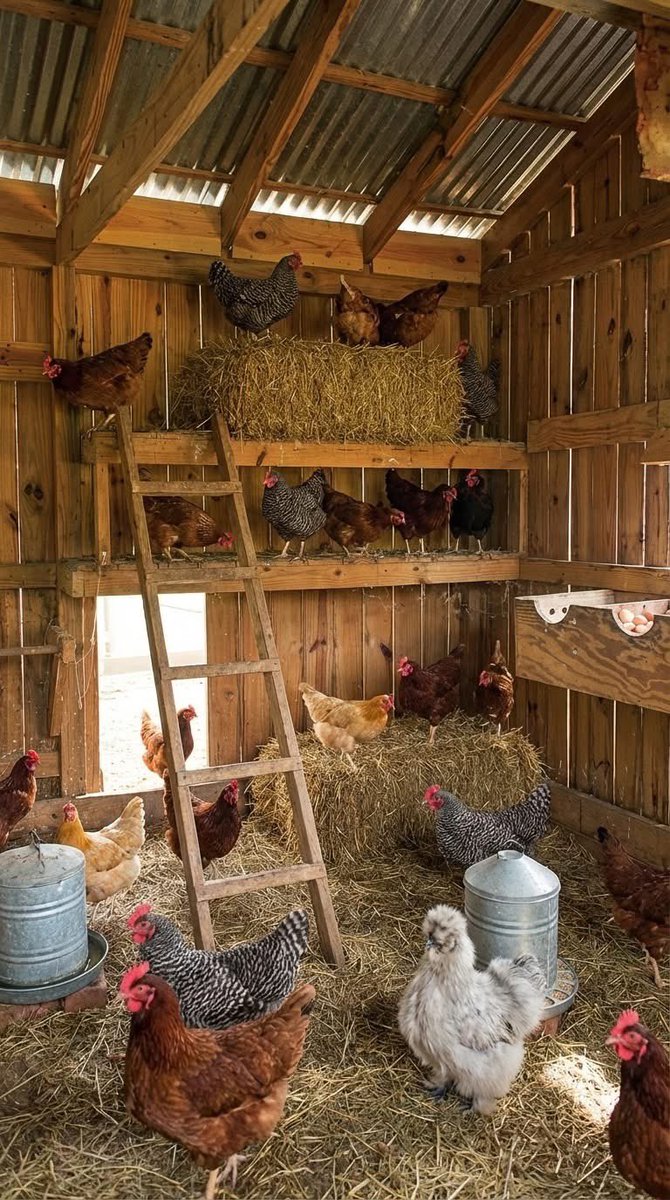
This image shows a well-structured wooden chicken coop interior, designed to keep chickens safe, comfortable, and productive. It’s a great example of how simple materials and smart layout can create an ideal environment for poultry.
🐔 Understanding the Coop Layout
The coop is organized into different functional zones:
Ground Area: Where chickens walk, scratch, and socialize
Raised Platforms (Roosting Areas): Where chickens rest and sleep
Upper Section with Hay: A cozy, warm resting or nesting spot
This vertical use of space helps maximize the coop without overcrowding.
🪵 Natural Materials for Better Living
The coop is built mainly from wood, which offers:
Good insulation (warm in winter, cool in )
A natural, stress-free environment for chickens
Easy maintenance and repair
The addition of hay bedding improves comfort and hygiene.
🛏️ Roosting and Sleeping Areas
Chickens naturally prefer to sleep off the ground. In this coop:
Elevated platforms act as roosting spots
Hay provides softness and warmth
Different levels allow chickens to choose their
This reduces stress and improves overall flock health.
🥚 Nesting and Egg Production
Although not fully visible, coops like this typically include:
Quiet nesting boxes
Soft bedding (straw or hay)
Dim, सुरक्षित corners for laying eggs
A calm environment leads to better egg .
🌬️ Ventilation and Light
The coop allows natural light and airflow:
Gaps and openings prevent moisture buildup
Fresh air reduces disease risk
Light helps regulate egg-laying cycles
Good ventilation is essential for chicken health.
🧼 Cleanliness and Maintenance
The straw-covered floor helps:
Absorb moisture and waste
Reduce odors
Make cleaning easier
Regular cleaning and replacing bedding keep the coop hygienic.
🐓 Why This Setup Works Well
Comfortable and environment
Efficient use of vertical space
Supports natural chicken behavior
Easy to build and maintain
Improves egg production and flock
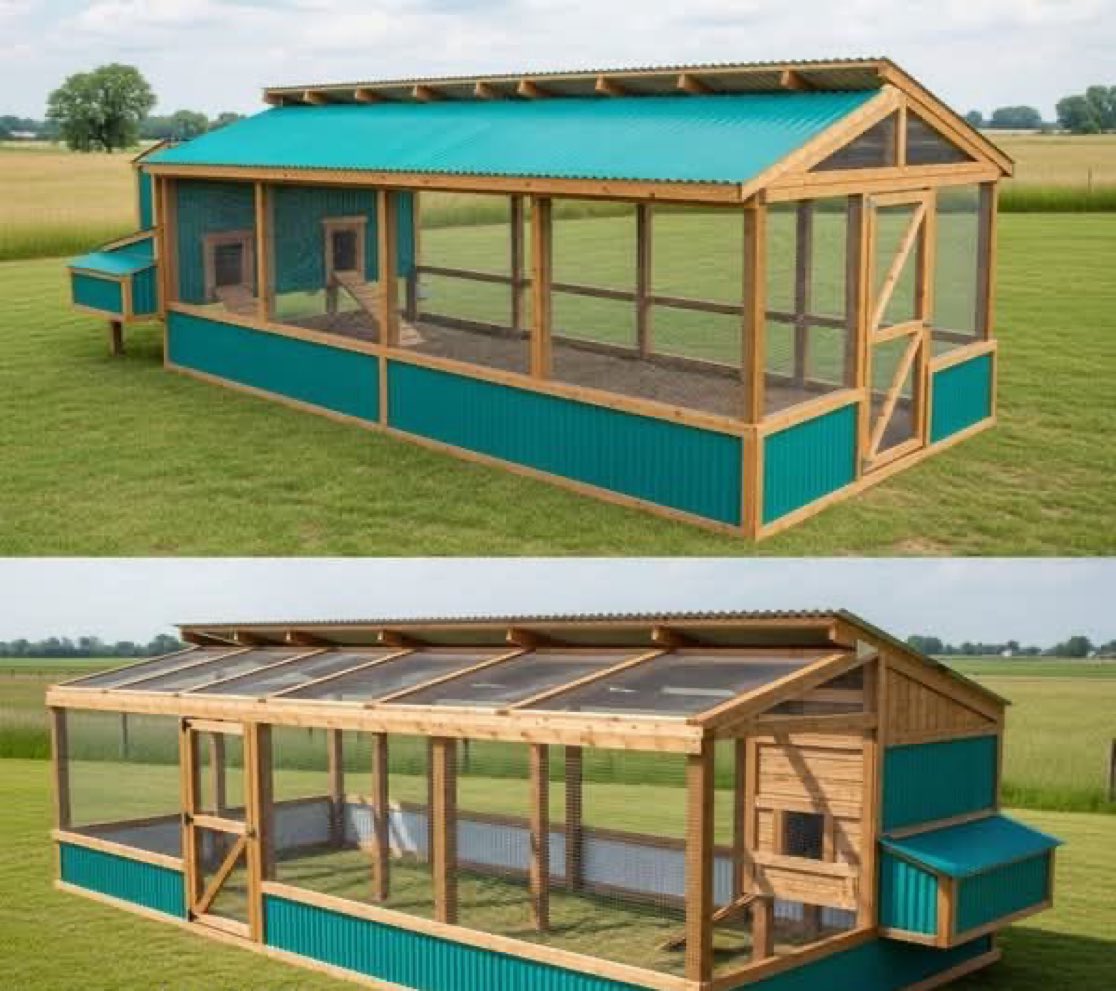
💡 Tips to Build a Similar Coop
Provide at least 20–30 cm perch space per chicken
Keep nesting boxes lower than roosts
Ensure proper ventilation without drafts
Use removable bedding for easy cleaning
Protect from predators with secure walls and doors
🌿 Final Thought
A good chicken coop is more than shelter, it’s a system that supports health, comfort, and productivity. When chickens feel safe and , they thrive, and so does your farm.
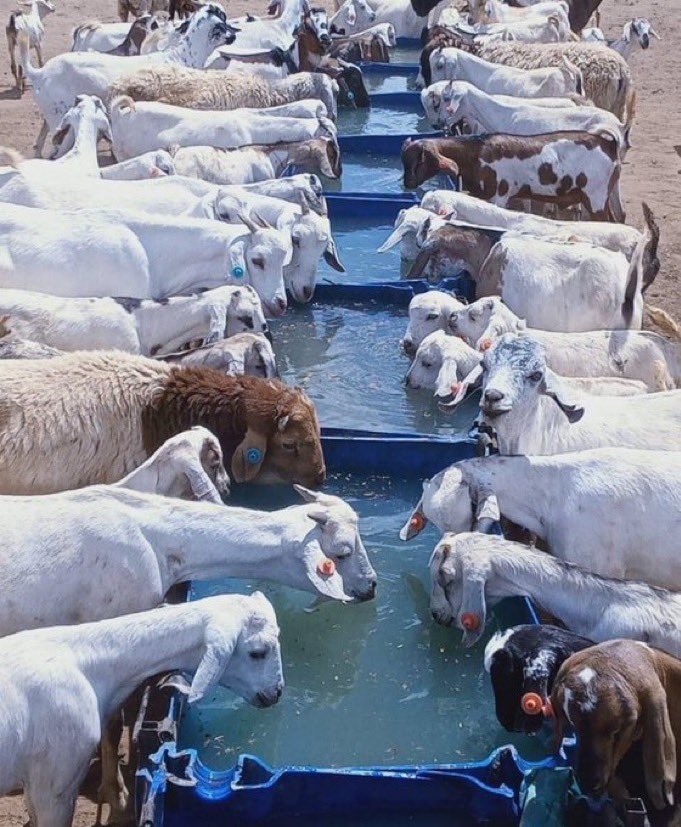
**HOW TO BUILD A 100-GOAT FARM IN 18 MONTHS**
Many farmers dream of owning 100 goats. Few understand the system behind it. Here's how to grow your goat farm to 100 strong animals in just 18 months using planning, breeding, and proper management.
**A small thread**
**Phase 1: Setup & Starter Stock (Month 1–3)**
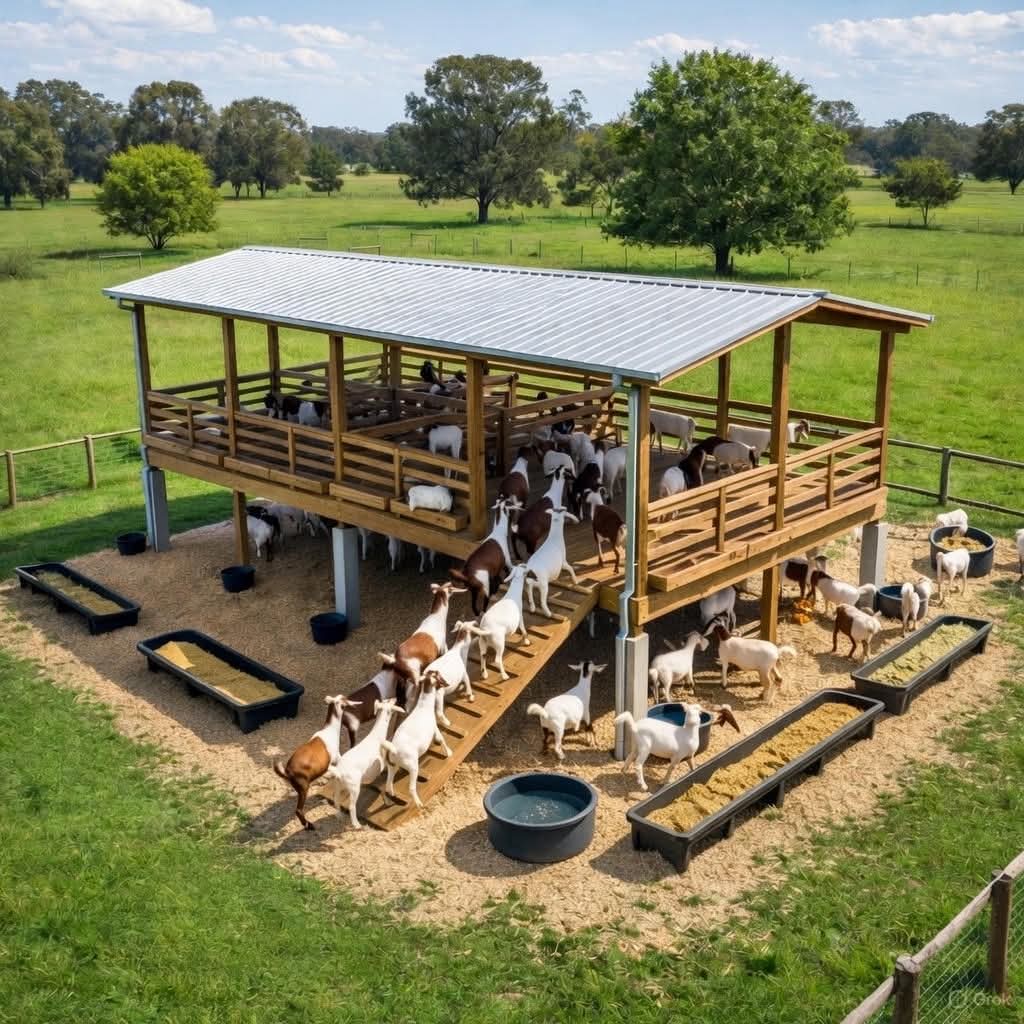
Start with 1 plot of land. Build raised pens. Install clean water and feed storage.
Buy 20–25 healthy does and 2–3 strong bucks.
Quarantine, deworm, and vaccinate every new animal.
**Phase 2: First Breeding Cycle (Month 4–9)**
Use controlled mating so most does give birth around the same time.
Feed a mix of grasses, legumes, PKC, forage, and molasses.
Monitor health, tag animals, and keep records.
**Phase 3: First Kidding (Month 10–12)**
Expect 35–50 kids if managed well.
Feed pregnant does calcium and protein-rich diets.
Wean kids at 2.5–3 months. Deworm and start creep feed.
Keep the best for breeding, separate the rest by weight.
**Phase 4: Second Mating & Grow-Out (Month 13–16)**
Re-mate original does for a second cycle.
Grow first batch to sale weight (20–25kg).
Keep top kids for future breeding. Sell the rest.
**Phase 5: Sales & Scaling (Month 17–18)**
By now you'll have:
– 35–50 breeding does
– 3–5 bucks
– 30–50 grow-outs
– 100 goats total, ready to sell, breed, or scale further
Market to butchers, farmers, meat buyers, and online.
Farming success is built with systems. Not guesswork.
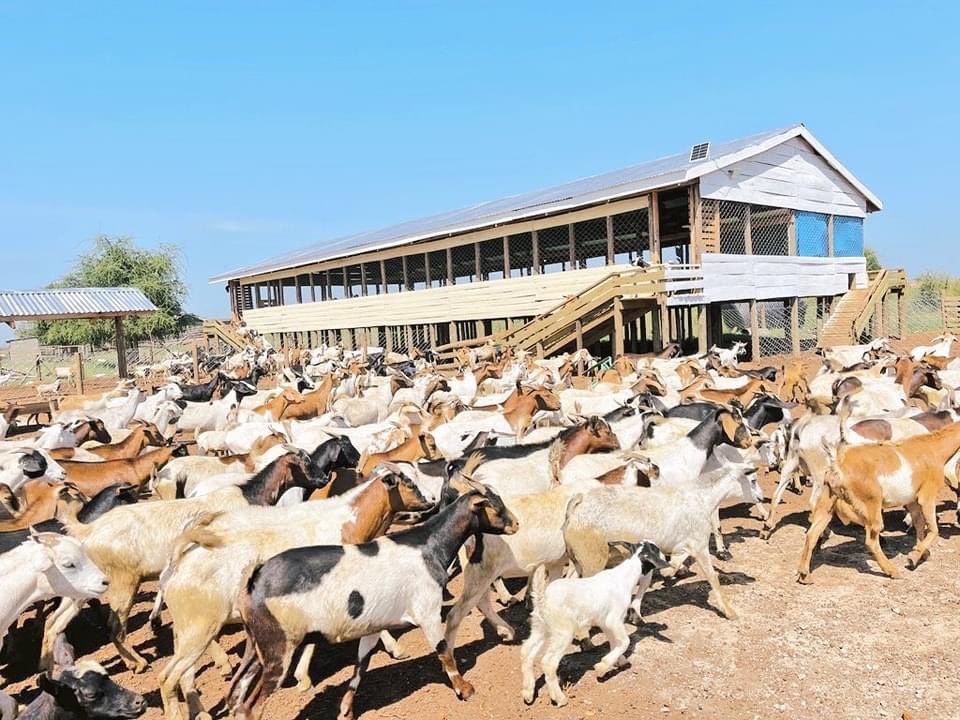
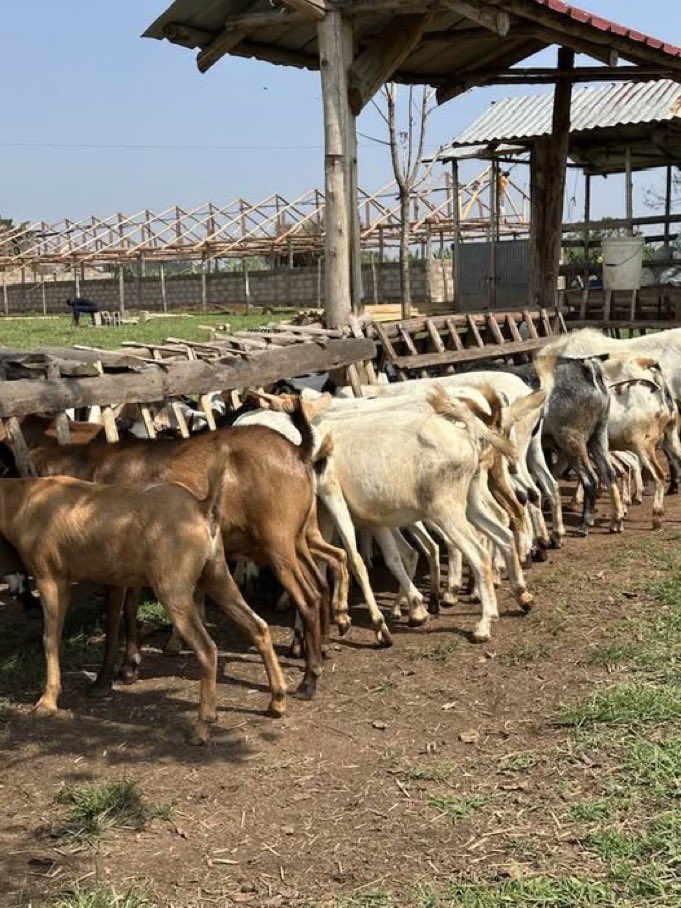
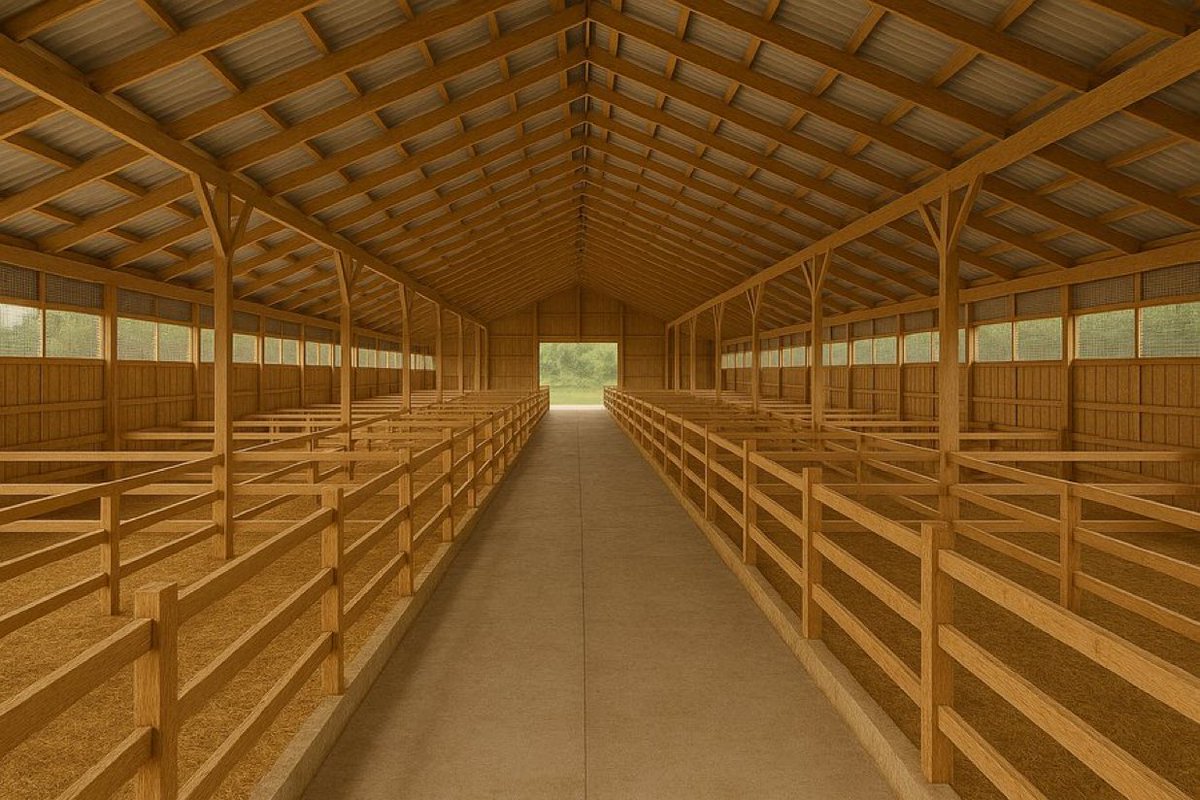
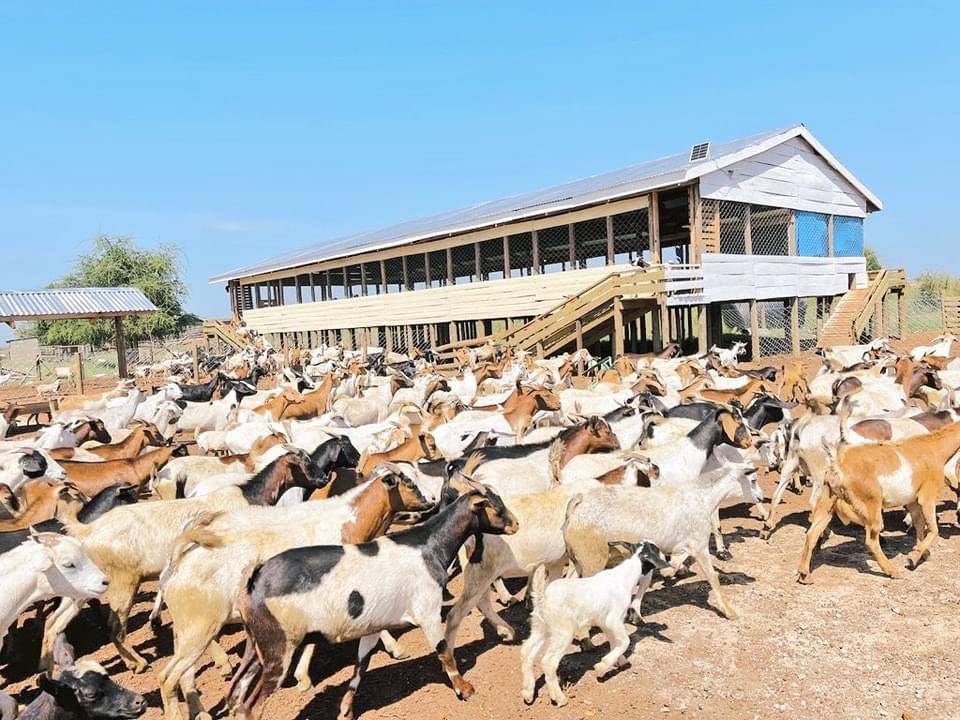
5000 Goats Structure Design Plan Zero Grazing This structure occupies a land area of 4.0657 acres, designed to have 5 sections each housing 1000 goats provided with a partitioned shed, an enclosed yard with outdoor feeders and spray crushes.
HOW TO BUILD A 100-GOAT FARM IN 18 MONTHS
Many farmers dream of owning 100 goats. Few understand the system behind it. Here's how to grow your goat farm to 100 strong animals in just 18 months using planning, breeding, and proper management.
A small thread