Monitor mouse activity by counting active burrows or using chew cards where appropriate. 2 to 3 active burrows on avg per 10m x 10m are cause for concern prior to sowing. Burrows can be hidden under stubble. Info from @CSIRO@theGRDC Mouse Forecast March 2026
Talk about finger on the pulse!
WA pulse growers can protect their 2026 crops with seed testing at no cost for high-risk viruses that can impact yield, seed quality, and profits 🌾
Check out how in the comments 👇
At the national Canola Pathology Workshop we heard from DPIRD WA’s Harry Eslick on the latest BlacklegCM developments including predicting autumn risk nationally for growers. @theGRDC@DPIRDbroadacre
@DPIRDbroadacre, with @theGRDC and national collaborators, is leading Research Area 3 (Integrated Management) of the Soilborne Disease Initiative—tackling Sclerotinia, Rhizoctonia, crown rot and root lesion nematodes with integrated, economic solutions for WA growers. #SBDIP3
@AmarBantwal@DPIRDbroadacre @BelindaFarmWkly This sample from Geraldton port zone was diagnosed by DPIRD diagnostic lab services (DDLS) as being orange discolouration due to a saprophytic yeast. Caused by excess moisture. Fusarium head blight was not detected.
The Crop Protection team has delivered an outstanding year of innovation and impact across multiple projects and trials. Read about our Top 5 highlights in the November issue of #ProtectingWACrops🌾
🔗https://t.co/0FXmw78AGp
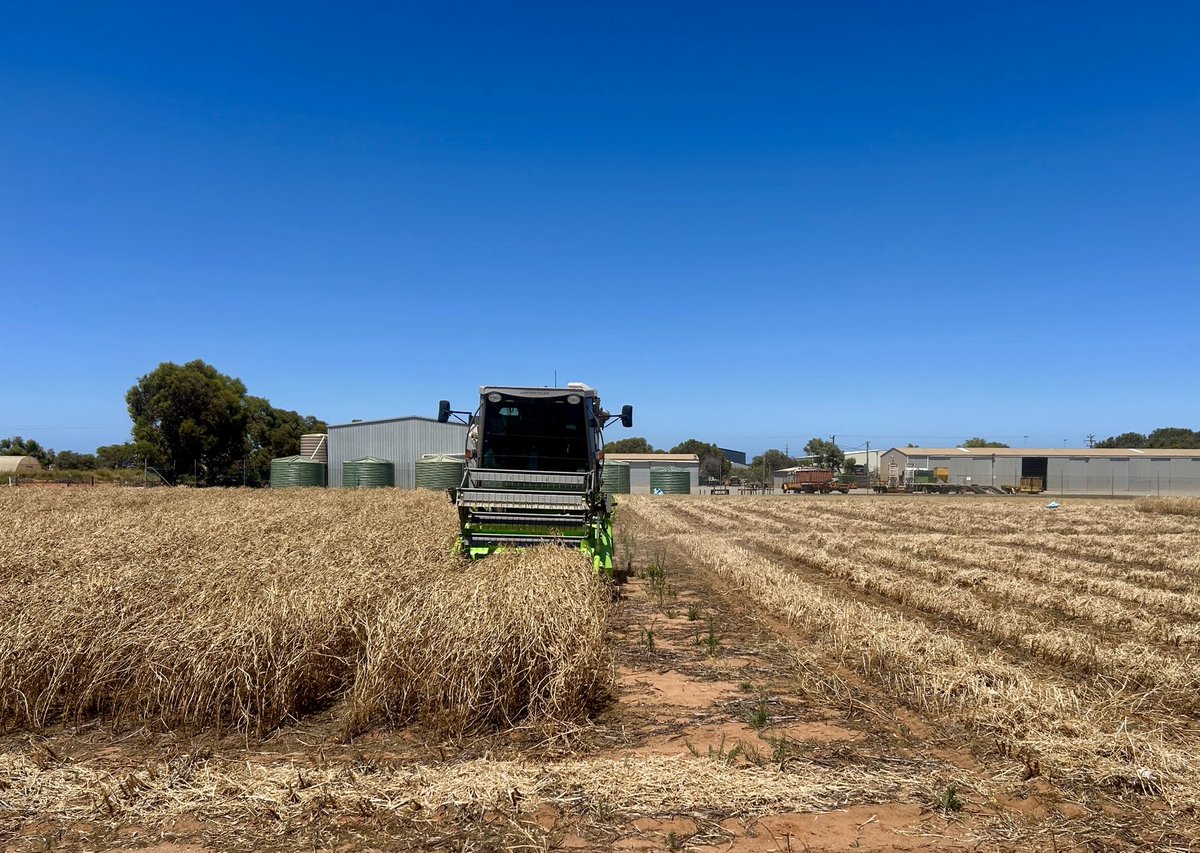
Our final trial for the lupin Sclerotinia project was harvested end of November - an impressive canopy across all the seed rate x row spacing treatments &lots of sclero.Thanks to @DPIRDbroadacre field research team for seeding, maintaining &harvesting it @GRDCWest
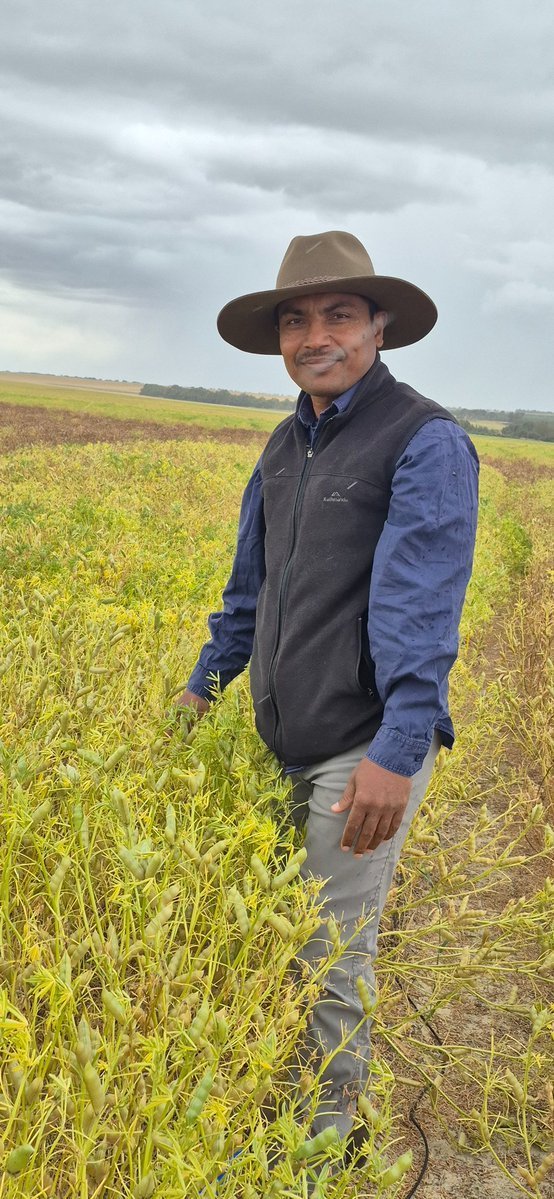
Bumper Lupin crop in Bolgart Re-engineering trial on deep incorporated lime trt, every single plant is so overloaded with pods (90-100). 5 th Yr after intervension
Video: deep incorporated lime + clay Vs surface applied lime + clay.
@GRDCWest@DPIRDbroadacre@azam_gaus@SteveDsoilsciWA@tre
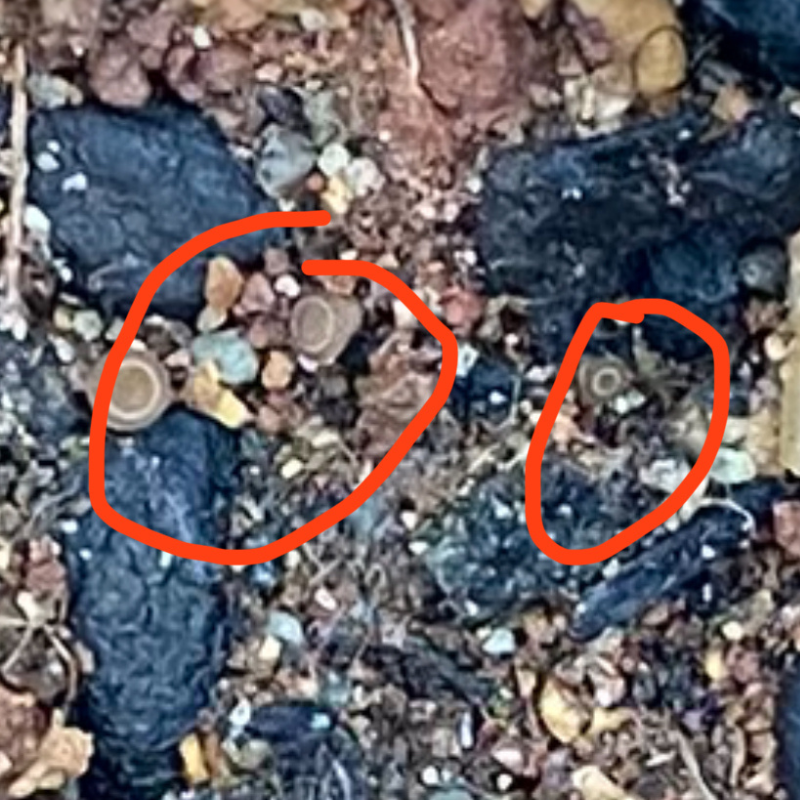
Past week finding Sclerotinia apothecia in our
@DPIRDbroadacre
and
@theGRDC field trial in Geraldton. Use #SclerotiniaCM app to assess if fungicide sprays will be needed in canola https://t.co/8Z54JcLRuA
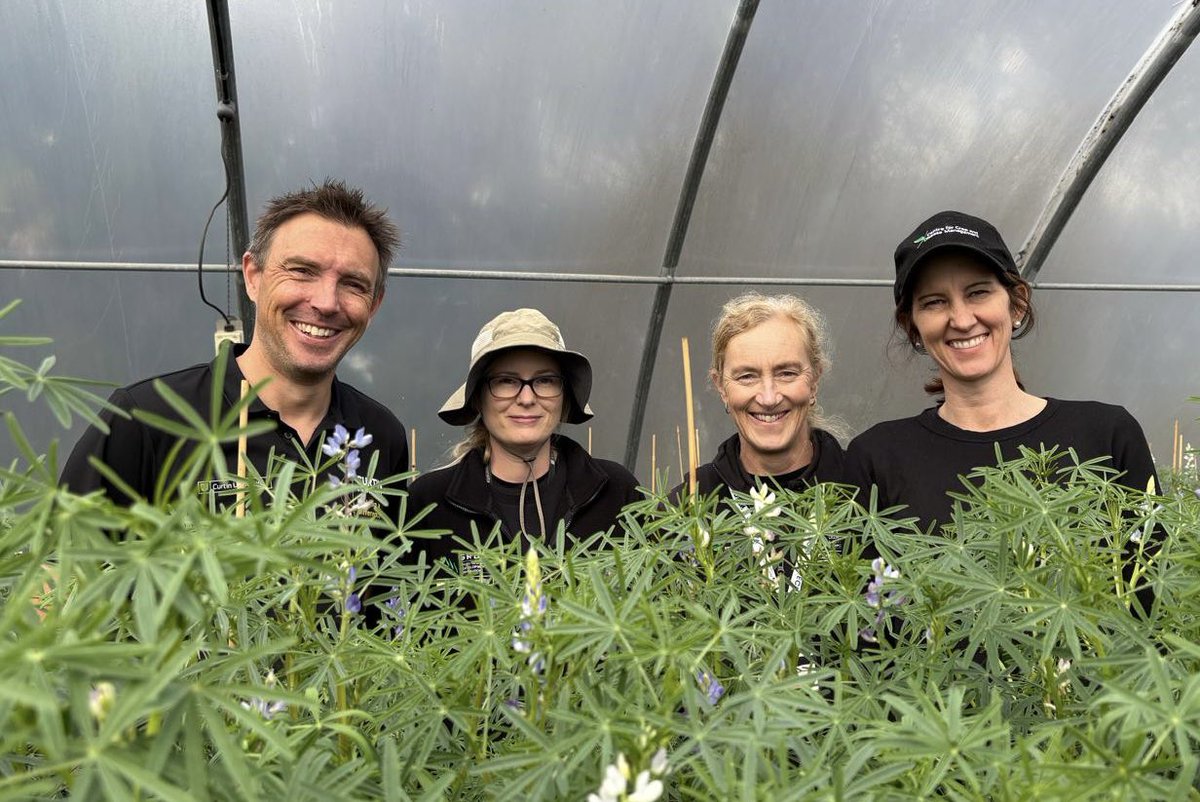
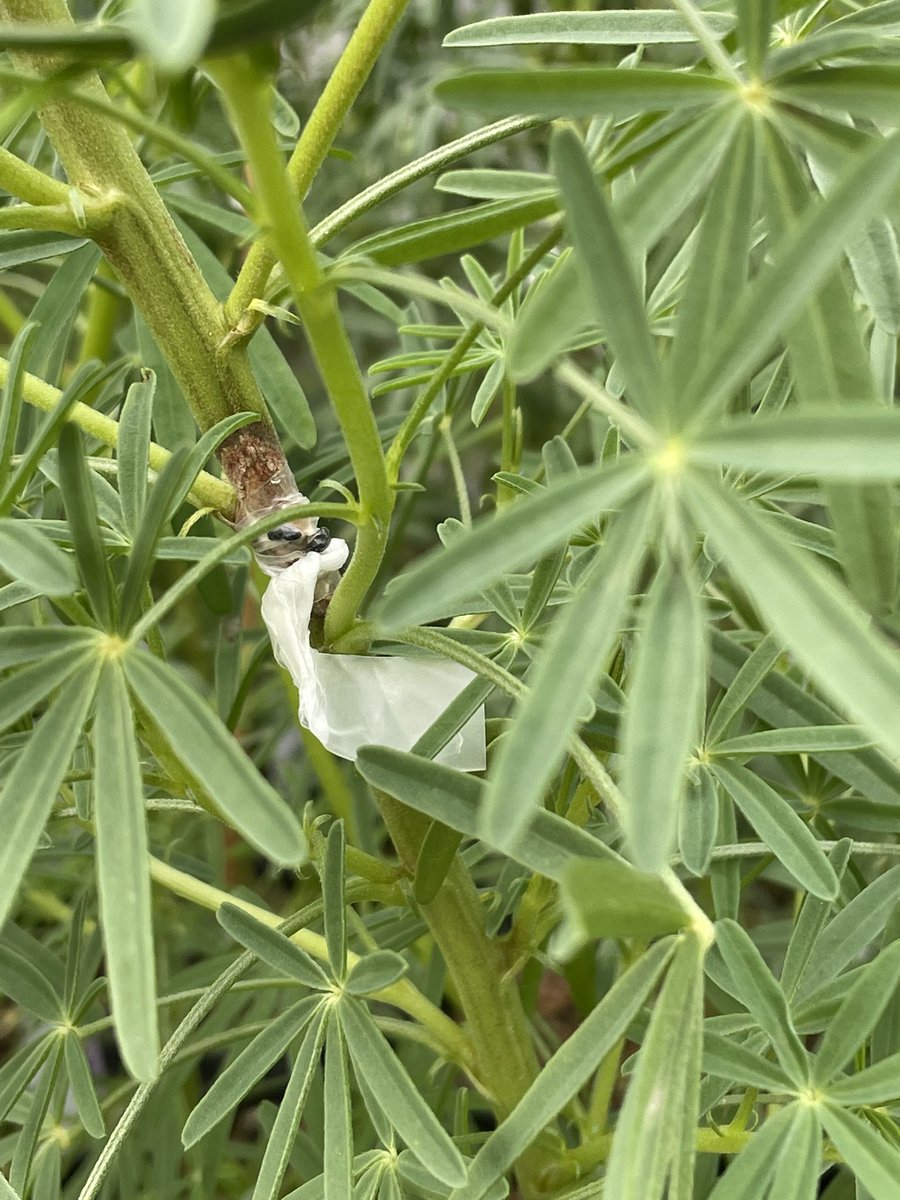
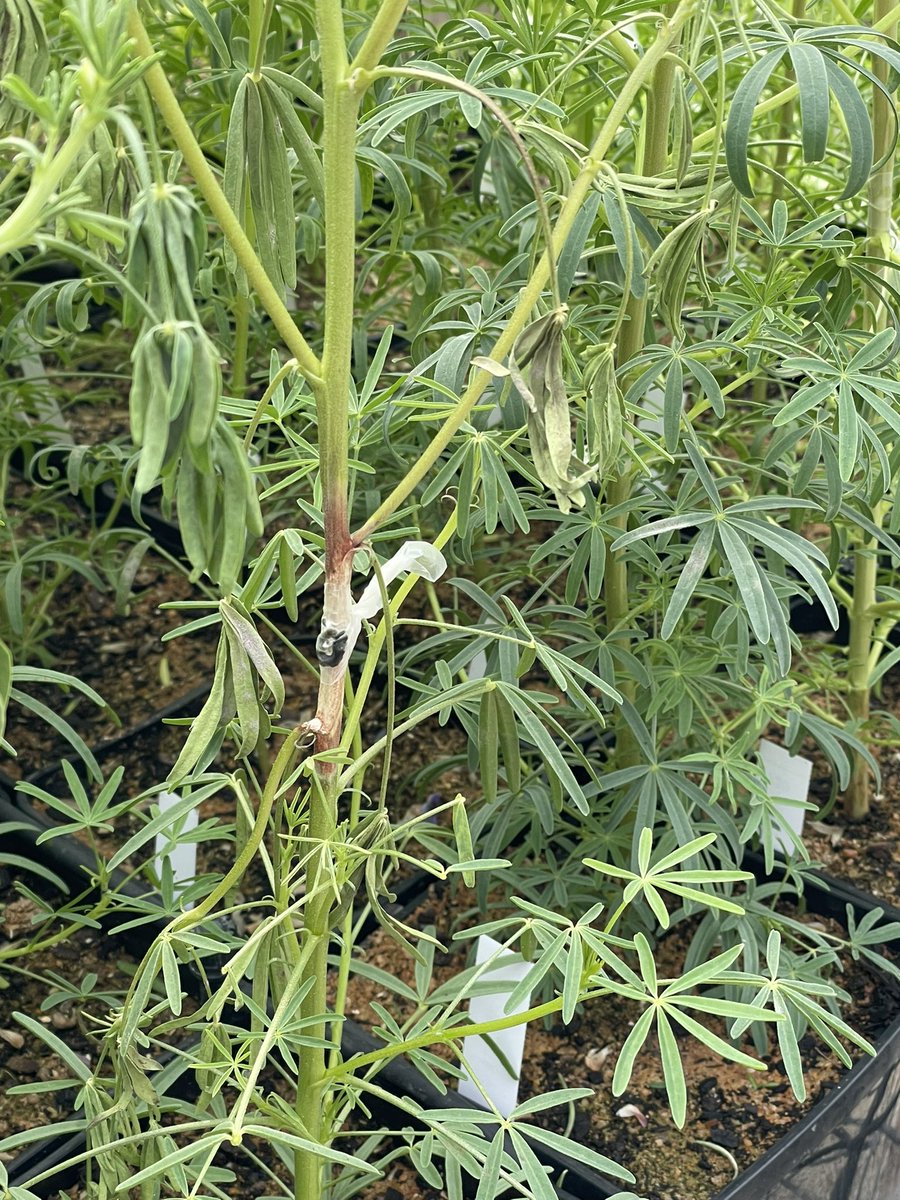
Is there any resistance to Sclerotinia in a diverse screen of narrow leaf lupin germplasm - stem inoculation at Curtin progressing nicely with all hands on deck required, field inoculation still to take place @theCCDM@WAAgCollab@rach02822245@lars_kamphuis
Great opportunity to join this disease and fungicide workshop next week in Geraldton with places still available, will be experts coming from eastern states Perth and local pathologists for awesome discussion and learning #AFREN@GRDCWest@DPIRDbroadacre
Sclerotinia apothecia have been seen in Northam since late June and now being found in Kendenup, check PestFacts WA issue below for managing the disease in flowering canola, lupin and other pulse crops
Apothecia have emerged from sclerotia in DPIRD's Northam depot this week - signaling that recent, cool moisture conditions are ideal for the start of the sclerotinia disease lifecycle. #PestFactsWA@GRDCWest
https://t.co/9lSsD6Qegy
Finding invertebrate pests or diseases in your paddocks? The #PestFactsWA team wants to know! Your reports help us deliver timely alerts and advice. Not sure what it is? We can help you diagnose it 👇
https://t.co/RGBTcCcAHC
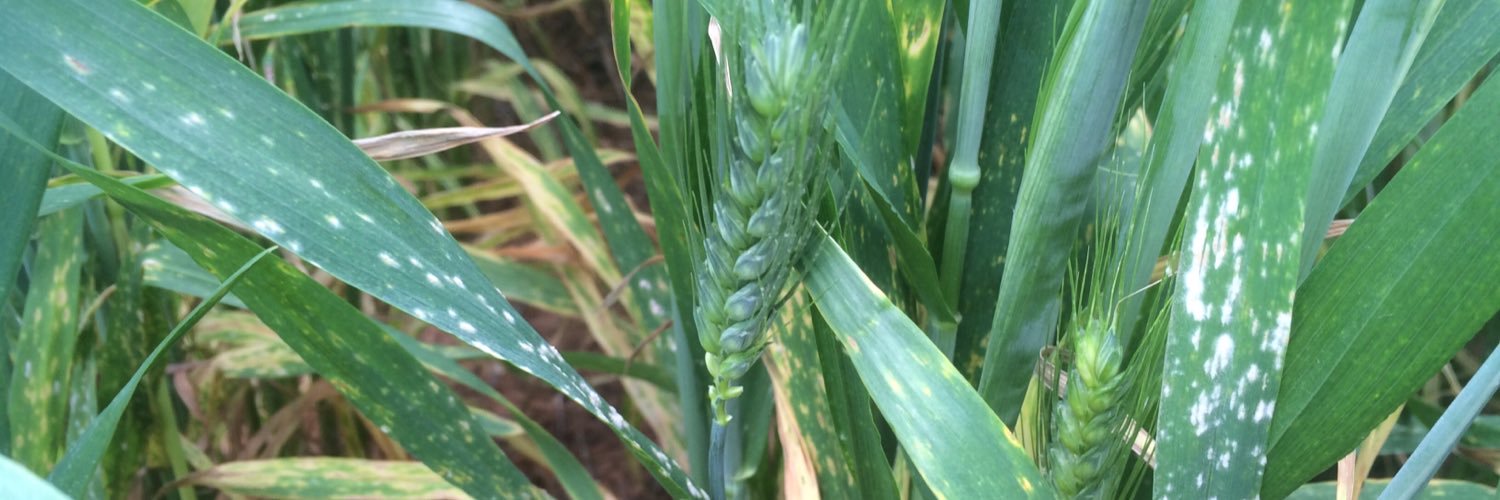
Did you know flag smut spores can survive in the soil for 3-7 years? Read more about how to manage Flag smut in wheat in the latest #ProtectingWACrops newsletter.
https://t.co/8SyuR3dHWT
DPIRD's crop insect and plant disease identification course being held in Perth from Tuesday 19 to Thursday 21 August 2025. Spots are limited so register your interest in attending now! For course fees and more info read the latest #PestFactsWA. @GRDCWest
https://t.co/mAewyGBvAb
@MerinoSi@theGRDC@DPIRDbroadacre@theCCDM@GroupMIG Thanks Simon for sharing your observations, our research is continuing in a new project GRDC DPIRD coinvestment and we hope to investigate the role of crop nutrition in Sclerotinia management
A great team of researchers & growers over 4 years- we have learnt a lot about the infection process, high risk situations, & developed new strategies for managing Sclerotinia in lupin. We’re excited now to be sharing the key findings @GroupMIG@theCCDM@DPIRDbroadacre@GRDCWest
#Sclerotinia in #lupin is sporadic across WA’s grainbelt but can hit hard when conditions align.
In this #GRDCVideo, Ciara Beard (@DPIRDWA) & grower Debbie Gillam (@GroupMIG) share how to spot risks & manage impact.
▶️ Full video https://t.co/h60GzMCv9D