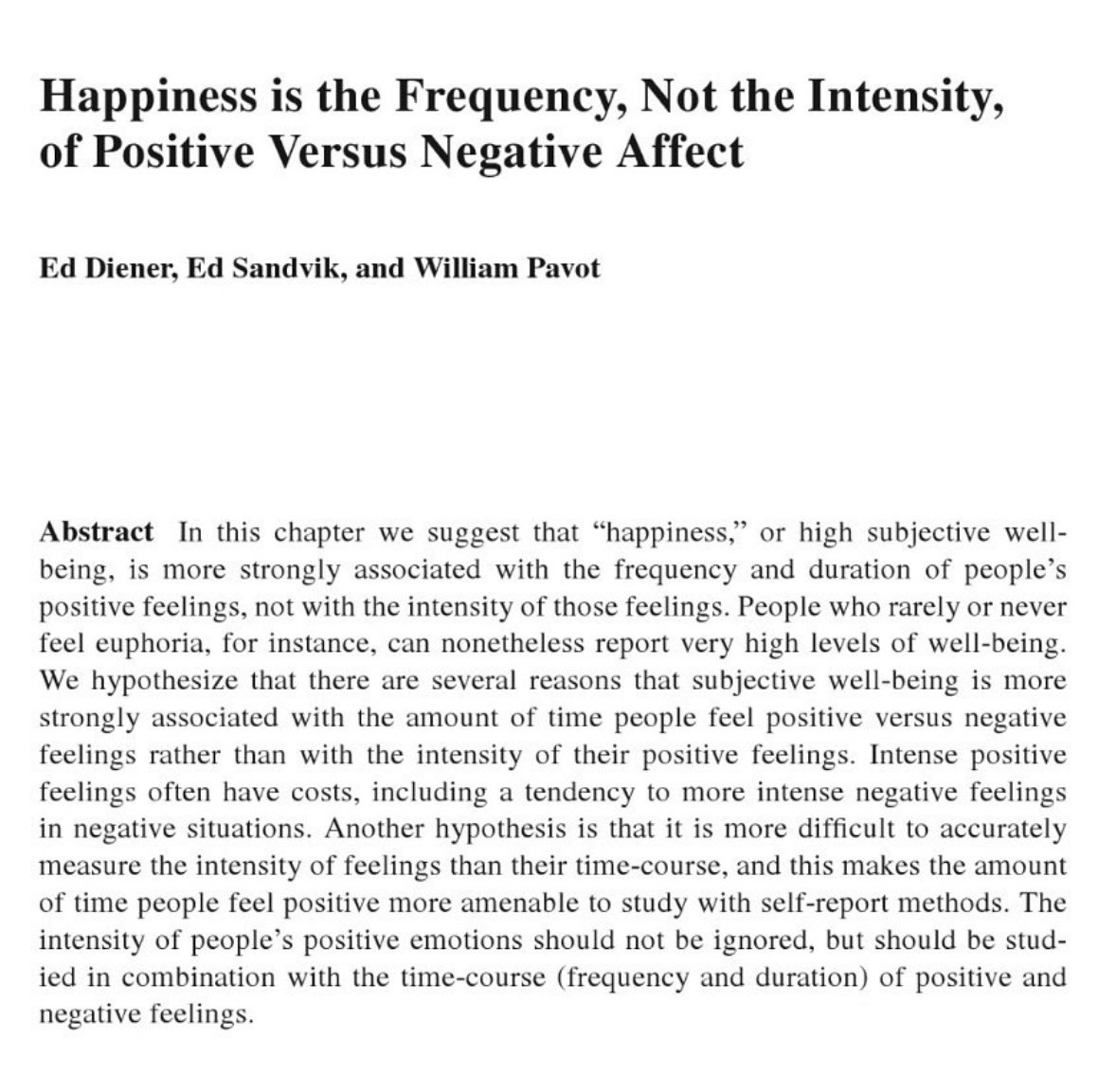
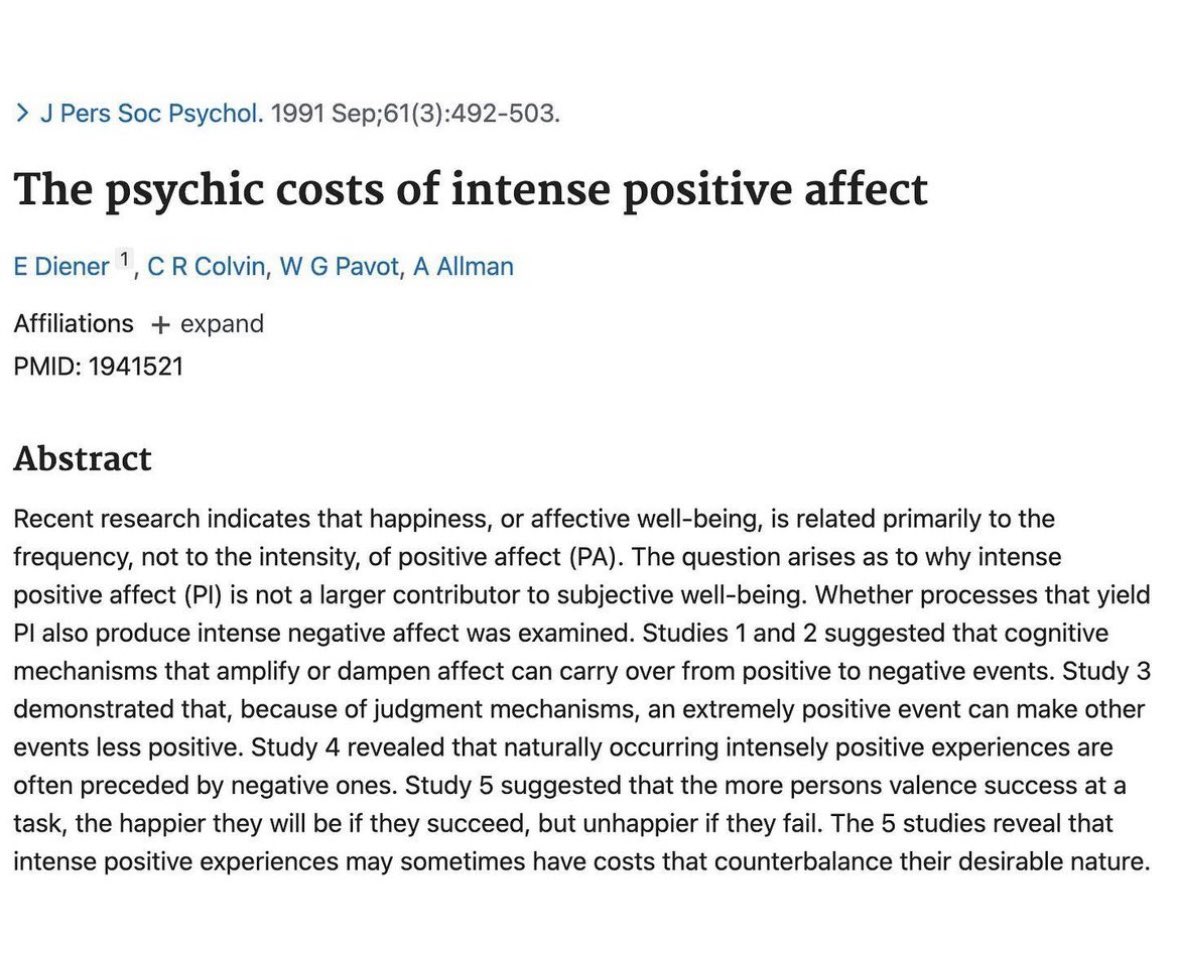
Happiness is not about maximizing the intensity of joy. It’s about increasing the frequency of joy.
Chasing exhilaration is a roller coaster of regular disappointments and rare, ephemeral highs.
Savoring daily delights is a steady, sustainable source of satisfaction.
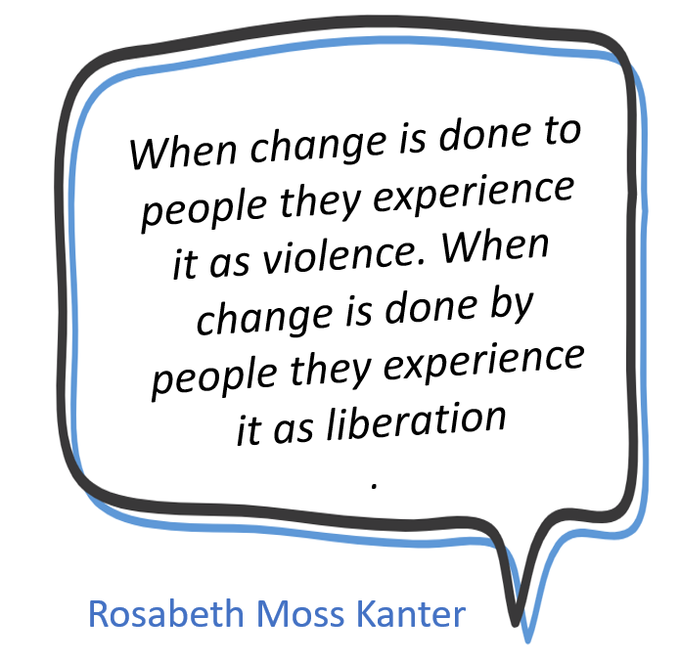
If people are motivated towards the change in a change process, everything else becomes easier. All the time & effort we invest early in that change process, engaging people, listening & co-producing, pays off later in better, more sustainable change. Trying to short-cut engagement means doing change "to" or "for" people & that's usually a bad move. Graphic: @anafabrega11
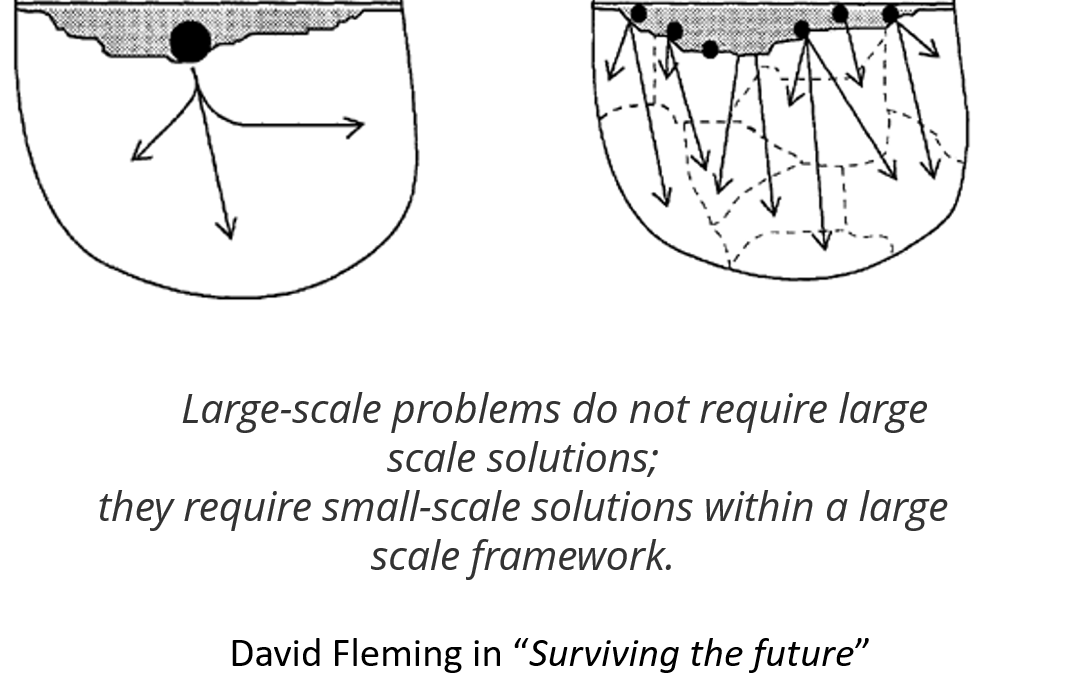
The relationship between small scale change & large scale change is a critical consideration for leaders of change. To quote @LeandroEHerrero "Large scale change is not small scale change repeated many times. Small wins repeated are lots of small wins." To quote David Fleming: "Large-scale problems do not require large scale solutions; they require small-scale solutions within a large scale framework". Otherwise countless small scale changes can be a thousand flowers blooming with no overall impact. Change leadership is about convening change, creating direction & shared purpose, role modelling behaviours, creating the space for people to experiment, learn, grow & improve things & joining everything up.
“HAPPINESS. — A butterfly, which when pursued, seems always just beyond your grasp; but if you sit down quietly, may alight upon you.”
— L. in The Daily Crescent (June, 1848)
via the 5-Bullet Friday newsletter https://t.co/VCW9ccoujo from @tferriss
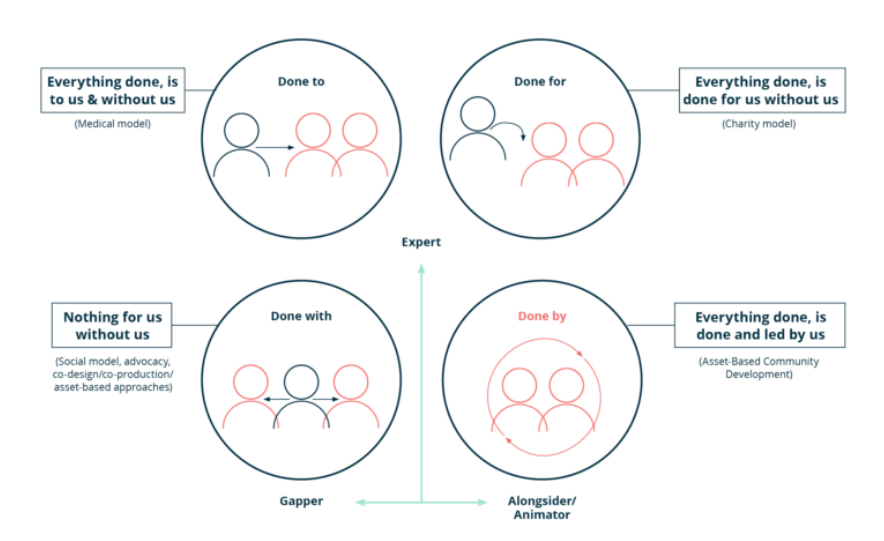
Q4: as leaders, we should reflect whether we are doing change "with & "by" people (generally works better), rather than "to" or "for" people. Doing change "for" people, while well intentioned, is a massive barrier to delivering effective change in health & care #leadingqi#qihour
The highest performing teams are built on strong relationships & a deep sense of belonging. Three research-based strategies for leaders: 1) Use commonalities to spark friendships 2) Highlight shared goals 3) Turn tension into connection: https://t.co/TCqRP1l3bi By @RonFriedman
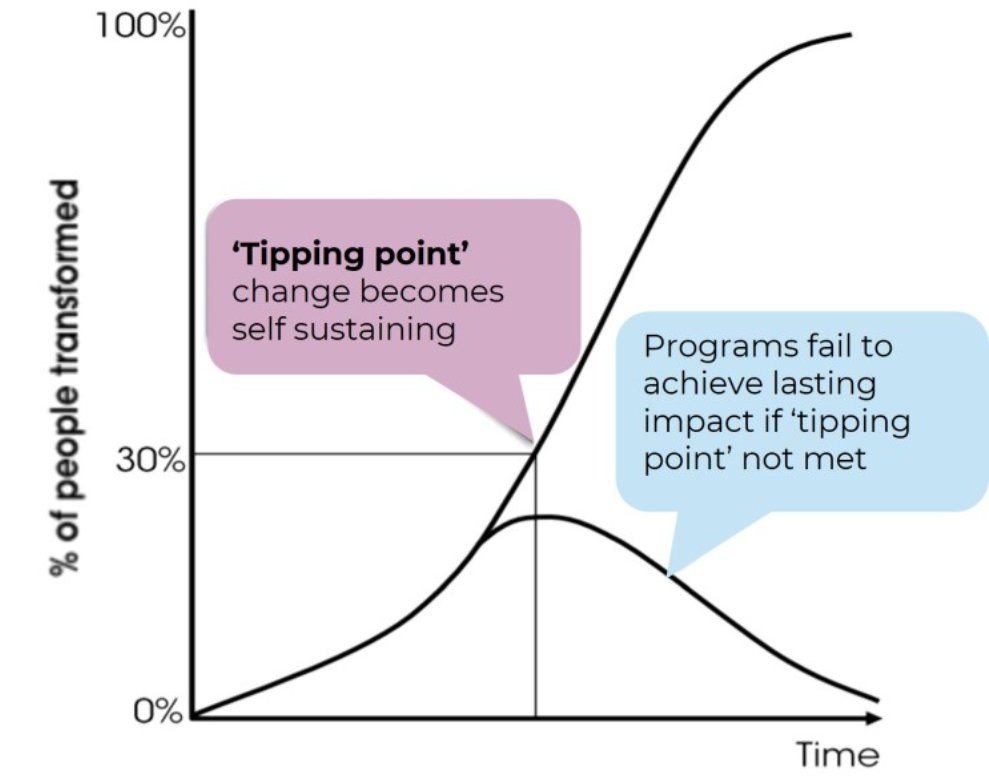
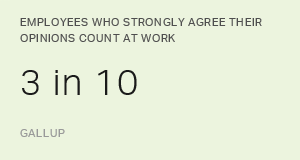
What is the"tipping point" for change - the point where the change becomes self-sustaining? The "ketchup effect" (the point at which the sauce gushes out of the bottle) says that this happens when about 30% of a population comes on board: https://t.co/ONBNQG4LwL V @jeppehansgaard
I've been discussing the @CormacRussell "to/for/with/by" model today in the context of organisational change. The "for" model is hardwired into so many organisations, typically with good intentions. We'd get better outcomes if we moved to at least "with": https://t.co/e18yCpHTdw
If we want people to stick to certain values/norms/principles, yes we should write them down.However, groups take on values not by reading but by copying behaviour of leadership role-models. Role-modelling is such a powerful lever for influencing https://t.co/QEJwWINGCl V @pforti
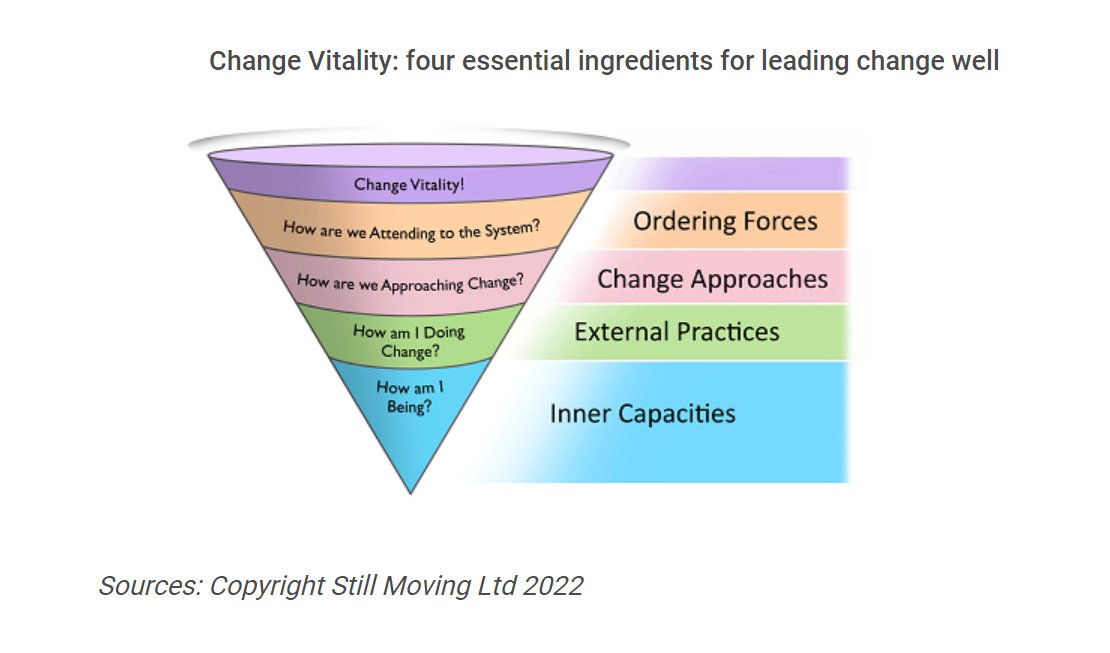
New research on successful leadership of large-scale, complex change. 2 factors stand out:1) harnessing the "Ordering Forces" (time/place/belonging etc) gets you more successful change 2) attending to belonging is the key differentiator: https://t.co/LkLNMW4V1Y By @deborahrowland
How to get senior leaders to be receptive to your great new idea: 1) Root your idea in a big problem for the organisation 2) Take your time 3) Build a coalition for change first 4) Make it simple 5) Generate many ideas before you pitch: https://t.co/o1ClXOYNEd By @PaulIanTaylor
I choose to be an optimist: "Optimism is a duty. The future is open. It is not predetermined. No one can predict it, except by chance. We all contribute to determining it by what we do. We are all equally responsible for its success.": https://t.co/jZS4JEHILr By @packyM
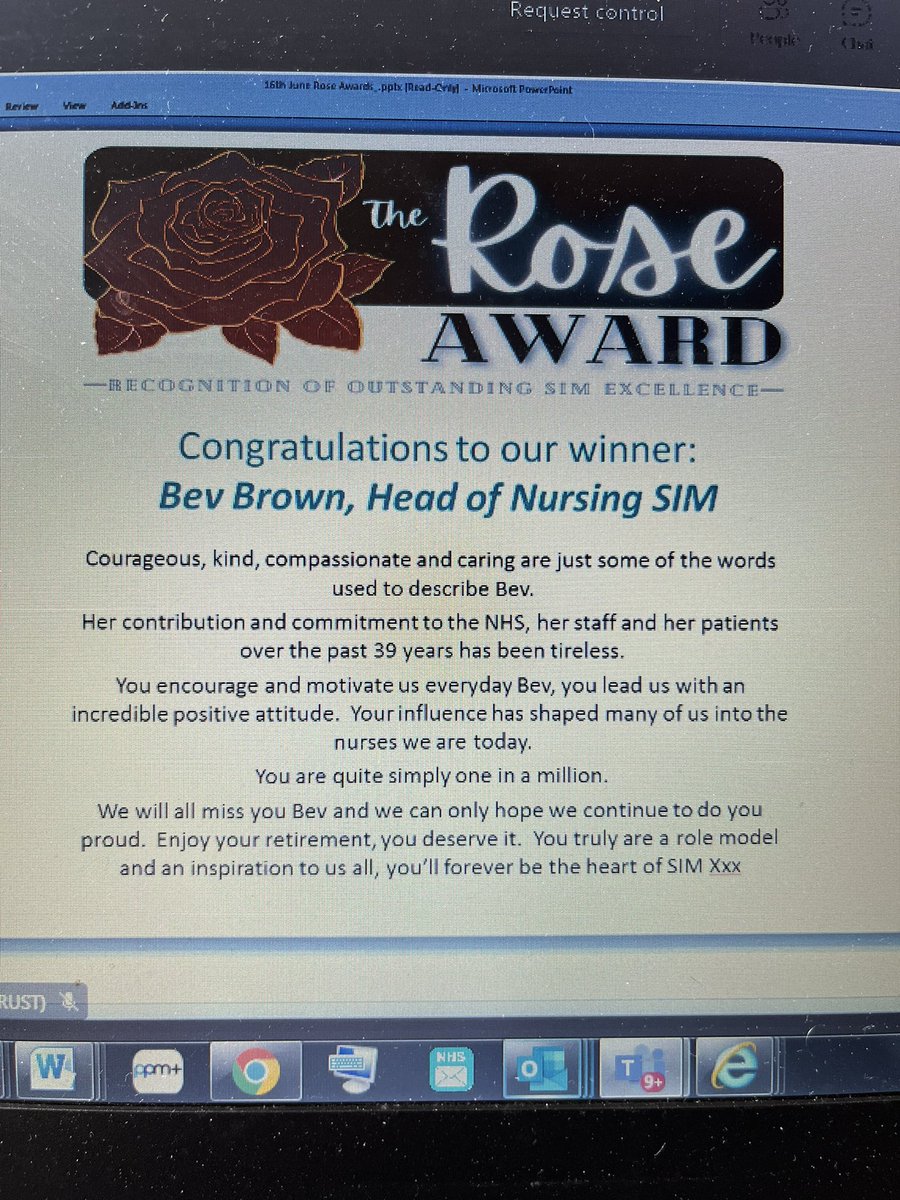
Fab Rose Awards in @LTHT_SIM today celebrating some truly amazing colleagues. Particularly delighted to see @Conroy1Tracey and Von Sherrard recognised. And of course the irreplaceable @BevBrow29307420 👏 👏 👏
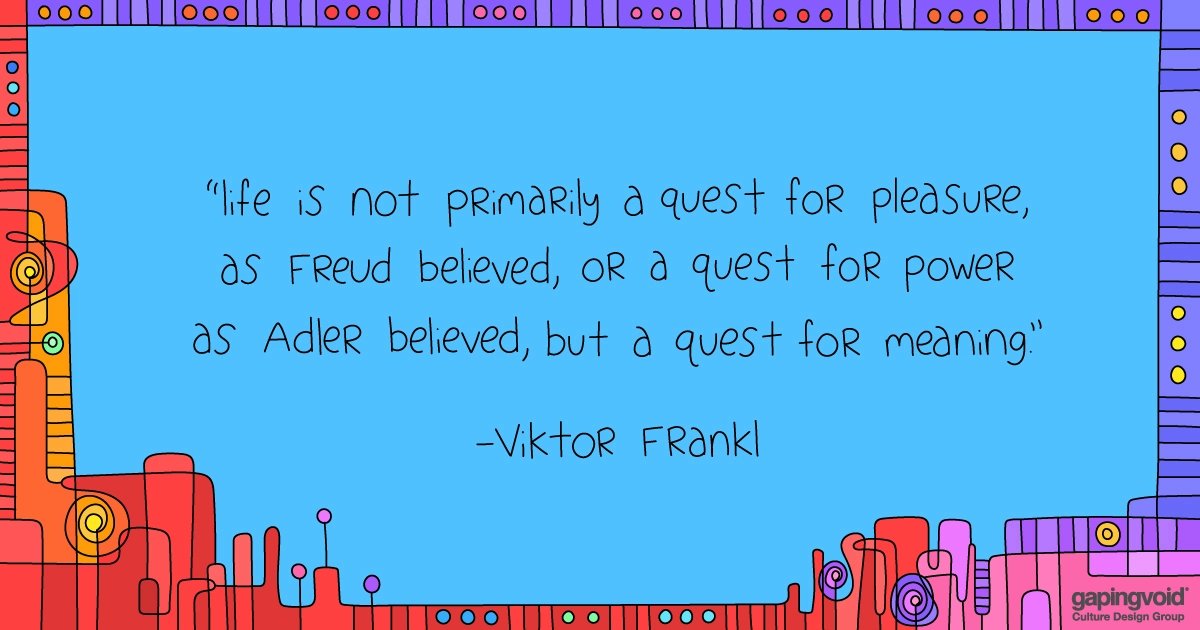
A key role of a change leader is creating meaning for people. If change isn't meaningful, people won't engage. Resistant behaviour may be an indicator of missing relevance/meaning. The search for meaning is a big driver of human experience https://t.co/CfQ7janT4U By @gapingvoid
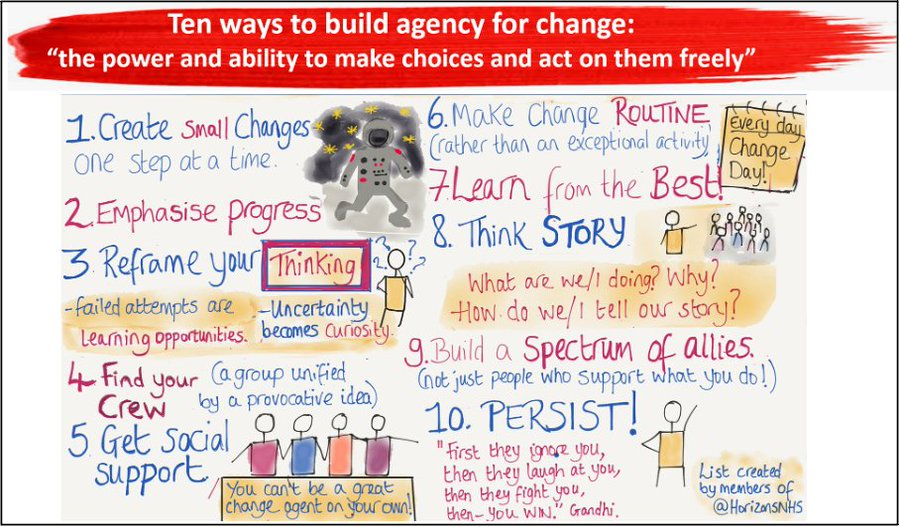
Agency ("power & ability to make choices & act on them freely”) is key to any change process. Lack of it is often why change fails. Yet agency is typically undefined & misunderstood. My latest blog with @goranhenriks for @BMJleader: https://t.co/M2hhl2WNU9 #creatingtomorrowtoday