베센트 재무장관이 1997년 아시아 외환위기를 지금 갑자기 꺼낸 이유
1.
“1990년대 아시아 외환위기는 큰 폭의 엔저가 촉발 요인이 됐다.”
스콧 베센트 미국 재무장관이 미·일 공동개입 직후 꺼낸 말이다.
일본의 물가만 걱정됐다��� 일본은행에 금리를 올리라고
요구하면 된다.
그런데 베센트는 한국 원화와 중국 위안화까지 언급한 뒤
1997년 아시아 외환위기를 경고했다.
미국이 걱정하는 것은 일본의 엔저만이 아니라는 의미다.
미국과 일본이 28년 만에 공동으로 엔화를 매수했지만
시장의 흐름은 아직 달라지지 않았다.
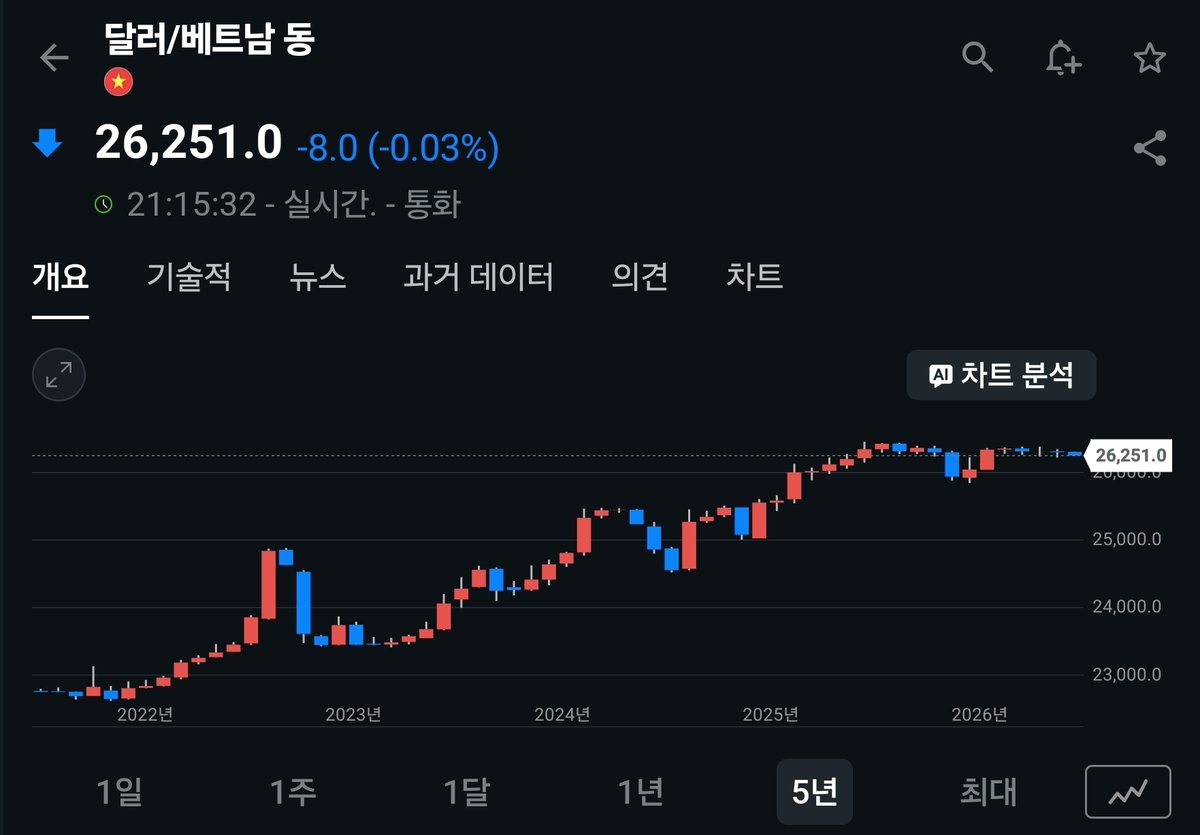
달러당 164엔에 육박했던 엔화는 개입 직후 155엔대 초반까지 올랐지만 다시 157엔대 중반으로 밀렸다.
급격한 엔저를 잠시 멈췄을 뿐,
엔화 매도 추세까지 뒤집지는 못한 것이다.
2.
베센트가 주목하는 것은 엔저가 아시아 전체로 번지는
경로일 가능성이 높다.
엔화가 약해지면 일본 자동차와 기계, 철강, 화학제품의
달러 표시 가격이 낮아진다.
일본과 경쟁하는 한국은 원화 강세를 적극적으로
유도하기 어려워지고,
���화까지 약해지면
중국도 위안화를 강하게 유지하기 부담스러워진다.
세 나라가 의도적으로 환율을 끌어내리지 않더라도
결과적으로 엔화와 원화, 위안화가 함께 약해질 수 있다는 거다.
그러면 충격은 한·중·일과 수출시장에서 경쟁하는
동남아시아로 내려간다.
이미 벌써
인도네시아 루피아는 지난 5년간 약 1만4,000루피아에서
최근 1만8,000루피아를 넘어섰다.
통화가치가 약 20% 이상 떨어진거다.
더 큰 문제는 금리다.
외국인 자금이 빠져나가면서
인도네시아 10년물 국채금리도 7.2~7.3% 수준까지 상승했다는 것.
이미 흔들리는 국가에 동북아의 통화 약세까지 더해지면
수출 경쟁력과 자본 흐름은 더욱 나빠질 수 있다.
3.
통화가 약해지면 외국인은 현지 채권을 팔고 달러를 사게 된다.
연 7%의 이자를 받아도 통화가 달러 대비 10% 하락하면
손��이기 때문이다.
이렇게 외국인도 빠져나가면 통화가치는 더 떨어지고
에너지와 식량을 비롯한 수입물가는 더 오른다.
그러면
중앙은행은 물가와 자본 유출을 막기 위해
금리를 올려야 하지만,
금리를 올리면 안그래도 힘든 기업과 가계의 이자 부담이 커지고 경기는 더 나빠진다.
반대로 금리를 내리면 자금 유출과 통화 약세가 심해진다.
동남아시아 국가들의 상황이 꽤나 어려워지고 있는 것이다.
그런데 이게 미국이 두려워하는 상황이 될 수 있다.
과거를 보면...
1997년 외환위기도 태국에서 시작됐지만
인도네시아와 말레이시아, 필리핀을 거쳐 한국으로 번졌다.
이후 러시아 금융위기와 LTCM 사태까지 이어지며 미국 금융시장도 흔들었다.
베센트는 지금 이 전염 경로가 다시 열릴 가능성을
경계하고 있는 것이다.
4.
미국이 일본부터 움직인 이유도 여기에 있다.
엔화가 안정돼야 원화와 위안화의 약세 압력이 줄고,
그래야 동남아 국가들도 추가적인 통화 절하 압력에서
벗어날 수 있다.
일본이 아시아 환율시장의 첫 번째 방화벽인 셈이다.
반대로 엔저가 계속���면 아시아 전체가 달러 확보 경쟁에
들어갈 수 있다.
각국이 통화를 방어하기 위해 외환보유액을 사용하면
미 국채를 비롯한 달러 자산의 매도 압력도 커진다.
여기에 일본은행이 뒤늦게 금리를 급격히 올리면
엔캐리 청산까지 시작된다.
일본 자금이 해외 주식과 채권을 팔고 본국으로 돌아가면
미국 장기금리와 금융시장도 충격을 피하기 어렵다.
동남아에서 시작된 불이 한·중·일을 거쳐 미국까지
올라오는 것이다.
5.
이번 미·일 공동개입은 그 불길을 막기 위한 응급조치에 가깝다.
하지만 미국은 달러가 아니라 유로를 팔아 엔화를 샀다.
강달러 정책은 유지하면서 일본을 돕기 위한 선택이었지만,
달러·엔 환율을 직접 끌어내리는 힘은 상대적으로 약했다.
결국 개입은 시간을 벌었을 뿐이다.
그래서 지금
베센트가 일본에 원하는 것은 급격한 금리 인상이 아니다.
일본은행은 금리를 점진적으로 정상화하고,
다카이치 정부는 감세와 재정 확대를 조절해
엔화를 안정시켜야 한다는 요구에 가깝다.
금리를 너무 빨리 올리면 엔캐리가 한꺼번에 청산되고,
계속 미루면 엔저가 아시아 전체의 통화 약세로 번진다.
베센트가 1997년을 꺼낸 이유가 바로 여기에 있다.
미국은 일본을 구하려는 것이 아니다.
엔화를 방화벽으로 세워 아시아의 통화와 채권시장 불안이
미국 금융시장까지 번지는 것을 막으려는 것이다.
결국 지금 불이 아시아 지역 어딘가부터
이미 붙었다는 뜻일 수도 있다.
윤선주, 업비트 CBIO :
"한국의 원화 스테이블코인이 한국에서 어떻게 작동할지에 대한 큰 논쟁이 있습니다.
말씀하신 대로, 한국은 금융 시스템, 결제 시스템 등 모든 것이 이미 매우 잘 발달되어 있거든요.
이제 한국 사람들은 지갑이나 현금을 거의 가지고 다니지 않아요. 휴대폰 하나만 있으면 되죠.
그래서 이 문제는 계속되는 대화 중 하나이고, 많은 사람들이 이야기하고 있지만,
아마도 앞으로 열릴 수 있는 한국 시장의 잠재력 중 하나일 뿐일 거예요."
"2025년 말 무렵 한국 상황이 그렇게 좋지 않았음에도 불구하고,
여전히 거래량, 특히 암호화폐 거래량이 1.5조 달러에 달했습니다.
그리고 한국 거래소에 등록된 계좌 수가 2,500만 개인데,
우리나라 전체 인구가 5,200만 명이거든요.
그래서 계산해 보시면 아시겠죠."
https://t.co/jvZbEFNytj
https://t.co/jvZbEFNytj
> 많은 사람들이 블록체인 매스어돕션을 이야기하면 금융 인프라가 부족한 국가를 먼저 떠올립니다.
은행이 부족하고, 송금이 불편하고, 결제가 느린 국가일수록 블록체인이 빠르게 자리 잡을 것이라고 생각합니다.
하지만 저는 반대로 실제 서비스를 만드는 프로젝트 입장에서는 한국이 오히려 훨씬 매력적인 시장일 수도 있다고 생각합니다.
PMF(Product-Market Fit)는 결국 좋은 기술을 만드는 것이 아니라, 사람들이 실제로 사용하는 서비스를 만드는 과정이고
그 과정에서 가장 중요한 것은 기술이 아니라 사용자의 습관이기 때문입니다.
한번도 서비스를 안써본 사람이 새로운 기술을 쓸 가능성보다.. 새로운 서비스를 써 본 사람이 더 새로운 기술을 쓸 가능성이 더 큰 법이죠.
한국 사람들은 이미 디지털 금융에 익숙합니다.
휴대폰으로 송금하는 것이 당연하고,
QR 결제도 자연스럽고,
간편결제도 일상이 되었습니다.
즉, 한국은 블록체인이 사람들의 행동을 통째로 바꾸어야 하는 시장이 아니라, 이미 만들어져 있는 행동 위에 새로운 인프라를 올리기만 하면 되는 시장이라는 것입니다.
앞으로 원화 스테이블코인이 제도권 안에서 자리 잡기 시작한다면,
블록체��은 더 이상 투자 상품만이 아니라 실제 서비스의 기반 인프라가 될 가능성이 있습니다.
결제,
송금,
콘텐츠,
게임,
쇼핑,
멤버십,
포인트,
증권,
자산관리까지.
사용자는 블록체인을 사용하고 있다는 사실조차 의식하지 못한 채 서비스를 이용하게 될 수도 있죠.
"코인을 얼마나 많이 거래하게 만들 것인가"를 고민하는 프로젝트가 아니라,
"얼마나 많은 사람들이 매일 사용하는 서비스를 만들 것인가"를 고민하는 프로젝트라면
한국은 어떤 나라보다 실제 사용자 기반을 검증할 수 있는 최고의 PMF 시장이 될 거라고 생각하고
실제 사용자 확보 전략의 핵심 시장으로 바라보는 프로젝트들이 더 많이 등장할 것이라고 생각합니다.
어쩌면 블록체인의 진짜 매스어돕션은 개발도상국이 아니라, 이미 디지털 금융이 일상이 된 한국 같은 나라에서 가장 먼저 시작될지도 모르겠습니다.
1/
많은 글에서 볼 수 있듯이 Open USD(OUSD)는 단순히 새로운 스테이블코인이 하나 더 나온 것이 아니라, 스테이블코인이 돈을 버는 구조 자체를 바꾸는 시도이자..
테더와 써클의 현재 수익 구조를 바꾸지 않는다면, 테더와 써클의 스테이블 코인 점유율도 뒤바꿀 큰 사건입니다.
이 발표의 의미를 이해하려면 먼저 지금의 스테이블코인 시장을 볼 필요가 있습니다.
2/
올해 초 기준으로 스테이블코인 발행사들의 수익은 정말 압도적입니다.
Tether는
- 월 약 8,810억 원
- 연 약 10조 5,800억 원
Circle은
- 월 약 3,150억 원
- 연 약 3조 7,800억 원
정도의 수익을 거두고 있습니다.
둘을 합치면 연간 14조 원이 넘는 규모죠.
이 정도면 뭐.. 웬만한 대기업 하나의 영업이익과 맞먹는 수준입니다.
3/
이 막대한 돈은 어디서 나오는 걸까요?
사실 구조는 굉장히 단순��니다.
사용자가 1달러를 입금하면,
발행사는 1개의 스테이블코인을 발행합니다.
그리고 발행사는 사용자로부터 받은 1달러를 그냥 금고에 보관하는 것이 아니라,
미국 국채(T-Bills)와 같은 안전자산에 투자합니다.
2023년부터 이어진 고금리 환경에서 미국 단기국채 수익률은 약 4~5% 수준을 유지했습니다.
결국 수천억 달러 규모의 ��비금에서 발생하는 이자가 그대로 발행사의 수익이 된거죠
4/
문제는 이 돈이 어디로 흘러가느냐입니다.
이 수익은 블록체인 생태계에서 만들어진 돈입니다.
거래소가 스테이블코인을 사용하고,
DeFi가 스테이블코인을 사용하고,
수많은 사용자와 기업이 스테이블코인을 사용한 결과 만들어진 자본이죠.
하지만 그렇게 만들어진 수익은 대부분 발행사로 귀속됩니다.
그 수익은 오롯이 회사 운영, 주주, 사업 확장 등에만 사용됩니다.
블록체인 생태계로 다시 돌아오는 돈은 많지 않죠.
5/
그래서 지난 몇 년 동안
이 꿀통을 보고만 있을 수 없다던 수많은 프로젝트들이
"우리도 스테이블코인을 만들겠다."
고 도전했습니다.
하지만 그들도 결국
발행사만 바뀌었을 뿐 구조는 그대로 였습니다.
Circle 대신 다른 회사가,
Tether 대신 다른 회사가
준비금 수익을 가져가는 구조였을 뿐이죠
6/
그런데 이번에 발표된 Open USD는 조금 다른 접근을 합니다.
가장 큰 특징은
준비금에서 발생하는 수익을 발행사가 독점하지 않는다는 것입니다.
운영에 필요한 최소한의 관리 비용을 제외한 나머지 수익은
Open USD를 사용하는 파트너 기업들에게 돌아가는 구조를 만들었습니다.
즉,
스테이블코인을 사용할수록
그 생태계에 참여한 기업들도 함께 경제적 이익을 얻는 구조인 겁니다.
7/
이번 발표에 140개 이상의 글로벌 기업, 기관이 붙었던 이유는 이 구조 때문이죠.
그리고
Visa,
Mastercard,
Stripe,
BlackRock,
BNY,
Google,
Shopify,
Coinbase,
Solana 등
140개 이상의 글로벌 기업과 기관이 함께 참여했다는 점이 중요합니다.
충분히 세상에 크게 영향을 줄 수 있는, 규모의 경제가 가능한 기업들이 모였기 때문입니다.
이들은 단순히 새로운 스테이블코인을 하나 도입하는 것이 아니라,
준비금에서 발생하는 경제적 가치를 함께 공유하는 생태계를 만들겠다는 데 뜻을 모은 것입니다.
8/
여기까지 정리하면
Open USD는 블록체인 생태계가 만든 가치를 생태계 참여자들과 다시 나누는 구조를 제안합니다.
그런데 여기서 끝이 아닙니다.
준비금에서 발생한 수익을 공유받은 기업들은 그 경제적 가치를 다시 사용자들에게 돌려줄 유인이 생깁니다.
더 낮은 수수료,
더 높은 캐시백,
더 좋은 리워드,
더 빠른 정산,
더 높은 예치 이자.
기업들은 같은 서비스를 제공하더라도 더 많은 혜택을 줄 수 있게 됩니다.
사용자는 '블록체인을 쓰자'가 아니라 '더 좋은 서비스를 쓰자'는 선택을 하게 될 것입니다.
인터넷 경제의 역사는 항상 더 저렴하고, 더 편리하며, 더 많은 가치를 돌려주는 시스템이 기존 시스템을 대체해 왔습니다.
만약 Open USD가 이러한 가치의 선순환을 실제로 만들어낸다면,
앞으로 경쟁은 단순히 누가 더 많은 스테이블코인을 발행하느냐가 아니라,
누가 더 많은 경제적 가치를 생태계와 사용자에게 환원하느냐로 바뀔 것입니다.
이것이 OUSD가 가진 가장 중요한 의미이자, 블록체인이 기존 인터넷 금융 인프라를 넘어설 수 있는 하나의 전환점이 될 가능성이 있다고 생각합니다.
Arcium × @BinanceWallet Booster Campaign is live.
Eligibility: Binance Wallet MPC Wallets with at least 2 Alpha Points.
Rewards: 1,500,000 ARX for 50,000 Winners
To join, go to Binance Wallet App - Discover - Booster - Arcium Booster Campaign.
1/ 불과 몇 년 전까지만 해도 대부분의 코인은 사실상 밈코인과 크게 다르지 않았다.
겉으로는 거대한 비전과 네러티브가 붙어 있었지만, 실제로 할 수 있는 일은 거의 없었다. 사고, 들고, 누군가 더 비싸게 사주길 기다리는 것. 본질은 그게 전부였다.
이는 코인 시장 참여자들이 비이성적이어서 만이 아니었다. 당시 코인 자체는 ��치평가의 대상이 아니었기 때문이다.
현금흐름도 없고, 유틸리티도 없고, 보유해야 할 경제적 이유도 약했다.
가격은 있었지만, 합리적으로 그 가치를 측정할 구조는 없었다.
즉, 당시 대부분의 코인은 사업처럼 분석할 수 있는 자산이 아니라 기대를 거래하는 자산에 가까웠던 것이다.
가치보다 분위기가 중요했고, 펀더멘털보다 네러티브가 중요했다.
그런 시장에서 가격은 올라갈 수는 있어도, 가치 평가될 수는 없었다.
2/ 이 흐름을 바꾼 것은 DeFi였다.
DeFi 붐 이후 비로소 코인은 단순한 거래 대상에서 네트워크 안의 생산적 자산으로 변하기 시작했다.
유저들은 코인을 특정 플랫폼에 예치하면 이자를 받을 수 있었고, 스테이킹하면 보안, 거버넌스, 수수료 분배, 특정한 경제적 권리와 연결되기 시작했다.
이건 단순한 기능 추가가 아니었다.
크립토 ��산은 Defi가 생기면서 처음으로 “보유함으로써 발생하는 효용”을 갖기 시작했다.
가격 상승에만 의존하던 자산이, 이제는 자산 자체로 수익과 권리를 만들어내기 시작한 것이다.
3/ 그리고 더 중요한 변화는 그 다���에 찾아왔다.
유저들은 특정 플랫폼들의 서비스를 돈을 주고 소비하기 시작했고, 그 특정 플랫폼들은 수익이 생기기 시작한 것이다.
그렇게.. 일부 프로토콜과 프로젝트가 의미 있는 규모의 수익을 만든 것을 넘어.. 이제는 상당한 규모의 현금흐름을 발생시키는 프로토콜들이 등장하고 있다.
즉 우리는 이제 처음으로 크립토 안에서 “지속 가능한 수익을 내는 회사”에 가까운 대상을 이야기할 수 있게 됐다.
이 지점이 중요하다.
사람들이 놓치는 건, 크립토가 여전히 전부 같은 자산군이 아니라는 사실이다.
겉으로는 다 토큰처럼 보이지만, 실제로는 전혀 다르다.
어떤 것은 여전히 순수한 기대의 자산이고, 어떤 것은 이미 사용되고 있으며, 어떤 것은 실제 수익을 만들고 있다.
문제는 시장이 이 차이를 아직 충분히 가격에 반영하지 못하고 있다는 데 있다.
4/ 그 이유는 어렵지 않다.
이런 종류의 자산이 등장한 지 자체가 너무 얼마 안되었기 때문이다.
코인에 유틸리티가 생긴 것도 불과 5년도 안 된 이야기고,
프로토콜이 의미 있는 수익을 만들기 시작한 것 역시, 3년도 안 된 이야기다.
당연히 이에 대한 가치평가 기준은 충분히 축적되어 있지도 않고, 이런 수익 기준의 가치평가 접근 방식을 그저 수많은 가치평가 중 하나로만 어렴풋이 알고 있다.
비교할 역사도 짧고, 데이터도 부족하고, 시장 전체가 여러 사이클을 아직 충분히 겪지 못했다.
그래서 지금의 가격은 종종 비합리적이다.
수익을 내는 자산이 여전히 밈처럼 거래되기도 하고, 반대로 실제 귀속 가치가 약한 자산이 과도한 프리미엄을 받기도 한다.
평가 프레임이 아직 초기 단계이기 때문이다.
수익으로 평가한다는 개념 자체가 이제 막 시장에 들어오고 있는 셈이다.
5/ 하지만 바로 그래서 기회가 크다.
시장은 늘 새로운 대상을 처음 평가할 때 가장 서툴다.
초기 인터넷 기업이 그랬고, 초기 SaaS 기업이 그랬듯, 지금의 온체인 현금흐름 자산도 비슷한 과정을 지나고 있다.
초기에는 모두가 가격만 보지만, 시간이 지나면 구조를 보기 시작한다.
초기에는 내러티브가 지배하지만, 결국에는 현금흐름과 귀속 구조가 더 중요해진다.
그리고 이 변화는 앞으로 더 빨라질 가능성이 높다.
기관 투자자가 늘어나고, 주식 시장식 분석에 익숙한 자본이 들어오고, 단기 트레이더가 아니라 장기 보유를 전제로 하는 투자자들이 늘어날수록 시장은 자연스럽게 다른 질문을 하기 시작할 것이다.
이 자산은 실제로 얼마를 버는가.
그 수익은 얼마나 지속 가능한가.
그 현금흐름은 누구에게 귀속되는가.
토큰은 그 가치와 실제로 연결되어 있는가.
이건 단순히 투자자의 성향 변화가 아니다.
시장 전체의 해석 프레임이 바뀐다는 뜻이다.
지금까지는 유동성, 네러티브, 상장, 모멘텀이 가격을 설명했다면.. 앞으로는 매출과 수익, 수익 귀속 구조, 토크노믹스가 점점 더 중요한 변수로 올라오게 될 것이다.
즉 크립토도 점차 “얼마나 뜨거운가”가 아니라 “무엇을 남기는가”로 평가받기 시작할 것이다.
물론 이 과정은 단번에 오지 않는다.
크립토는 여전히 변동성이 크고, 인센티브 왜곡이 많고, 회계와 공시 기준도 불완전하다.
전통 시장의 가치평가 프레임을 그대로 이식할 수 있는 영역도 아니다.
하지만 중요한 건, 완벽한 기준을 갖고 있느냐가 아니다.
6/ 중요한 건, 시장이 분명히 그 방향으로 가고 있다는 점이다.
결국, 전통 플레이어들의 온체인 금융 진입이 늘어남에 따라.. 그들이 금융을 바라보는 시선에 맞게.. 크립토의 더 많은 자산을 가치 평가하게 될 것이다.
그리고 그 가치 평가의 핵심에는 결국 현금흐름이 있을 것이다.
실제 수익을 만들고, 그 수익이 지속 가능하며, 그 가치가 토큰 보유자에게 정렬되는 구조를 가진 프로젝트들은 시간이 갈수록 지금과는 다른 방식으로 재평가될 가능성이 높다.
시장 자체가 이제 막 투기 중심의 해석에서 자본시장적 해석으로 이동할 가능성이 높기 때문이다.
아직은 초기다.
그래서 기준도 불완전하고, 가격도 비합리적이다.
하지만 초기이기 때문에 오히려 왜곡이 크고, 왜곡이 크기 때문에 기회도 크다.
지금은 코인을 모두 같은 방식으로 볼 시점이 아니다.
이제부터는 구분해야 한다.
기대만 거래되는 자산과, 실제 사용되는 자산을 구분해야 하고,
사용되는 자산과, 실제 수익이 나는 자산을 구분해야 하며,
그 수익이 홀더들에게 귀속되는 자산을 또 구분해야 한다.
그래야 비로소 가격이 아니라 가치를 논할 수 있다.
크립토의 가치평가는 아직 완성되지 않았다.
하지만 그건 약점만은 아니다.
오히려 지금은 가치평가의 기준 자체가 만들어지는 구간이다.
그리고 ��� 가장 큰 기회는 시장이 아직 무엇을 어떻게 평가해야 하는지 잘 모를 때 생긴다.
즉 지금 크립토에서 중요한 건 단순히 무엇이 오를지를 맞히는 것이 아니다.
무엇이 결국 평가될 자산인지를 먼저 알아보는 것이다.
시장은 아직 흥분을 더 빨리 가격에 반영한다.
하지만 시간이 지날수록, 그리고 자본이 성숙해질수록, 결국 현금흐름은 무시하기 어려운 기준이 된다.
크립토의 본질적 재평가는 아마 그때부터 본격적으로 시작될 것이다.
패시브 이자 혜택만 빼고 CLARITY 법안을 수용하면, 토큰화를 넘어 블록체인 대중화가 이루어질 수 있다는 기대가 있다.
그런데 브라이언 암스트롱은 왜 자꾸 이 지점에서 협상에 매달릴까. 이걸 이해하려면 원론적인 ‘달러 vs 스테이블코인’ 구도로 보면 안 된다. 오히려 지금 봐야 할 것은 USDC와 USDT의 경쟁 구도다.
많은 사람들은 이 사안을 이렇게 본다. 스테이블코인 규제가 제도권 편입을 앞당기고, 그 과정에서 코인베이스나 서클 같은 미국 기업들이 결국 수혜를 볼 것이라고 생각한다. 표면적으로는 맞는 말처럼 들린다. 규제가 들어오면 신뢰가 생기고, 신뢰가 생기면 자금이 들어오고, 자금이 들어오면 시장이 커질 수 있기 때문이다.
그런데 사람들이 놓치는 건, 모든 규제가 모든 사업자에게 똑같이 유리하게 작동하지는 않는다는 점이다. 규제는 시장 전체를 키우는 장치이기도 하지만, 동시에 특정 수익모델을 제거하고 특정 플레이어의 경쟁력을 깎아내리는 장치이기도 하다. 문제는 이번 패시브 이자 이슈가 단순히 “스테이블코인을 더 안전하게 만들자”는 차원의 이야기가 아닐 수도 있다는 데 있다. 이건 USDC의 디파이 내 경쟁력을 직접 건드리는 사안으로도 볼 수 있다.
이 사안을 달러와 스테이블코인의 대결로 보면 핵심을 놓치기 쉽다. 겉으로는 “전통 금융 질서와 블록체인의 충돌”처럼 보이지만, 보이지 않는 뒷면의 실제는 스테이블코인 내부의 점유율 경쟁, 더 구체적으로는 USDC와 USDT 중 누가 디파이에서 더 유��한 달러 자산으로 남느냐의 문제일 가능성이 있다.
왜냐하면 패시브 이자의 유무는 단순한 부가 기능이 아니라, 스테이블코인을 왜 보유하느냐에 대한 동기를 바꾸기 때문이다. 스테이블코인을 들고 있는 사람은 크게 두 부류로 나뉜다.
결제를 위해 잠시 들고 있는 사람과, 수익을 얻기 위해 비교적 오래 들고 있는 사람��다. 후자에게 중요한 것은 ‘안전자산처럼 보이느냐’만이 아니다. 보유했을 때 실제로 경제적 효용이 있느냐다.
만약 USDC 쪽의 패시브 이자 구조가 강하게 제한되거나 사실상 불리해진다면, 시장은 그걸 단순한 규제 뉴스로 받아들이지 않을 수 있다.
디파이 안에서 자산은 이념이 아니라 수익률과 유동성을 따라 움직인다. 이 경우 일부 예치자들은 “굳이 수익 기회가 줄어든 USDC를 계속 들고 있을 이유가 있느냐”는 판단을 할 수 있다. 그리고 그 순간 비교 대상은 은행 예금이 아니라, 같은 디파이 안에서 여전히 더 많은 활용성과 수익 기회를 제공하는 다른 스테이블코인, 즉 USDT가 된다.
물론 이걸 너무 극단적으로 말할 필요는 없다. “USDC에서 자금이 바로 대규모 이탈한다”거나 “USDT가 즉시 모든 수혜를 가져간다”고 단정하는 건 과한 해석일 수 있다.
실제 결과는 법안 문구, 등록 요건, 예외 조항, 상품 구조, 디파이 프로토콜의 대응 방식에 따라 달라질 것이다.
다만 적어도 하나 분명한 것은 있다. 패시브 이자 제한은 스테이블코인의 본질을 건드린다기보다, 특정 스테이블코인의 경쟁력을 건드리는 방식으로 작동할 수 있다.
여기서 ���라이언 암스트롱의 이해관계를 같이 봐야 한다.
많은 사람들은 그를 블록체인 산업 전체를 대변하는 전사처럼 본다. 실제로 그런 역할을 하는 측면도 있다.
하지만 동시에 그는 매우 큰 이해관계를 가진 사업자이기도 하다. USDC의 성장과 유통, 그리고 그 위에서 파생되는 수익 구조는 코인베이스에게 무시할 수 없는 사업 축이다.
그렇다면 그가 패시브 이자 조항에 민감하게 반응하는 이유를 “산업 전체의 미래를 지키기 위해서”라고만 읽는 것은 반쪽짜리 해석일 수 있다.
다르게 볼 수도 있다. 브라이언이 지금 협상에 적극적인 이유는 단지 원칙의 문제가 아니라, USDC의 구조적 매력을 훼손하는 규제는 결과적으로 코인베이스와 서클의 경제적 위치를 약화시킬 수 있기 때문이라고 볼 여지도 있다.
다시 말해, 그는 블록체인의 미래를 말하고 있지만, 동��에 USDC의 미래를 방어하고 있는 것일 수도 있다.
이 지점에서 더 중요한 건 선악 구도가 아니다. 브라이언이 틀렸다는 것도 아니고, 반대로 순수한 사명감만으로 움직인다고 보는 것도 정확하지 않을 수 있다.
본질은 정책 논쟁이 원칙의 언어로 포장될 때, 그 뒤에 있는 자산 간 경쟁과 사업자의 수익모델까지 같이 봐야 한다는 것이다. 그래야 이 사안을 더 현실적으로 읽을 수 있다.
만약 이 사안을 한쪽 사이드에서만 보면, 우리는 브라이언 암스트롱을 ‘블록체인 대중화를 가로막는 사람’ 혹은 반대로 ‘산업을 지키는 영웅’ 중 하나로만 보게 된다.
하지만 현실은 그보다 훨씬 더 복잡하다. 그는 산업을 말하면서도 자기 비즈니스를 방어하고 있을 수 있고, 규제 당국은 안전을 말하면서도 특정 시장 구조를 재편하고 있을 수 있다. 그리고 그 사이에서 실제로 이동하는 것은 결국 자본과 유동성이다.
그래서 이 사안은 “패시브 이자를 허용하느냐 마느냐”의 문제가 아니다. 더 정확히 말하면, 디파이에서 어떤 달러가 더 매력적인 자산으로 남을 것이냐의 문제다. 패시브 이자가 줄어든 USDC가 제도권 친화성은 얻을 수 있어도, 디파이 안에서의 경제적 매력을 잃는다면 그 공백은 다른 누군가가 가져갈 가능성이 있다. 그리고 그 가장 유력한 후보가 USDT라는 ��석은 충분히 가능하다.
결국 중요한 건 이것이다.
이 논쟁을 “달러와 스테이블코인의 싸움”으로 보면 표면만 보게 된다. 지금 봐야 할 것은 USDC와 USDT 사이의 미묘한 힘의 이동이다.
규제는 시장을 키울 수도 있다. 하지만 동시에 시장 안에서 누가 이기고 누가 밀려나는지도 다시 정한다. 이 사안을 객관적으로 보려면, 블록체인 서사보다 먼저 이해관계와 경쟁 구도를 봐야 한다. 그래야 비로소 누가 무엇을 지키려 하는지, 그리고 왜 이 패시브 이자 조항 하나에 이렇게 민감한지가 ���이기 시작한다.
[CLARITY Act는 왜 중요한가]
1/ 미국이 크립토를 제도권 금융 안으로 넣기 위해 필요한 첫 번째 규칙
CLARITY Act는 단순히 크립토를 허용해주는 법안이 아닙니다.
이 법안의 본질은 미국이 디지털 자산을 어떤 규칙으로 다룰지 큰 틀을 정하는 것에 있습니다.
지금까지 미국 크립토 시장은 매우 애매한 상태에 있었습니다.
같은 토큰을 두고도 어떤 경우에는 증권처럼 보고, 어떤 경우에는 상품처럼 보며, 어느 기관이 감독해야 하는지도 분명하지 않은 일이 반복됐습니다. 이 때문에 기업은 무엇이 합법인지 확신하기 어려웠고, 기관투자자도 쉽��� 들어오기 힘들었습니다.
CLARITY Act는 이런 혼란을 줄이기 위해, SEC와 CFTC의 역할을 보다 선명하게 ��누고 디지털 자산 시장의 구조를 제도권 안에서 정리하려는 법안입니다.
쉽게 말하면, 이 법안은
“이 토큰은 무엇인가”
“누가 감독하는가”
“어떤 거래소와 어떤 방식으로 거래할 수 있는가”
를 미국식 제도 안에서 정리하려는 시도입니다.
그래서 이 법안은 크립토 업계만의 문제가 아니라, 미국이 앞으로 온체인 금융을 금융시스템 안에 어떤 형태로 편입할 것인가를 결정하는 매우 중요한 출발점에 가깝습니다.
금융은 발행, 거래, 보관, 정산이 각각 다른 규칙과 다른 기관 위에서 돌아갑니다. 그런데 디지털 자산과 토큰화가 커질수록, 기존 금융 시스템과 블록체인 시스템이 서로 연결되는 지점이 점점 많아집니다.
이때 규칙이 없으면 거래소도 움직이기 어렵고, 자산운용사도 상품을 만들기 어렵고, 은행도 보관 서비스를 붙이기 어렵습니다. 반대로 규칙이 생기면, 전통 금융기관은 “이제 이 범위 안에서는 사업을 해도 된다”는 신호를 받게 됩니다.
CLARITY Act의 의미는, 단순히 크립토 투자자를 위한 법이 아니라 미국이 디지털 자산과 토큰화를 금융 인프라 안으로 넣을 준비를 시작하는가에 가깝습니다.
2/ CLARITY Act는 어디서 시작됐고 지금 어디까지 왔는가
CLARITY Act는 2025년 5월 하원 금융서비스위��회와 하원 농업위원회 지도부가 공개한 시장 구조 법안입니다. 이 법안은 2024년 하원을 통과했던 FIT21의 연장선상에 있는 후속 프레임워크로 볼 수 있습니다. 목표는 분명했습니다. 미국 디지털 자산 시장에 대해 연방 차원의 비교적 통합된 규칙을 만드는 것이었습니다.
이후 2025년 6월 하원 금융서비스위원회와 하원 농업위원회를 각각 통과했고, 2025년 7월에는 하원 본회의도 통과했습니다. 즉, 이 법안은 아직 아이디어 단계가 아니라, 이미 하원 단계를 넘어서 상원 처리만 남은 핵심 법안입니다.
상원에서는 2026년 1월 상원 은행위원회가 이 법안을 다루기 위한 마크업을 예고했지만, 직전 연기됐습니다. 이후에도 협상은 계속 이어지고 있으며, 최근까지도 주요 쟁점 조정이 진행 중입니다.
(여기서 말하는 “마크업”은 무엇인가
마크업(markup)은 의회에서 법안을 실제로 손질하는 단계입니다.
쉽게 말하면 “법안에 대해 의견만 말하는 단계”가 아니라,
조항을 추가하고, 빼고, 문구를 고쳐서 실제 표결 가능한 형태로 만드는 공식 심사 절차입니다.
비유하면 이렇습니다.
청문회는 의견을 듣는 자리입니다.
마크업은 법안 본문을 직접 수정하는 자리입니다.
본회의 표결은 그 수정된 법안을 전체가 최종 찬반하는 단계입니다.
그래서 “상원 Banking Committee 마크업”이 중요하다는 말은,
단순히 회의를 한 번 여는 문제가 아니라
이 법안이 다음 단계인 상원 본회의 표결로 넘어갈 준비를 끝낼 수 있느냐의 문제를 뜻합니다.)
3/ 지금 왜 4월 중순이 중요하게 거론되는가
현재 상원 일정은 매우 빡빡합니다.
게다가 다른 정치·예산 이슈들도 많기 때문에, 디지털 자산 시장 구조 법안이 충분한 시간을 확보하려면 4월 중순 전후까지는 상원 은행위원회 차원의 실질적 진전, 즉 마크업 단계 진입이나 그에 준하는 정리가 나와야 5월 이후 입법 동력을 이어가기 쉽습니다. 상원 일정상 3월 말부터 4월 초, 또 5월 초에도 비워지는 구간이 있어 실제 처리 가능한 창이 넓지 않습니다.
여기서 중요한 점��,
이것이 법에 적힌 공식 마감일은 아니라는 것입니다.
하지만 정치와 입법은 법률 문구보다도 일정과 순서가 더 중요하게 작동하는 경우가 많습니다. 4월 중순까지 뚜렷한 진전이 없으면, 이후에는 다른 현안과 선거 국면이 겹치면서 법안이 오랫동안 지체될 가능성이 높아집니다.
이 법안이 해결하려는 핵심 문제는 무엇인가
CLARITY Act의 핵심은 크립토 시장을 무작정 키우자는 것이 아닙니다.
오히려 지금처럼 애매한 상태를 끝내고, 누가 무엇을 감독하는지 분명히 하자는 데 있습니다.
현재 미국에서는 어떤 디지털 자산은 SEC가 증권처럼 보고, 어떤 것은 CFTC가 상품처럼 보며, 이 경계가 불분명해 업계와 투자자 모두가 혼란을 겪어 왔습니다. CLARITY Act는 이 경계를 보다 선명하게 만들고, 디지털 자산 거래소·브로커·딜러·수탁 구조를 보다 명문화하려는 방향을 가집니다.
또한 프로젝트 공시, 고객 자산 보관, 거래 인프라, 시장 감독 같은 부분도 제도권 프레임 안으로 넣으려는 성격이 있습니다.
즉, 지금까지는 소송과 집행 중심으로 규제가 작동했다면, 이 법안은 그것을 사전적 규칙과 등록 체계로 바꾸려는 시도라고 볼 ��� 있습니다.
4/ 최근까지 가장 큰 쟁점: 스테이블코인 수익 문제
최근까지 법안 진전을 막아온 대표적 쟁점 중 하나는 스테이블코인 yield, 즉 스테이블코인을 보유하거나 사용하는 과정에서 지급되는 이자·보상 문제였습니다.
은행권은 이런 구조가 전통적인 예금과 경쟁하며 자금을 빼갈 수 있다고 우려했고, 크립토 업계는 이런 보상을 과도하게 막으면 사용자 유인과 혁신을 제한한다고 반발했습니다. 실제로 2026년 2월 백악관 주재 회동에서도 이 문제가 핵심 충돌 지점 중 하나였던 것으로 보도됐습니다.
최근에는 상원의 핵심 인사들 사이에서 일정 수준 타협이 진전되고 있다는 보도가 나왔습니다. 다만 이를 “완전 해결”이라고 단정하기보다는, 가장 큰 걸림돌 중 하나가 이전보다 완화됐다고 보는 편이 더 정확합니다.
5/ 아직 남아 있는 쟁점들
스테이블코인 문제 외에도 남은 쟁점은 있습니다.
첫째는 DeFi를 어디까지 규제할 것인가입니다.
소프트웨어 개발, 지갑 개발, 프로토콜 운영 같은 활동과 실제 중개 행위를 어디서 구분할지가 여전히 민감합니다.
둘째는 윤리와 이해충돌 문제입니다.
정치권 일부에서는 법안이 특정 이해관계자나 고위 공직자에게 유리한 틈을 만들 수 있다는 비판도 제기하고 있습니다.
셋째는 ���통 금융기관, 특히 은행권의 반발입니다.
은행 입장에서는 스테이블코인과 토큰화 자산이 예금·결제·보관 기능 일부를 잠식할 수 있기 때문에, 법안 문구 하나하나에 민감하게 반응할 수밖에 없습니다.
6/ 왜 최근 토큰화 청문회가 상징적이었는가
2026년 3월 25일 하원 금융서비스위원회에서는 “Tokenization and the Future of Securities: Modernizing Our Capital Markets” 청문회가 열렸습니다.
여기에 SIFMA, Nasdaq, DTCC, Blockchain Association, Plume Network가 함께 참석했습니다.
이 장면이 중요한 이유는, 월스트리트와 웹3가 같은 테이블에 앉아 토큰화를 더 이상 주변부 실험이 아니라 자본시장의 다음 단계로 이야기하기 시작했다는 점입니다.
논의의 초점도 “이게 가능한가”가 아니라, “기존 자본시장 규칙과 인프라를 어떻게 바꿔야 하는가”로 이동했습니다.
즉, 이 청문회는 온체인 금융이 더 이상 변방의 실험이 아니라, 미국 자본시장 안으로 편입될 준비를 하는 단계에 들어왔다는 상징적 장면으로 볼 수 있습니다.
7/ 정리
CLARITY Act는 미국 역사상 가장 중요한 크립토 법안 중 하나라고 불릴 만합니다.
그 이유는 이 법안이 단순히 코인 산업을 키우기 위한 법이 아니라, 미국이 디지털 자산과 토큰화를 어떤 규칙으로 금융 시스템 안에 넣을 것인가를 정하는 첫 번째 큰 시장 구조 법안이기 때문입니다.
그리고 지금 중요한 이유는, 법안이 이미 하원을 통과한 상태에서 상원만 남아 있기 때문입니다.
여기서 핵심 관문이 바로 마크업, 즉 법안을 실제 표결 가능한 형태로 다듬는 공식 심사 단계입니다. 만약 4월 중순까지 상원에서 뚜렷한 진전이 나오지 못하면, 법안은 법적으로 ���나는 것은 아니더라도 정치 일정과 의회 일정 속에서 오랫동안 지체될 가능성이 높습니다.
결국 지금은 단순히 하나의 크립토 법안을 둘러싼 싸움이 아닙니다.
지금 미국은, 토큰화와 스테이블코인, 그리고 온체인 금융을 제도권 금융의 일부로 받아들일 것인지, 받아들인다면 어떤 규칙 아래서 받아들일 것인지를 결정하는 분기점에 서 있는 것입니다.
블랙록이 토큰화를 반복해서 말하는 이유는 기술을 좋아해서가 아닙니다. 온체인 금융의 설계 권한이 이동하는 순간, 자신들이 그 중심에 설 수 있다고 보기 때문입니다.
많은 사람들은 블랙록의 행보를 이렇게 읽습니다.
거대한 전통 금융도 이제 블록체인의 가능성을 인정했다는 이야기입니다. 이 해석은 맞습니다.
다만 이 정도로 보면 너무 순진합니다. 블랙록은 가능성을 “인정”하는 수준의 회사가 아닙니다. 가능성이 제도와 자본��� 흐름이 될 수 있다고 판단하면, 그 흐름을 자기 쪽으로 굽히는 회사에 가깝습니다.
그 점을 가장 상징적으로 보여준 장면이 비트코인 현물 ETF였습니다.
미국 SEC는 오랫동안 현물 비트코인 ETF를 거절해왔고, 2023년에도 이전까지 수십 건의 신청을 반려한 상태였습니다. 블랙록의 신청이 나온 뒤 시장은 승인 가능성을 다르게 보기 시작했습니다.
당시 시장이 블랙록의 진입을 무겁게 본 이유는 단순했습니다. 블랙록은 ETF 승인 이력에서 압도적인 신뢰를 갖고 있었고, 실제로 2024년 1월 SEC는 블랙록을 포함한 11개 현물 비트코인 ETF를 한꺼번에 승인했습니다. 물론 이 승인은 블랙록 혼자 만든 결과는 아닙니다. 그 전에 그레이스케일 관련 법원 판단이 SEC의 기존 논리를 흔든 것도 큰 배경이었습니다.
하지만 분명한 건, 블랙록의 진입이 이 시장을 ‘주변부의 실험’이 아니라 ‘제도권이 수용 가능한 상품’으로 보이게 만든 결정적 신호였다는 점입니다.
이 대목이 중요합니다.
블랙록은 단지 큰 운용사가 아닙니다. 규제���관이 이해할 수 있는 언어로 상품을 만들고, 제도권이 받아들일 수 있는 형식으로 시장을 포장하고, 기관 자금이 들어올 수 있는 통로를 설계하는 데 익숙한 집단입니다.
그래서 블랙록이 어떤 영역에 들어온다는 건 단순한 사업 확장이 아닙니다. 그 영역이 미국 제도권 금융 안으로 편입될 가능성이 커졌다는 신호입니다.
이건 음모론이 아니라 이해관계의 문제입니다. 규제기관은 무질서를 원하지 않고, 블랙록은 무질서를 규격화된 금융 상품으로 바꾸는 데 가장 능한 플레이어 중 하나입니다.
이 관점에서 보면 블랙록이 왜 Tokenization을 그토록 말하는지도 선명해집니다.
래리 핑크는 2026년 연례서한에서 디지털 지갑으로 결제하듯 투자하는 미래를 말하며, 토큰화가 금융 시스템의 배관을 업데이트할 수 있다고 직접 말했습니다. 이 문장은 기술 찬사가 아닙니다.
투자의 발행, 유통, 접근, 정산을 다시 설계하겠다는 선언에 가깝습니다. 블랙록은 이미 2024년 BUIDL을 내놓으며 토큰화 머니마켓 펀드를 실제 상품으로 만들었고, 그 상품은 온체인에서 존재하는 제도권 달러 수익 자산의 대표 사례가 됐습니다.
여기서 블랙록의 이해관계를 보면 모든 행동이 연결됩니다.
첫째, 블랙록은 자산의 전체 시장을 키우고 싶어 합니다.
��큰화는 투자 단위를 더 작게 만들고, 접근 경로를 더 넓히고, 기존에 유통이 어려웠던 자산까지 시장 안으로 끌어들일 수 있습니다. 이는 블랙록에게 단순한 상품 혁신이 아닙니다. 더 많은 사람, 더 많은 지갑, 더 많은 기관, 더 많은 자산군을 자기 레일 위로 올릴 기회입니다. 핑크가 “쉽게 투자”를 말한 이유는 편의성 그 자체보다, 투자 가능한 풀을 키우는 것에 있습니다.
둘째, 블랙록은 ���품 회사 단에서 금융 운영체제 단으로 올라가고 싶어 합니다.
블랙록은 이미 Aladdin을 통해 기관의 포트폴리오 관리, 리스크, 거래, 운영, 컴플라이언스를 하나의 시스템 안에서 묶어왔습니다. 여기에 Preqin까지 더해 공모시장뿐 아니라 사모시장 데이터와 워크플로까지 깊게 가져가고 있습니다.
이것이 의미하는 건 분명합니다. 블랙록은 단순히 펀드를 파는 회사가 아니라, 자산이 관리되고 연결되고 해석되는 체계 자체를 장악하려는 회사입니다.
토큰화는 이 전략을 더 밀어붙일 수 있는 기회입니다. 자산이 온체인으로 올라갈수록, 그 자산을 어떤 규칙으로 다루고 어떤 시스템으로 연결할지가 더 중요해지기 때문입니다.
셋째, 블랙록은 온체인 금융 안에서 ‘신뢰 가능한 자산 발행자’이자 ‘규제 친화적 관문’의 위치를 원합니다.
온체인 금융이 커질수�� 모든 자산이 무허가 상태로 돌아가지는 않을 가능성이 높습니다. 오히려 규제된 자산, 승인된 지갑, 허용된 참여자, 추적 가능한 거래 구조가 핵심이 될 가능성이 높습니다.
실제로 최근 미국 제도권의 방향은 토큰화를 제도 바깥의 시장으로 놔두기보다, 기존 규칙 안으로 편입하는 쪽에 가깝습니다. 이런 환경에서는 탈중앙의 순도보다 누가 규제된 신뢰를 가장 잘 공급하느냐가 중요해집니다. 그 자리에서 블랙록은 매우 강합니다.
넷째, 블랙록은 Private Markets의 디지털화에서 큰 기회를 봅니다.
상장 주식 몇 종목을 온체인으로 옮기는 것보다 훨씬 큰 시장은 원래 잘게 쪼개기 어렵고 접근이 어려웠던 자산들입니다. 사모대출, 인프라, 부동산, 각종 대체자산은 토큰화될 때 비로소 유통의 문법이 바뀔 수 있습니다.
블랙록이 공모와 사모, 상품과 데이터, 기관 운용과 기술 플랫폼을 함께 쥐려는 이유도 여기에 있습니다. 토큰화는 블랙록에게 새로운 기능이 아니라, 원래 유통이 제한됐던 자산을 자기 방식으로 재편할 수 있는 기회입니다.
이 모든 걸 종합하면, 블랙록이 온체인 금융에서 기대하는 역할도 보입니다.
그들은 단순한 토큰 발행자가 되고 싶은 것이 아닙니다.
자산을 발행하고,
그 자산이 제도권 안에서 유통되게 만들고,
기관 자금이 안심하고 들어올 수 있게 신뢰를 제공하고,
그 위에서 데이터와 리스크 관리까지 통합하는
상위 조정자가 되고 싶어 합니다.
그래서 블랙록을 보면 온체인 금융의 청사진도 보이는데..
앞으로의 온체인 금융은 많은 사람들이 상상하는 것처럼 모든 것이 자유롭게 흩어진 세계가 아닐 가능성이 높습니다. 오히려 블록체인이라는 공공 레일 위에 규제된 자산과 제도권 신뢰가 올라가고, 그 위를 소수의 강한 플레이어가 수직적으로 통합하는 구조에 가까워질 가능성이 높습니다.
사용자는 하나의 지갑이나 앱 안에서 현금을 들고, 토큰화된 머니마켓 펀드에 넣고, ETF나 대체자산에 투자하고, 그 자산을 담보로 대출받고, 필요하면 바로 결제나 현금화까지 하게 될 것입니다.
표면적으로는 단순한 사용자 경험처럼 보이겠지만, 그 뒤에서는 자산운용사, 거래소, 은행, 커스터디, 규제기관, 데이터 플랫폼이 하나의 체계처럼 연결될 가능성이 높습니다. 이 방향은 블랙록의 토큰화 전략과 정확히 맞물립니다.
이 변화에서 중요한 건 기술 자체가 아닙니다.
누가 제도와 자본과 사용자 경험을 하나의 금융 인터페이스로 묶느냐입니다.
블랙록이 중요한 이유도 여기에 있습니다.
비트코인 ETF 사례가 보여준 건 단순한 승인 하나가 아닙니다. 블랙록은 미국 규제기관이 이해할 수 있는 질서, 기관 자���이 받아들일 수 있는 형식, 대중이 사용할 수 있는 인터페이스를 동시에 설계할 수 있는 플레이어라는 점을 보여줬습니다.
그래서 블랙록이 Tokenization을 밀면, 그것은 단순히 한 회사의 사업 방향이 아니라 미국 제도권 금융이 온체인을 어떤 방식으로 받아들일지에 대한 강한 힌트가 됩니다.
ETF에서 그랬듯, 토큰화에서도 블랙록은 “먼저 들어오는 참여자”가 아니라 “제도권 수용의 기준점을 만드는 참여자”가 될 가능성이 높습니다. 이건 앞으로 미국이 온체인 금융을 어떤 모습으로 제도화할지를 읽는 데 매우 중요한 단서입니다.
결국 이렇게 정리할 수 있습니다.
블랙록이 온체인 금융을 말하는 이유는 블록체인이 멋져 보여서가 아닙니다.
온체인 금융이 전통 금융의 다음 운영체제가 될 수 있고, 그 운영체제의 핵심 자리를 자신들이 차지할 수 있기 때문입니다.
그리고 블랙록 같은 집단은 미래를 예측하는 데서 끝나지 않습니다.
자신들의 이해관계에 맞는 미래가 오도록, 실제로 그 방향으로 시장과 제도를 밀어갑니다.
그래서 지금 중요한 질문은
“토큰화가 가능하냐”가 아닙니다.
블랙록이 어떤 온체인 금융 질서를 원하느냐.
그리고 그 질서가 실제 미국 금융의 다음 표준이 될 가능성이 얼마나 크냐입니다.
이런 질문은 앞으로의 온체인 금융을 가장 선명하게 보여줄 겁니다.
이 글은 블랙록을 중심으로 이야기 했지만.. 블랙록 이하의 다른 기관들도 블랙록과 같은 게임 속의 경쟁을 하고 있다고 저는 생각합니다.
저는 '누가' 승자이고 '누가' 이 시��을 먹느냐.. 를 이야기 하는게 아닙니다. 이 시장이 변화될 큰 방향을 이야기 하는 겁니다.
1/
많은 사람은 토큰화 증권 이야기가 나오면 먼저 어느 체인 위에서 일어날지를 보곤 합니다.
그런데 지금 더 중요한 질문은 따로 있습니다.
그 자산이 어디에 올라오느냐보다, 누가 그 자산을 가장 잘 흐르게 만드느냐.
입니다.
2/
토큰화 증권의 본질은
단순히 “주식을 블록체인 토큰으로 만든다”가 아닙니다.
오히려 더 정확한 표현은 이겁니다.
전통 금융의 기능을 분해하고, 그 기능을 온체인 위에서 다시 재조립하는 것.
상장, 보관, 규제, 체결, 유통, 고객 접점.
예전엔 한 시스템이 거의 다 했던 일들이 이제 쪼개지기 시작했습니다.
3/
그리고 여기서 가장 큰 착각이 나옵니다.
토큰화 증권을 “기존 증권을 블록체인에 맞게 바꾸는 일” 로 생각하는 것.
하지만 세상은 그런 방식으로 작동하지 않죠. 대중화는 그런 방식으로 오지 않습니다. 왜냐하면 대중화는 대중이 불편을 감수하며 시스템에 적응하는 과정이 아니기 때문입니다.
대중화는 대중이 새로운 시스템으로 움직이는게 아니라, 새로운 시스템이 대중의 방식에 맞게 움직이면서 일어납니다.
4/
고객이 증권 거래소에 맞추는 게 아니라 증권사가 고객에게 맞추듯..
증권사가 블록체인에 맞춰야 하는 게 아니라
블록체인이 증권사와 그 고객/대중의 문법에 맞춰져야 합니다. 그래야 진짜로 고객/대중에게 맞춘 것이 되죠.
5/
사람들이 원하는 건 “블록체인 위의 주식” 자체가 아닙니다. 사람들이 원하는 건 더 단순하죠.
익숙하고, 신뢰할 수 있고,
기존보다 더 빠르고, 더 열려 있고, 더 효율적인 증권 경험.
그래서 토큰화 증권의 진짜 과제는 주식을 토큰으로 찍어내는 데 있지 않습니다.
블록체인 인프라가 증권의 요구조건을 감당할 수 있게 바뀌는 데 있습니다.
6/
그래서 체결은 더 정교해야 하고,
유동성은 더 두꺼워져야 하며,
규제와 수탁은 더 명확해야 하고,
배당·분할·권리변동 같은 기업행위도 감당할 수 있어야 하죠.
즉 승부는
“주식을 온체인에 올릴 수 있느냐”가 아니라 “블록체인이 증권시장 수준의 요구를 얼마나 흡수했느냐”로 갑니다.
7/ 이 관점에서 보면 최근 Nasdaq–xStocks 흐름이 왜 중요한지 보입니다.
이건 단순히
“나스닥 주식도 블록체인에 올라온다”는 뉴스가 아닙니다.
더 본질적으로는,
기존 자본시장 인프라 자체가
토큰화 주식의 온체인 연결 구조를 공식적으로 설계하기 시작했다는 신호입니다.
8/
그래서 토큰화 증권의 투자 아이디어 핵심은
"전통 금융 시장 인프라가 자기 상품과 시장 접근권을 온체인으로 확장하려 할 때,
그 뒤���서 실행과 유동성을 연결하는 별도의 표준 레이어가 필요해진다."
입니다.
그리고.. 이 질문은 다음 질문으로 자연스럽게 이어지죠.
그러면 그 실행 레이어를 누가 먹을 것인가.
9/
여기서 주피터가 등장합니다.
이걸 단순히 “솔라나에서 유명한 DEX” 정도로 보면 해석이 틀어집니다.
주피터의 본질은 점점 더
남이 발행한 자산이 가장 잘 흐르게 만드는 Execution/Liquidity Layer 에 가까워지고 있습니다.
발행사가 무엇을 올릴지 정하고, 프런트엔드가 누구에게 팔지 정할 때, 마지막까지 남는 질문은 하나입니다.
그래서 누가 체결/실행시켜 줄 건데?
10/
토큰화 증권 시장의 병목에서 중요한 것은 이런 것들입니다.
• 유동성이 어디에 모이는가
• 가격이 얼마나 덜 새는가
• 체결이 얼마나 빠르고 안정적인가
• 기존 온체인 사용자 흐름과 얼마나 자연스럽게 연결되는가
즉, ��산을 올리는 것보다
그 자산을 잘 흐르게 만드는 능력이 더 중요해질 수 있는겁니다.
11/
그래서 xStocks이 실행과 유동성 연결 문제를 따로 풀려는 것도 이상한 일이 아닙니다.
이건 단순히 “주식을 토큰화했다”가 아니라..
전통 증권 ���통 기능을 쪼개서,
온체인 위에서 다시 조합하기 시작했다는 의미에 더 가깝습니다.
12/
여기서 중요한 건
블록체인 인프라를 잘 만들었다는 사실만으로는 부족하다는 점입니다.
블록체인 프로젝트들은 자주 착각합니다.
기술이 좋으면 사람들이 알아서 온다.
하지만 현실은 거의 반대입니다.
물론, 블록체인 내부 인프라 개발은 중요합니다.
그런데 그것만 만들고 있어서는 아무도 쓰지 않습니다.
13/
아무리 맛있는 요리를 해도
사람이 가기 힘든 시골에 식당을 차리면 대중화는 어렵습니다.
반대로
조금 덜 혁신적이어도
사람들이 접근하기 쉬운 곳에 식당을 차리면 훨씬 많은 사람이 오죠.
이건 맛의 문제가 아니라
접근성의 문제입니다.
금융도 똑같죠.
대중은 기술의 순도를 사는 게 아니라
들어가기 쉬운 문을 선택합니다.
14/
이 지점에서 ���피터의 발전 방향은 꽤 매력적입니다.
주피터는 사람들이 알아서 찾아오길 기다리지 않았습니다.
에어드랍으로 시선을 모았고,
계속 설명했고,
계속 듣고,
사람들/시장이 실제로 원하는 방식으로 제품을 다듬어 왔습니다.
즉, 주피터는 단순히 “좋은 엔진”만 만든 게 아닙니다.
사람들이 실제로 들어오게 만드는 문도 같이 만들었습니다.
15/
이 점이 중요합니다.
주피터는 블록체인 네이티브지만,
기존 전통 금융 시스템이 언젠가 오기를 수동적으로 기다리지 않습니다.
먼저 접근성을 만들고,
먼저 사용자 경험을 만들고,
먼저 사람들이 실제로 쓰는 길을 닦고,
그 다음에 전통 금융 플레이어가 필요로 할 기술을 인프라 형태로 제공합니다.
많은 프로토콜이
“우리는 준비됐으니 시장이 와라”라고 말할 때,
주피터는 오히려
“시장이 오기 전에, 시장이 들어오기 쉬운 문부터 만들겠다”는 쪽에 가깝습니다.
그래서 로빈후드도, 코인베이스도, 유니스왑도 주피터 API를 사용하고 있죠.
16/ 그래서 앞으로의 핵심 질문은
“어떤 회사가 주피터를 쓰느냐” 수준이 아닙니다.
더 큰 질문은 이겁니다.
앞으로 더 많은 전통 금융 기관, 브로커, 거래소, 시장 인프라 사업자들이 온체인으로 넘어올 때,
실행과 유동성 연결은 표준화되지 않겠느냐.
그리고 적어도 솔라나에서는
그 표준 후보로 주피터가 가장 앞서가고 있다는 것.
17/
물론 여기서
“모두가 반드시 주피터를 쓴다”고 말하면 그건 종교입니다.
체인 선택도 다를 수 있고,
규제 구조도 다를 수 있고,
어떤 곳은 permissioned 환경을 더 선호할 수도 있습니다.
하지만 큰 방향은 분명하죠.
토큰화 증권의 시대가 커질수록
승부는 누가 수많은 종목들을 가장 효율적으로 흐르게 만들 수 있느냐로 넘어갈거라는 거.
18/
정리하면 이겁니다.
토큰화 증권은
증권을 블록체인에 억지로 맞추는 것으로는 대중화되지 않습니다.
블록체인이 증권과 그 고객의 문법을 흡수하는 쪽으로 진화해야 비로소 대중화가 시작됩니다.
그래서 이 시장의 진짜 싸움은 종목의 전쟁이 아니라
배관의 전쟁입니다.
그리고 적어도 솔라나에서는, 주피터가 그 배관의 중심을 가장 먼저 선점하려 하고 있습니다.
19/
한 문장으로 끝내면 이렇습니다.
토큰화 증권의 시대가 커질수록,
시장 권력은 종목 리스트보다 실행 레이어로 이동할 수 있다.
종목의 전쟁이 아니다.
배관의 전쟁이다.
월가가 블록체인을 구경하던 시대는 끝났다.
I. 무슨 일이 일어났는가
2026년 3월 8일, 조용하지만 역사적인 발표가 있었다.
나스닥과 크라켄의 운영사 Payward가 손을 잡았다. 목표는 단 하나, 나스닥 상장 주식을 블록체인 토큰으로 바꾸고 탈중앙화 금융(DeFi) 생태계 안으로 끌어들이는 것이다.
이 협업의 엔진은 xStocks다. xStocks는 솔라나(Solana) 위에서 실제 주식을 1:1로 담보하여 토큰화하는 프레임워크다.
출시 1년도 안 돼 총 거래량이 250억 달러를 돌파했고, 온체인 결제만 40억 달러에 달한다. 고유 보유자 수는 85,000명을 넘어섰다.
이건 실���이 아니다. 이미 시장이 반응하고 있는 현실이다.
II. 왜 이게 중요한가
주식이 토큰이 되면, 주식은 단순한 '소유증서'가 아니라 프로그래밍 가능한 금융 도구가 된다.
애플 주식 1주를 솔라나 지갑에 들고 있다고 상상해보자.
그 순간부터 그 주식은:
* 24시간, 365일 즉시 거래 가능
* DeFi 프로토콜에 담보로 사용 가능
* 파생상품, 유동성 풀에 자유롭게 투입 가능
* 전통 금융의 T+2 결제 대신 T+0 온체인 즉시 결제
기존 금융 시스템에서 자본은 느리게 움직였다. 중개인을 거치고, 결제일을 기다리고, 각 시장 사이에는 높은 벽이 있었다. xStocks는 그 벽에 고속도로를 뚫는 작업이다.
III. 솔라나의 수혜, 그리고 주피터
여기서 핵심 질문이 나온다.
"나스닥 주식이 솔라나 위에서 거래된다면, 솔라나 생태계에서 가장 많은 거래를 중개하는 플레이어는 누가 될까?"
나의 답은 주피터(Jupiter)다.
주피터는 솔라나 최대의 DEX 애그리게이터다. 솔라나 위에서 일어나는 토큰 거래 유동성의 상당 부분이 주피터를 통해 흐른다.
xStocks 토큰들이 솔라나 생태계에서 활발히 거래될수록, 주피터의 거래량과 수수료 수입은 자연스럽게 증가한다.
그런데 최근 주피터는 한 발 더 나갔다. Jupiter Global을 통해 미국 달러(USD), 영국 파운드(GBP), 유로(EUR) 기반의 가상 법정화폐 계좌를 출시하고, SWIFT를 통해 200개국 이상으로 송금이 가능한 인프라를 발표했다. 거래당 최대 $10,000 현금 출금도 2026년 로드맵에 포함되어 있다.
정리하면 이렇다:
* 나스닥 주식 → xStocks 토큰화 → 솔라나 온체인에 착지
* 그 토큰들이 주피터를 통해 거래되고 유동화됨
* 수익은 다시 주피터 글로벌의 법정화폐 계좌를 통해 현실 세계로 출금
이건 단순한 DeFi 이야기가 아니다. 전통 금융과 온체인 금융이 하나의 파이프라인으로 연결되는 구조다.
IV. 더 큰 그림
솔라나가 선택받은 이유는 명확하다.
처리 속도, 낮�� 수수료, 그리고 이미 검증된 유동성 인프라. 나스닥과 Payward가 이 생태계를 선택했다는 건, 단순한 파트너십 발표가 아니라 '다음 세대 금융 인프라는 솔라나 위에 짓겠다'는 선언에 가깝다.
당신이 아직도 솔라나를 '투기 체인'으로만 보고 있다면, 다시 생각할 때가 됐다.
나스닥이 솔라나 위에 올라탔다.
그 위에서 주피터가 유동성을 연결하고 있다.
전통 금융의 수십 조 달러가 이 파이프라인을 타고 흐를 준비를 하고 있다.
이건 미래 이야기가 아니다. 지금 일어나고 있는 일이다.
From Shells to Smart Contracts
The Long Arc of Tokenization and the Rise of the Agentic Economy
Human history can be read as a long march toward tokenization.
Long before blockchains or digital ledgers, humans discovered a simple but powerful idea:
value does not need to be traded directly—it can be represented.
Once value could be represented by a symbol, trade became scalable. Civilization followed.
The story begins with something deceptively simple: shells.
The First Tokens
Primitive societies often used cowrie shells as a medium of exchange. A shell had no intrinsic use, but people agreed it represented value.
That single abstraction solved the chaos of barter.
Instead of trading goats for grain, societies could trade tokens representing value. Markets expanded, trade routes formed, and economic coordination suddenly became easier.
The pattern repeated again and again throughout history.
Gold and silver coins came next.
Kings stamped them with seals to guarantee weight and purity.
These coins were not just metal—they were standardized tokens of value backed by sovereign trust.
Empires depended on them.
Rome paid its legions and collected taxes across continents because everyone recognized the same token. Without coinage, large-scale empires would have struggled to maintain economic cohesion.
From Metal to Promise
Paper money represented the next leap.
Instead of carrying gold, people carried claims on gold.
Value detached further from the physical object.
This abstraction made capital lighter, faster, and more mobile. Trade across continents accelerated.
Financial systems matured. Capital could circulate at a scale that metals alone could never support.
The Renaissance and the early modern global economy were built on this shift.
But the abstraction did not stop there.
The Digital Ledger Era
Banks digitized money.
Balances became numbers in databases rather than paper or metal.
Electronic ledgers made global finance possible.
International supply chains, multinational corporations, and cross-border capital markets all depended on digital financial records moving instantly between institutions.
The IMF era of global finance was built on this infrastructure.
Then the internet arrived.
Online banking and mobile payments put digital money directly in the hands of individuals.
By the early 21st century, nearly 8 billion people could move value digitally in real time.
But even then, something remained unchanged.
Assets themselves still lived off-chain.
The Next Step: Asset Tokenization
The newest phase of financial evolution is not about digitizing money.
It is about digitizing assets themselves.
Tokenization means transforming real-world assets into machine-readable, programmable financial objects.
Instead of representing value in bank databases, assets themselves become digital primitives.
Bonds.
Real estate.
Credit.
Equities.
Art.
Infrastructure.
All can be represented on-chain.
The numbers already show early momentum.
According to RWAxyz data from March 2026:
Tokenized U.S. Treasuries exceed $11B
BlackRock’s BUIDL fund holds roughly $2.5B
Total distributed asset value across on-chain RWAs exceeds $26B
Relative to global finance, this is still tiny.
But structurally it represents a shift in how financial infrastructure works.
Tokenization Is Not Just Representation
It is tempting to think tokenization simply means placing assets on blockchains.
But the real transformation lies elsewhere.
Tokenization rewrites how value settles.
Traditional finance relies on layered settlement infrastructure:
trade → clearing → settlement → custody
This introduces friction.
Markets close overnight.
Settlements take days.
Capital remains idle between transactions.
Tokenized assets collapse these layers.
Smart contracts enable atomic settlement.
Assets and payments move simultaneously.
Markets become continuous rather than intermittent.
Capital becomes programmable.
The difference is not incremental.
It is architectural.
The End of Financial Friction
Financial systems historically evolved toward three goals:
lighter value
faster movement
greater transparency
Shells replaced barter.
Coins replaced shells.
Paper replaced metal.
Digital ledgers replaced paper.
Now programmable assets replace static records.
Tokenization dramatically reduces financial friction.
Settlement can occur instantly.
Collateral can be reused automatically.
Liquidity can flow across networks without centralized clearinghouses.
Interoperability layers—such as cross-chain messaging networks—are beginning to connect fragmented blockchain ecosystems.
Fragmentation does not disappear.
It becomes programmable.
Enter the Agentic Economy
At the same time another technological shift is unfolding.
Artificial intelligence is evolving from passive tools into active agents.
AI agents are software systems capable of:
searching markets
executing transactions
managing portfolios
optimizing capital allocation
Unlike traditional algorithms, these systems can act autonomously.
They can evaluate opportunities, execute trades, and rebalance portfolios continuously.
Tokenization makes assets machine-readable.
AI makes capital machine-controlled.
Together they create something fundamentally new:
a machine economy.
Markets Without Sleep
In an agentic financial system, capital moves differently.
Instead of humans manually allocating investments, AI agents can continuously optimize portfolios.
Treasury tokens generate yield.
Credit tokens provide liquidity.
Real estate tokens offer fractional ownership.
Agents monitor market conditions, harvest yield, rebalance exposure, and even handle compliance logic embedded in smart contracts.
Financial markets become 24/7 autonomous ecosystems.
Humans set goals.
Machines execute strategies.
Institutional Adoption Is the Inflection Point
The early crypto era was driven by retail speculation.
Tokenization marks a transition toward institutional finance.
Large asset managers are experimenting with tokenized funds.
Banks are exploring tokenized deposits.
Payment networks are integrating programmable money.
The shift is gradual but unmistakable.
What began as an experimental financial parallel system is increasingly becoming an extension of the global financial architecture.
Who Benefits From Tokenization?
If this transformation continues, the biggest winners will likely emerge in four layers of the ecosystem.
Asset Issuers
Institutions capable of issuing tokenized financial products.
Examples include large asset managers experimenting with tokenized funds.
These firms control the underlying assets.
Settlement Infrastructure
Blockchains that enable programmable settlement.
Networks capable of supporting tokenized financial activity may become foundational layers of digital capital markets.
Interoperability Networks
Systems connecting different blockchain ecosystems.
As tokenized assets spread across multiple chains, interoperability becomes critical.
Messaging and settlement layers linking these systems could become essential infrastructure.
Market Gateways
Trading venues and custodians bridging traditional finance and digital asset markets.
These platforms may serve as access points where institutional capital flows into tokenized markets.
A Civilization Built on Faster Value
Across thousands of years, one pattern repeats:
civilizations advance whenever value becomes easier to move.
Better tokens create larger markets.
Larger markets create more specialization.
More specialization creates economic growth.
Tokenization is the newest step in that long arc.
Shells → coins → paper → digital ledgers → programmable assets.
The story is not finished.
But its direction is becoming clear.
For centuries humans built systems to move value faster.
In the coming decades, we may build systems where value moves itself.
1/ 주피터 카드를 잘 이해하려면, 먼저 전세계 결제 시스템을 알아야 할 필요가 있습니다.
먼저, 우리 주변의 APAC(중국·인도네시아·필리핀)에 가면 QR결제가 정말 보편적입니다. 길거리 포장마차부터 편의점까지 QR 하나만 있으면 되죠.
반면, 우리나라를 비롯하여 서구 나라에서는 QR 결제가 가능한 곳도 있지만.. 대부분 카드(삼성/애플 페이)로 결제를 합니다.
QR 결제는 수수료도 거의 없고 정산이 즉시라서 상인 입장에서 유리하다고 합니다. 그���데 왜 서구 나라에서는 대부분 카드를 사용할까요.
이유는 간단합니다. APAC 국가들은 서구처럼 카드 단말기 인프라를 수십 년 쌓지 않았기 때문입니다. 스마트폰이 대중화되면서 바로 QR로 넘어갔죠.
2/ 반면 미국·유럽은 상황이 다릅니다. 이미 비자·마스터카드 네트워크가 완벽하게 깔려있습니다.
수수료는 2-3%지만 POS 단말기도 수억대 설치됐고, 은행·카드사 생태계가 얽혀있습니다.
그 결과, 수수료가 없고 정산이 느려도.. 새로운 QR결제 인프라를 도입하려면 막대한 교체비용과 중앙은행 승인이 필요하죠.
결과적으로 "잘되는 걸 왜 고치나"라는 관성이 작용합니다.
APAC 국가들은 백지상태에서 최적 선택을 했지만 서구는 이미 레거시 시스템에 묶인 겁니다.
3/ 여기서 주피터 글로벌이 등장합니다. 주피터 글로벌은 세 가지 결제 레일(Rails)을 모두 커버하는 온체인 결제 OS입니다.
- 카드 레일: 가상 USDC 카드로 전세계 Visa/MasterCard 가맹점에서 결제
- 은행 레일: USD/GBP/EUR 가상 계좌로 SWIFT 200개가 넘는 나라에 송금, 로컬 출금
- QR 레일: APAC 현지 PSP와 직접 연결한 수수료 0% 스캔페이
가장 큰 차별점은 초현지화입니다. 다른 네오뱅크가 글로벌 Visa/Master Card 에만 의존하는 동안, 주피터는 현지 네트워크에 직접 붙었습니다.
4/ 주피터 글로벌의 수수료 구조가 핵심입니다.
- QR Pay: 0% 수수료
- 온램프/오프램프: 0% 수수료
- 비 USD 카드 결제: Visa 기준 1.0-1.8% FX
+ 곧 출시(?): 최대 10% USDC 캐시백
(https://t.co/p7hFDmjLEo)
(참고로 타 경쟁사는 다음과 같이 제공하고 있습니다.)
1. https://t.co/VIsOCGIIT9 Visa Card는 온/오프램프 수수료가 최대 2.99%이고, 캐시백은 5%까지 가능하지만 대규모 CRO 스테이킹이 필수입니다. ATM 인출 시 추가 1-2% 수수료도 부과되죠.
2. Bybit Card는 캐시백 최대 10%를 내세우지만 VIP 거래량 기준이��, 변환 수수료 0.9%와 FX 0.5%가 따로 붙습니다. 고액 거래자만 혜택을 보는 구조입니다.
3. Coinbase Card는 캐시백 최대 4%지만 자산 보유 기준이 까다롭고 변환 수수료 1-2%가 발생합니다.
4. Binance Visa는 거래량에 따라 캐시백 최대 2%지만 커스터디얼 구조의 리스크가 큽니다.
5. Revolut Crypto는 FX 0.5-1%로 괜찮지만 캐시백은 0-1%에 불과하고 크립토 전용이 아닙니다.
5/ 이렇게 주피터 글로벌 수수료 구조가 가능한 이유는 블록체인 금융의 비용 효율성과 주피터의 Defi 수직통합 구조 때문입니다.
기존 신용카드에서는 돈이 '은행→카드사→인터체인지→네트워크→발행사→사용자'로 가는 과정에서 2-3% 수수료가 여러 계층에서 뜯깁니다.
반면 주피터는 Jup USD, Jup Lend 등 DeFi 프로토콜이 뒷단에서 직접 작동합니다. 온체인에서 자산을 예치, 대출, 거래하는 비용이 현금화, 국제 정산보다 훨씬 낮죠.
즉, 카드사가 가져가던 수익 파이를 블록체인 효율성으로 회수 → 사용자에게 0% 수수료 + 10% 캐시백으로 돌려주는 구조입니다. 자산이 Jup Lend에서 이자를 벌면서 카드로 쓰이고, 수익은 캐시백으로 사용자에게 직접 배분되죠.
6/ 이제.. 인도네시아 여행을 가면 환전 없이도 자카��타 나시고렝 골목식당에서 QR 결제로 수수료 0원 결제를 할 수 있게 되고,
뒤이어 쇼핑몰에서 주피터 카드를 사용하면 1.5% 수수료만으로 결제할 수 있게 되면서, 최대 10% USDC 캐시백을 받을 수 있게 될 겁니다.
코인판, 그들만의 카지노 세상, 그들만의 기술에서.. 이제는 이 기술들이 실생활에 사용되는 날이 머지 않은거 같습니다.
사람들은 이것이 블록체인 기술 때문인지 모르고 그냥 좋아서 사용하는 날이 이제 곧 오고 있는거 같습니다.
USDC payments are live in Tokyo, Japan.
This marks the first real in-store @USDC payment on @Base in East Asia.
Feb 24–Mar 2 at Pangaea Cafe in Shibuya, in collaboration with MynaWallet, Digital Garage (PG), and JCB (card network). Customers scan a QR code in the @BaseApp to pay USDC on Base, while merchants settle directly in JPY.
@MynaWallet is Base Japan’s flagship project and a Base Batches 002 finalist, with native KYC integration via Japan’s My Number Card.
Base is accelerating global money movement across 32 countries with 16 compliant stablecoins. When stablecoins settle locally in real time, payments stop being foreign — they become native infrastructure.