ReSTIR PT Enhanced: Algorithmic Advances for Faster and More Robust ReSTIR Path Tracing
Daqi Lin, Markus Kettunen, Chris Wyman
(Nvidia)
Paper: https://t.co/iNGSnBSZK2
Page: https://t.co/0IVUtByI2w
Video: https://t.co/HsksGfkxtI
Supplementary: https://t.co/3ouhZVRGux

Abstract
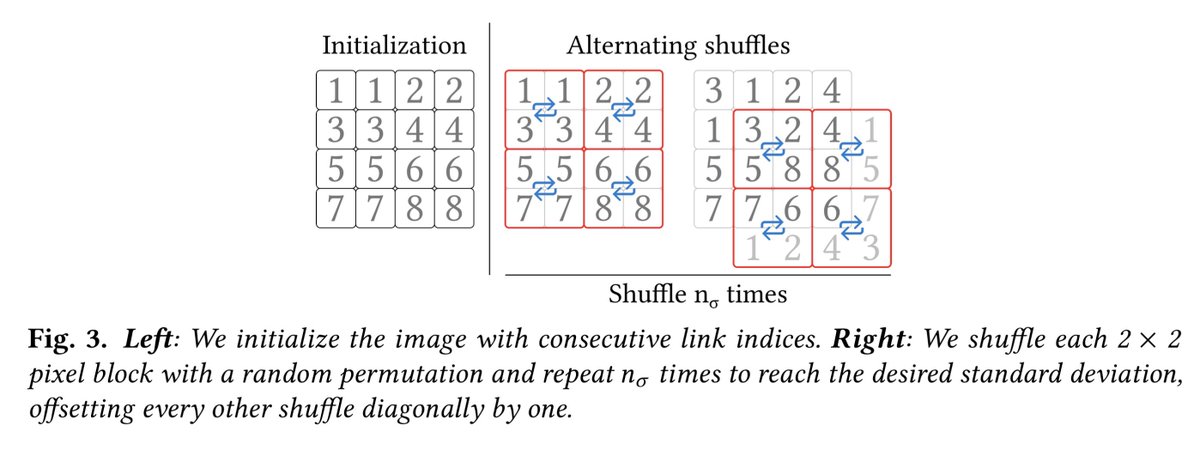
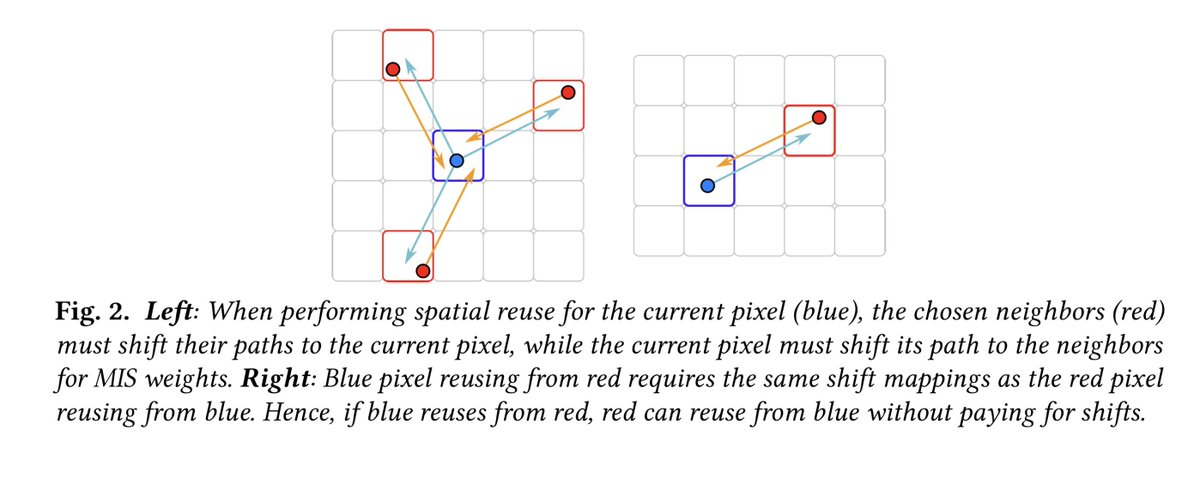
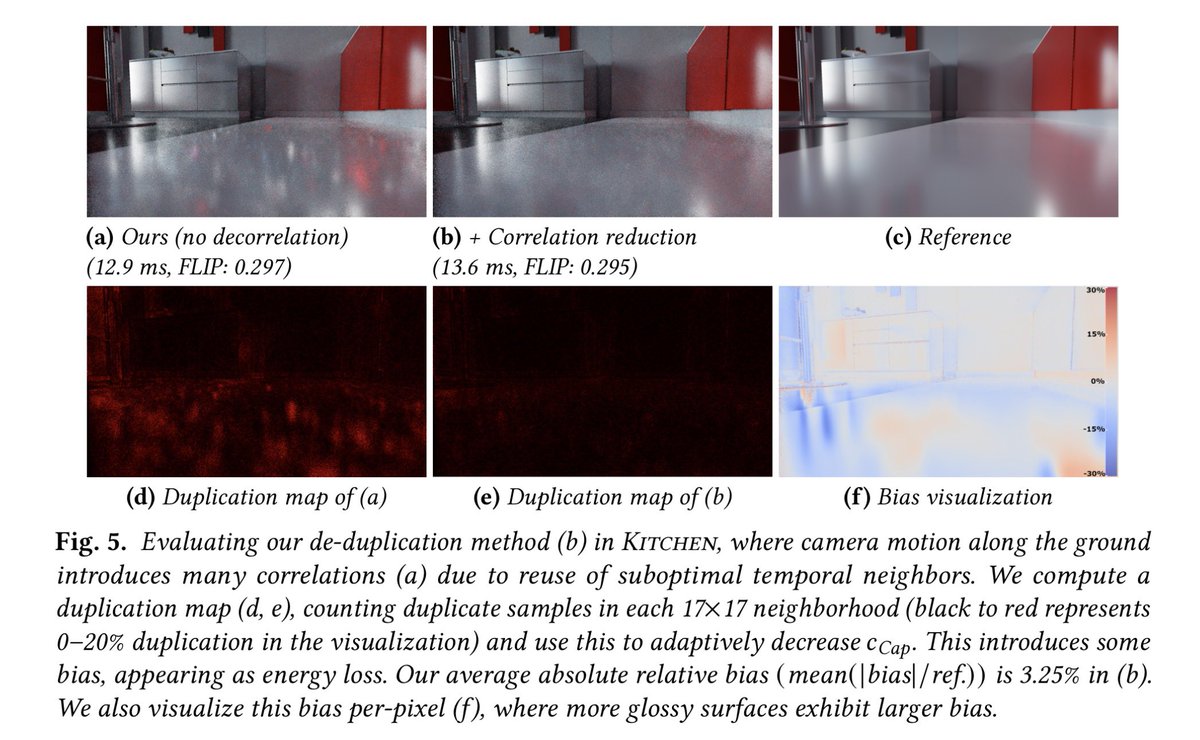
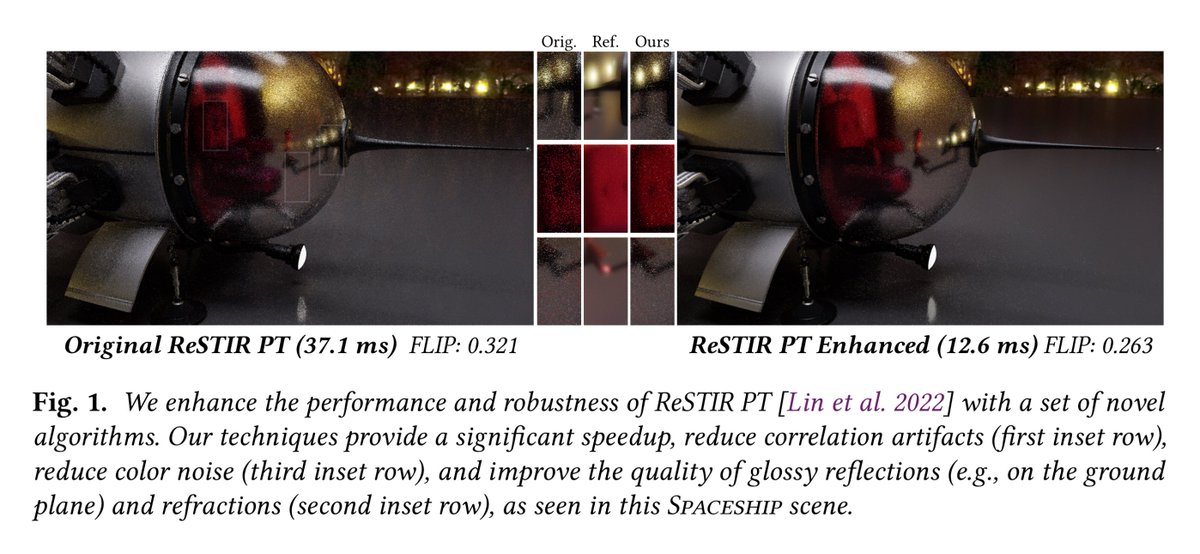
Algorithms leveraging ReSTIR-style spatiotemporal reuse have recently proliferated, hugely increasing effective sample count for light transport in real-time ray and path tracers. Many papers have explored novel theoretical improvements, but algorithmic improvements and engineering insights toward optimal implementation have largely been neglected. We demonstrate enhancements to ReSTIR PT that make it 2–3x faster, decrease both visual and numerical error, and improve its robustness, making it closer to production-ready. We halve the spatial reuse cost by reciprocal neighbor selection, robustify shift mappings with new footprint-based reconnection criteria, and reduce spatiotemporal correlation with duplication maps. We further improve both performance and quality by extensive optimization, unifying direct and global illumination into the same reservoirs, and utilizing existing techniques for color noise and disocclusion noise reduction.
Want real-time global illumination beyond diffuse? Introducing ReSTIR Path Tracing (ReSTIR PT) that allows you to reuse paths through glass and other complex interactions, based on a new theory we develop - Generalized Resampled Importance Sampling. Code: https://t.co/6zPRSxrWdb
Finally! All of that for just showing a dynamic illustration in app!
Bunch of algorithms was implemented for this dynamic illustration.
WIP version available (https://t.co/4ZMIat8pqU no LaTeX yet!)
Depends on ImPlatform for custom shaders https://t.co/mKI1Rn2HUF
1/4
I'd like to share @DaqiLin and I co-authored a chapter in the latest GPU Zen 4 book.
We cover the engineering details of implementing ReSTIR GI & PT in UE5's NvRTX branch, adopted in NVIDIA's Zorah project showcased at CES and GDC last year.
The book is now available on Amazon.
We just dropped a full 11 part course on Neural Shading 👀
If you’re looking to integrate the latest in real-time graphics tech into your projects, this is for you.
Watch here 👉 https://t.co/auDsz31NjL
Did a quick and dirty implementation of a spatial hash structure to speedup RTAO, ray results are stored in cells indexed by pos/normal/cell size and after storing a few rays occlusion can be queried from the cell instead of raytracing it. 3x faster RTAO with no denoising.
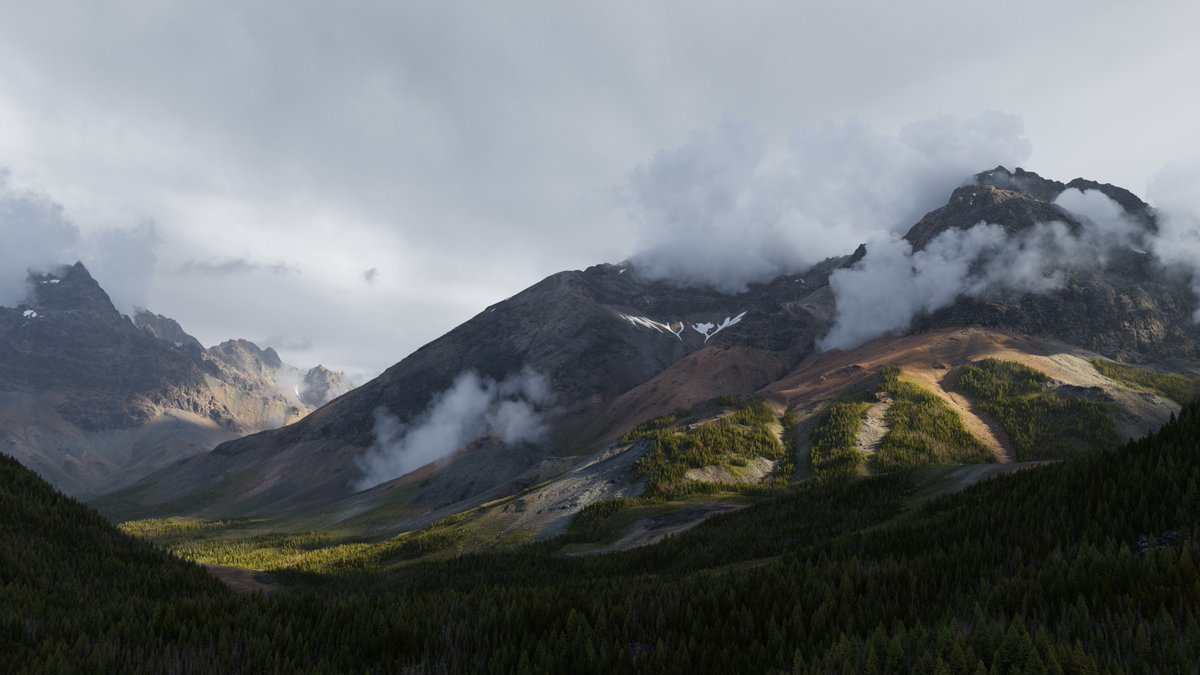
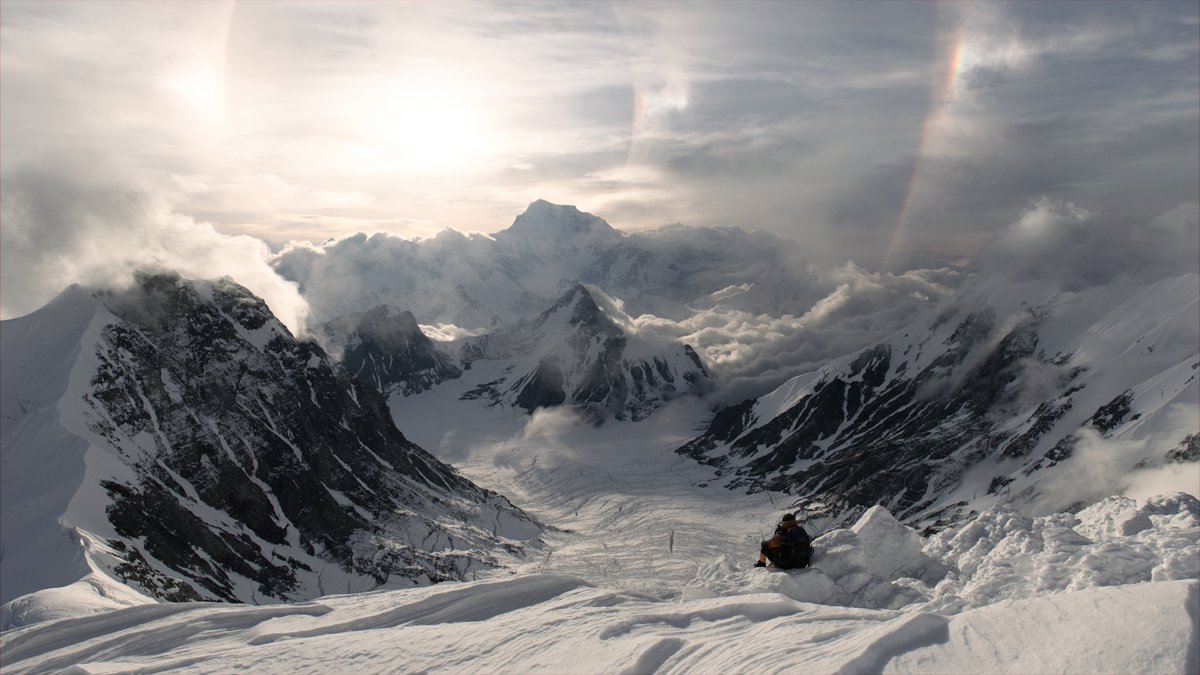
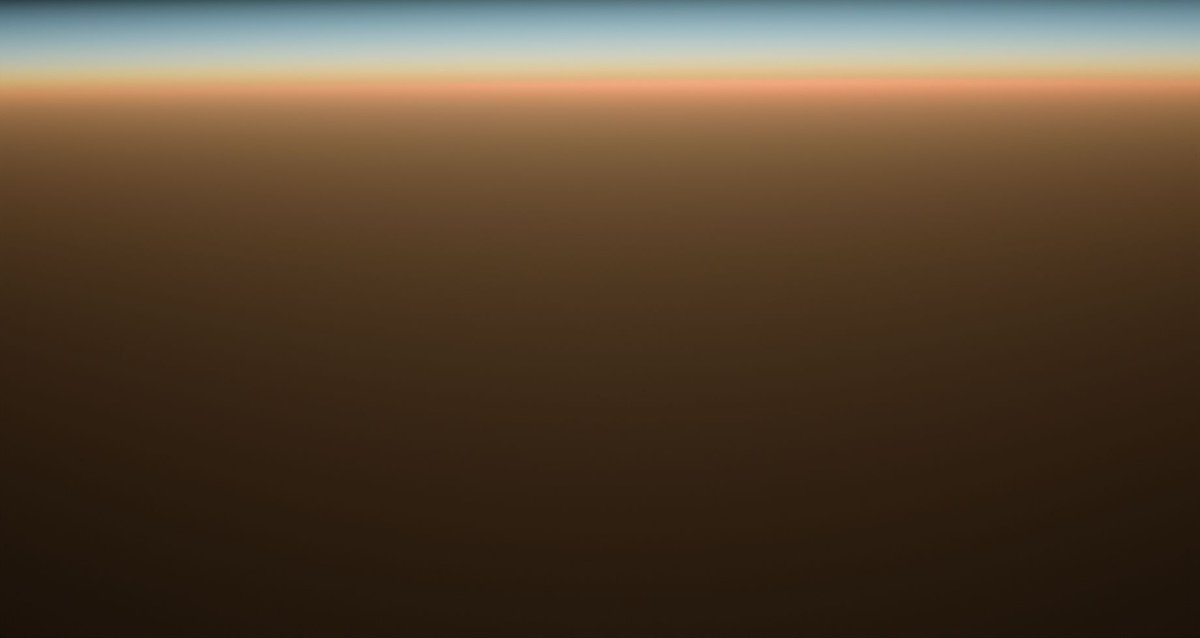
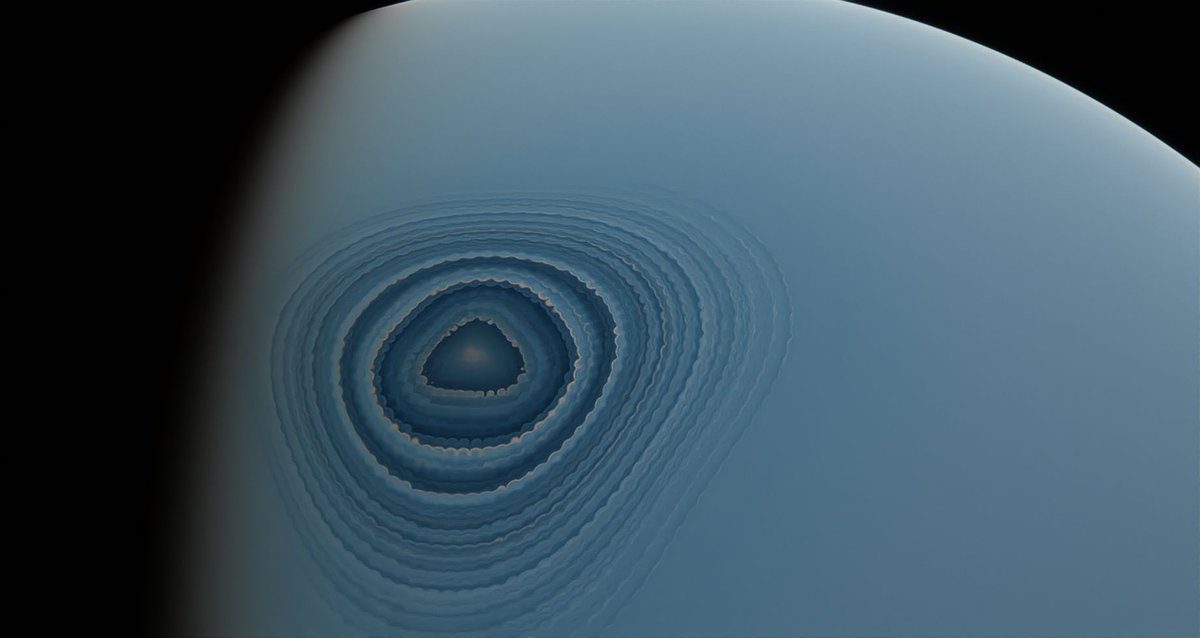
I had previously used triangle meshes to render giant planetary atmospheres but after many unsuccessful attempts to fix all the artifacts, especially when intersecting atmosphere geometry, I decided to add support for spheres to my renderer. It works much better
New personal project! Jungle environment and highly detailled breakdown - 3DS Max/Houdini/Vray/Nuke
A 40 page breakdown awaits you : https://t.co/Ks2bKwcfJI
I had a ton of fun making this, exploring so many workflows and sharing so many tips!
#ArtStationHQ
Curious to know how many cycles each CPU instruction costs?
The instruction matrix from Google's highway (a cross-platform SIMD library) has interesting details.
https://t.co/aOZDR1iVKE
If early samples are possibly more noisy than later samples, do we need some more clever way of averaging rendered frames than just an average? Something that weighs all frames based on variance and takes those weights in consideration during averaging?
So I was reading the "Cache Points for Production-Scale Occlusion-Aware Many-Lights
Sampling and Volumetric Scattering" paper from @yiningkarlli et al. and came up with a question about visibility learning (quote from the paper):
(At the end of section 3.2.2) The effect of the online learned visibility estimate system is that
renders with complex occlusion initially converge slowly, but as
the learning system’s quality improves during the renderer’s initial
iterations, the convergence rate improves [...].
@Auzaiffe@VrKomarov@Auzaiffe Hey there! Any way to convert the VDB to the grid format taken by the grid to LEB3D converter? I downloaded the wdas cloud but it's VDB format 🤔
Worth watching presentation, also provides some background info on how ReSTIR came to be and where it is heading: "ReSTIR: Traveling the Path of Reuse" https://t.co/x3Z0UYhHmT
Implemented BSDF evaluation and PDF query for microfacet-based normal mapping to support more light transport algorithms. For dielectrics, I need to make some adjustments to the equations in the original paper. Now I need to find a beautiful scene and test it.😉