I rarely read sellside research, and it is “solar eclipse rare” that I chuckle while reading it. But page 3 in this one… kudos to Amarpreet for slipping in “freedom molecules” (and kudos to compliance for letting it slide if they caught it).
Between oil research and Alty over at BETS, I have to say Barclays is doing it for me lately…
"Samsung to Triple HBM4 Price Next Year" 👀🔥🔥
Volume of sales increasing, proportion of HBM increasing, consensus of tightness until AT LEAST 2029 (surely beyond)..... when a RE-RATE of the Memory names?? Come on Wall Street guys, awake!
$MU $SKHY
Talented professionals remain where they feel respected, fairly rewarded and connected to a meaningful direction. Stability comes from trust, recognition and space to develop skills over time, creating an environment where motivation and commitment strengthen naturally.
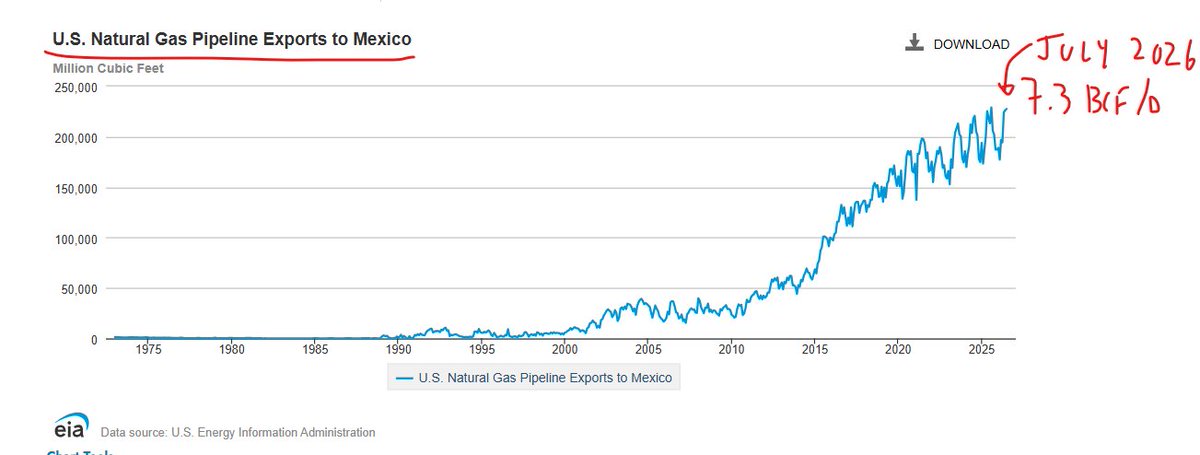
Supply #NatGas risk for Mexico?
Can't help wonder how Mexico's increasing need for pipeline natural gas from Texas is secure as US faces the challenge to fill more #NatGa pipelines to US LNG export ports?
#oott
EIA weekly🛢Oil report
US🛢Oil Strategic Petroleum Reserves (SPR) ↘️↘️ The lowest in decades‼️
It is not clear how much more crude can be extracted from the SPR but we might be near the physical limit
EIA weekly🛢Oil report
The main reason why no big drop is that US Crude🛢Oil Exports have collapsed to last year's level➡️ We'll soon see if this is sustainable or the rest of the World will pull them out again
Geely September sales rise 7% to 2026 high as record export streak ends
Geely Auto exported 106,685 vehicles in September, up 162% year-on-year but down 3% from August, ending 8 consecutive months of record exports. https://t.co/G9lwZ88VDv 👇
China is increasing diesel exports, with shipments reaching around 500 kb/d in September, offering some relief to record global fuel prices. However, @anasalhajji warns that an additional 100 kb/d in Q4 may do little to offset market pressure if the U.S. moves ahead with a diesel export ban.
#China #Diesel #OilMarkets #EnergyMarkets #FuelPrices #OilPrices #EnergySecurity #GlobalEnergy #EnergyMarketsDaily #Soundings
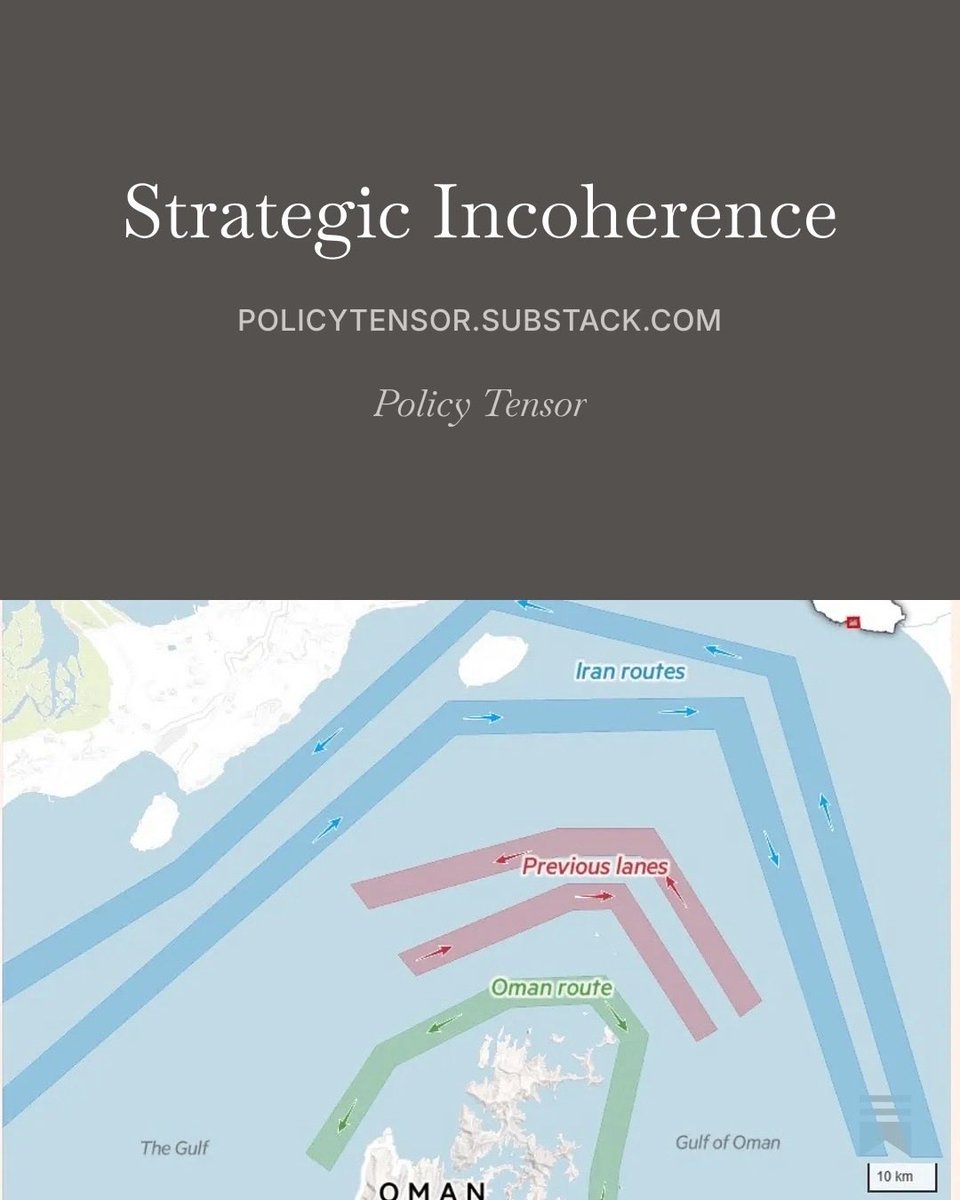
One way to frame the Iranian conundrum is this: maybe the Hormuz weapon is not worth the candle? Maybe shooting at ships is not enough to counter naval primacy? Maybe the laws of the modern world have not been repealed by the second missile age after all.
https://t.co/ww5O8xv0a7
Middle East oil flows excluding Iran have surged back toward prewar levels. Kpler’s new dashboard puts the 7-day average for regional liquids moving through Hormuz, Gulf of Oman ship-to-ship transfers and terminals, and the Red Sea at roughly 20–22 million b/d in recent days, more than double early-August levels.
Energy analyst Rory Johnston says Kpler’s 18 million b/d “pre-war” benchmark is too low because Gulf OPEC quotas have risen by more than 2 million b/d; he puts a comparable “return to normal” level at roughly 20–21 million b/d. Eurasia Group’s Gregory Brew notes the rebound has come without a major Iranian escalation.
Reuters separately reported Sept. 27 that Middle East crude exports reached 16.3 million b/d in September, the highest since the war began, including 9.7 million b/d through Hormuz. The monthly figure is still 3.2 million b/d below February.
Prices have eased a bit but remain near recent highs: U.S. regular gasoline is $4.46 a gallon, just 3¢ below its Sept. 25 peak of $4.49; diesel is $6.44, 8¢ below its Sept. 22 peak of $6.52. Brent was trading around $104 Tuesday at 11 am ET, down 1%.
Global energy markets are experiencing a sharp upward surge following the United States' rejection of Iran’s proposal to reopen the Strait of Hormuz. International benchmark Brent Crude is trading up 3% around $107 per barrel.
The U.S. national average retail price for a gallon of regular gasoline is down a fraction of a penny to $4.48, and the national average for a gallon of diesel is $6.45, down from $6.53 reported high last week, according to data from AAA Fuel Prices.
Risk feels difficult when everything looks uncertain at the same time.
A simple sequence helps teams understand what could go wrong, what would hurt most, and where action is needed before a problem becomes expensive.
#RiskManagement#BusinessStrategy