The Global Climate Highlights 2024 report is now online.
Delve in the analysis and access all the charts, information, and data on temperature, sea ice, precipitation, and greenhouse gas concentrations. Explore the data that defined 2024: https://t.co/s3JeRjZUyg
#C3S#GCH2024
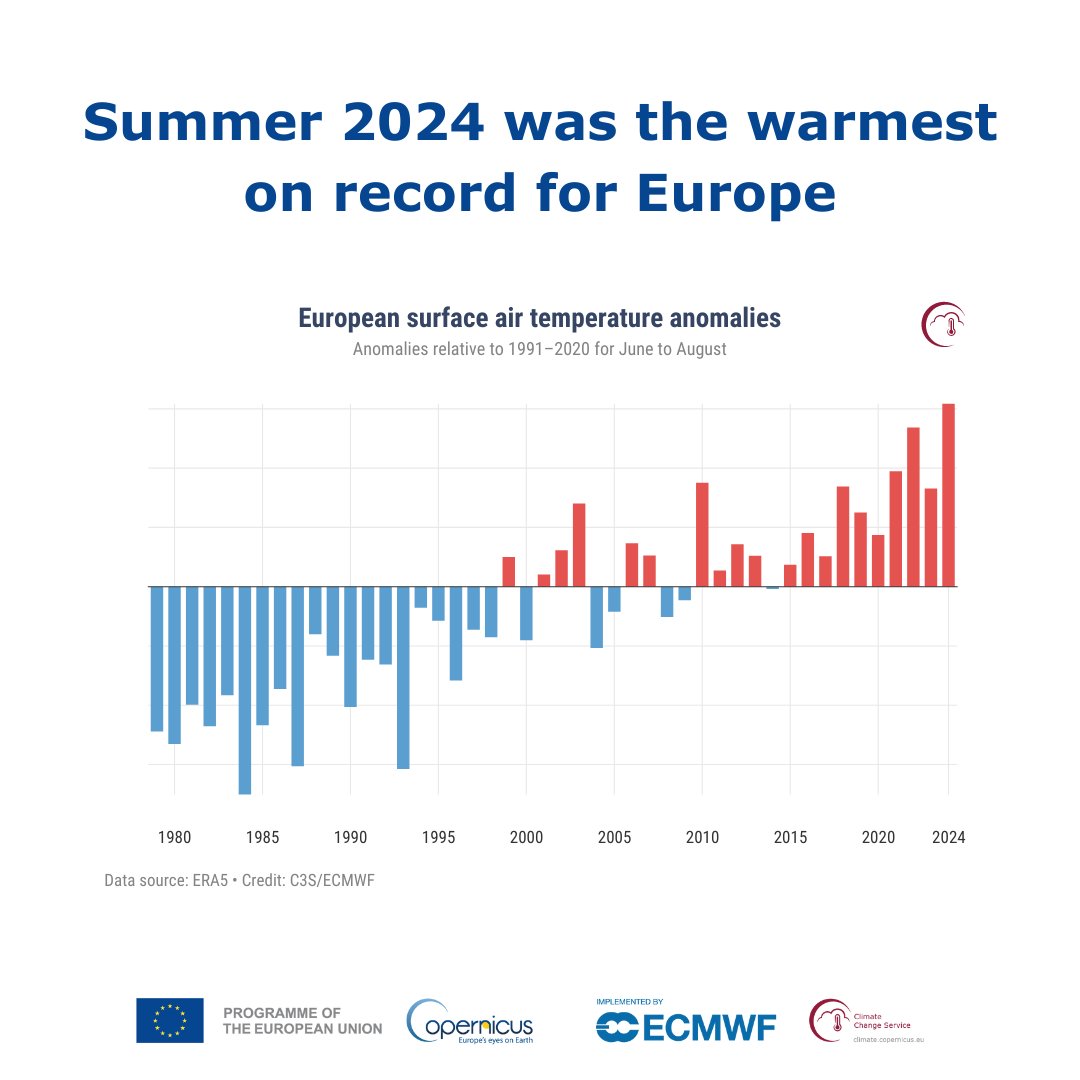
#CopernicusClimate's highlights from summer 2024:
📈Summer 2024 was the warmest on record for Europe
📈Southeastern Europe saw up to 60% more ‘warm daytimes’ than average
📈35% of European rivers were notably or exceptionally low
Read our full lookback 👉https://t.co/saFYAtwrpC
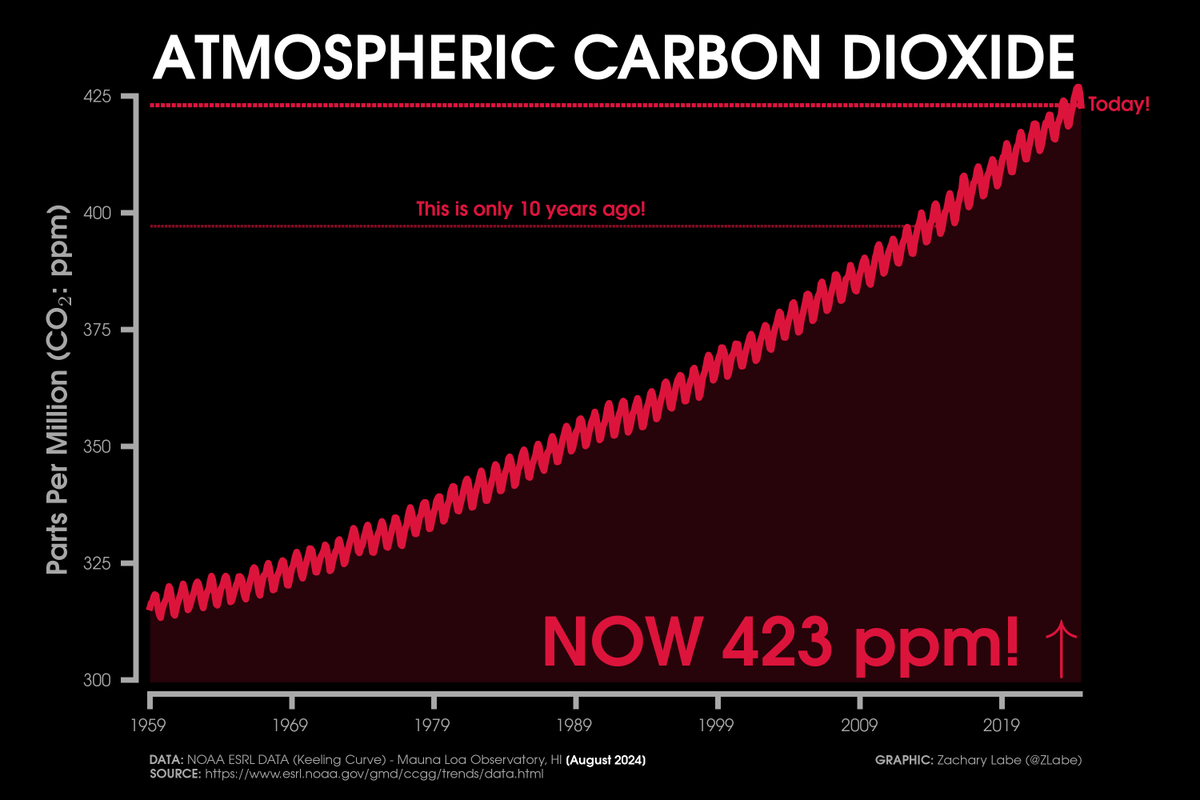
The global climate summary for Aug 2024 is in. @NOAA confirms 15-consecutive months of record-setting global temperatures. According to @NOAANCEI Global Annual Temp Outlook, there is a 97% chance that 2024 will rank as the warmest year on record.
More: https://t.co/8r7w38Xle6
Nos hemos ido al campo con 4º de Ciencias #Ambientales para evaluar los #impactosambientales que causarían diferentes proyectos en el paraje de la Fuente del Moro, junto al nuevo hospital de Toledo. #Ambientalesmola 😉
Your 'doom quote' for today:
"So if climate models can show us that the temperature is rising and that it's our fault, when will our weather start to reflect our predictions about the climate? The short answer is that it already has."
https://t.co/hGOJCohB25
En un contexto de cambio climático es lógico que la atmósfera intensifique el intercambio de masas de aire frías y cálidas entre altas y bajas latitudes, dando lugar a este tipo de situaciones
Exceptional contrasts in Europe: cold near at record levels coming to Western/Central Europe for mid September and record heat in Russia up to 39C in the Caucasus and 27C in the Arctics.
34.9 Anapa broke its monthly record. >35C also in Ukraine.
(1 of 5) JUST IN: Earth had its hottest August in 175-year record.
Summer 2024 was Northern Hemisphere’s warmest on record.
https://t.co/r1Hnm3IOKu
@NOAANCEI#StateOfClimate
It was another month of particularly anomalous temperatures across much of Antarctica in August 2024 (e.g., more than 5°C above the 1981-2010 average)...
ERA5 reanalysis data from https://t.co/e7aUaffEik
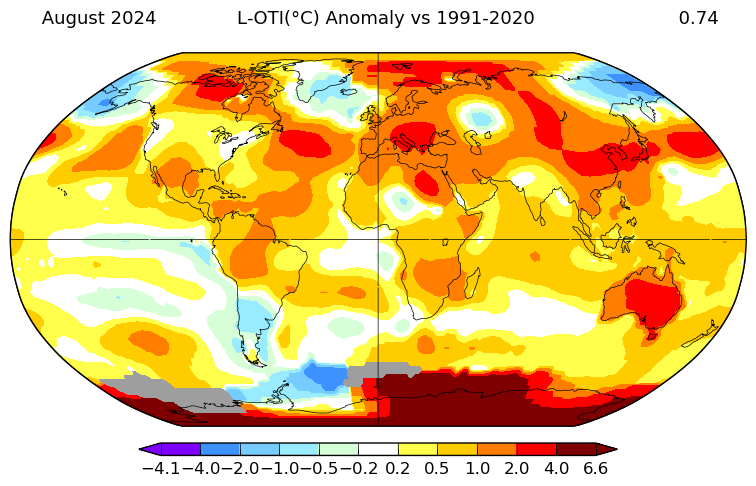
August 2024 Globally, according to NASA, had a temperature anomaly of +0.74C vs 1991/2020 baseline or +1.30C vs 1951/1980 and was the HOTTEST AUGUST on record,+0.11C above August 2023.
2024 is now almost certain to end as the hottest year in modern climatic history.
❌📱 Bulos y creencias sobre la relación entre los teléfonos móviles y el cáncer
Alberto Nájera (@najera2000), profesor del Área de Radiología y Medicina Física de la @uclm_es desmiente estos hechos durante una entrevista en CMM
https://t.co/smasrH0Hsh
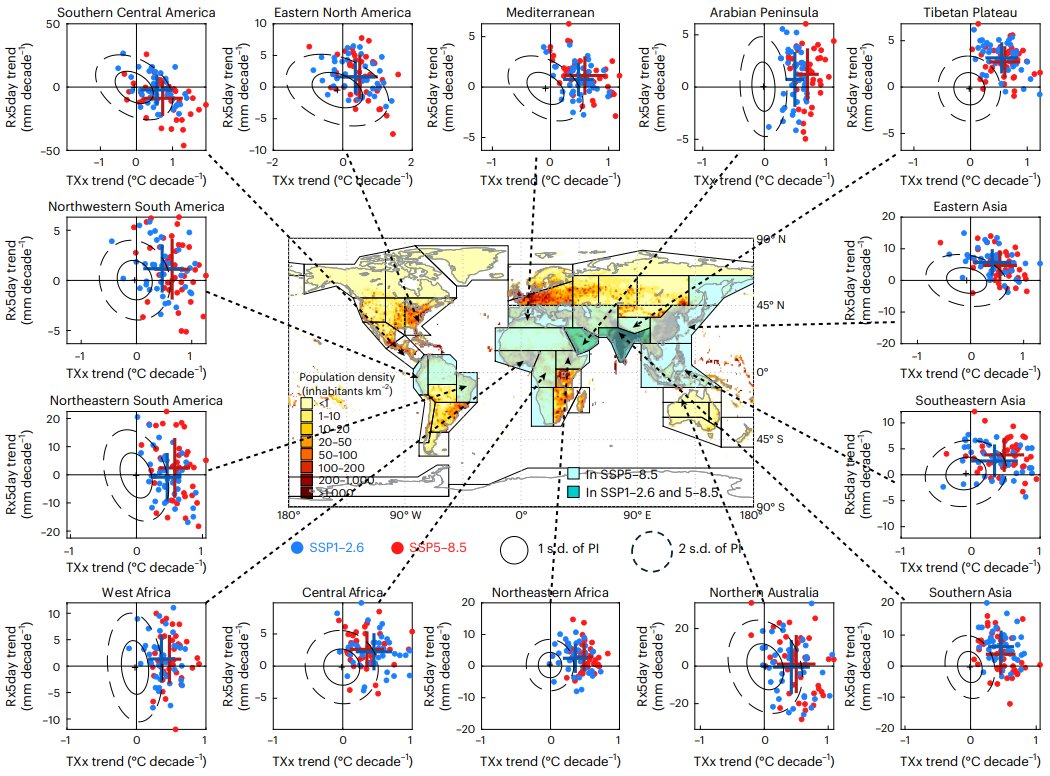
Article: Strong regional trends in precipitation and temperature extremes will be common over the next two decades, even under stringent mitigation measures
@CICERO_klima@bjornhs@LJ_Wilcox@mt_lund
https://t.co/kQirxU5pcd
Laura López Sanz y Virginia Pérez Garrido, egresadas e investigadoras postdoctoral y predoctoral, respectivamente, asistieron al Congreso de la SEBBM en A Coruña del 3 al 6 de septiembre
RECORD AUGUST 2024 REGIONAL WARMING MAP
High warming most land regions at 1.51°C global
Including Southern Hemisphere end of its Winter
Antarctic has heated the most
In the north Barents Sea
Global Superheating
https://t.co/6eFd1hWRcw #climatechange#globalwarming
🌡️ According to #CopernicusClimate, we are on track to have the hottest year on record, with August 2024 tying August 2023 as the warmest August globally and in Europe.
Read more: https://t.co/UwHvkYds3U
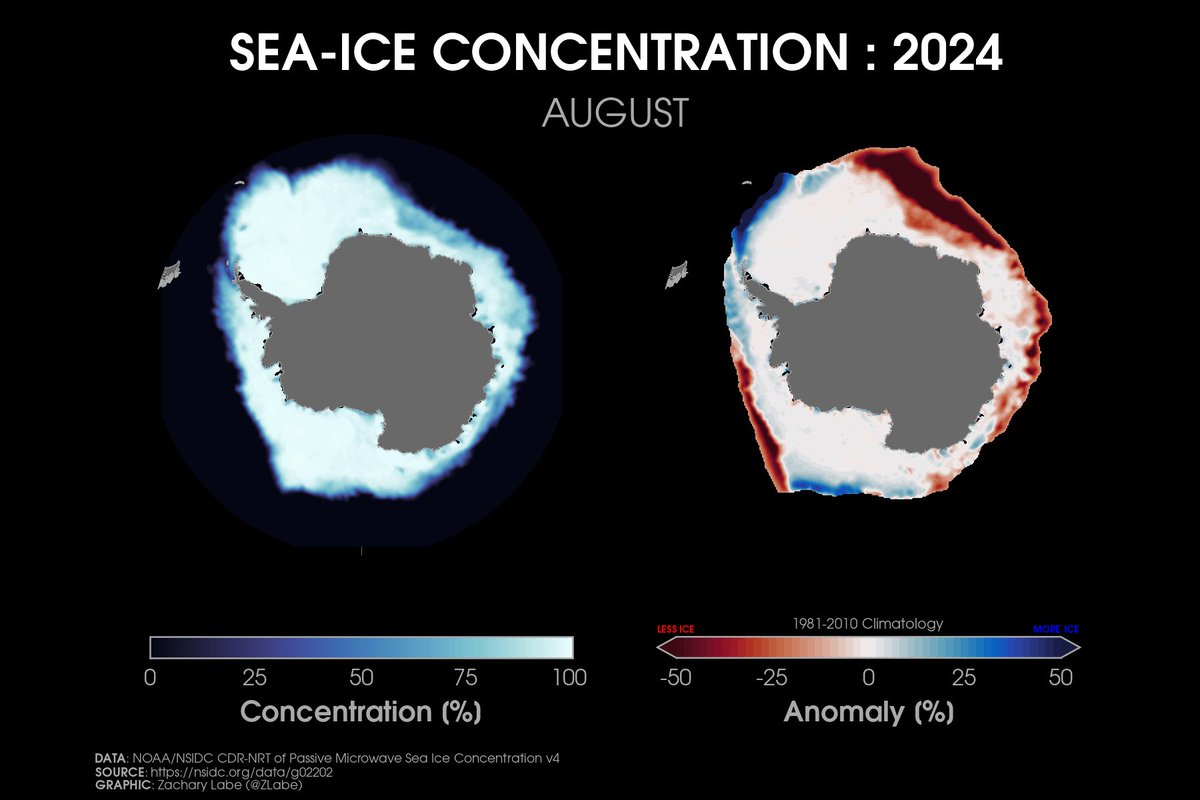
The very large sea ice concentration departures continue across the Indian Ocean sector of the #Antarctic. Overall mean ice extent remains well below average too.
Data available from https://t.co/ydZwSgdVlI
August sea surface temperature anomalies over the last 100 years through 2024. Widespread warm anomalies continue over the Northern Hemisphere extratropics, while signs of La Niña continue in the equatorial Pacific.
Data from ERSSTv5 at https://t.co/V8F2Mhb8Iw