From mountain glaciers to coastal seabeds, five research projects to watch as scientists race to understand the human drivers of global warming. https://t.co/ZytRDavwmH
The @IPCC_CH's AR6 Report will have an increased “focus on mountains as a specific geographic context in which to assess climate change," shares @drcarolinadler from the @MtnResearch. @UZH_Science@icimod. Read the full story here: https://t.co/BEsrCTpar0
#DYK: #Coastal ecosystems can be highly effective at storing #carbon. We teamed up with SFU researcher Maija Gailis to learn more about #bluecarbon + how the coast can help us mitigate AND adapt to #climatechange https://t.co/li3UCSzJj8
I gave this paper at #AGU2017. In short: forget "hope and fear"; we need stories about climate heroes to emulate so that we can imagine saving what we love.
https://t.co/WFUvhK5oyr
Six languages for a risky climate: How farmers react to weather and climate change. Our new paper in Climatic Change using novel methodology to reveal farmers' cognitive frames! #riskmanagement#climatechange#adaptation
Free https://t.co/rs6Ow43opm
PDF https://t.co/achZlywtU0
Archaeologist Anne Jensen has been working on cultural preservation projects in northern Alaska for 22 years.
The job has become more urgent as permafrost thaws. https://t.co/B7RB3a7rIZ
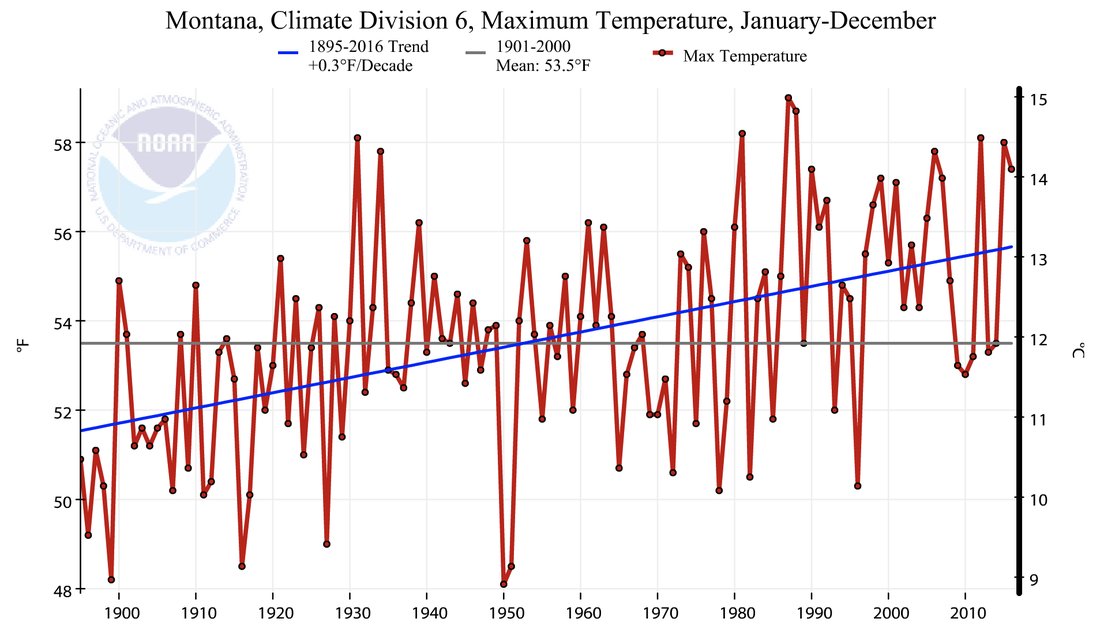
Awesome new digital project on climate change, past and present, in various places, like Garfield County, MT from #envhist @DagomarDegroot @EH_Georgetown
https://t.co/j88txbvKug
How do people coordinate climate change risks with other decisions? In our new paper in Global Environmental Change, we answer this question using the mental models of South Africa's commercial grain farmers: https://t.co/0GEqwqZg9F
@simondonner, Terre Satterfield, @mKandlikar
NatureClimate April issue is now online https://t.co/wvM5PFsAmY including a collection of pieces on climate change and mental health https://t.co/hBaaCfuN9F