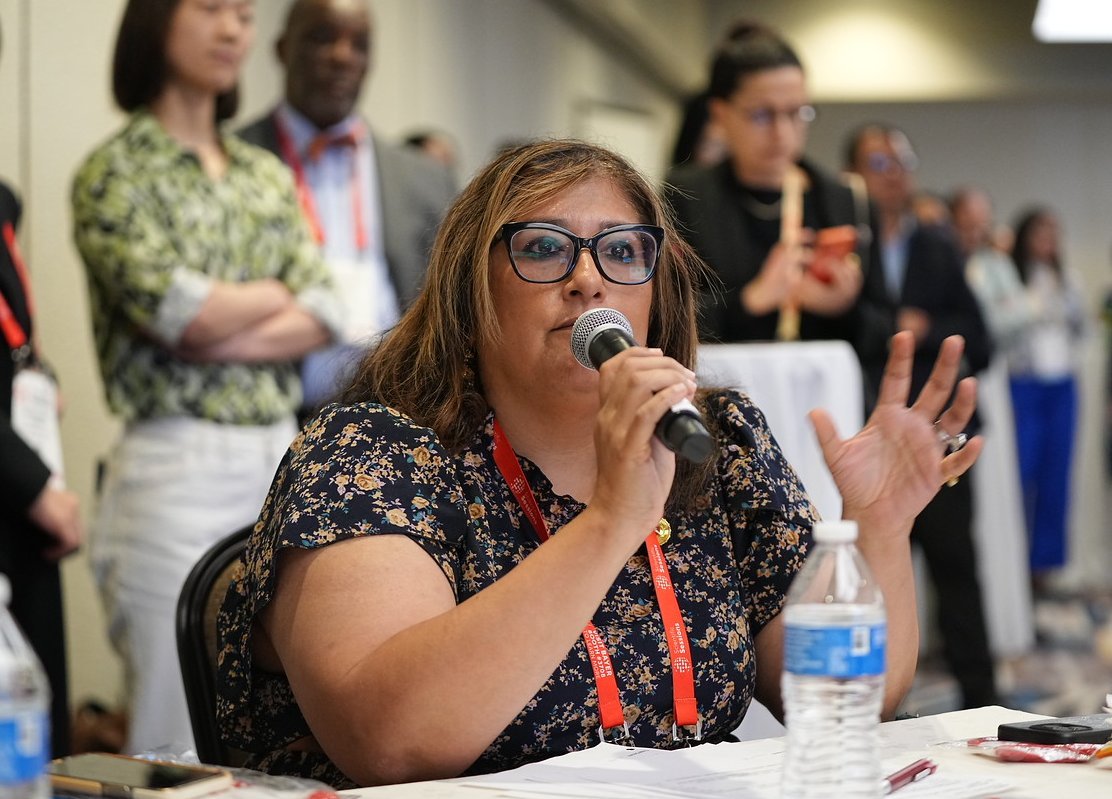
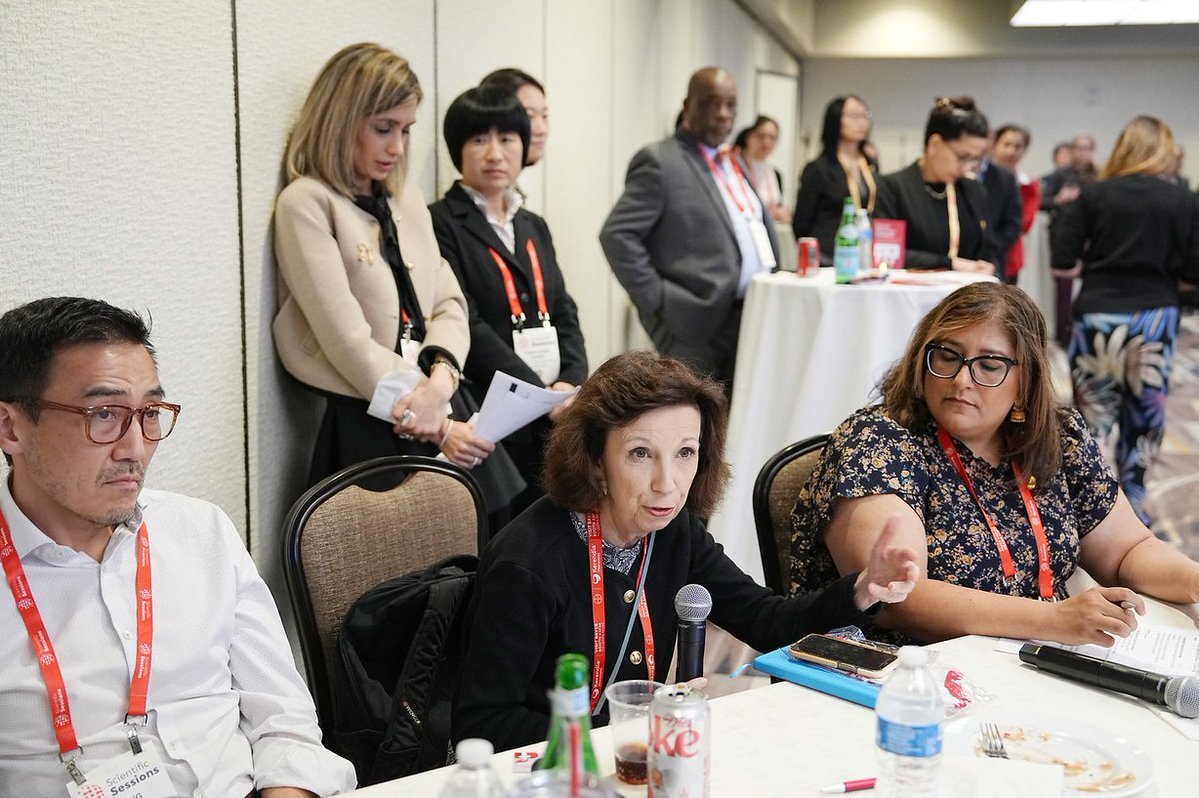
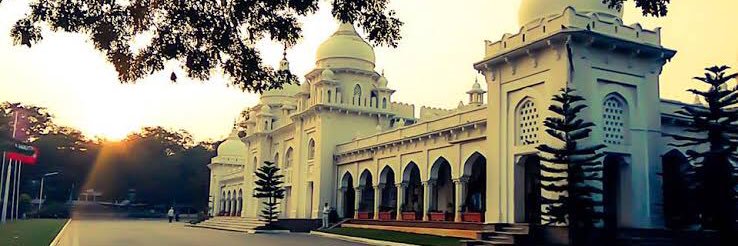
Led by IISc under the Longevity India Initiative, a new BHARAT Study is building India-specific data on metabolism, immunity & gut health.
It will also contribute to refining global models of aging.
@Longevity_IISc
Link to the study: https://t.co/Yt9qAmHyw7
Excited to share this new book on Cardiac CT!
Forever grateful to Dr. Braunwald who asked me to write this and for his guidance and mentorship along the way. While we are mourning his recent passing, I will treasure all the conversations I had with him on #CCT and #Prevention
I made a SHOW!!! ✨🎙️
Introducing Pretty Tough, my new show about the pursuit of excellence, without apology. It challenges how we discuss female ambition and explores the multitudes that make us. Here’s a little sneak peak into what’s to come!!
Episode 1 releases on April 22. Please subscribe wherever you get your podcasts. ✨
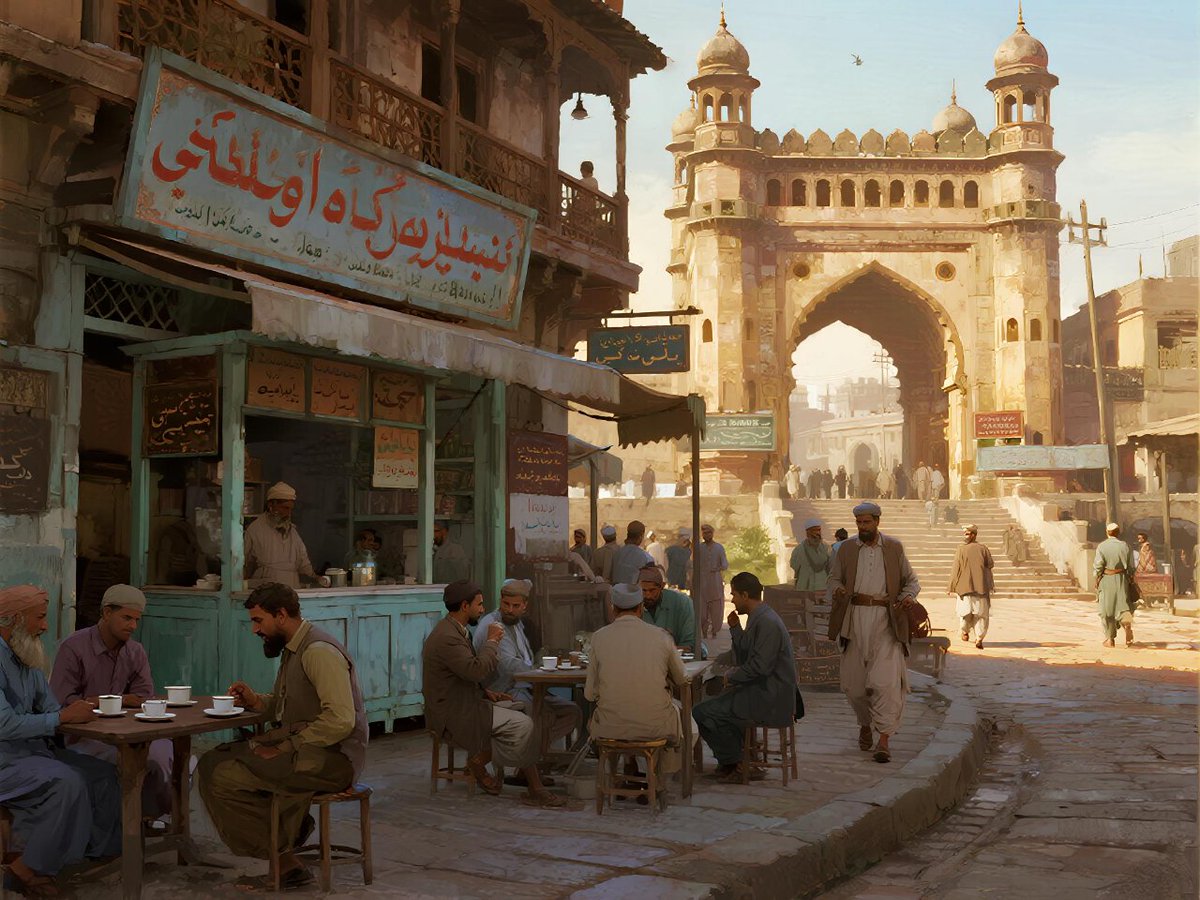
Dakhni as a Living Integration of Languages in the Deccan
Dakhni feels like a conversation that refused to choose sides.
It carries a Hindustani base, older Persian and Arabic layers, and the rhythmic cadence of Telugu streets. This was not a forced blend; it emerged naturally through centuries of people living, trading, and building communities together across the Deccan.
In Telangana, this history is tangible. For a long time, even after Independence, Urdu remained the medium of instruction in many rural schools. My father studied in that medium, yet at the same time, everyone learned Telugu. Bilingualism was not a political statement—it was simply the fabric of daily life.
Why Dakhni matters today
Languages like Dakhni (or Deccani) show what happens when multilingualism becomes the norm rather than the exception. You do not get "pure" boundaries between cultures; you get continuity and mutual borrowing.
Common markers like nakko (don't), kaiku (why), and hau (yes) signal a long-running contact zone between Hindustani, Marathi, Telugu, and Kannada.
Preservation through public history
I am not a historian, but I find these integrations fascinating. My friend @YunusLasania has done incredible work documenting this through The Hyderabad History Project. His research highlights that while we may learn Standard Urdu or Telugu in school, Dakhni survives because it is the language of the home, the bazaar, and our most authentic selves.
History has its hard edges, such as the Razakar violence before Indian independence but the longer arc of the region shows a deep-seated tolerance and a shared vocabulary that persists despite modern standardization.
If you want to understand the Deccan, listen to what people speak when they are not trying to sound formal. The language tells the story of a culture that values integration over isolation.
Do you have a favorite Dakhni phrase or a memory of the multilingual schools in Telangana? I would love to hear your thoughts in the comments.
Read more https://t.co/OfEe6GE9Fk
#Dakhni #HyderabadHistory #DeccanCulture #Linguistics #Telangana #Multilingualism #NationalIntegration #YunusLasania
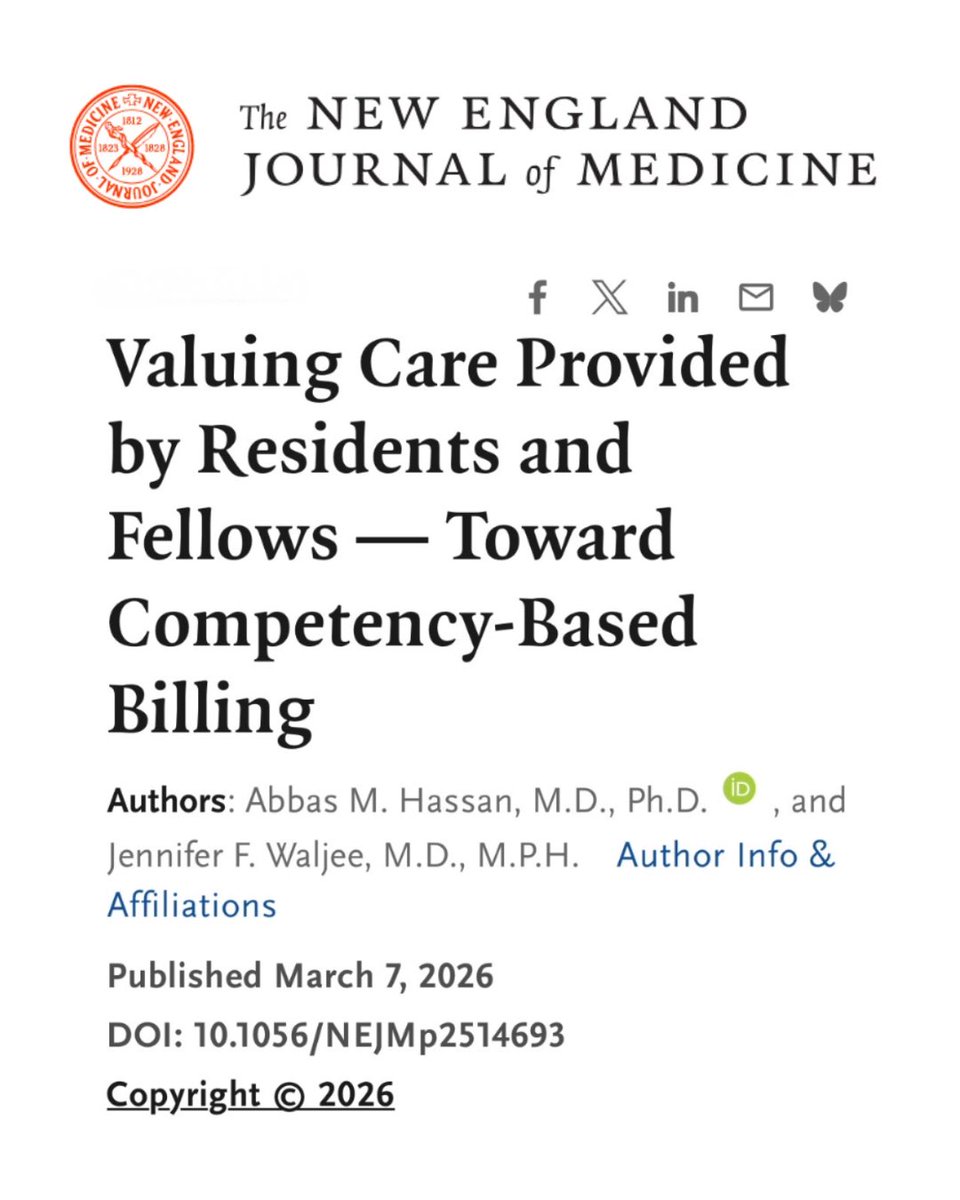
Should residents & fellows bill?
A single resident can provide >$300k/yr in uncompensated care due to outdated @CMSGov rules.
Our @NEJM paper proposes a competency-based framework to capture this revenue, improve trainee pay, and offset massive debt. #MedTwitter#MedEd#GME
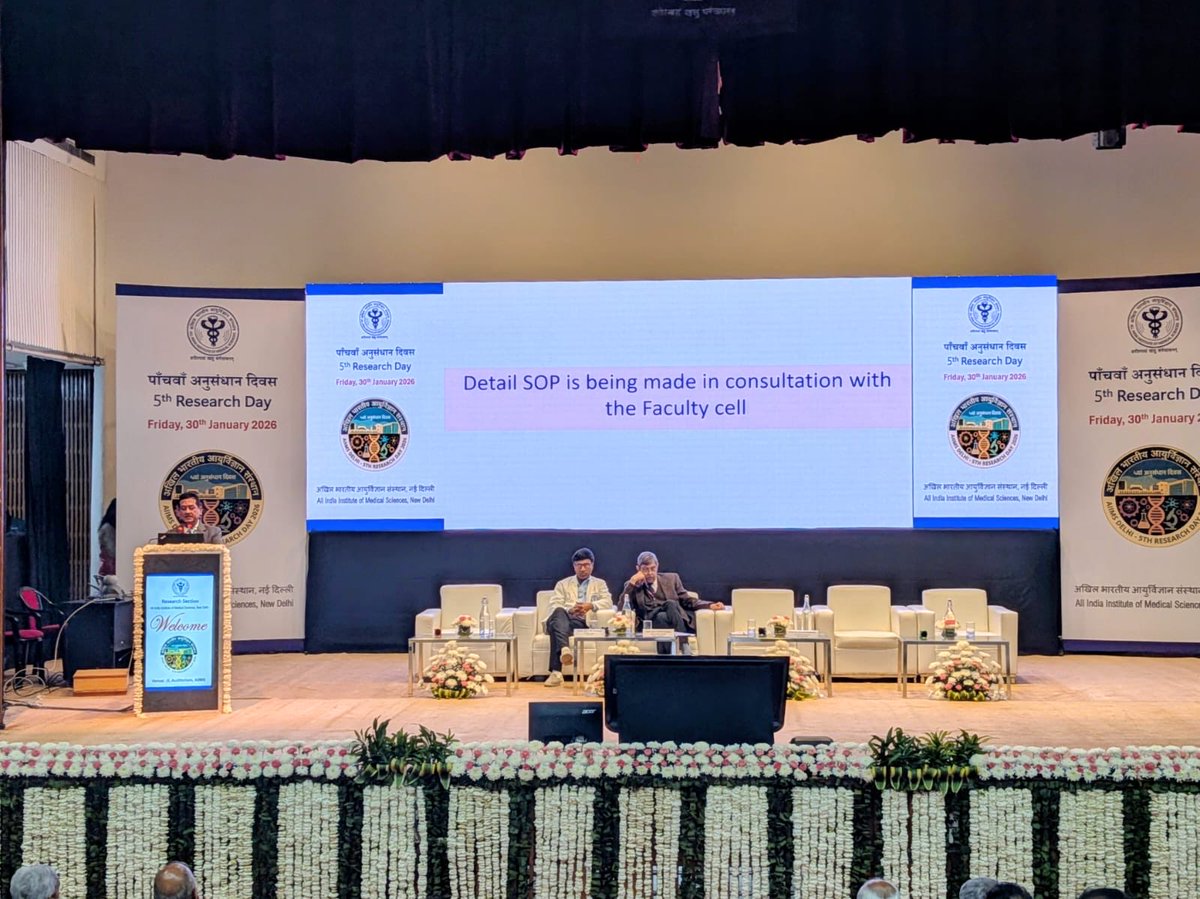
AIIMS launched its Faculty Entrepreneurship Policy at #AIIMSResearchDay, becoming the first public medical institution in India to formally support faculty-led healthcare innovation and translation, while safeguarding patient care, teaching, and research.
♨️ New in @JACCJournals, our piece on the evolving cognitive architecture of modern medicine.
For generations, clinical expertise depended on memory — the textbook you read, the paper you remembered, the trial you mentally stored. Today, the paradigm is shifting: from memorizing answers ➡️ to shaping better questions.
In this editorial, Stephen Ellis and I explore the move from memorization to retrieval, and how retrieval-augmented generation (RAG) increases AI accuracy from ~70% to >90% using real-time evidence.
We outline how the coming era of clinical excellence will call upon physicians to cultivate fluency in:
1️⃣ Selecting the right model for the right clinical question
2️⃣ Crafting prompts that surface nuance, uncertainty, and context
3️⃣ Verifying that outputs are anchored in primary, high-quality evidence
In the decade ahead, it won’t be AI that replaces doctors — it will be doctors who choose to grow with it who naturally move ahead of those who don’t.
🔗 Read the full editorial here: https://t.co/D2a6N4LwIu
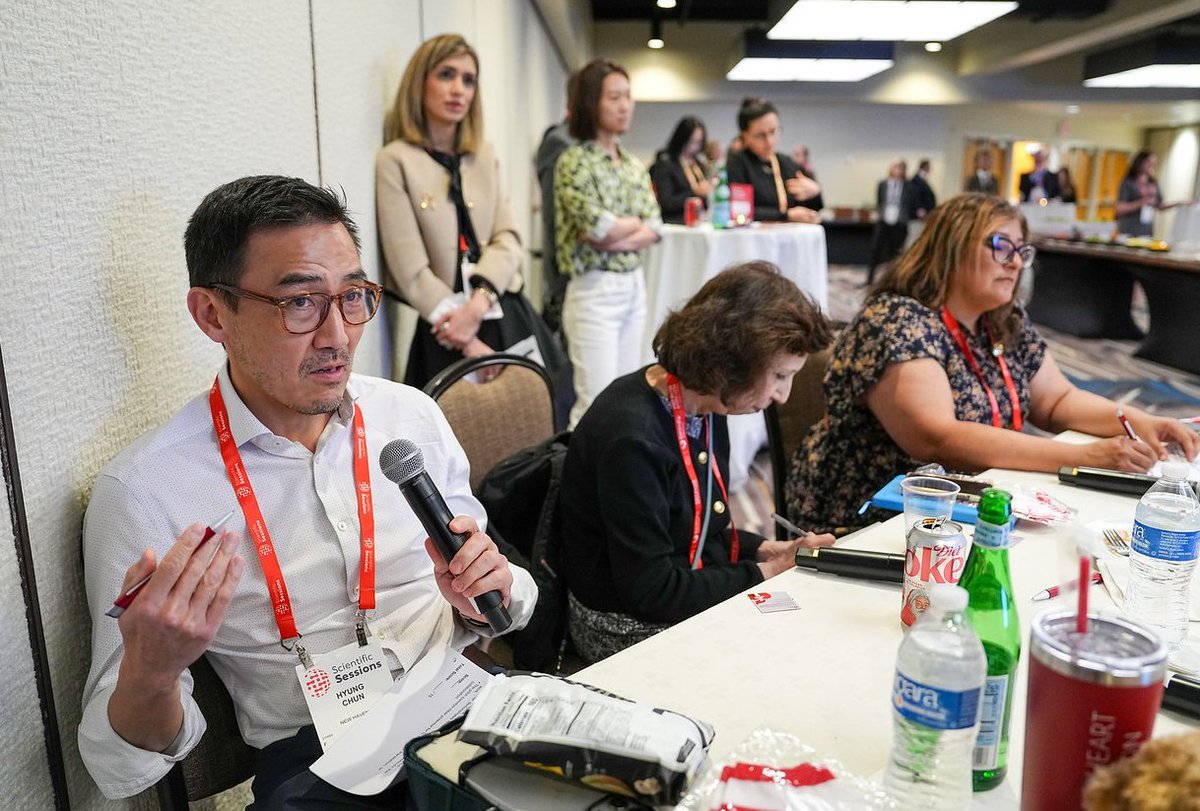
During the #AHA25, we had the pleasure of hosting our annual networking on "Pitch Perfect: Elevate Your Science Beyond Traditional Funding." Our 3 excellent judges: @AMSchmidt_NYU, @FarahSheikhLab & @hyungjchun, shared their valuable insights on "what makes a compelling pitch".
Grateful to share our📝on valvular disease in advanced HF @JAHA_AHA
64% with advanced HF had significant valvular disease
⚠️only moderate and severe AS independently associated with increased mortality
🔗 https://t.co/LwSHzDA7ea
@ShannonMDunlay@davidharmonMD@MayoClinicCV
Hemodynamic optimization of #CRT in an #LVAD patient using BiV #PVLoops@JACCJournals
⭐️Optimal pacing determined by greatest benefit in BiV contractility and volume reduction
⭐️May serve as a strategy to guide individualized device optimization
https://t.co/BnYK9V1sQk
The AQUATIC trial may be the most definitive trial of #ESCCOngress
The common combo of ASA and OAC for pts with CAD/stent and AF is clearly been harming people. Lots.
MACE worse, Death worse, Bleeding way worse.
STOP THE ASA when on OAC
https://t.co/OSx0UKWPXe
Excited to share our paper on RV function in advanced heart failure! RV dysfunction was more common in advanced HFrEF and was prognostically important, though probably less prognostically important than in earlier heart failure.
https://t.co/vZEHSDGkd7