Some say... your strategy only works in a good market. Uhh..Ok. if it worked in a good AND bad market, it would work 100% of the time! I would love to have that strategy. Let me know when you find it. If you do it right, you make enough to sit tight during the down time.
I've had at least 7 years when I was up anywhere between 155% and 413%. Think about how much sit out time that buys; how long I could do nothing risk free and still have a great long term performance. Do the math!
My goal is to be in the market the LEAST amount of time possible. When you are invested you are at risk of drawdown. My goal is to make the biggest return in the shortest period and spend the rest of the time safe in cash.
You will never get huge returns with any real consistency holding a diversified portfolio of stocks through thick and thin. Big performance with little drawdown requires:
1. Timing
2. Turnover
3. Aggressive position sizing when trades are working, light or cash when they're not.
~80% of all open buy option positions at the end of every day are in losses.
Buying options ruins most retail traders. Because they don't understand the risk of leverage, averaging down, & impact costs.
Here's what we're doing to help our users👇
https://t.co/DQ26B9Dtmn
"Patience is waiting.
Not passively waiting.
That is laziness.
But to keep going when the going is hard and slow - that is patience.
The two most powerful warriors are patience & time."
Leo Tolstoy
Patience matters.
Unwavering focus matters.
A Zen story:
Student: "If I practice for 5 hrs a day, how long will it take for me to learn meditation?”
Master: "10 yrs"
Student: "If I practice for 10 hrs a day, then ?"
Master: "20 yrs"
@BlogJulianKomar Some more
5) Growth is not linear, but exponential in trading.
6) To make money you have to be in the top 10-20%. Mediocre = No money.
7)Freedom. You can trade from anywhere.
8) No office politics, promotion issues, escalations, deadlines. No one will monitor you.
If you want to become a #trader, forget the most things you learned in your job / at school.
1) Steady income is not necessary in trading.
2) Trading can't be learned out of books.
3) Working hours and outcome are not linked.
4) You are the boss and the teacher.
What else?
@SJosephBurns Volatility Contraction Pattern
- tightness in price ie., small price bars + inside bars
- drying up of volume
- time contraction
VCP characteristics can be applied to almost all patterns,
- H & S
- Double bottom
- Cup & Handle
- Flat base
- High Tight Flag
- Base on Base etc
Julian Komar is a positional trader in growth stocks.
His book "My personal 25 lessons of the stock market",
• has his complete stock trading strategy
• is a must read for growth stock traders
• best part: it is FREE
Here are my takeaways from it,
//Long Thread//
I love when breakouts don't work for a while and the crowd starts saying buying breakouts is a strategy of the past and they give up on it. It eliminates the noise and then it works like a charm. Been doing the same thing successfully for more than 3 decades. How? Discipline!
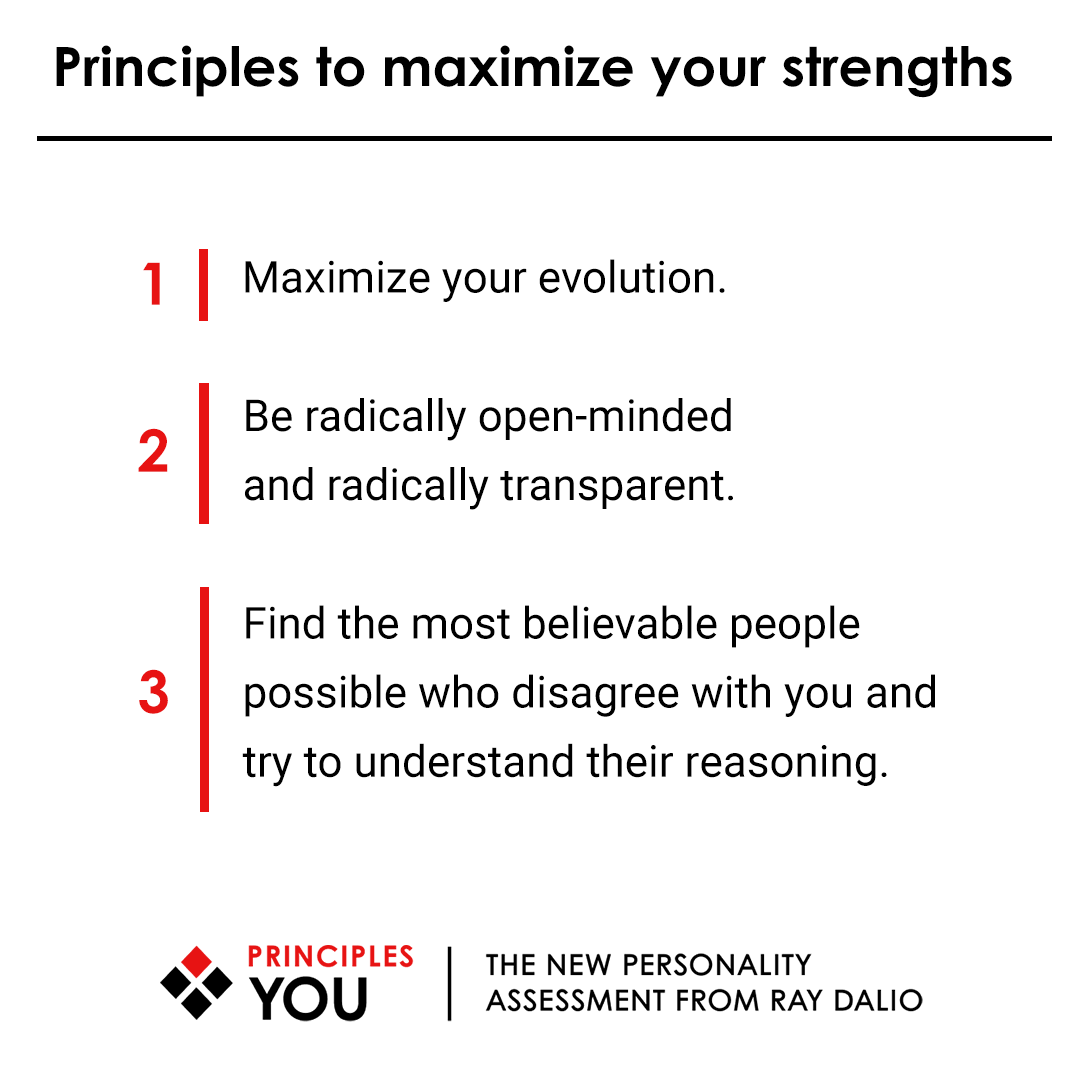
Many of you have taken the PrinciplesYou assessment and found the results to be interesting and accurate. To build upon the results you received, I wanted to share some principles relevant to each archetype, which you'll find here for the Explorer archetype. (1/3)
It is easy to fall asleep, if you know your maximum risk/loss.
"Every day I assume every position I have is wrong.
I know where my stop risk points are going to be.
I do that so I can define my maximum drawdown."
- Paul Tudor Jones
All great traders pass through three stages. First, they are ridiculed. Second, they are violently opposed. Third, they are accepted as being master traders.
Lower your trading size to an amount that is enough to be meaningful but not so big that it brings your emotions and ego into a trade.
#tradingpsychology