You rarely get a mic at the UNHRC, so when you do, you don't waste it on generic speeches. You make every second count.
@asuvathaman did just that by taking two vital issues to the global stage: forced religious conversions and the erosion of ancient civilizations.
He reminded the world that Hinduism is a nature-centric civilization, not just a religion. Every time an indigenous culture is converted and erased, humanity loses centuries of ecological wisdom that no modern climate policy can replace. It’s high time the world views cultural survival as environmental protection.
What makes Malgudi Days so timeless is that Shankar Nag brought R.K. Narayan's fictional town to life right in Agumbe, a quiet, rain-soaked village in the Western Ghats of Karnataka. it receives the highest rainfall in South India & the 2nd highest in the entire country after Meghalaya, earning it the moniker "Cherrapunji of the South."
Swami’s house in the TV show is a 150+ yr old heritage mansion named Dodda Mane ("Big House" in Kannada), situated right on Agumbe’s main street.
It is built in the traditional Malnad Thotti Mane style, featuring massive teakwood pillars, long outer verandahs (where Swami's father sat reading newspapers) & a large open central courtyard (thotti) designed to catch rainwater.
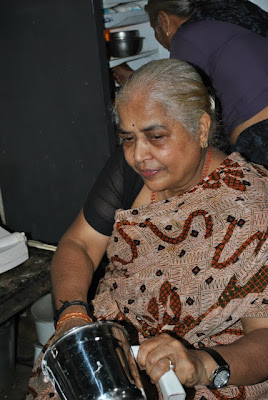
The house belonged to the late Kasturi Baile (fondly known to 1000s of travelers as Kasturi Akka/Amma). Shankar Nag fell in love with the vintage authenticity of the home in the mid 1980s. Kasturi Akka opened her doors to the entire cast & crew, including Master Manjunath (Swami) & Girish Karnad, making it the central heart of the show.
Kasturi Akka firmly refused to turn Dodda Mane into a commercial hotel/corporate resort & operated it like heritage homestay. She never took advance room bookings, never handed out a price list & never asked for money when guests left.
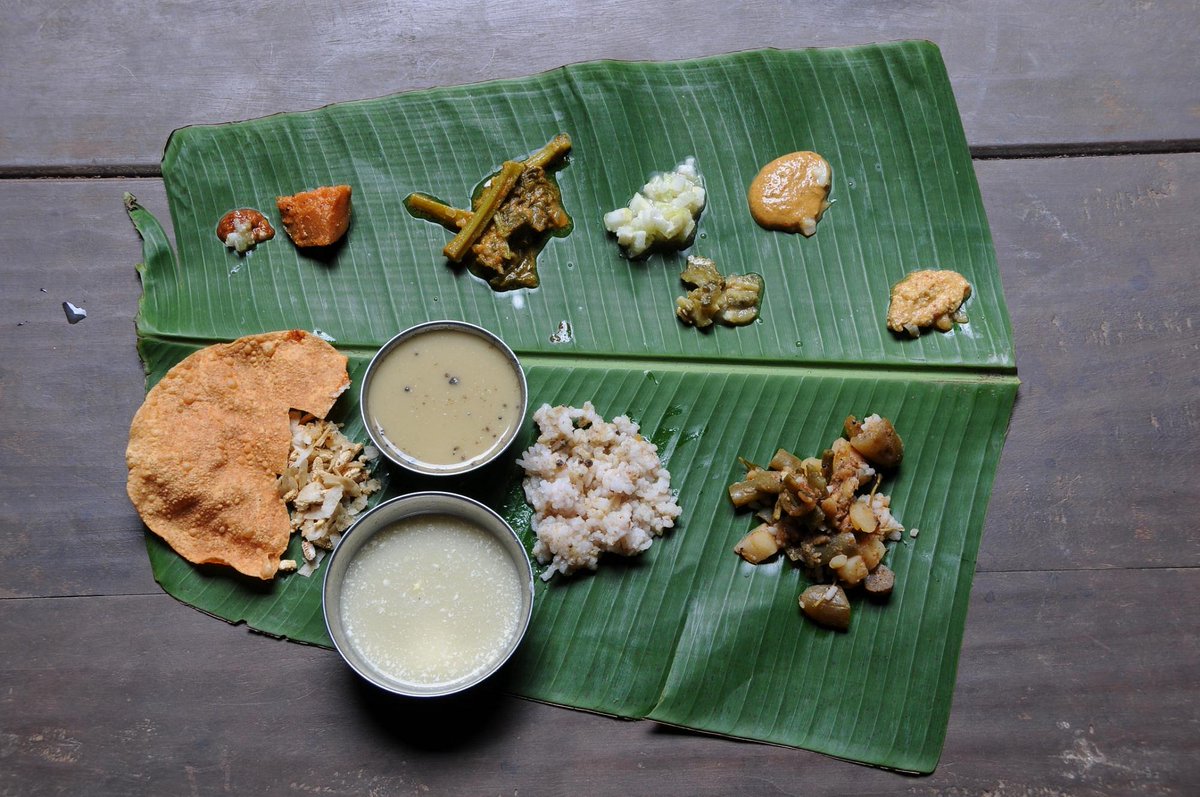
Visitors were given basic room/dormitory sleeping mats & served endless, heartwarming, traditional Malnad vegetarian meals served on banana leaves along with her famous herbal Kashaya tea.
Upon leaving, guests were simply pointed to a contribution box/allowed to hand over whatever amount they felt comfortable with, whether it was ₹100/1000/nothing at all.
Though Kasturi Akka passed away a few yrs ago, her family, specifically her daughter Sujaya & her extended family continues to live in Dodda Mane & hosts travelers who visit Agumbe to relive those childhood Doordarshan memories, keeping her exact legacy & open-door tradition alive.
Stepping into that courtyard still feels like Swami might come running down the wooden stairs any second! 🙏🙏
When I first came to India, the space industry was closed to private players.
The most well-known "startup" at that time was TeamIndus. Skyroot didn't exist.
A year later, in 2018, Skyroot was founded. Private companies in India couldn't launch rockets yet, but Pawan and Bharath forged ahead regardless, optimistic that liberalisation would happen someday.
Then, in 2020, it did. Indian companies were finally free to compete with American, Russian, European, and Chinese startups. They could build their own launch vehicles. And satellites. At an undisclosed location in the United States, Elon swallowed hard.
I was publishing videos about Indian companies on YouTube at this point. I remember thinking, "Making content about these spacetech developments is a once-in-a-lifetime opportunity."
Now, ~6 years later, Skyroot has gifted India with the biggest white pill of all time. While the world watched, a team of ~1,000+ Indian optimists (with an average age of 28) flawlessly executed an orbital rocket launch.
No private space company IN THE WORLD has ever done this on their first try. As I write this, I have goosebumps. I feel incredibly privileged to have been able to witness this firsthand. I also feel inspired by the resilience, ingenuity, and wherewithal of the entire Skyroot team.
The next chapter of India's space journey has officially begun.
KPS Gill was a patriot. He saved India. We should be perpetually grateful to him.
People are complicated. No human is 100% good or bad. Even the finest humans have personal flaws. Were there undocumented killings, including of cops by cops in Punjab? Yes. Were there human rights abuses yes. But that in no way negates the fact that KPS saved India. Every conversation about him does not need to be caveated. If you insist on the caveats, you also need to insist on caveats to Sutlej.
Let’s also be clear, Khalra did fight for human rights. But let’s be equally clear he was a funded stooge of terrorists who actively colluded with them and did their over ground work.
A “fair” movie (if that even exists) would show all those sides. Should the movie be banned? No. Why? Because it went unnoticed and the ban has created a Streisand effect. That said, the film maker hasn’t lost any money, he’s got his payday. Only the OTT lost money. The film maker is not deterred the OTT is. Diljit also got paid his “acting fees”. You want to deter Diljit - actively pirate all his songs and videos without consequences & ensure record companies incur massive losses. Ditto the film maker.
Also there is no “Khalistan” movement- just a bunch of drug peddlers trying to use terms like “political dissent” to get asylum abroad.
As usual, some journalists have gone bonkers with #SarlaBhat case, without any regard to facts.
1. She was in her 20s, not in late 30s.
2. The police investigation does not mention rape at all (it is possible, but the investigation does not mention it). It is difficult to establish this after 35 years.
3. She was abducted on April 18, 1990 and killed same day. Her body was found the next day.
Let us respect facts.
Noon Chai and Esophageal Ca
Is it just a scare tactic or something substantial.
Noon Chai is unlikely to be an independent carcinogen. But decades of research suggest that frequent consumption of large quantities of very hot, alkaline, salted Noon Chai especially when combined with traditional preparation methods and other regional dietary and environmental exposures, is associated with a substantially increased risk of esophageal squamous cell carcinoma in the Kashmir Valley.
The emphasis should be on context, not fear.
It isn’t simply the tea. It’s the cumulative effect of multiple risk factors acting over decades:
• Drinking it at very high temperatures, causing repeated thermal injury to the esophagus.
• The traditional alkaline preparation with sodium bicarbonate, which may favor the formation of carcinogenic nitrosamines.
• High salt content.
• Nutritional deficiencies, low fruit intake, smoked and pickled foods, tobacco use, indoor biomass smoke, and other environmental exposures common in high-incidence regions.
This is why Kashmir has long been recognized as part of the world’s “esophageal cancer belt,” where esophageal squamous cell carcinoma is disproportionately common.
The takeaway is not to abandon a centuries-old cultural tradition. Rather, it is to make it safer:
Let the tea cool before drinking.
Avoid consuming it scalding hot.
Moderate excessive daily intake.
Improve overall dietary quality and eliminate tobacco exposure.
Cancer epidemiology is rarely about a single culprit. More often, it is the result of several modest risks interacting over a lifetime. Noon Chai is best understood as one piece of that larger puzzle, not the entire story.
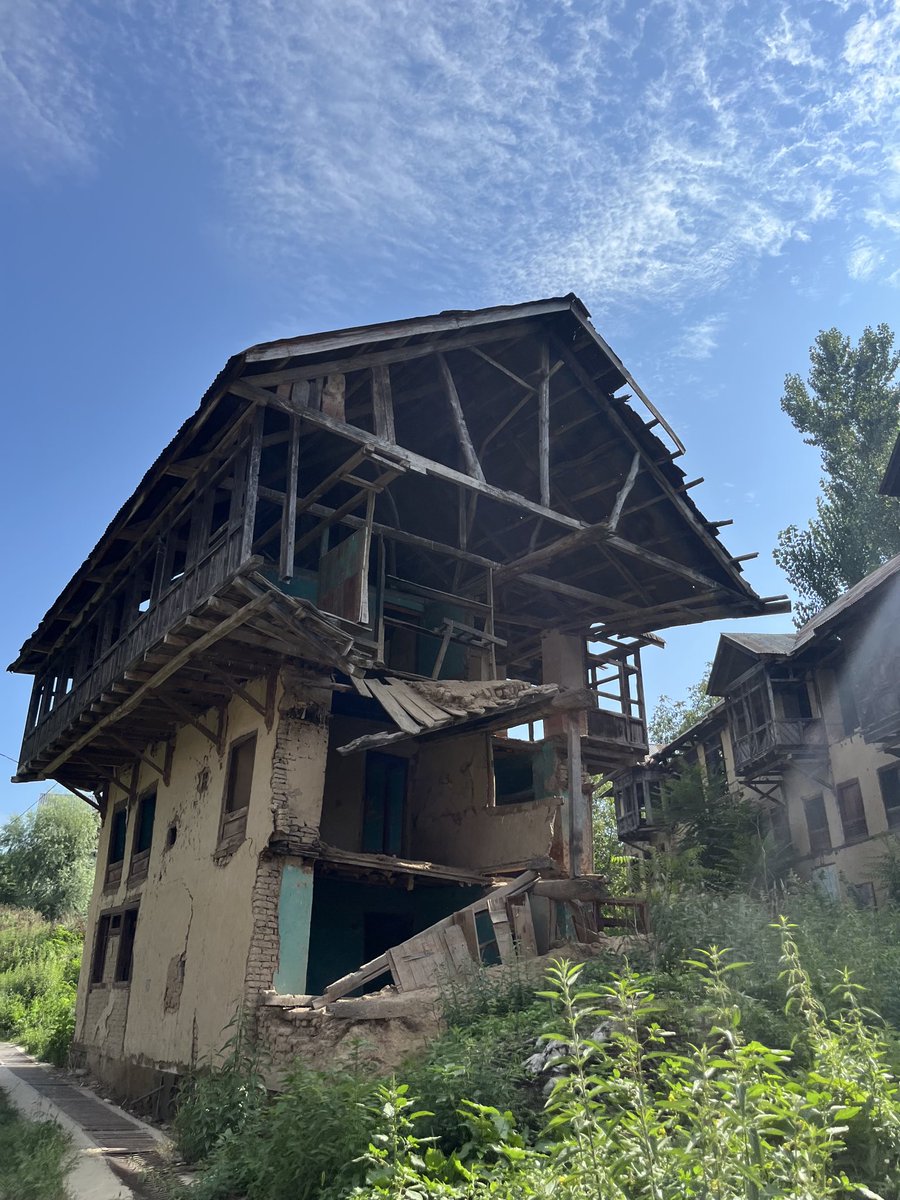
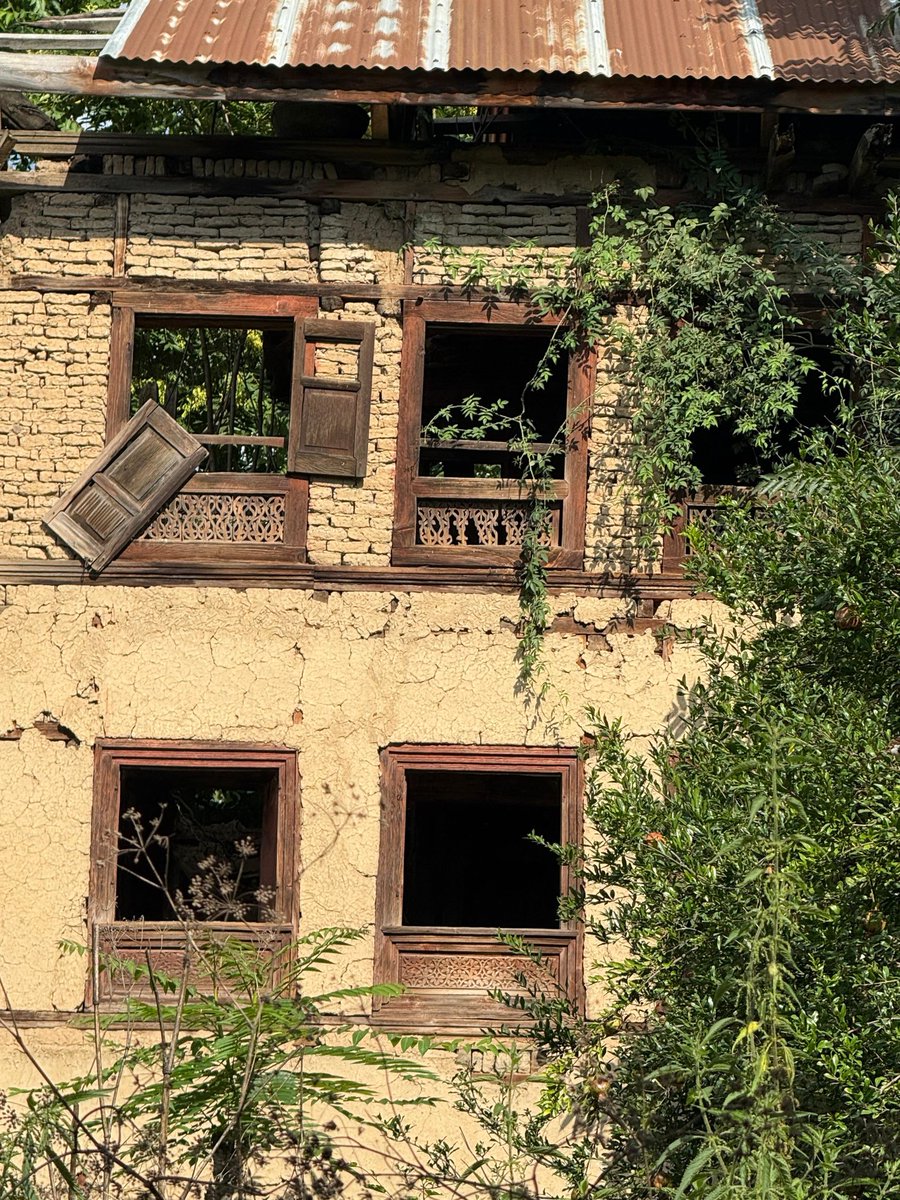
The first-ever investigation in the case of a Hindu minority killing in Kashmir in 1990 has just concluded. What does it mean for Kashmir? Open’s deputy editor @rahulpandita Pandita weighs in.
#KashmiriPandit#SarlaBhat
. Stuck 2 - 3 hours on Sonamarg road today due to traffic chaos.
“Paradise on Earth” is now choking in traffic jams.
@JKTDC — You chase tourist numbers, but forget basic infrastructure and tourist experience. Numbers mean nothing if every visitor leaves frustrated.
@CM_JnK@diprjk@OfficeOfLGJandK@JmuKmrPolice
Death is the one journey every human being must undertake alone.
Yet in Sanatana Dharma, we never leave a person unattended at this final threshold. The Antyeshti Samskara, the last rite is not merely the disposal of a body. It is an act of gratitude, a sacred responsibility, and a prayerful farewell offered by the living to one who has completed their earthly journey.
This is why one initiative of @ishafoundation deserves far more attention than it receives.
For nearly 15 years, Isha's #KayanthaSthanam crematoriums have quietly carried out a service that most of society prefers not to think about. While many institutions focus on the living, these volunteers have chosen to serve those who can never repay them, the departed and the grieving families left behind.
According to Isha's #Anukampa2025 report, the organization currently manages around 20 crematoriums and has facilitated more than 100,000 cremations since 2010, handling roughly 950–1000 cremations every month. These are not just numbers. Behind every statistic is a family standing in shock, a son lighting the pyre with trembling hands, a spouse struggling to accept an irreversible reality, and volunteers ensuring that the final rites are conducted with dignity and care.
What makes this effort unique is that it seeks to restore the sanctity of Antyeshti. Traditional chants, appropriate karmas, facilities for post-cremation rituals, and a respectful atmosphere are maintained so that the departed can be honored according to ancient Bharatiya traditions rather than being processed through an impersonal system. The intent is service, not commerce.
In December 2025, Isha expanded this work further by announcing free cremation services for Below Poverty Line families across Tamil Nadu. At a time when grief is often compounded by financial distress, this initiative ensures that no family is denied a dignified farewell simply because they cannot afford it.
The vision is even larger. Sadhguru has spoken about restoring thousands of crematoriums across Bharat to their traditional sanctity, transforming them from neglected municipal spaces into places where death is approached with awareness, reverence, and responsibility. The initiative has already expanded beyond Tamil Nadu, with partnerships emerging in Bihar as well.
In a culture increasingly obsessed with youth, speed, and consumption, there is something profoundly moving about people who dedicate themselves to ensuring that a stranger receives a proper final farewell.
Temples inspire us. Schools educate us. Hospitals heal us. But those who stand beside us at the moment of death perform a service that touches the very core of our humanity.
For reviving the sacredness of Antyeshti, supporting grieving families, and reminding society that compassion does not end with life itself, everyone involved in Isha's Kayantha Sthanam initiative deserves our gratitude.
Because dignity in death is not a luxury. It is one of the oldest duties of civilization.
There is no such thing as a "practicing Hindu" because there is no single practice. You can worship Shiva, a cow, a snake, or a bamboo and be a Hindu. If you don't worship anything, you can still be a Hindu. "Hindu" is simply a geographical identity. Anyone who is born in this land is a Hindu. If you believe "anyone can believe whatever they want," you are Hindu.
#SadhguruWisdom