@yoursimmo11 spot on🎯 massive information asymmetry in food, supps, and consumer products which leaves consumer making purchasing decisions based on how good the brand's marketing is versus the real quality of the product.
@BeavisStephen Peep the Aranet4 if you want to measure CO2 in your house. After a couple weeks, you'll have a good feel for when you need to open a window.
https://t.co/dOtKPekfyA
CO2 levels in the bedroom is the one everyone's sleeping on. They'll buy their $3k eight sleep, but wake up with 2000ppm co2 levels every monring and wonder why they feel groggy https://t.co/DO1zGXGMG5
We think a lot about what we eat, drink, and put on our skin, but rarely about what we’re surrounded by for 7–8 hours every night.
Your mattress, bedding, fragrances, and even the materials used to make them can all be part of your sleep environment.
Just start paying attention to what’s around you and make cleaner choices where they make sense.
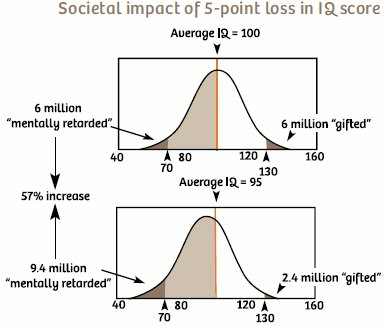
Leaded gasoline nuked IQ points for a generation of people.
Their genetic potential was stolen from them.
Environmental health is the "conditions that ensure that all living things have the best opportunity to reach and maintain their full genetic potential." -Steven Gilbert, PhD
The environment we spend the most time in is our own homes.
And what we let in is pathetic:
- PFAS in cookware, carpet, and clothing
- Neurotoxic pesticides tracked inside on your shoes
- Endocrine disruptors hiding in beauty products under "fragrance"
- Contaminants like 1,4-dioxane in your personal care products that the label never shows you
- Formaldehyde and the chemical soup used to dye and treat clothing
You couldn't opt out of leaded gas. But you can opt out of bringing this stuff into your home.
Habitat maxxing = genetic potential maxxing
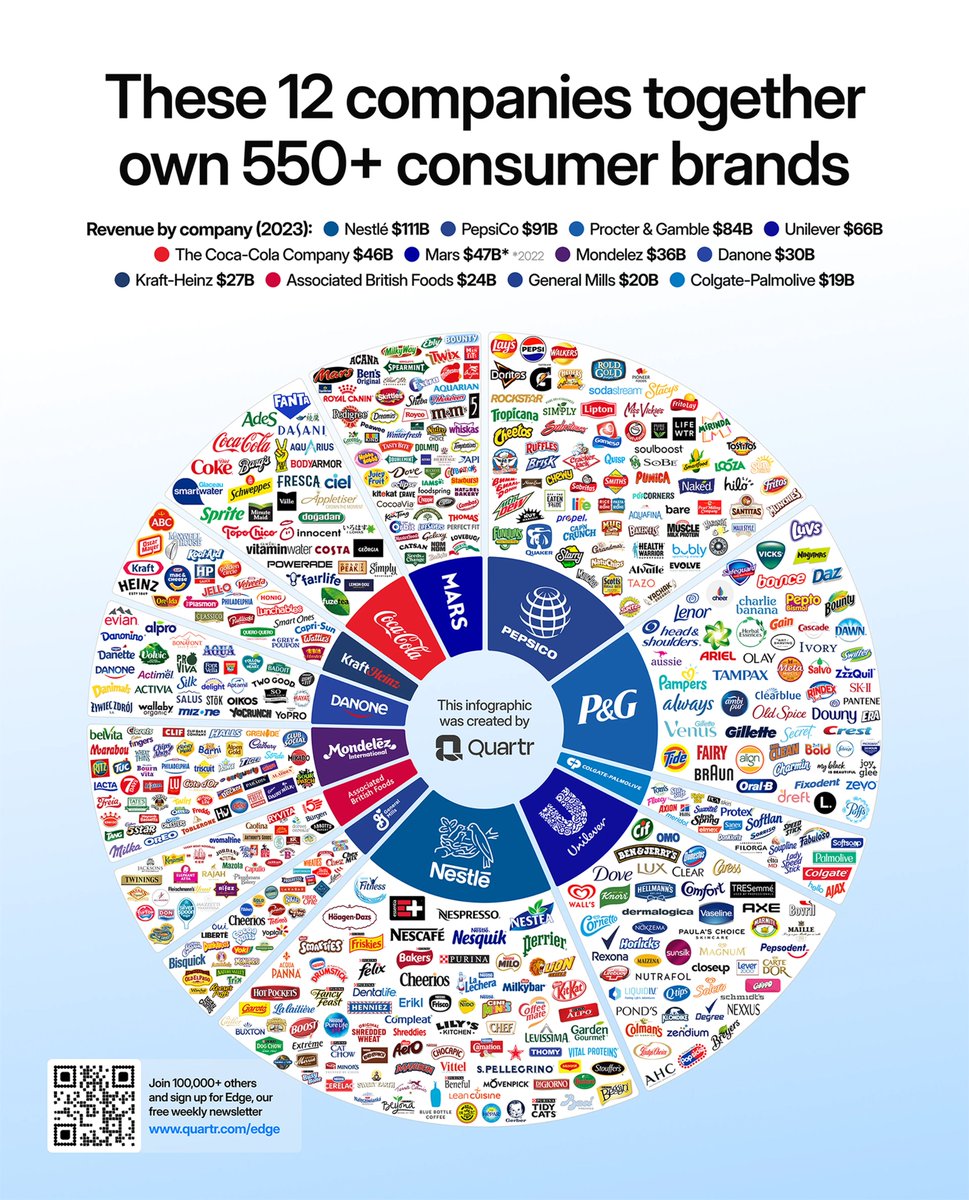
Been curious about the actual numbers behind this "illusion of choice." I've got all the data from working on Welpr, so will be looking into it.
Like if you look at the shampoo or all-purpose cleaner aisles at Target, what % of brands are owned by these conglomerates?
A handful of conglomerates own nearly all of the consumer goods market.
They own the capital, the brands, the shelf space, the distribution, and the data, creating a near-impenetrable flywheel.
They win price wars small companies can't. They achieve unimaginable economies of scale and spend billions creating demand.
The same principle applies to other CPG categories as well: household, cosmetics, etc.
Supermarkets give you the illusion of choice. You are buying the same slop with different names. Abdicate yourself from the consumer goods industrial complex.
Woah I hadn't heard of Sterigenics but just looked into it. Wild example because it was ethylene oxide in the air (usually it's water contamination you hear about in these lawsuits). Makes you wonder if people are doing the math at these companies weighing the cost of lawsuits versus profits from improper disposal of waste. Answer is prob yes b/c we know pharma does this. So yeah, I wonder if there's a free market solution here where it's never profitable to pollute then get sued.
Trying to wrap my head around the free market case for handling pollution.
"Free market environmentalism" sounds like an oxymoron because of stories like Tom's River (a synthetic dye manufacturer polluted the shit out of the river and groundwater for decades and gave people cancer).
But the idea that one can centrally manage something as complex as the environment is also insane.
@strawndk Great read! Makes me wonder how much of the negative health outcomes are dust mites themselves versus the chemicals we know household dust contains https://t.co/VpvryM6Sw6
I think that could be a good solution for certain situations, but (using the Tom's River case) the river being polluted in the first place was a structural failure in property rights. Free markets require clearly specified property rights, but water and air flow through property lines, so if you pollute your water on your property, but then it flows to someone else's, I don't know how you square that.
Don't just teach your students to memorize and repeat information 🧠
> Teach them to question what they read, what they study and why.
> Teach them to doubt.
> Teach them to think.
> Teach them how to learn from their mistakes.
> Teach them how to teach others.