@ChrisMartzWX This is misleading. The stations that have data availability from 1895 - 2025 are much more dense where there is a negative trend, across central/eastern CONUS (i.e., Midwest). The west, which has a strong upward trend, is poorly sampled in your aggregate bar plot.
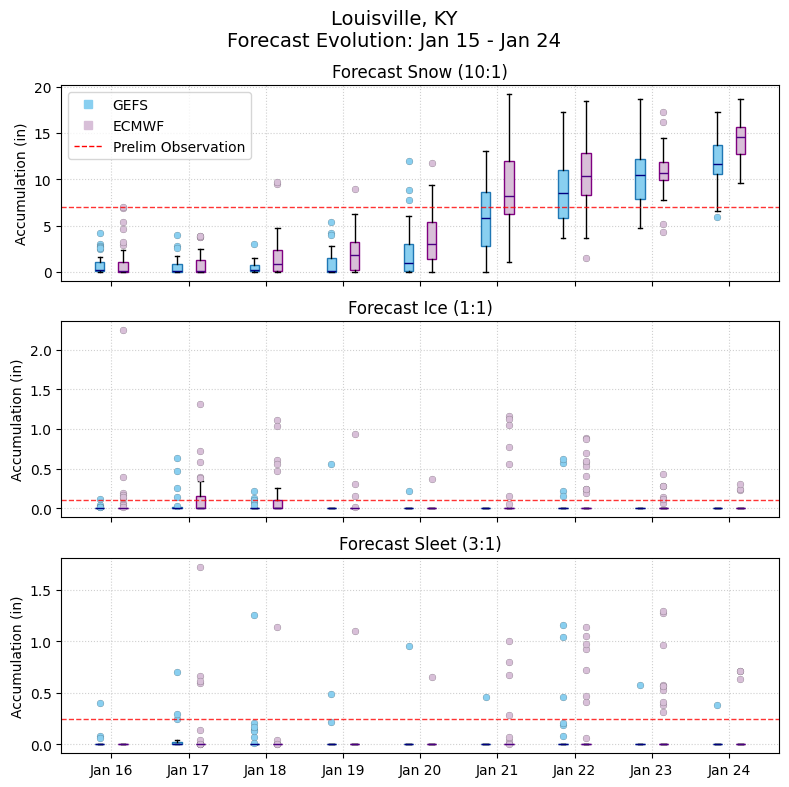
The ECMWF IFS ensemble and GFS ensemble (GEFS) both struggled with precip types and amounts for #WinterStorm#Fern across the Ohio Valley. Model guidance for Louisville and Bowling Green, KY were pretty far off up through the event start (hi-res models struggled too).
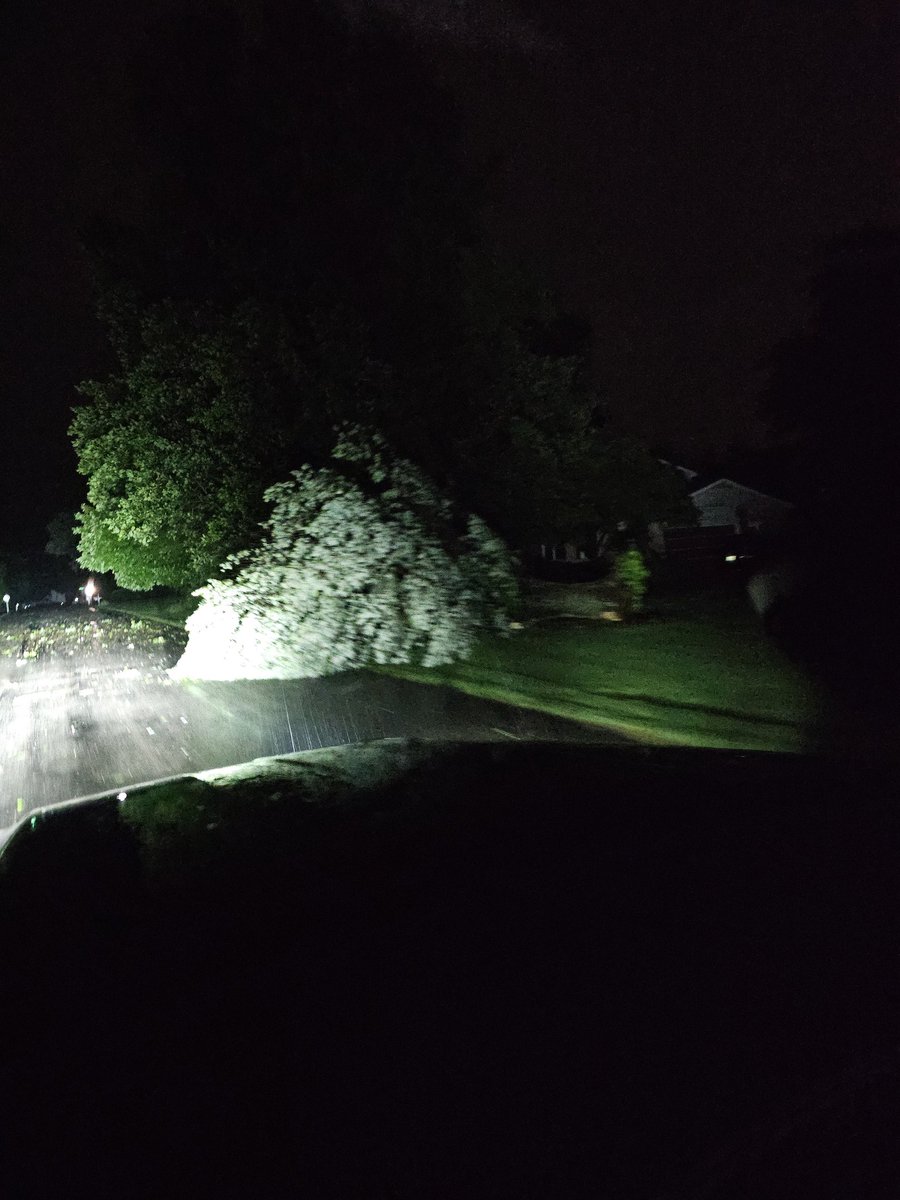
.@ginger_zee gives a big shout out to the students at @wku and Dr. Josh Durkee, the university meteorologist, who jumped in to help their communities respond to the deadly tornadoes in Kentucky. 👏
https://t.co/kWY5S6eOU4
What influence does climate change have on severe weather events, like the rare December tornadoes that caused so much devastation?
@DashaBurns reports from Kentucky tonight on @NBCNightlyNews at 6:30 ET / 5:30 CT (check local NBC station listings)
More: https://t.co/T3MFLTxC8I
Speakers for the first session of today's seminar, "Low carbon technologies and strategies," are @EPRINews CEO Arshad Mansoor, EPRI Senior Technical Executive Geoff Blanford, @EPrinceton Professor @JesseJenkins and @ActuateOrg Director of Climate Lara Pierpoint.
THREAD: Day 1 of the 24th @EPRINews Energy and Climate Research Seminar kicks off at 12:00pm ET today with high-level conversations about "Decarbonization Opportunities and Policy."
Follow this thread for some expert commentary from today's discussions! https://t.co/dv2la8sECr
@mjallen176 This is great! I was just talking about updating my cold air outbreak criteria with a rolling 20 to 30 year climo to account for relative cold in the future.
Our latest Research Summary by @ClimatoloGuy investigates how extreme temperature events and extreme humidity events in North America have changed over the last several decades.
Find out more at https://t.co/TqI8obEBkb