X account for Construct Magazine. Retweets are for informational purposes only.
Ask Civil Engineering related questions under our tweets, we will try to answer
@Mr_Ssebuguzi Our road is elevated to cross over the road on the left. Then, it must lower to meet the one on the right. The distance to do it is too short OR they failed to make it work OR this is AI to get interaction
@sciencegirl From civil engineering standpoint the only true solution is to reduce weight. The band aid solution is to build walls around it eventually
Reinforced concrete stairs can genuinely influence structural behavior by changing stiffness, load paths, and torsional response.
In our latest article, we examine why and what to do
https://t.co/dFA15Xtxoq
#StructuralEngineering#SeismicDesign#CivilEngineering
This is simple civil engineering, applied perfectly. Concept is simple: Determine the 50 or 100 year rainfall for an area, determine the flood it will cause, and make your flood barrier accordingly and or remove your structures from that flood's path. Simple as that.
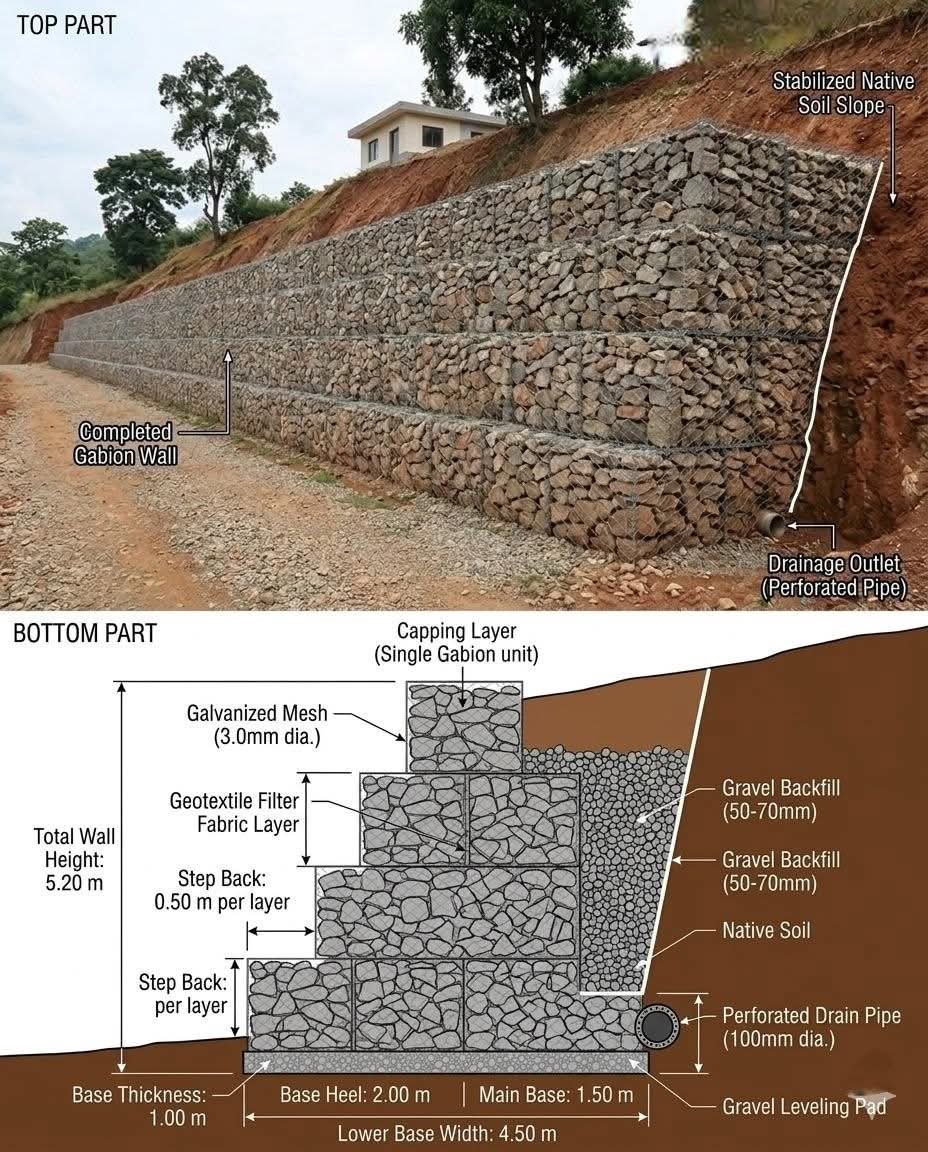
Gabion retaining walls: Watch for poor drainage, weak foundation soil, undersized baskets, bad rock grading, lack of filter fabric, bulging faces, corrosion risk, and inadequate embedment. Most failures start with water or poor compaction, not the gabions themselves.
#gabionwalls
@civilengCE Gabion retaining walls: Watch for poor drainage, weak foundation soil, undersized baskets, bad rock grading, lack of filter fabric, bulging faces, corrosion risk, and inadequate embedment. Most failures start with water or poor compaction, not the gabions themselves.
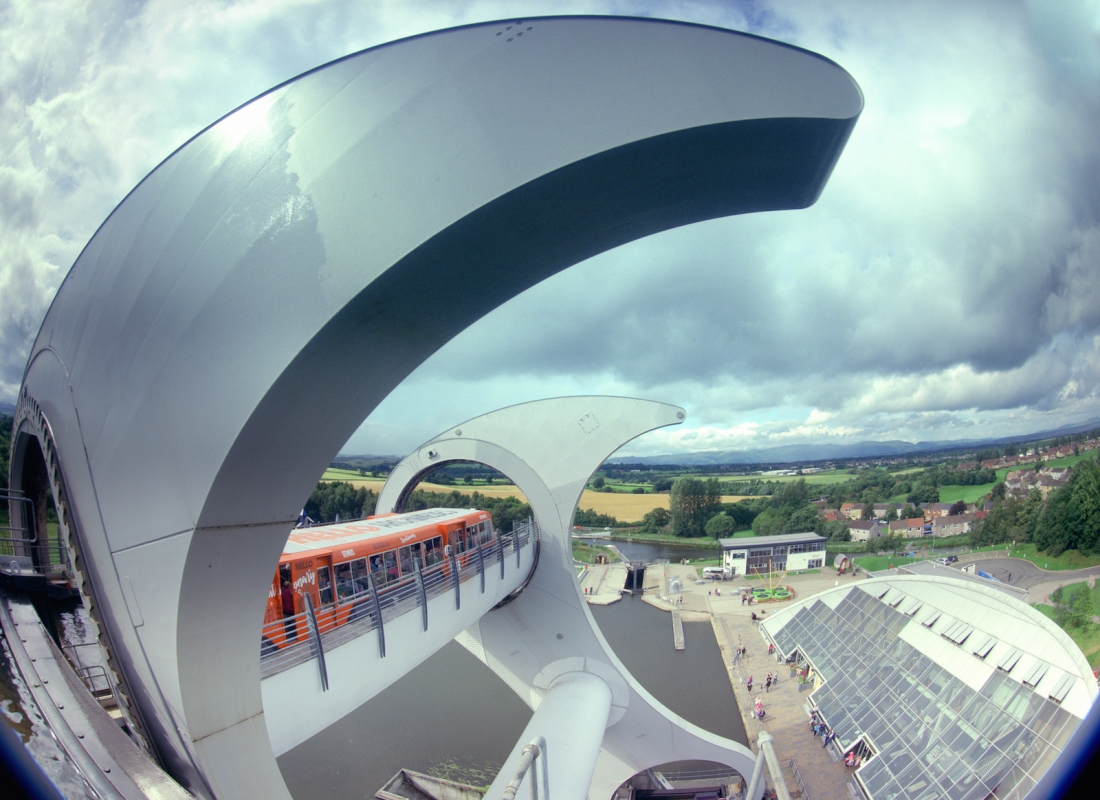
The world’s 1st and only rotating boat lift officially opened #OTD in 2002.
Taking the shape of a Celtic-inspired, double-headed axe, the Falkirk Wheel now connects two historic canals in central Scotland—but its story begins centuries earlier. When it was completed in 1790, the 35-mile Forth & Clyde Ship Canal was the world’s deepest sea-to-sea canal, linking the North Sea and Irish Seas. Later joined by the 31-mile Union Canal by an impressive flight of 11 locks, both canals fell into decline and, by the mid-20th century, were closed, severed or blocked at more than 30 locations. What followed was not simply restoration, but reinvention.
The result: A 115‑foot rotating lift with 2 arms to carry gondolas with water‑filled caissons—each holding up to 66,000 gallons and up to 4 boats—moving vessels between the aqueduct and the basin in about 15 minutes. Recognized as a joint ASCE / @ICE_engineers Landmark, the Falkirk Wheel showcases how past ingenuity and modern engineering can deliver enduring social, economic and environmental benefits.
Explore the history and engineering behind the remarkable innovation—free on @ASCEpublishing's #ASCELibrary now through May 31: https://t.co/tRTL1waxTT. #VisitASCELandmarks
If you and your family are recreating on our waterways this Memorial Day Weekend, be mindful of all warning signs in your area and be vigilant and cautious near the water. Have a safe and fun Memorial Day!
#california#WaterSafetyMonth#watersafety#watersafe#safety#swimming #MemorialDayWeekend #MemorialDay #summer
@civilengCE The freespan is normal.for a cable stayed bridge. The height wouldn't be an issue because the deck is erected by hanging from cables above. Still it is a nice achievement and looks elegant. Wish the cables were visible too
🏙️The Steel Slice of Manhattan
The Flatiron Building in New York, designed by architect Daniel Burnham and completed in 1902, slices through Manhattan’s grid with its bold triangular form. Rising 22 stories at the meeting of Broadway and Fifth Avenue, its Beaux-Arts façade and steel-frame construction turned an awkward plot into an architectural icon that still feels timelessly modern.
💬What other early skyscraper do you think captures this same timeless elegance?
#FlatironBuilding #DanielBurnham #NYCArchitecture #HistoricArchitecture #SteelStructure