We used AI as a research assistant and created a study on the opportunity cost of excess savings; it shows that wealth is forgone when that surplus sits in low-yield deposits rather than a conservative portfolio
#5: There is a clear product gap. Priority segments include the urban middle class aged 25–35, with gaps in digital wealth management, hybrid pension-investment plans and financial education.
Consensus expects AI infra suppliers and hyperscalers to generate STRONG operating cash-flow growth before broad evidence exists that end customers are making commensurate economic returns from AI. This is not an accounting inconsistency, but it creates a duration and ROIC risk
The infrastructure build can continue while end-user monetization catches up, but eventually the capital deployed must generate sufficient incremental revenue or productivity to justify continued investment.
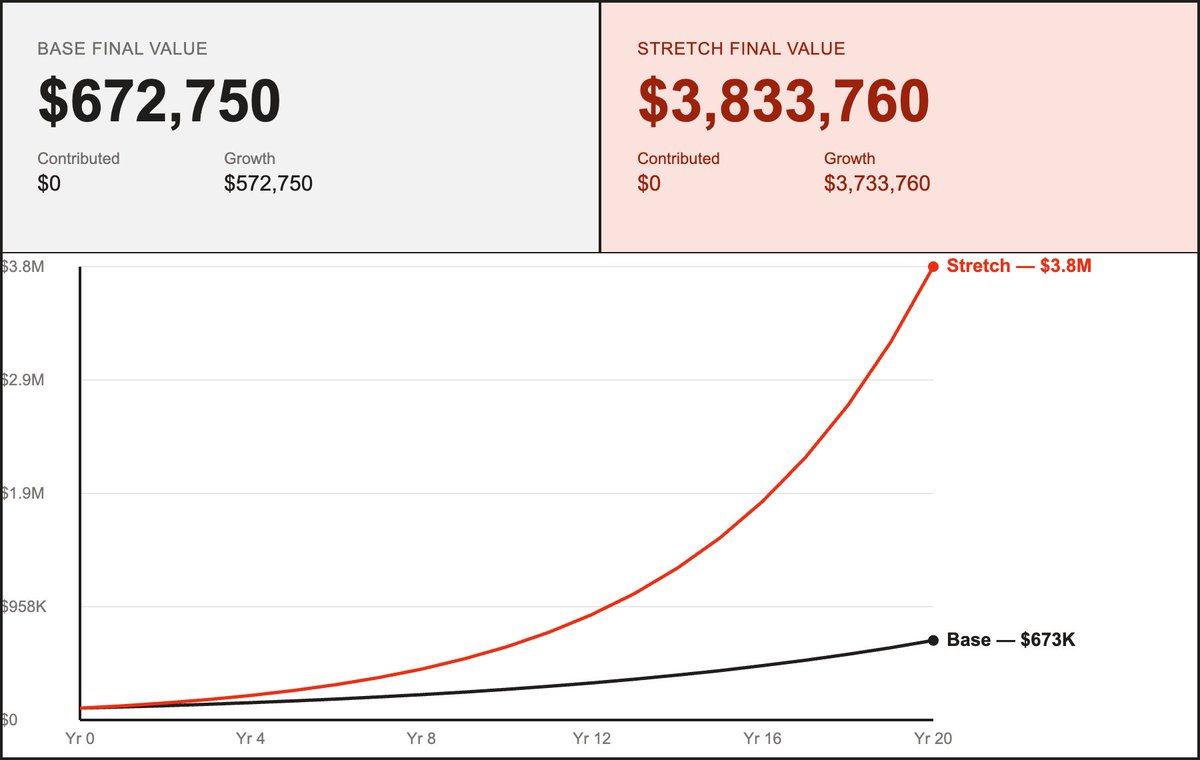
The power of compounding:
Investing 100k today for 20 years,
-at 10% return per year, your initial investment will become 672,750 by Yr 20 before adjusting for inflation
-at 20% return per year, it's a whopping 3,833,760
NASDAQ index history: An investment at the March 2000 peak (~5,048) did not break even in terms of purchasing power until January 17, 2018. It took roughly 18 years for the index to finally close above its dot-com era peak on an inflation-adjusted basis.
Big Tech has a $1.67T off-balance-sheet "shadow debt" problem and Oracle CDS is flashing 18-yr warning signs.
The hidden line connecting AI data centers to global credit stress on the latest The Contrarian Economist: https://t.co/CfhcEPsiOJ
Follow the trail from a shipping chokepoint in the Persian Gulf to the fertiliser in the ground to the price on your grocery receipt - and explain why the market is quietly mispricing all of it.
https://t.co/7S3A43z0Os