Energy-Limited Radiolytic Habitability in the Shallow Martian Subsurface: Implications for ExoMars Rosalind Franklin and Tianwen-3 https://t.co/muAHK7MuCE #astrobiology
Understanding the cosmos gives us a clearer, more humble sense of what our home world really is.
Opinion | Dr Dimitra Atri @cosmicatri via @TheNationalNews
https://t.co/1GgCAMk9ax
“Space exploration deepens our understanding of Earth. It gives us a clearer, more humble sense of what this planet really is.” Dr Dimitra Atri, Research Institute Centre for Astrophysics and Space Science at NYUAD #EarthDay
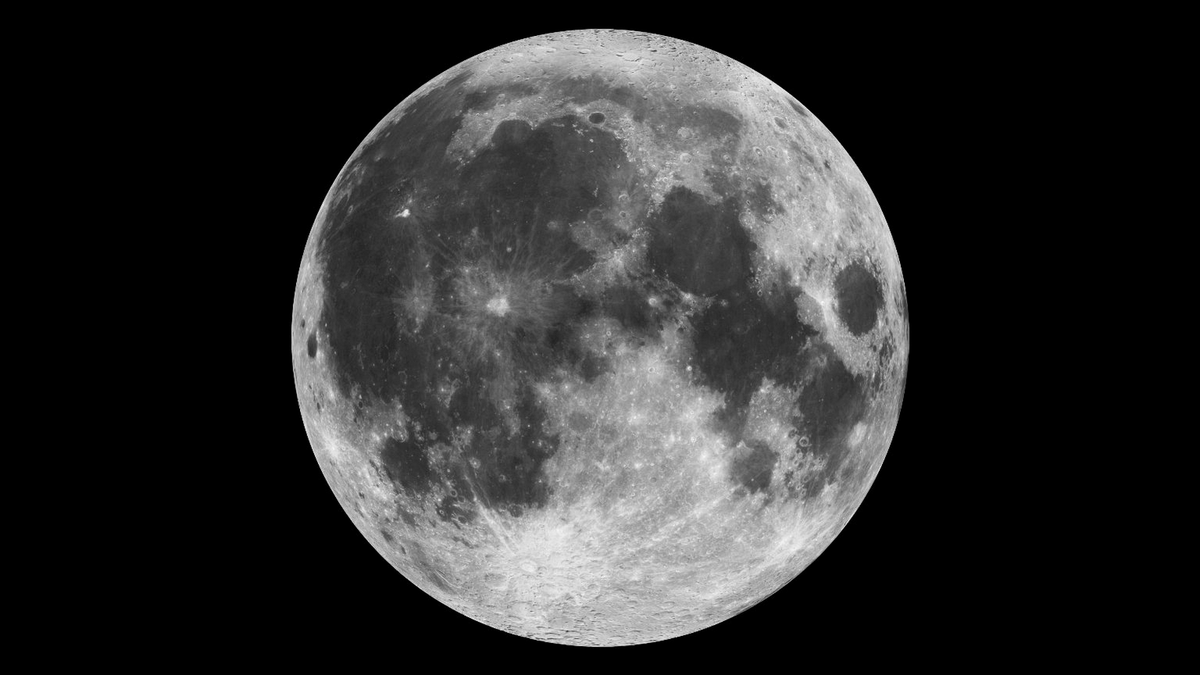
As the @NASA#Artemis mission pushes beyond Earth’s shield, astronauts face extreme radiation, up to 200× higher on the Moon. @NYUAbuDhabi researchers use advanced simulations to study these risks, supporting designs of spacecraft and habitats for future Moon and Mars missions. More: https://t.co/rXLW5t20uv
Image Credit: NASA Goddard Space Flight Center (GSFC)
The mission is operating around Mars since 2021 and has been extended to 2028. Our team is actively working on understanding this planet. While we navigate uncertainty on Earth, we keep asking the biggest question of all: are we alone?
From up there, you don't see borders or conflicts. You see worlds waiting to be understood. This is Mars. Not from NASA. Not from ESA. From the UAE's Hope orbiter @hopemarsmission#mars#nyuad#uae#abudhabi#dubai
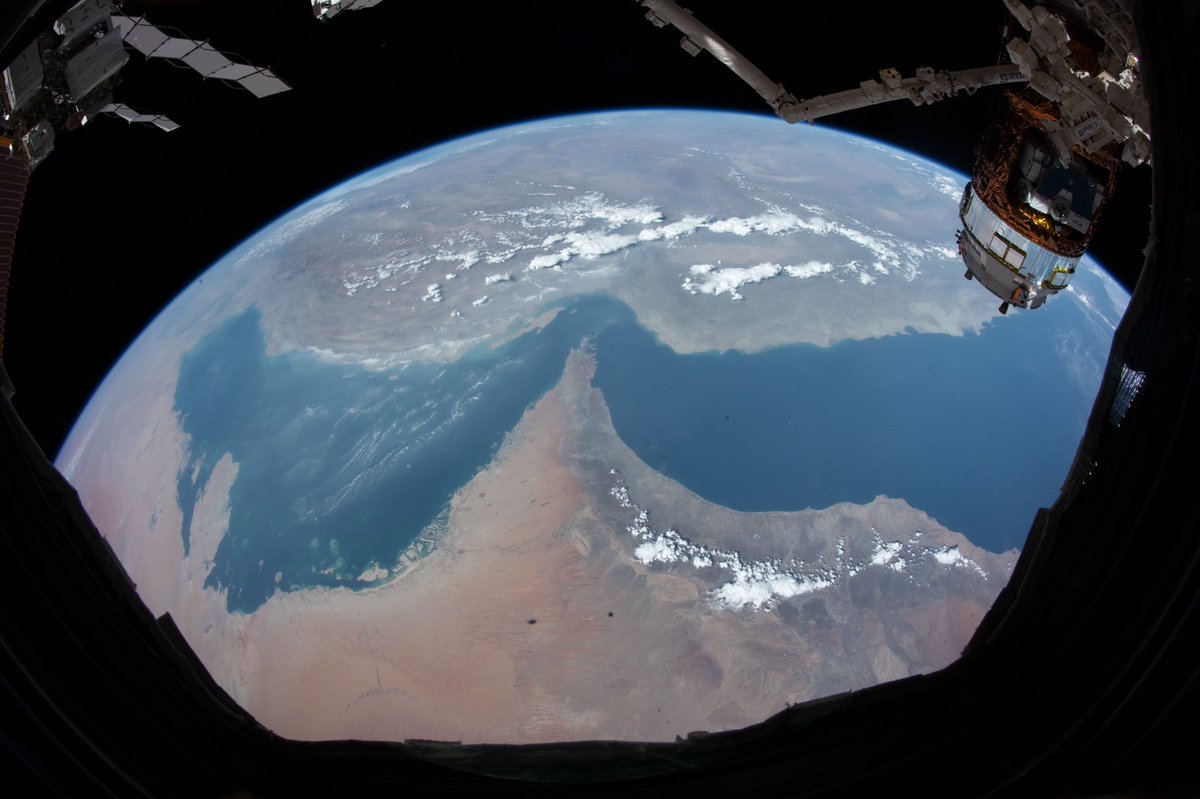
From up there, you don't see borders or conflicts. You see our planet, our home. This is the UAE, photographed by UAE astronaut Hazza AlMansoori from the ISS. This is why we do what we do. Our lab exists because this country decided to reach for the stars. #uae#abudhabi#dubai
Traces of ancient underground water beneath the Martian surface reveal that the planet may have remained habitable for life much longer than previously thought. 🌌
Led by Dimitra Atri, scientists from NYU Abu Dhabi’s Space Exploration Lab found new evidence showing Mars’ potential to support life.
🔗 Learn more: https://t.co/gQcWAg4JLy
#NYUAD #MarsResearch #UAEResearch
My first paper is published @jgrplanets, It explores lithified dunes in Gale Crater and UAE analogues, revealing how dune water interacts in dry period and improve habitability on Mars.
Grateful to Dr Dimitra @cosmicatri for the guidance and support.
https://t.co/vJQdkjDW2N
Life on Mars? Not so fast.
This new paper is exciting, but we need to be careful. Finding chemical reactions that could support life is not the same as finding life itself. One rock, one sample, one set of reactions isn’t enough to make that leap.
There’s a line from Jurassic Park that I often think about: “Life finds a way”. Every time we study microbes thriving in boiling acid, in Antarctica, or deep underground, we see that truth repeated.
Opinion | Dimitra Atri @cosmicatri via @TheNationalNews
https://t.co/4ppMIPPa8T
Electrons released when cosmic rays strike water-ice can provide energy for microbes and facilitate the formation of complex organic molecules. https://t.co/VVMflRqQub
🚀 A new study from NYU Abu Dhabi’s Space Exploration Laboratory has found that high-energy particles from space, cosmic rays, could generate the energy needed to support life underground on planets in our solar system.
📖 Learn more: https://t.co/JhsFtlYDua
#UAEResearch
@therebeDragos@SciGuySpace I know. But they are the only option now and have the potential and capability to make a reliable HLS, which @SpaceX is currently struggling with.