Evidence-based advice and tips from a group of sleep experts. Tips updated daily. Help us share the importance of sleep during the 2020 COVID-19 Pandemic
@adrian_ajwsleep All good points! 8 hours was only in reference to the 'old wives tale'. Aim is to convey the longitudinal association between long sleep duration and increased ORs for adverse health outcomes. Individual sleep requirement is another nuance that probably requires its own tweet :)
Sleep Tip #9: We've all heard that we should get 'at least 8 hours' each night, but more is not necessarily better. Research suggests that regularly sleeping >9 hours is associated with an increased risk of health disorders and increased sleepiness. Aim for between 7-9 hours!
I want to help, I'm a psychologist so I'm going to offer phone chats (free of course) for NHS frontline workers who want to talk through coping, stress & anxiety - have done work on resilience and NHS before @BrennanSurgeon. Please DM me #NHSThankYou#NHS#coping
I will be sharing some sleep tips and tricks via sport bite live June the 17th. Tune in if you an athlete looking for that extra Edge!! 🧠💤
@sportbitelive
COVID Sleep Tip #4: Try to get as much natural sunlight in the morning as possible. Natural sunlight helps reset your body clock each day. Research has also shown that more light exposure during the EARLY part of the day improves your sleep at night! (pls RT) #insomnia#COVID19
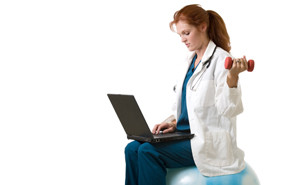
COVID sleep tip for healthcare shift-workers: Too much caffeine during the night shift can impair your sleep when you get home. Research has shown that short bouts of exercise can be more effective at keeping you awake during the night shift than caffeine! #keyworkers#insomnia
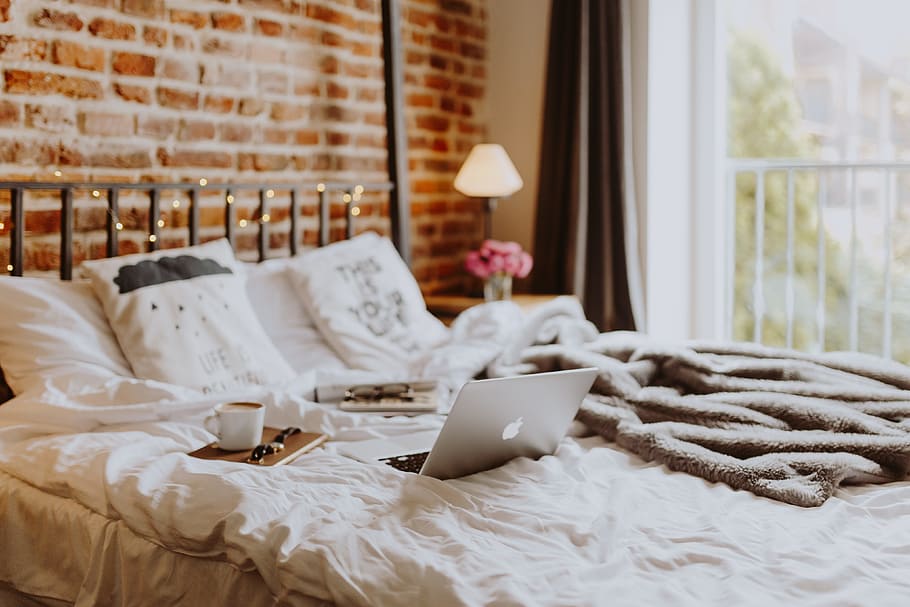
COVID Sleep Tip #1: Avoid working in bed or using your bedroom as an office. Over time, this can cause your brain to associate your bedroom environment with wakefulness which can lead to sleep difficulties. Try to keep separate rooms for working and sleeping #sleep#COVID19
@MattB49301653 @WyeSleep Good point! There is huge variation between people's ability to breakdown caffeine. It takes some people's body's much longer. Research also shows that some drugs (like methylpehnidate) may make you more sensitive to caffeine.
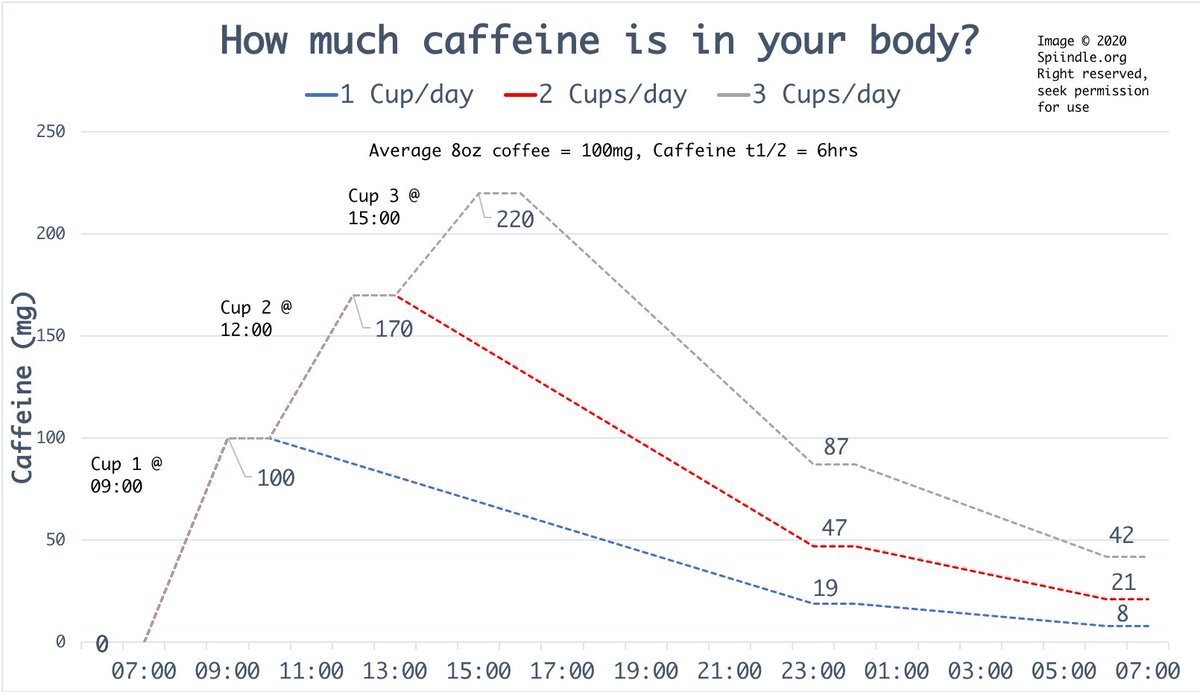
COVID Sleep Tip #6: Here's why you're drinking too much caffeine! When working from home It's tempting to indulge in that extra coffee break, but caffeine is more powerful than you think. Just 3 cups before 3pm is the same as drinking 1 cup at 11pm. Image https://t.co/5iJ9BYulfh
COVID SLEEP Q&A: Do you have questions about how the lockdown might be affecting your sleep and what to do about it? Reply to this tweet, tweet us @CovidSleep or DM us and we'll do our best to answer them. #insomnia#lockdown2020
COVID sleep tip #8: Avoid electronic tablets for bedtime reading. One experiment conducted by Harvard University showed that those used light-emitting e-books before bed took longer to fall asleep than those who read printed books and felt groggier the next day!
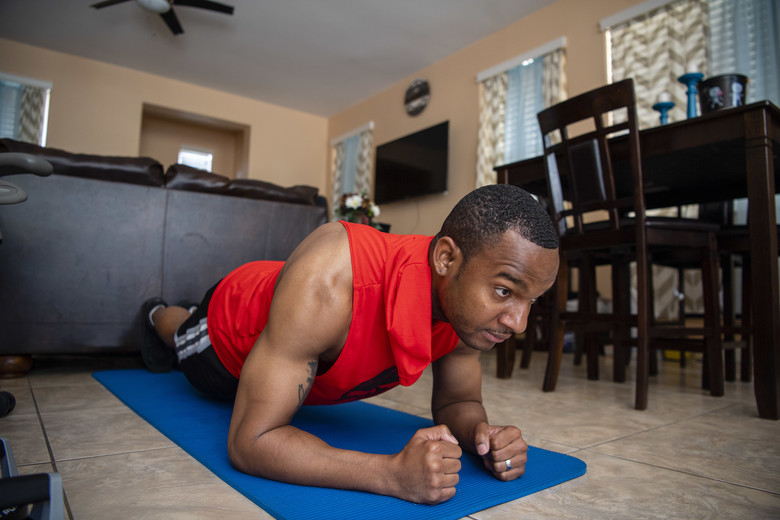
COVID sleep tip #7: Be careful with home workouts! Studies show that intense exercise <1hr before bed impairs sleep. Exercise increases core body temperature which stops the body from triggering biological processes that send you to sleep. #insomnia#COVID19
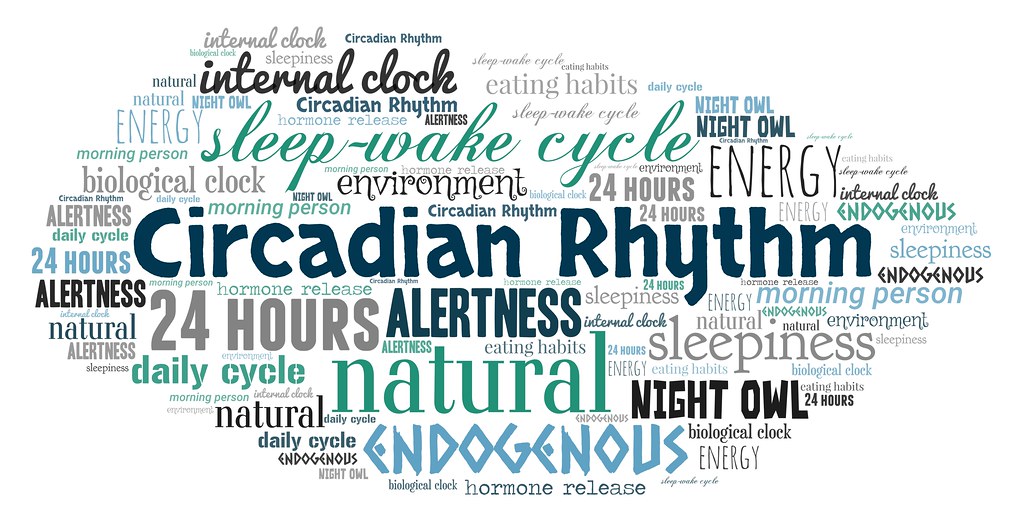
COVID sleep tip #7: Experiment with your sleep schedule. We all have a unique body clock determining or optimal sleep time. This is largely genetic. Forcing sleep outside of this time can lead to poor sleep quality. Find the time that's right for you #insomnia#COVID19
COVID Sleep Tip #4: Try to get as much natural sunlight in the morning as possible. Natural sunlight helps reset your body clock each day. Research has also shown that more light exposure during the EARLY part of the day improves your sleep at night! (pls RT) #insomnia#COVID19
COVID Sleep Tip #5: Can't sleep? try the 15-minute rule. If you've been awake >15 minutes, it's best to get up and do something relaxing before returning to bed when you feel sleepy. This helps you to associate your bed with feeling sleepy rather than awake #insomnia#COVID19
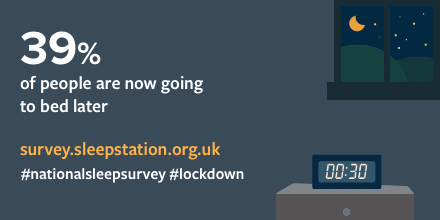
Are you one of the 39% who going to bed later since lockdown? Our latest survey results with @TheSleepCharity and @_sleepstation on the nation's sleep are in. Read more >> https://t.co/SIek4WMjy8