A little whack-a-mole on the Red Planet?
After nearly a year of trying to dig into the Martian surface, the heat probe, or “mole,” on our @NASAInSight lander is about to get a push: https://t.co/jLHT7DpPmL
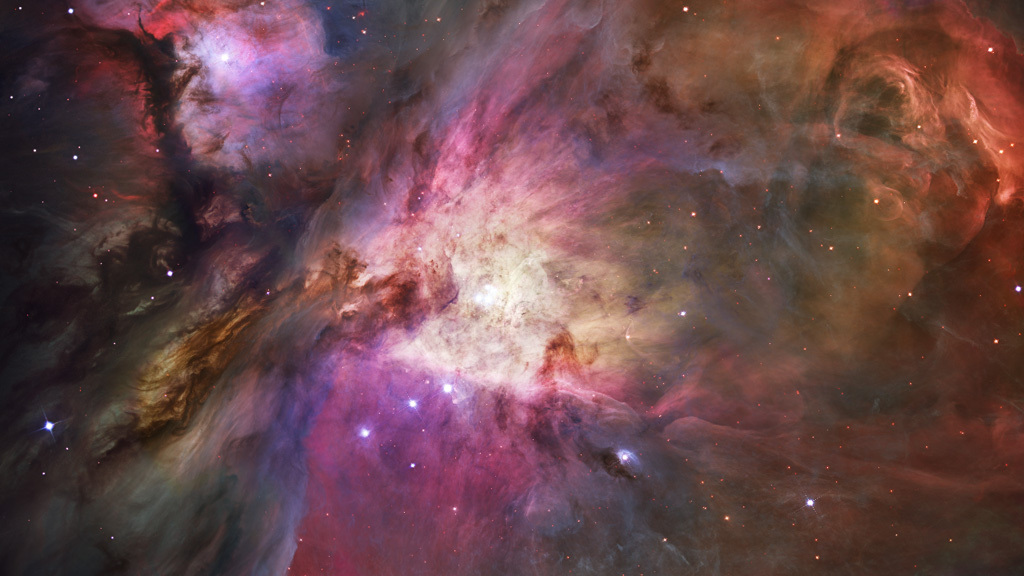
Join NASA’s Universe of Learning as they present a live chat on Facebook about how a star is born! Tune in tomorrow, February 18 at 5 pm ET, 2 pm PT here: https://t.co/xlPKcTT97s
That's what's so great about @NASAEarth, @NASASun, @NASAMoon and @NASAExoplanets — no matter how much space is between us, there's a lot of love. Let's keep exploring! 🔭🚀
"I always kid those astronauts that don't do the spacewalks. I said, the view from inside here through this flat window is pretty good. The view from outside is just amazing." @NASA_Astronauts' Mike Foreman recalls viewing Earth during his time in space: https://t.co/jz9UivziDX
To the "Pale Blue Dot" from this interstellar bot: @NASAEarth, you still look as beautiful as the day I took this picture of you.
Can't get over this newly-processed version of your 1990 portrait: https://t.co/999wK9CaV5
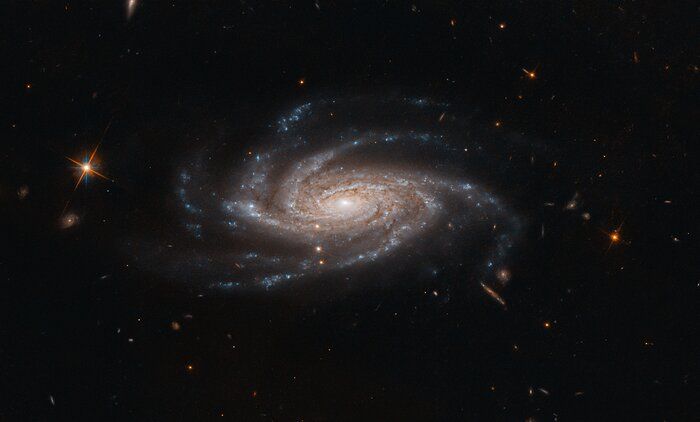
The spiral galaxy NGC 2008 sits centre stage, its ghostly spiral arms spreading out towards us, in this image captured by the @NASA / @esa@HubbleTelescope. This galaxy is located about 425 million light-years from Earth in the constellation of Pictor. https://t.co/rtbz5YWqIb
Astronomers have found a #FRB that repeats on a regular cycle. Every 16.35 days, the signal named FRB 180916.J0158+65 follows a similar pattern. For four days, it will spit out a burst or two every hour. Then it falls silent for 12 days. https://t.co/QhFFEaZtE7 @ScienceAlert
Watch #SolarOrbiter head to space on Feb. 9! Launch coverage starts at 10:30pm ET / 7:30pm PT on Sunday at https://t.co/U8T7pZsiWZ 🚀
In the meantime, learn about the solar secrets the mission will unlock: https://t.co/rX55sN60NN ☀️
#NASAWebb is your eye-piece to the uncharted, unknown, and unimagined! ✨ This video is an overview of the mission, its goals, and its challenges. View here or download: https://t.co/U56nsJFPsF