Muy feliz de poder compartirles este artículo científico 🤓 sobre variación geográfica en señales de comunicación acústica en una ranita venenosa 🐸
Junto a Adolfo Amezquita y @fvargas_salinas#cienciacriolla#EECO
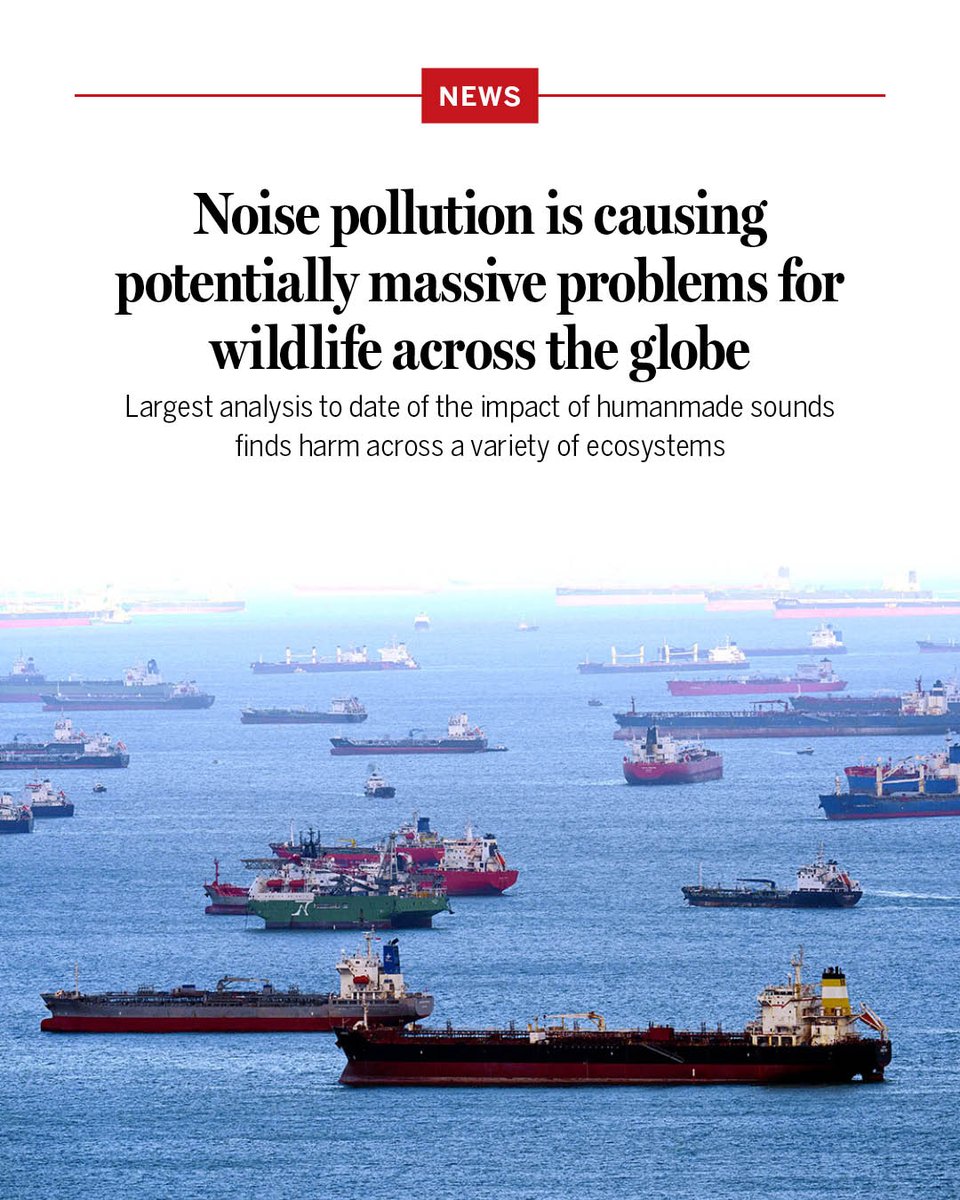
Scientists have long known that noise from human activities—from the roar of jet engines to the whir of ship propellers—can harm animals, stunting their growth and even scrambling their eggs. But it’s been unclear just how pervasive the problem is.
A massive analysis reveals the impacts are far more widespread than even researchers thought.
Data from 177 species that live on land and in the water reveal the vast majority are impacted by sound in some way, fundamentally altering their biology and behaviors, and causing many to die early.
Learn more: https://t.co/uI0VagTK2a
It will take more than TikTok videos for Abelardo de la Espriella to break the influence that armed groups hold over swathes of Colombia—and certainly more to address the country’s fiscal crisis https://t.co/qZgMxzNnU9
Scientists have long known that noise from human activities—from the roar of jet engines to the whir of ship propellers—can harm animals, stunting their growth and even scrambling their eggs. But it’s been unclear just how pervasive the problem is.
A massive analysis reveals the impacts are far more widespread than even researchers thought.
Data from 177 species that live on land and in the water reveal the vast majority are impacted by sound in some way, fundamentally altering their biology and behaviors, and causing many to die early.
Learn more: https://t.co/uI0VagTK2a
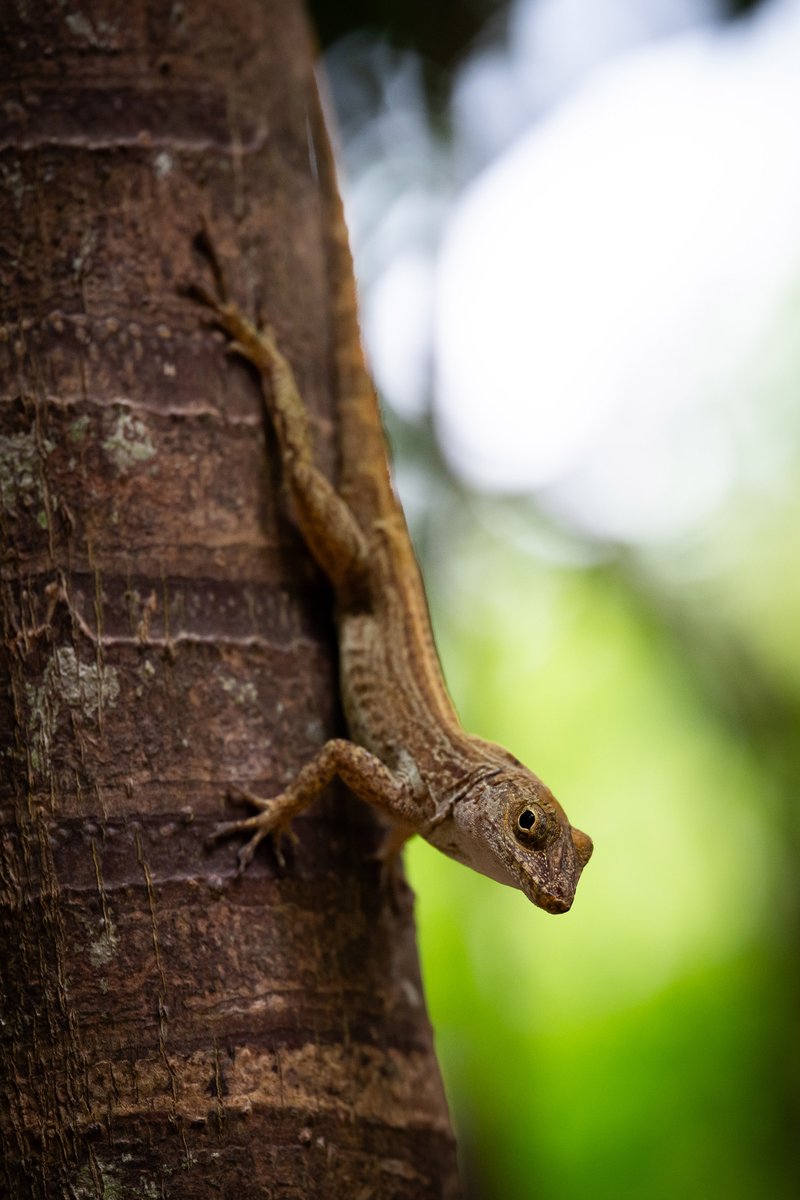
As the climate warms, anole lizards living at the forest’s edge can adjust their behavior to stay cool. Anoles in closed-canopy forests can’t do the same and have increased their heat tolerance by an average of 2 °C over the past decade. In PNAS: https://t.co/4ZTLJGtep7
Habitat fragmentation may be causing birds to lose genetic diversity far faster than previously estimated.
A new Science study of 62 songbird species in China found that all had lost nearly half their genetic diversity over roughly 50 years, including species considered common and at low risk of extinction. https://t.co/AFhlf3blJ5
🚨 new podcast!
🏙️ listen to our latest podcast episode on the story behind the paper, "paler within the city: carotenoid-based colouration covaries negatively with the proportion of impervious surface in great tit territories across Europe"
🎧️ https://t.co/G6W1iadTLa
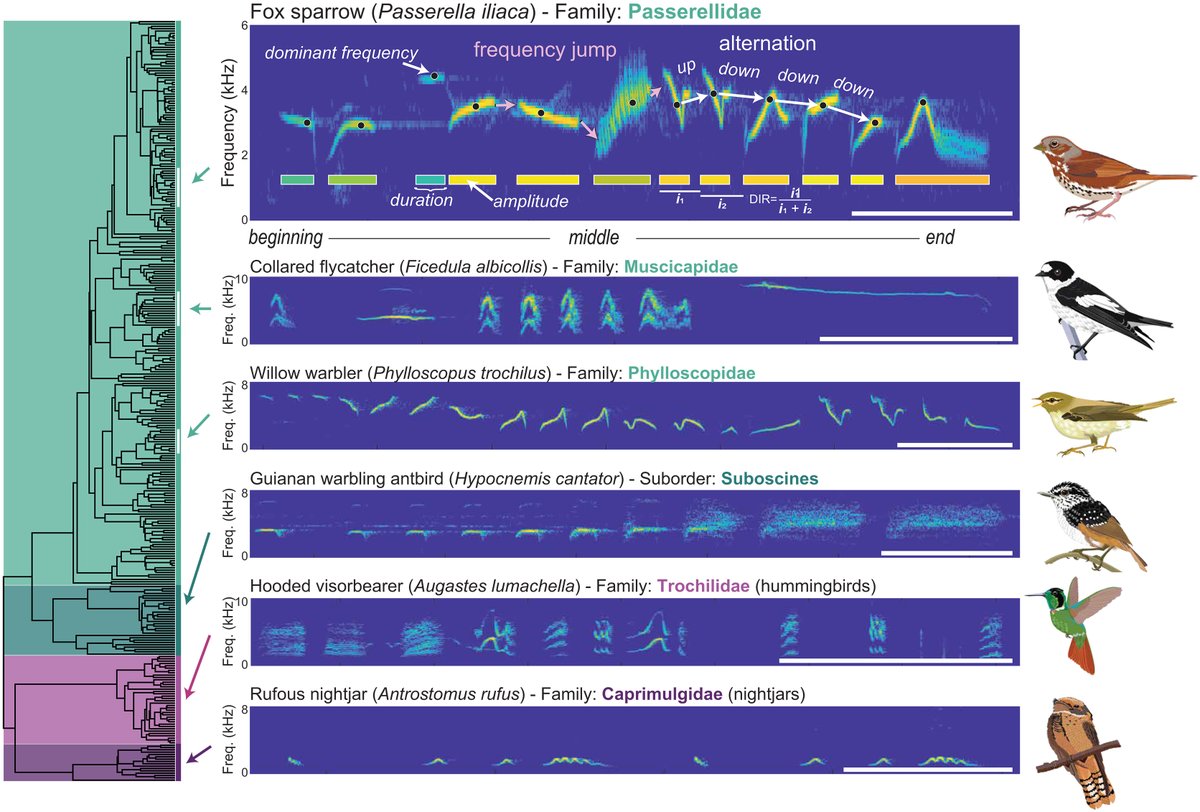
Bird songs share surprising similarities with human music and speech, according to a large-scale study comparing vocalizations across hundreds of bird species and dozens of human languages.
The findings in Science suggest that these similarities may arise partly from shared biological mechanisms, rather than vocal learning ability alone.
Learn more: https://t.co/2airIuhcv0
In 2024, researchers reported that Ethiopian wolves enjoy licking nectar from red hot poker flowers, documenting this behavior for the first time in a large predator.
Learn more: https://t.co/t7nj0GkDDi #ScienceMagArchives
Habitat fragmentation may be causing birds to lose genetic diversity far faster than previously estimated.
A new Science study of 62 songbird species in China found that all had lost nearly half their genetic diversity over roughly 50 years, including species considered common and at low risk of extinction. https://t.co/AFhlf3blJ5
About 130 million years ago the first flowering plants emerged, eventually bearing a dazzling array of fruits that would grow alongside the dinosaurs. But researchers have long questioned whether dinosaurs ever made these earliest fruits a main course.
Now, a toothless, turkey-size oddity with a parrotlike beak may be the first known dinosaur frugivore.
Researchers report a newly discovered dinosaur that lived alongside Tyrannosaurus rex and Triceratops named Infernogallus jamesi—meaning “hell chicken”—that was fully adapted to a fruit-based diet.
The anatomy bears a striking resemblance to modern parrots, the authors say. Learn more: https://t.co/LJhKmZuPif @NewsfromScience
This research highlight focuses on humans as apex predators 👇️
Human hunters—still poorly understood—likely cannot mimic the roles of disappearing top predators🦌 🏔️ 🔎
📖 https://t.co/jn92kSc4zz
📖 New research
Megafaunal engineering in the tropical rainforest: African forest elephants reduce avian species richness but elevate functional diversity🐘 🌳 🦚
🔎Read more: https://t.co/GIIPal0s3L
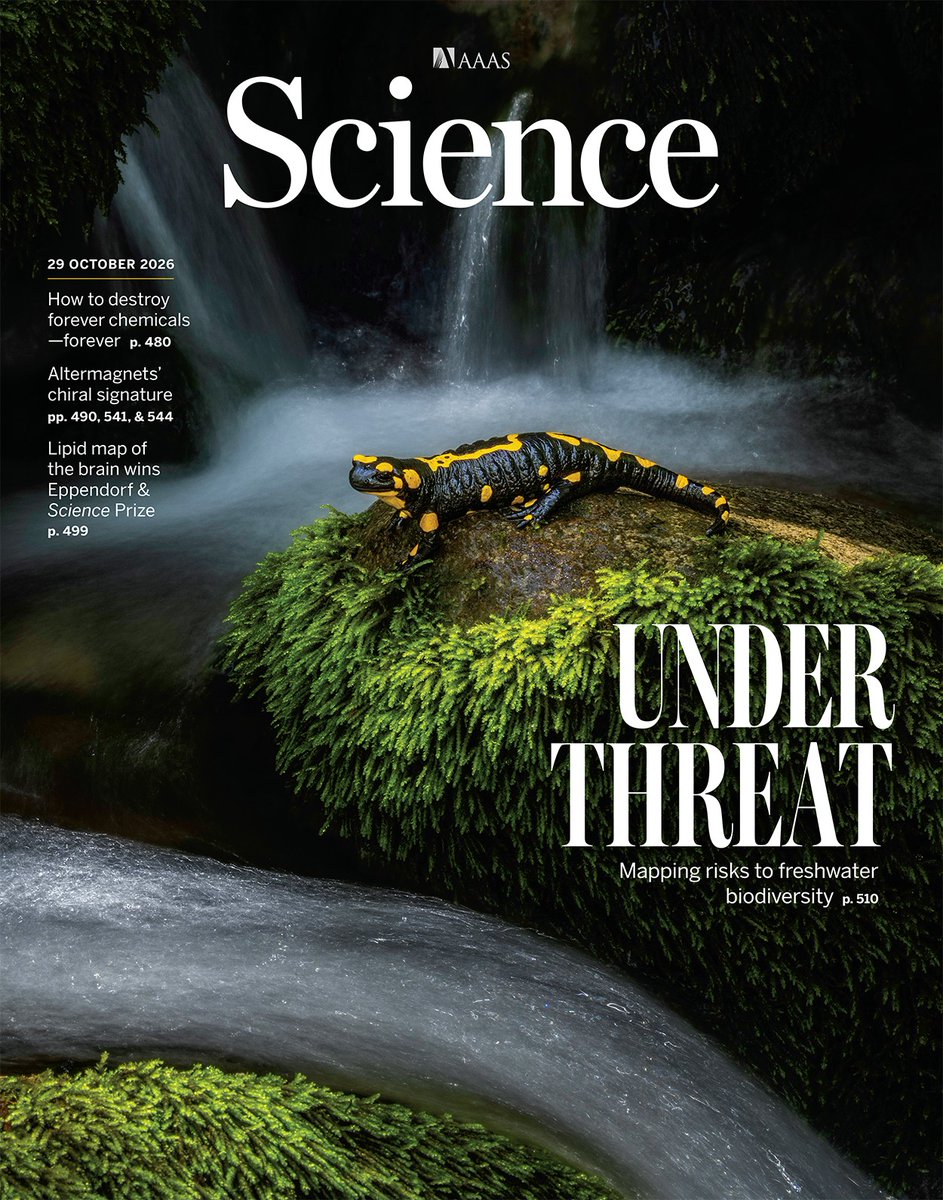
Freshwater species face widespread human pressures, but where those pressures affect biodiversity has remained poorly understood.
New Science research maps 45 threats across more than 21,000 freshwater species, revealing hotspots of impact and helping guide conservation and management efforts where they are most urgently needed.
Learn more in this week’s issue: https://t.co/HKckxSkKTY
Bird songs share surprising similarities with human music and speech, according to a large-scale study comparing vocalizations across hundreds of bird species and dozens of human languages.
The findings in Science suggest that these similarities may arise partly from shared biological mechanisms, rather than vocal learning ability alone.
Learn more: https://t.co/2airIuhcv0