Sit still for a second.
Feel that? You’re currentlymoving at 1,000 mph, orbiting the sun at 67,000 mph, and drifting through the galaxy at 490,000 mph.
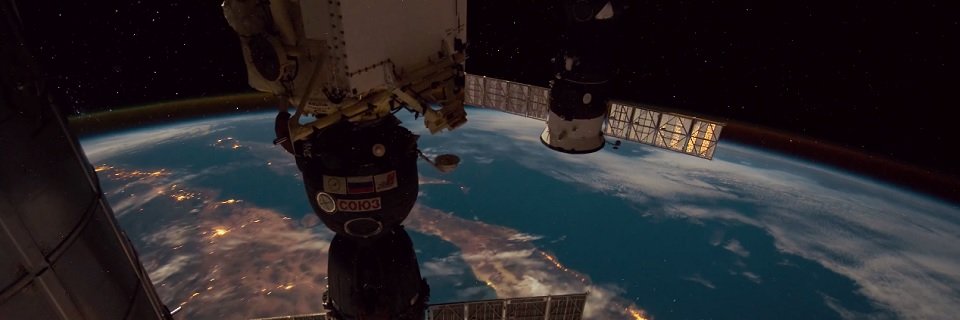
This animation is a reminder that "standing still" is just an illusion.
The Universe Just Got a Lot Stranger: JWST's Revelations Are Shaking CosmologyNASA's James Webb Space Telescope (JWST) is living up to its promise as a cosmic game-changer, delivering observations in late 2025 and early 2026 that are forcing astronomers to confront cracks in our deepest models of the universe. While no single "new law of physics" has been declared, the telescope's infrared gaze into the early cosmos is revealing phenomena that don't neatly fit existing theories—prompting talk of a potential scientific revolution.Key mind-benders from recent JWST data:Unexpectedly massive and mature galaxies in the infant universe — JWST has spotted hundreds of surprisingly bright, structured galaxies appearing just 300–800 million years after the Big Bang. Some are as massive as the Milky Way far earlier than standard cosmology (ΛCDM model) predicts galaxies could assemble. A 2025 COSMOS-Web survey mapped nearly 800,000 galaxies and found 10 times more early galaxies than expected, challenging how quickly dark matter halos and star formation ramped up.
"Impossible" shapes and structures — Filamentary, elongated young galaxies observed in deep fields hint at dark matter behaving differently than cold dark matter simulations assume—possibly favoring "warm" dark matter models or entirely new physics to explain these cosmic oddities.
Hidden monsters and shapeshifters — A "Jekyll and Hyde" galaxy appears normal in visible/UV light but reveals a ferocious, obscured supermassive black hole in infrared, suggesting rapid black hole growth outpacing galaxy evolution in the reionization era. Runaway supermassive black holes speeding through galaxies at millions of mph add to the chaos.
Other extremes — From the most distant supernova ever seen (at cosmic dawn, ~730 million years post-Big Bang) to bizarre exoplanets orbiting neutron stars with diamond cores and soot clouds, JWST keeps uncovering outliers that stretch formation theories.
These aren't outright contradictions yet—many can be reconciled with tweaks to galaxy formation models, better accounting for bursty star formation, or early mergers—but the sheer volume and maturity of early structures has astronomers rethinking timelines. The Hubble tension (discrepancy in universe expansion rate) persists, with JWST data leaning toward unknown physics over measurement error.This is the thrill of frontier science: JWST isn't just snapping prettier pictures—it's peeling back layers of the cosmos and exposing how much we still don't know. Textbooks may not need a full rewrite tomorrow, but the universe is proving far more inventive, turbulent, and mysterious than our models anticipated. The revolution isn't here yet... but the evidence is piling up fast.
Credit: NASA/ESA/CSA James Webb Space Telescope teams, recent papers in Nature Astronomy, Astrophysical Journal, and collaborations like COSMOS-Web, UNCOVER, and more.
Ever wonder what happens in the aftermath of a supernova?
In this video, you’re watching the glowing remnants of a stellar explosion disperse over a period of 25 years, making this @chandraxray’s longest-spanning video ever released. https://t.co/suIQHKdWM0
No CGI, no movie magic—just the surface of Mars in high definition. It is absolutely wild that we have eyes here.
140 million miles away from everyone you know!
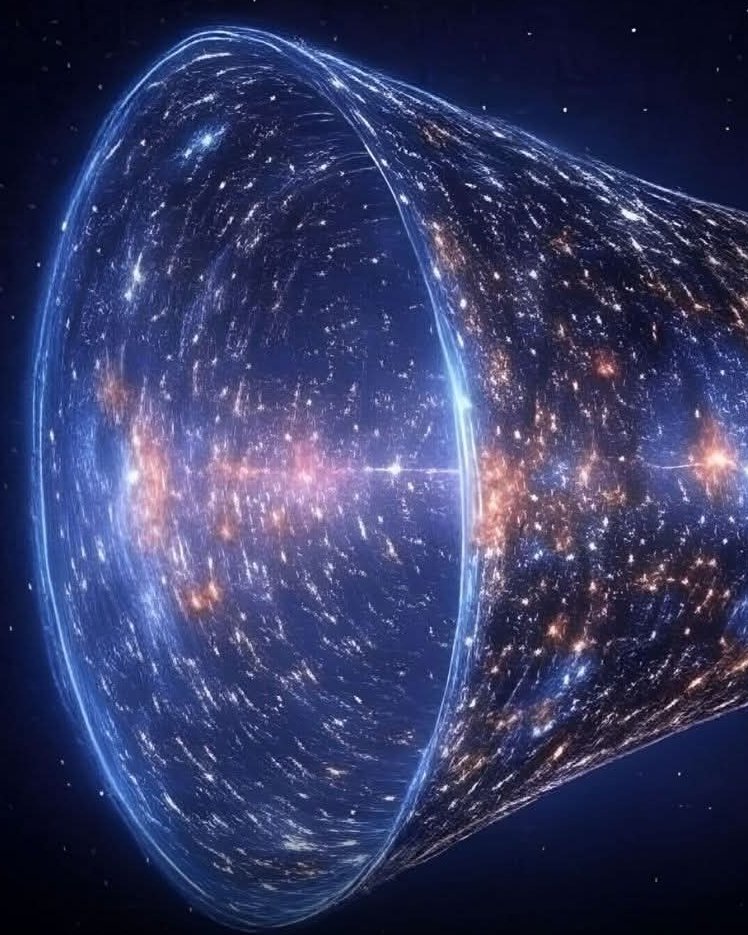
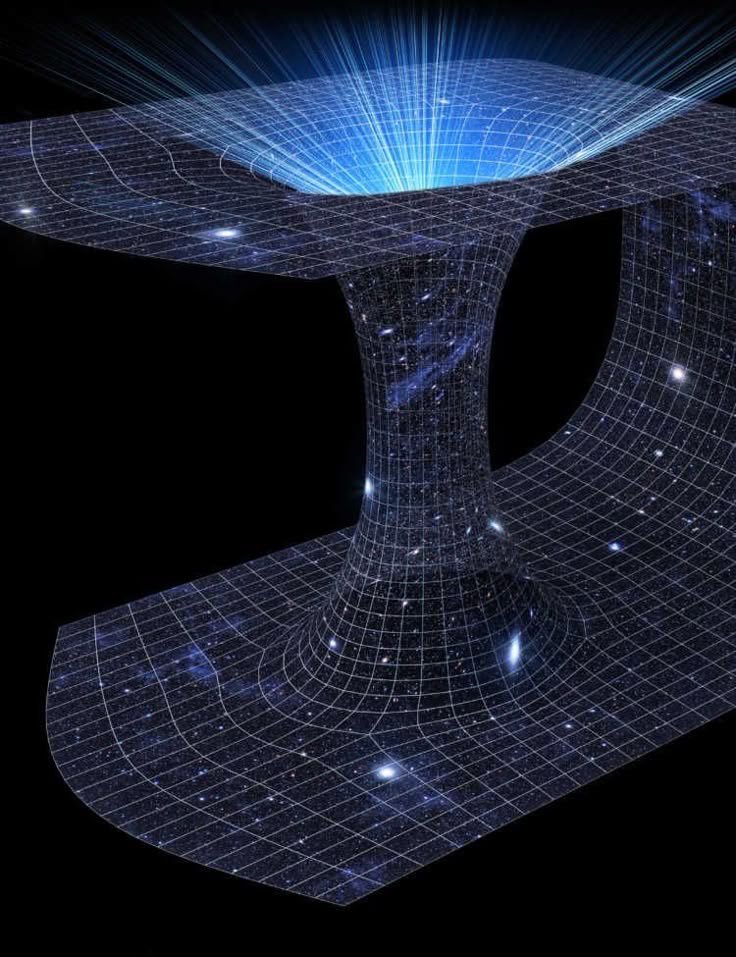
🚨 Physicists now suspect our universe has a MIRROR twin — a cosmos running backward in time ⏳
If that’s true, we’re only seeing half of reality, because the Big Bang may have created two universes, and we’re living in just one side of the cosmic mirror. 🌌🪞
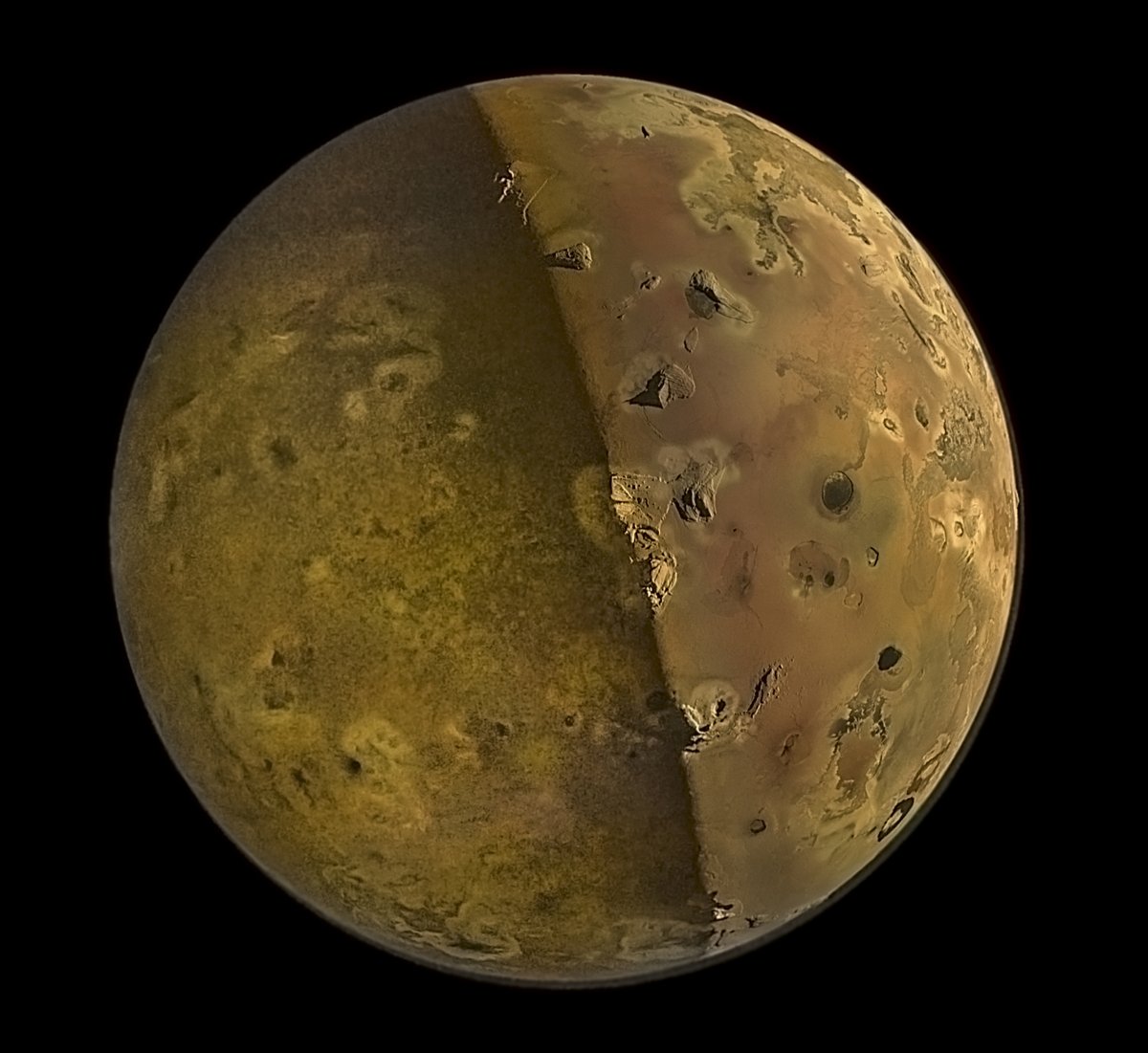
On Feb. 3, the #JunoMission will buzz close by Jupiter's volcanic moon Io. In this view from Juno's most recent flyby, the moon's night side is lit by "Jupitershine," sunlight reflected by the planet. https://t.co/zARMKto0VI
Image processed by citizen scientist Emma Wälimäki
Ride along virtually as our @NASASolarSystem Juno spacecraft makes its last super-close flyby of Jupiter’s volcanic moon Io. Bring your questions for our scientists and join us on Twitch Saturday, Feb. 3, at 12:30pm ET (1730 UTC): https://t.co/oyd80bjoTl
Double-Double in Space? Supernova remnants are usually created by a single supernova, but new research using @ChandraXray data reveals that a pair of explosions are tied to the colorful chaos of 30 Doradus B, located 160,000 light-years away: https://t.co/gznCnZrzAv
Oh, hi! 👋
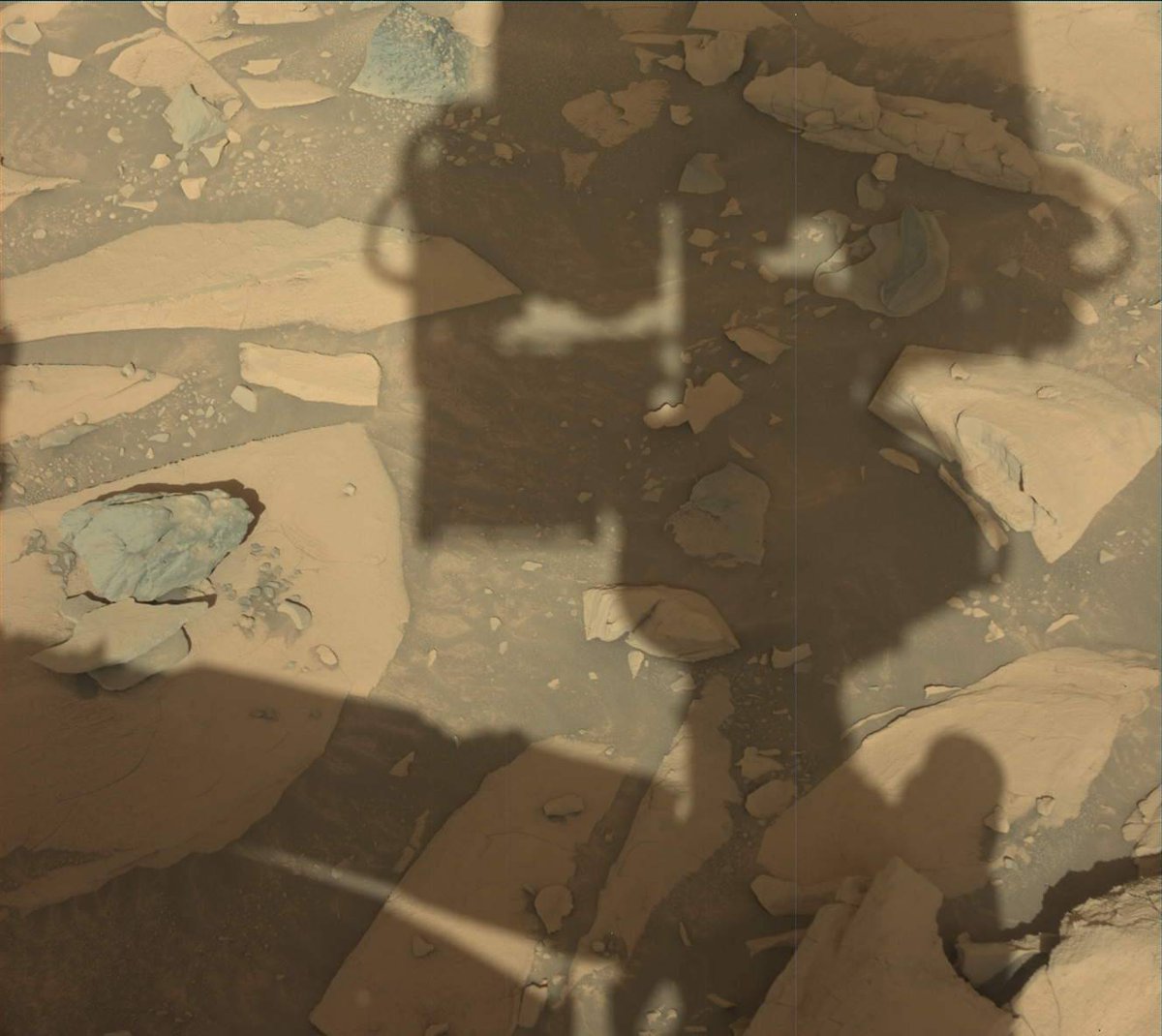
I just finished exploring the area near Gediz Vallis Ridge, which may have formed as mud and debris flowed down Mount Sharp. See those darker rocks? They may have been transported by that flow from places I'll never be able to visit. So much potential!
Space isn’t always metal!
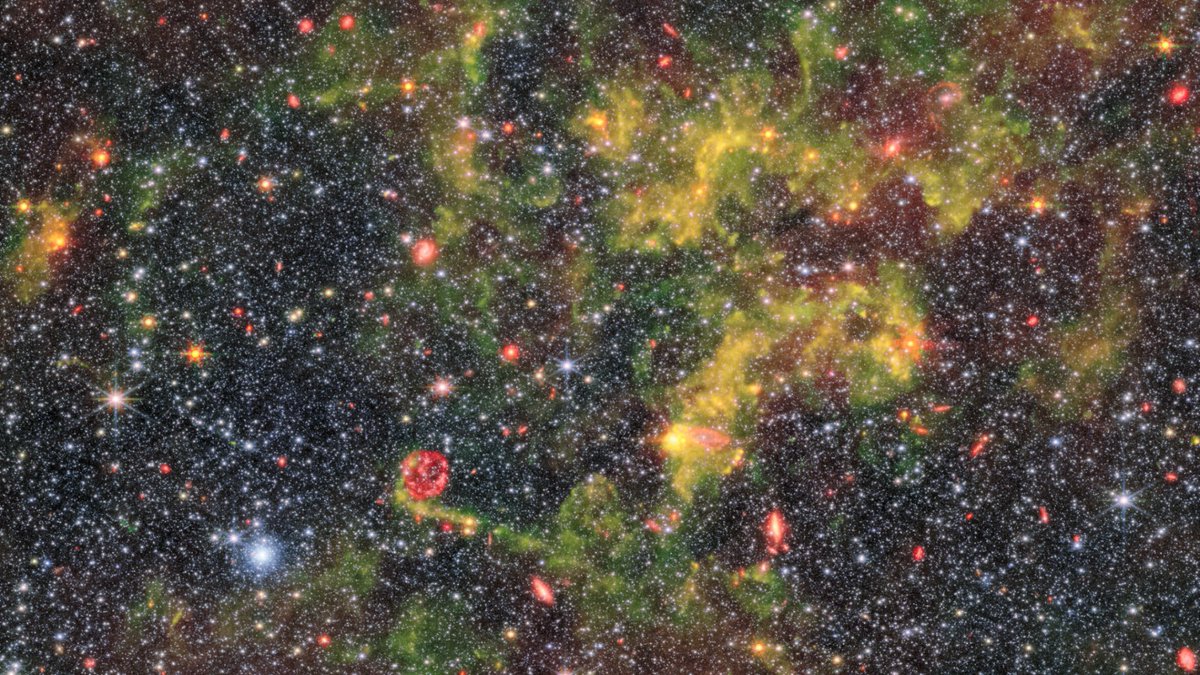
NGC 6822, a galactic neighbor captured by Webb, has unusually low metallicity, meaning it doesn’t have much in the way of elements heavier than hydrogen and helium! Learn more: https://t.co/DMsrrlTRDb
#stars#galaxy#helium#hydrogen 📸 @NASAWebb
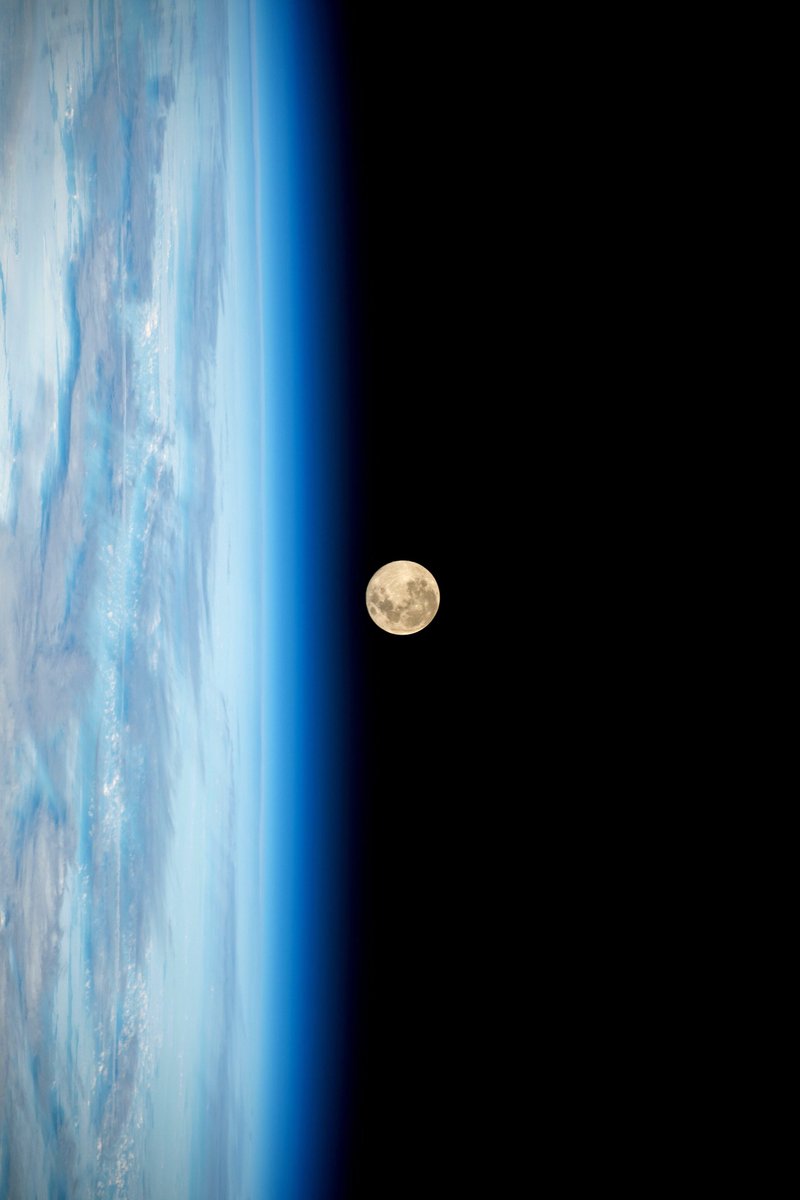
Keep your eyes on the sky throughout August. You'll see Saturn at dusk and dawn, the Perseid meteors return, and you may even catch a "super blue moon," so-called when there are two full moons in a month.
Get details in our monthly episode of What’s Up: https://t.co/dcJSADTn8T
The solar wind – a constant stream of particles and energy flowing from the Sun – was first theorized 65 years ago. But that doesn’t mean scientists have uncovered all its secrets. In fact, a fresh look at data from 12 NASA spacecraft is giving scientists a new perspective.