Our lab group combines computational approaches with proteomics & single-cell tech to understand how altered signalling dynamics influence tumour behaviour
Excited to see our work on overcoming drug resistance in relapsed high-risk neuroblastoma out there! Huge collaboration with the good people at @KidsCancerInst and Systems Biology Ireland:
https://t.co/5wnWn740IY
Check out our latest work on @7NewsSydney 🎥
Here, we report on targeting the NPY/NPY1R signalling axis to lessen #PancreaticCancer metastasis🔬👩🏼🔬
@GarvanInstitute
Check it out here:
https://t.co/GtBkav8otQ
Our latest publication in @ScienceAdvances is officially out!
Here, we target the NPY/NPY1R signalling axis to lessen metastatic burden of mutant p53-dependent #PancreaticCancer 🔬👩🏼🔬
Check it out here:
https://t.co/plZXXue5Lf
@GarvanInstitute@Timpson_Lab
✨ New Year's resolution: submit your abstract and join #EESDrugResistance.
Abstract submission deadline is 12 January!
👉 https://t.co/RJhFiLDUcW
With this new symposium, we gather a highly international group of researchers to exchange in-person on the latest work on the biological mechanisms that mediate drug resistance and tolerance across the species barriers.
📆 18 – 21 March 2025
📍 EMBL Heidelberg and Virtual
Feedback on my latest NHMRC application - “Team is dominated by senior male researchers”..
Umm it was 2 CIs and as far as I know I’m female?!
#bringbackpanels
Happy to share that our recent work, led by Dr. Elysse Filipe, has just been published in Advanced Science.
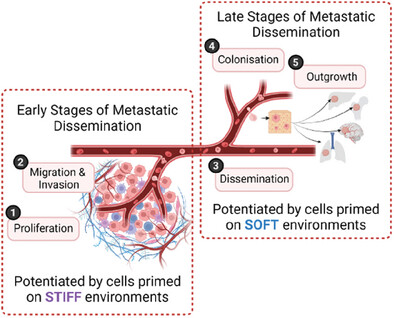
"Tumor Biomechanics Alters Metastatic Dissemination of Triple Negative Breast Cancer via Rewiring Fatty Acid Metabolism"
→ https://t.co/HRKjLJQsZX ←
@GarvanInstitute
Our researchers have made significant progress in an aggressive form of pancreatic cancer. Prelim results indicate that, as a combination therapy, this new drug could increase survival time by over 35% compared to chemotherapy alone https://t.co/7t7yu95jJd
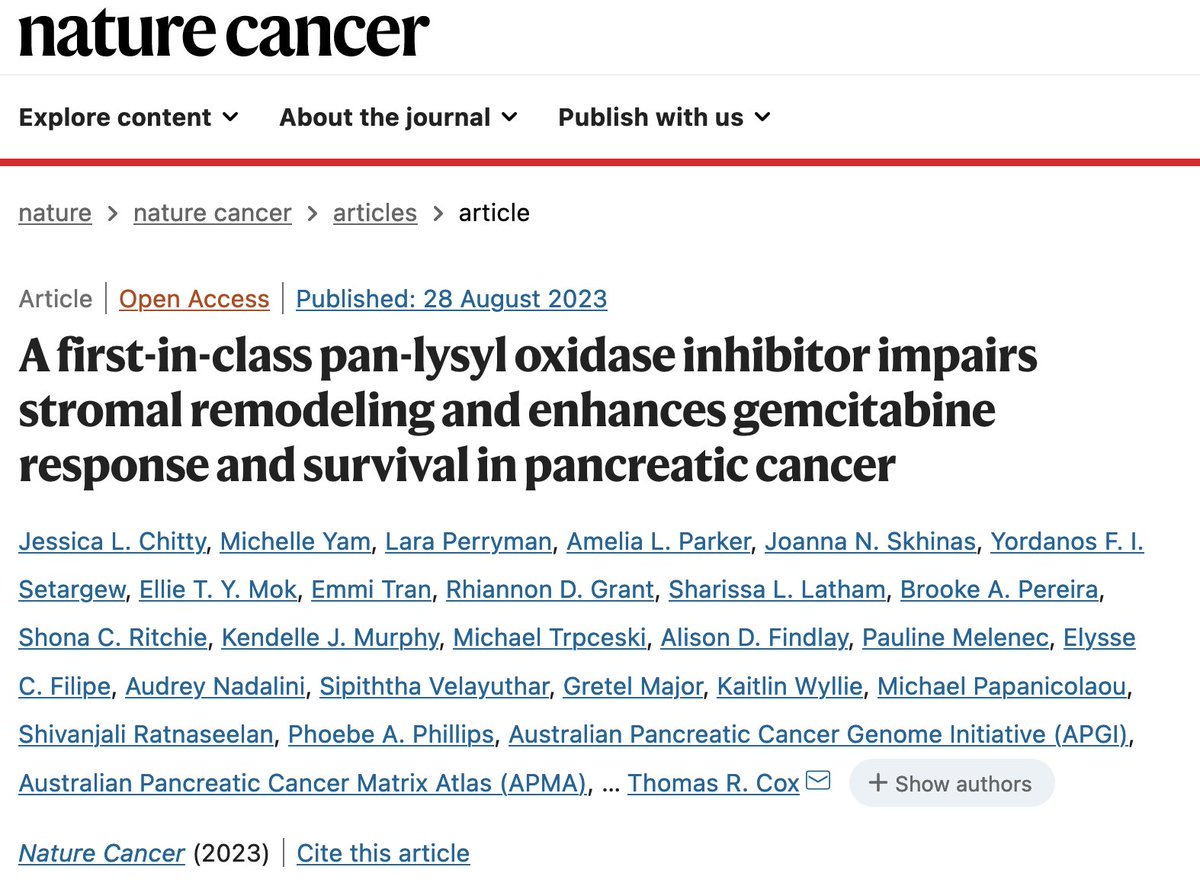
We are happy to announce that our program of work on the development & deployment of a novel anti-fibrotic in pancreatic cancer has just been published (OpenAccess) in @NatureCancer | → https://t.co/L2eJT2ASuo ← | @TCox_Lab @GarvanInstitute#extracellularmatrix#ECM#cancer
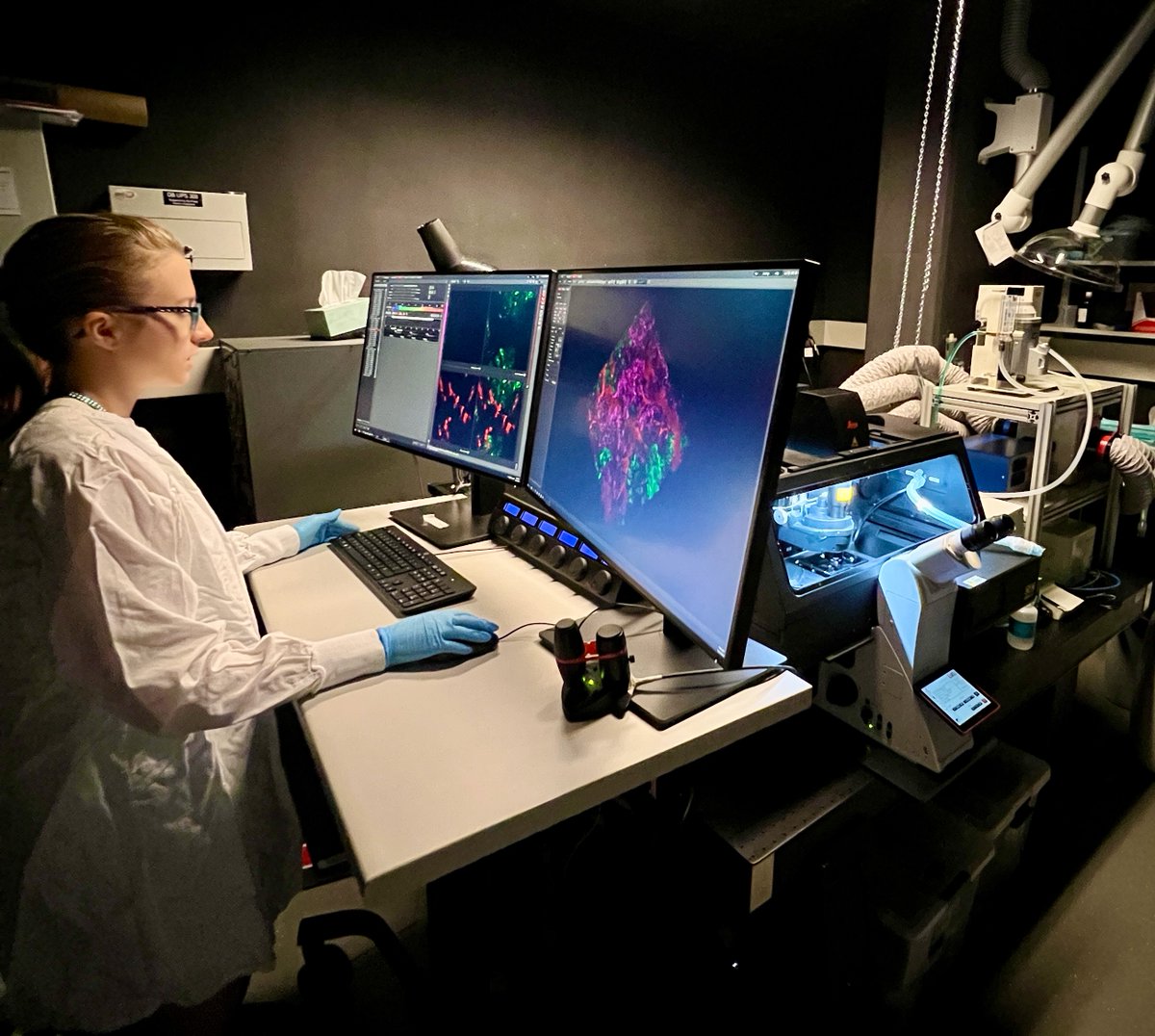
Sydney researchers are using sophisticated imaging to analyse cancer cells in "real-time” to pinpoint why some resist treatment.
Their work is vital in the mission to combat one of Australia's deadliest diseases. #9News@gabyrogers
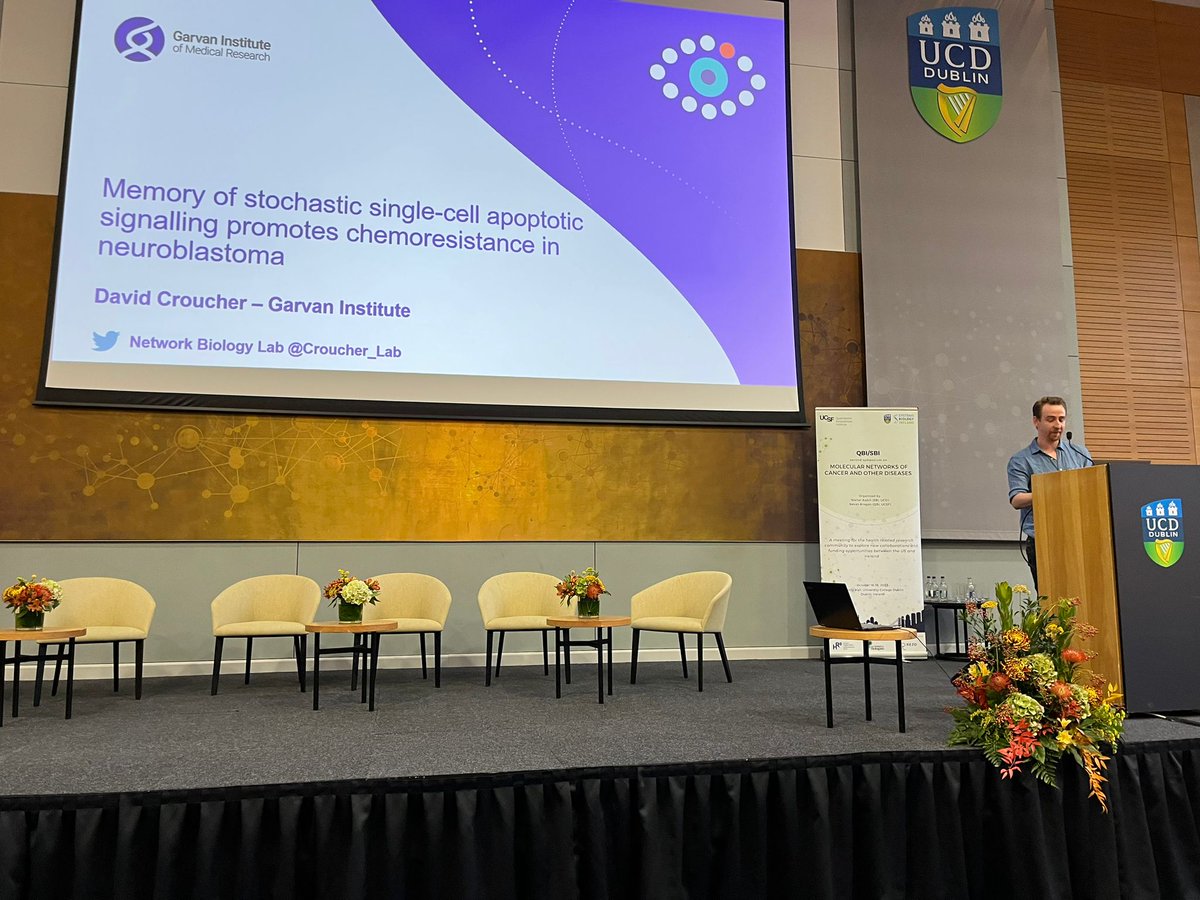
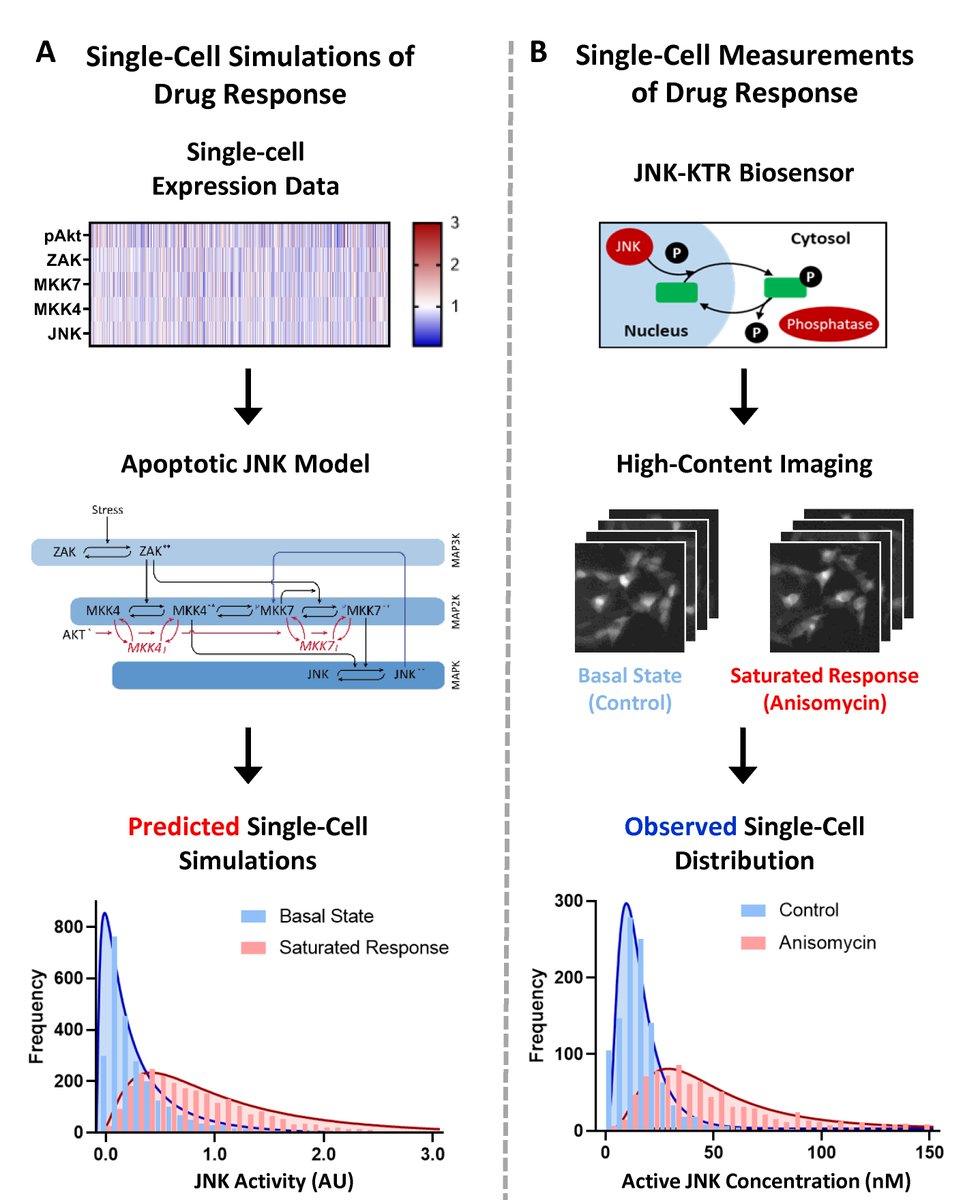
Neuroblastoma cells have innate randomness in how they respond to chemotherapy, shows A/Prof David Croucher, @sharissa_latham & team. This ‘noise’ in the cell death process gives tumour cells the edge in resisting chemotherapy. @Croucher_Lab
https://t.co/Qy3bmsHIY5
5/ Testing across cell lines models and PDXs showed that HDAC inhibitors and BH3-mimetics can sensitise JNK-impaired cells chemotherapy, but only in treatment naïve tumours… More work to be done to over-come the JNK-impaired state of relapsed tumour… Watch this space!!
4/ Looking to restore JNK activity to these impaired cells, we found that they were also associated with high levels of H3K27me3. Despite this, focused drug screens showed HDAC inhibitors were more efficient at restoring chemosensitivity, rather than the expected EZH2 inhibitors.