𝗕𝗧𝗙𝗦 𝗖𝗵𝗲𝗰𝗸 𝗦𝗶𝘁𝗲: 𝗠𝗮𝗸𝗶𝗻𝗴 𝗗𝗲𝗰𝗲𝗻𝘁𝗿𝗮𝗹𝗶𝘇𝗲𝗱 𝗪𝗲𝗯𝘀𝗶𝘁𝗲𝘀 𝗠𝗼𝗿𝗲 𝗩𝗲𝗿𝗶𝗳𝗶𝗮𝗯𝗹𝗲
Decentralized infrastructure makes it possible to publish websites without depending entirely on traditional centralized hosting.
But decentralization alone does not automatically create transparency.
Users also need ways to understand where a website came from, how it was deployed, and whether the content they are viewing matches the intended deployment.
That is where BTFS Check Site can play a role.
𝗟𝗼𝗼𝗸𝗶𝗻𝗴 𝗕𝗲𝗵𝗶𝗻𝗱 𝗮 𝗗𝗲𝗰𝗲𝗻𝘁𝗿𝗮𝗹𝗶𝘇𝗲𝗱 𝗦𝗶𝘁𝗲
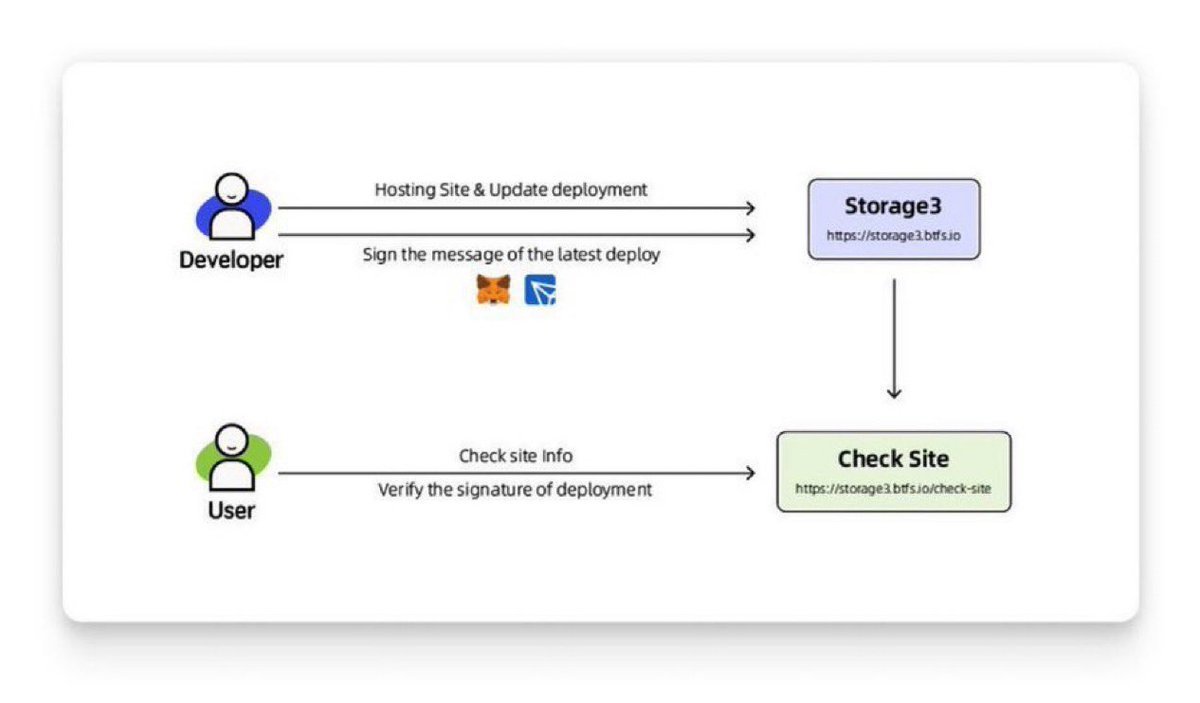
For websites deployed on BTFS through Storage3, Check Site provides access to key deployment information.
Because websites can be published using ".on.btfs.io" addresses, having publicly inspectable deployment data gives developers and visitors another way to evaluate the site they are accessing.
The information can include:
📍 Website deployer details
📍 Source-code references
📍 Latest deployment CID
📍 Associated signatures and verification data
This creates greater visibility into how a decentralized website was published and helps users inspect relevant deployment information independently.
𝗩𝗲𝗿𝗶𝗳𝗶𝗮𝗯𝗶𝗹𝗶𝘁𝘆 𝗠𝗮𝘁𝘁𝗲𝗿𝘀
One important principle of decentralized infrastructure is that information can be made easier to inspect and verify.
Check Site applies that idea to website deployments by surfacing relevant metadata instead of leaving users entirely dependent on third-party claims.
For developers, this can provide a clearer way to demonstrate deployment details.
For users, it offers additional context when interacting with decentralized websites and applications.
𝗕𝘂𝗶𝗹𝗱𝗶𝗻𝗴 𝗧𝗿𝘂𝘀𝘁 𝗧𝗵𝗿𝗼𝘂𝗴𝗵 𝗧𝗿𝗮𝗻𝘀𝗽𝗮𝗿𝗲𝗻𝗰𝘆
The decentralized web is not simply about removing centralized servers.
It is also about creating infrastructure where important information can be inspected, verified, and understood.
BTFS Check Site contributes to that model by increasing visibility into decentralized website deployments.
As Web3 infrastructure continues to develop, tools that make decentralized systems easier to inspect can help create a more transparent and verifiable digital environment.
@BitTorrent@justinsuntron
#TRONEcoStar
𝗕𝗶𝘁𝗧𝗼𝗿𝗿𝗲𝗻𝘁: 𝗦𝘁𝗿𝗼𝗻𝗴 𝗡𝗲𝘁𝘄𝗼𝗿𝗸𝘀 𝗗𝗼𝗻’𝘁 𝗝𝘂𝘀𝘁 𝗦𝗰𝗮𝗹𝗲 — 𝗧𝗵𝗲𝘆 𝗖𝗼𝗻𝗻𝗲𝗰𝘁
Technology creates greater possibilities when people, data, and digital resources can move across systems more efficiently.
As Web3 develops, infrastructure that enables different networks and technologies to interact can become increasingly important.
BitTorrent has long been built around the idea of connection.
From peer-to-peer file sharing to decentralized storage and blockchain infrastructure, its ecosystem reflects a model where participants and resources can interact across a distributed network.
𝗖𝗼𝗻𝗻𝗲𝗰𝘁𝗶𝗼𝗻 𝗖𝗿𝗲𝗮𝘁𝗲𝘀 𝗡𝗲𝘄 𝗣𝗼𝘀𝘀𝗶𝗯𝗶𝗹𝗶𝘁𝗶𝗲𝘀
A network can become more useful as participation expands.
But growth is not simply about adding more users. It is also about enabling different technologies and communities to work together.
Today, important connections are forming between:
📍 Web2 and Web3 applications
📍 Creators, users, and developers
📍 Decentralized storage and blockchain infrastructure
📍 AI applications and distributed networks
When complementary systems can interact, developers can combine capabilities that would otherwise remain separated.
𝗕𝗲𝘆𝗼𝗻𝗱 𝗜𝘀𝗼𝗹𝗮𝘁𝗲𝗱 𝗘𝗰𝗼𝘀𝘆𝘀𝘁𝗲𝗺𝘀
Innovation often comes from connecting technologies with different strengths.
Decentralized storage can provide data infrastructure.
Blockchain can support coordination and digital value transfer.
AI can enable automation and intelligent applications.
Together, these technologies can give developers a broader foundation for building across multiple environments.
Interoperability also creates more flexibility.
Instead of forcing users and developers into isolated ecosystems, connected infrastructure can make it easier for information, resources, and digital assets to interact across platforms.
𝗧𝗵𝗲 𝗡𝗲𝘅𝘁 𝗟𝗮𝘆𝗲𝗿 𝗢𝗳 𝗪𝗲𝗯𝟯
The evolution of decentralized technology will not be measured only by how many networks exist.
It will also depend on how effectively those networks can interact.
BitTorrent’s history with peer-to-peer networking demonstrates the value of distributed connectivity. As Web3 continues to mature, connecting decentralized infrastructure, applications, and communities can create more opportunities for collaboration and innovation.
The future is not just about building more networks.
It is about building networks that can work together.
@BitTorrent@justinsuntron
#TRONEcoStar
𝗕𝗶𝘁𝗧𝗼𝗿𝗿𝗲𝗻𝘁: 𝗦𝘁𝗿𝗼𝗻𝗴 𝗡𝗲𝘁𝘄𝗼𝗿𝗸𝘀 𝗔𝗿𝗲 𝗕𝘂𝗶𝗹𝘁 𝗧𝗵𝗿𝗼𝘂𝗴𝗵 𝗣𝗮𝗿𝘁𝗶𝗰𝗶𝗽𝗮𝘁𝗶𝗼𝗻
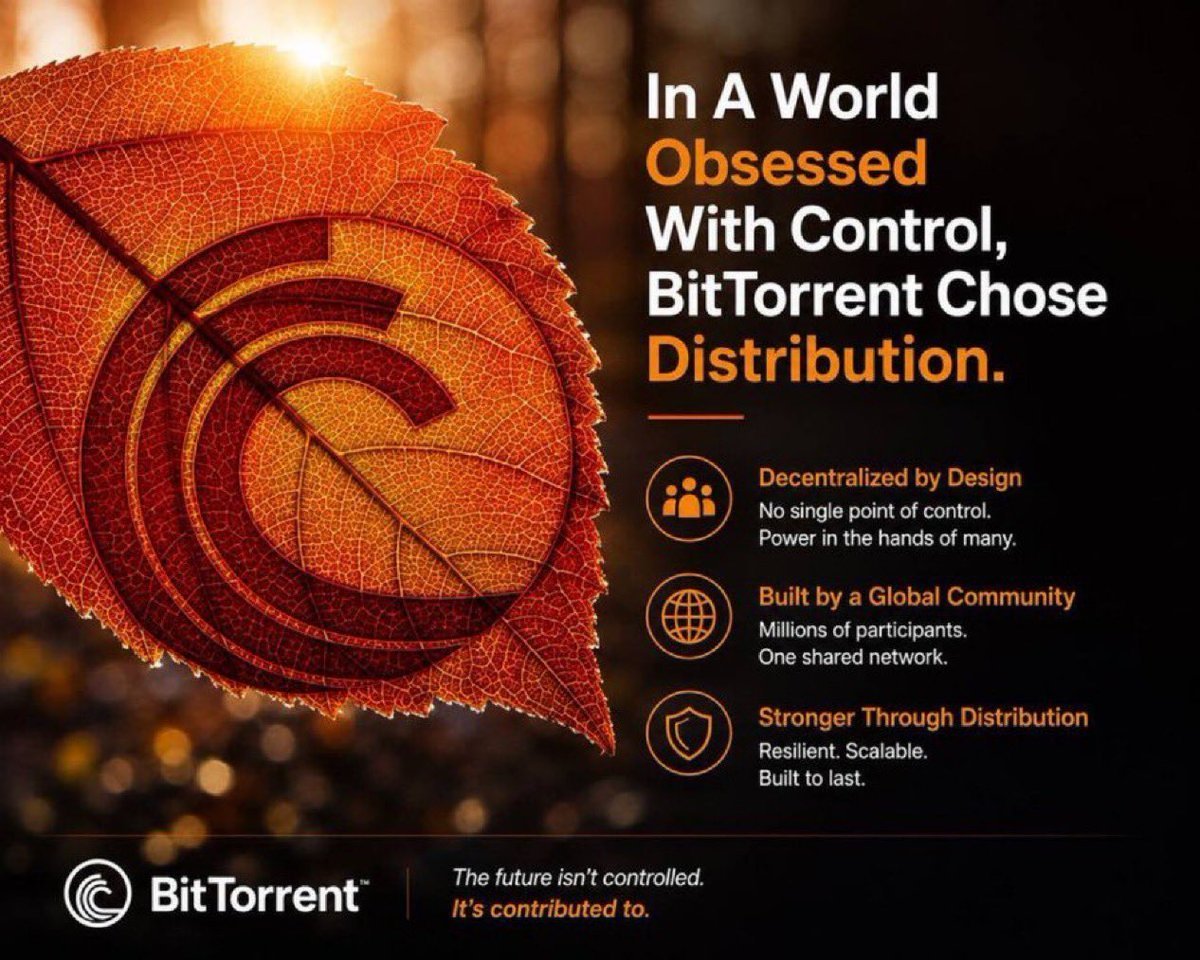
Some of the most resilient digital systems are not built around a single point of control. They emerge from many independent participants contributing to a shared network.
Decentralized infrastructure follows the same principle.
Instead of placing responsibility on one server or authority, distributed networks spread resources and workloads across participating nodes.
𝗧𝗵𝗲 𝗣𝗼𝘄𝗲𝗿 𝗢𝗳 𝗗𝗶𝘀𝘁𝗿𝗶𝗯𝘂𝘁𝗲𝗱 𝗣𝗮𝗿𝘁𝗶𝗰𝗶𝗽𝗮𝘁𝗶𝗼𝗻
Long before Web3 became a mainstream term, BitTorrent demonstrated how peer-to-peer coordination could operate across a large network.
Each peer can contribute resources.
Each connection can help move data.
Each participant can share part of the network workload.
The strength of the model comes from the network as a whole rather than from a single machine carrying the entire burden.
𝗘𝘃𝗲𝗿𝘆 𝗖𝗼𝗻𝘁𝗿𝗶𝗯𝘂𝘁𝗶𝗼𝗻 𝗠𝗮𝘁𝘁𝗲𝗿𝘀
Distributed infrastructure is built through many individual contributions:
📍 Nodes contribute resources
📍 Connections support data distribution
📍 Participants expand network capacity
📍 Collaboration strengthens the broader ecosystem
This principle reaches beyond blockchain and peer-to-peer systems.
Open-source software, scientific research, and many internet technologies have advanced through distributed collaboration, where people contribute knowledge, infrastructure, and resources toward shared goals.
Web3 extends this idea into digital infrastructure by creating systems where participation can play a greater role in how networks operate.
𝗔 𝗡𝗲𝘁𝘄𝗼𝗿𝗸 𝗕𝘂𝗶𝗹𝘁 𝗧𝗼𝗴𝗲𝘁𝗵𝗲𝗿
The evolution of decentralized technology will depend not only on new protocols, but also on the communities and participants that support them.
BitTorrent’s peer-to-peer architecture remains an example of how distributed participation can enable large-scale data sharing.
Behind every distributed network are countless individual contributions.
Together, they form the infrastructure that makes the network possible.
@BitTorrent@justinsuntron
#TRONEcoStar
𝗕𝗶𝘁𝗧𝗼𝗿𝗿𝗲𝗻𝘁: 𝗔 𝗗𝗶𝗳𝗳𝗲𝗿𝗲𝗻𝘁 𝗠𝗼𝗱𝗲𝗹 𝗙𝗼𝗿 𝗧𝗵𝗲 𝗜𝗻𝘁𝗲𝗿𝗻𝗲𝘁
Much of the internet’s infrastructure was built around centralized systems — one platform, one provider, or one point of control.
BitTorrent introduced a different model.
Rather than depending on a single central authority, its peer-to-peer architecture allows participants to share resources and distribute data across a network.
𝗙𝗿𝗼𝗺 𝗖𝗲𝗻𝘁𝗿𝗮𝗹 𝗖𝗼𝗻𝘁𝗿𝗼𝗹 𝗧𝗼 𝗡𝗲𝘁𝘄𝗼𝗿𝗸 𝗣𝗮𝗿𝘁𝗶𝗰𝗶𝗽𝗮𝘁𝗶𝗼𝗻
A distributed network changes how infrastructure can operate.
📍 Resources can be shared across participants
📍 Data can move through a peer-to-peer network
📍 Participation is not limited to a single central provider
📍 Network capacity can grow through additional participants
The idea extends beyond file sharing.
It represents a broader approach to digital infrastructure where networks can be built through participation, coordination, and resource sharing.
𝗧𝗵𝗲 𝗕𝗶𝗴𝗴𝗲𝗿 𝗜𝗱𝗲𝗮
Decentralization is ultimately about how networks are structured.
When infrastructure is distributed across participants, control and responsibility can also be distributed across the network.
BitTorrent has demonstrated this peer-to-peer model for years, and its broader ecosystem continues to explore how decentralized infrastructure can support the next generation of digital services.
The internet’s future is not necessarily about replacing every centralized system.
It is also about creating more distributed alternatives where participation, resource sharing, and network coordination can play a larger role.
@BitTorrent@trondao@justinsuntron
#TRONEcoStar
𝗕𝗧𝗙𝗦: 𝗠𝗲𝗮𝘀𝘂𝗿𝗶𝗻𝗴 𝗡𝗲𝘁𝘄𝗼𝗿𝗸 𝗔𝘃𝗮𝗶𝗹𝗮𝗯𝗶𝗹𝗶𝘁𝘆
Decentralized storage is not only about how much data a network can store. It is also about how reliably that data can remain accessible.
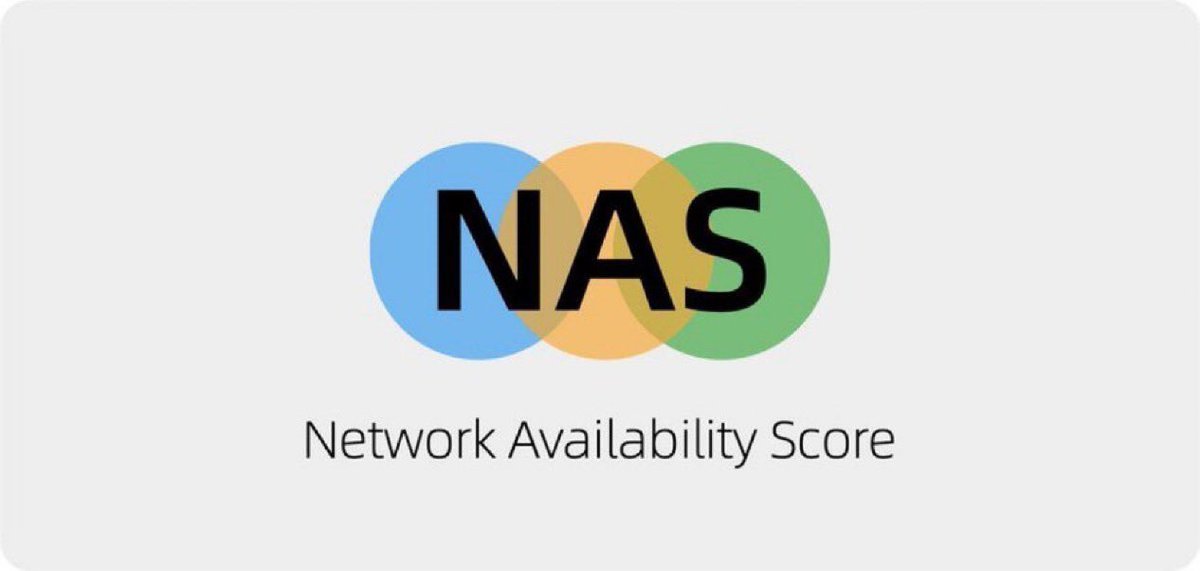
The Network Availability Score (NAS) provides a way to evaluate the overall reliability and availability of the BTFS Storage Provider network.
𝗛𝗼𝘄 𝗡𝗔𝗦 𝗪𝗼𝗿𝗸𝘀
The score uses data from representative storage nodes and focuses on two key performance factors:
📍 Uptime — 80%
Measures how consistently a node remains online and available.
📍 Latency — 20%
Measures how quickly a node responds to requests.
Each participating storage node receives its own NAS based on these factors, while the overall network score is calculated by averaging the scores across participating nodes.
𝗥𝗲𝗹𝗶𝗮𝗯𝗶𝗹𝗶𝘁𝘆 𝗔𝗯𝗼𝘃𝗲 𝗝𝘂𝘀𝘁 𝗖𝗮𝗽𝗮𝗰𝗶𝘁𝘆
The heavier weighting toward uptime means NAS places strong emphasis on consistent service availability.
That matters because decentralized storage needs more than distributed capacity. Applications and users also need storage providers that can remain reachable and respond reliably when data is requested.
By turning availability and responsiveness into measurable indicators, NAS provides a clearer way to understand the operational performance of the BTFS Storage Provider network.
As decentralized infrastructure continues to evolve, metrics like NAS can help make network reliability more transparent and easier to evaluate.
@BitTorrent@trondao@justinsuntron
#TRONEcoStar
𝗕𝗧𝗙𝗦: 𝗥𝗲𝘁𝗵𝗶𝗻𝗸𝗶𝗻𝗴 𝗛𝗼𝘄 𝗗𝗮𝘁𝗮 𝗜𝘀 𝗦𝘁𝗼𝗿𝗲𝗱 𝗶𝗻 𝘁𝗵𝗲 𝗪𝗲𝗯𝟯 𝗘𝗿𝗮
Data has become one of the most valuable resources in the digital economy, yet much of it still depends on centralized infrastructure.
Traditional cloud storage offers convenience, but concentrating data around individual providers can create dependencies and potential single points of failure.
𝗔 𝗗𝗶𝗳𝗳𝗲𝗿𝗲𝗻𝘁 𝗦𝘁𝗼𝗿𝗮𝗴𝗲 𝗠𝗼𝗱𝗲𝗹
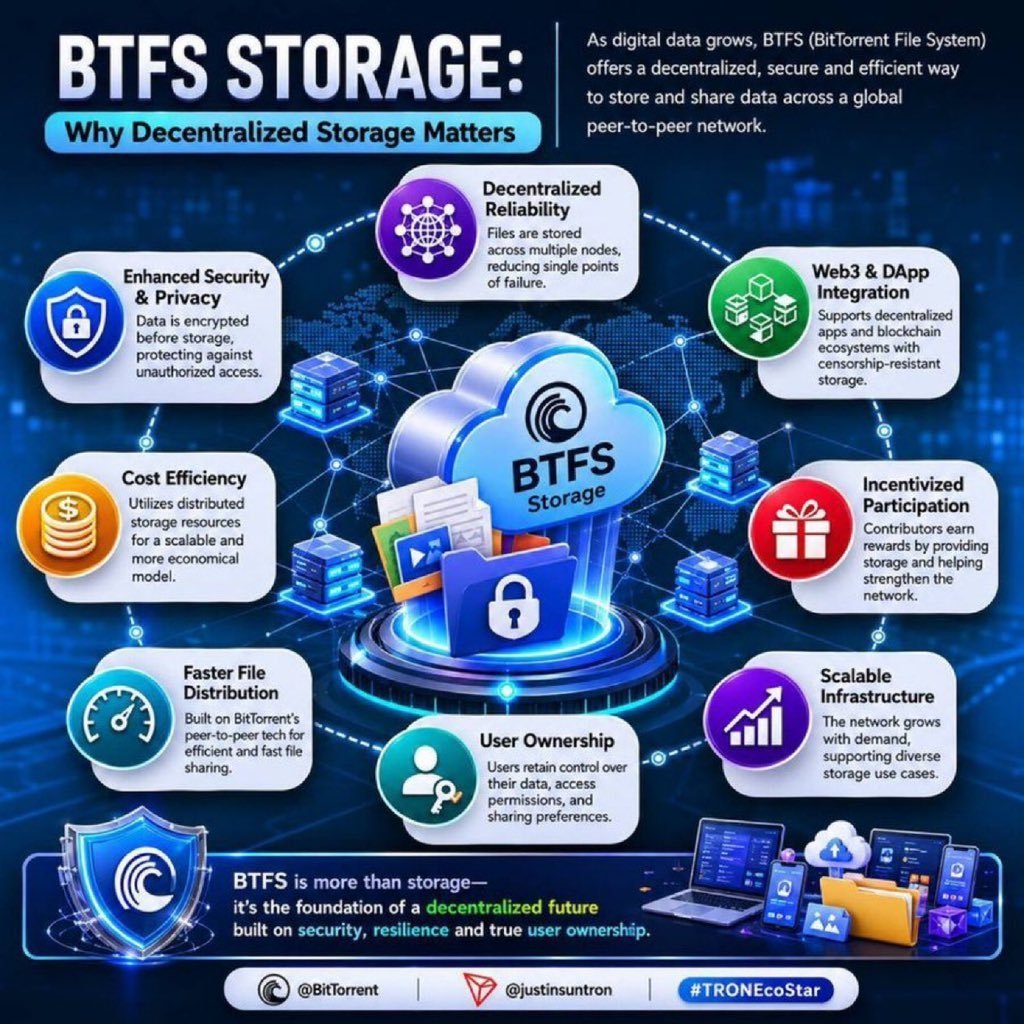
BitTorrent File System (BTFS) takes a decentralized approach by using a peer-to-peer network to distribute data across participating nodes.
Instead of placing storage in one central location, BTFS is designed around distributed infrastructure, helping create a more resilient way to store and retrieve digital content.
Its architecture combines distributed storage, encryption, and BitTorrent’s peer-to-peer technology to support decentralized data management.
𝗕𝘂𝗶𝗹𝗱𝗶𝗻𝗴 𝗳𝗼𝗿 𝗪𝗲𝗯𝟯
BTFS can provide storage infrastructure for developers building decentralized applications and Web3 services.
Key capabilities include:
📍 Distributed storage across participating nodes
📍 Encrypted data storage
📍 Peer-to-peer file distribution
📍 Support for decentralized applications
📍 Greater flexibility over data management and sharing
This creates a storage layer that can complement blockchain networks rather than relying entirely on centralized infrastructure.
𝗪𝗵𝘆 𝗗𝗲𝗰𝗲𝗻𝘁𝗿𝗮𝗹𝗶𝘇𝗲𝗱 𝗦𝘁𝗼𝗿𝗮𝗴𝗲 𝗠𝗮𝘁𝘁𝗲𝗿𝘀
Web3 is not only about decentralized payments or smart contracts.
The infrastructure underneath these applications also matters.
For developers, creators, and organizations, decentralized storage can provide another way to manage digital content while reducing reliance on a single storage provider.
BTFS brings together distributed participation, peer-to-peer networking, and encrypted storage to explore a more open model for digital data infrastructure.
As Web3 continues to evolve, decentralized storage can become an important part of building applications that are designed for resilience, flexibility, and global accessibility.
@BitTorrent@justinsuntron
#TRONEcoStar
DeFi does not grow from one feature alone. It develops when users, liquidity, markets, and builders continuously interact and create new reasons to participate.
𝗔 𝗟𝗮𝗿𝗴𝗲𝗿 𝗗𝗲𝗙𝗶 𝗣𝗮𝘁𝗵
https://t.co/RbSbe71OvX connects several core DeFi activities across TRON, including token swaps, liquidity provision, earning opportunities, and building.
One user may start with a TRX-to-USDT swap, while another provides liquidity that supports market activity. Builders can then create new applications around these existing primitives, opening additional ways for users to participate.
Each layer adds something different to the ecosystem.
𝗚𝗿𝗼𝘄𝘁𝗵 𝗖𝗼𝗺𝗲𝘀 𝗙𝗿𝗼𝗺 𝗖𝗼𝗻𝗻𝗲𝗰𝘁𝗶𝗼𝗻
More users can contribute to greater market activity. More liquidity can support deeper markets. More builders can introduce new use cases, while an active community can help those applications evolve.
That makes ecosystem growth more than a single metric. It is a network of connected activities that can reinforce one another.
https://t.co/RbSbe71OvX brings these elements together within the TRON ecosystem, creating a broader DeFi journey where users can swap, provide liquidity, explore opportunities, and build.
The goal is not simply more activity.
It is creating more ways for DeFi activity to become useful.
@OfficialSUNio@justinsuntron #TRONEcoStarv
The strongest DeFi ecosystems are not defined only by what users can do today. They are also shaped by what builders can create tomorrow.
𝗔 𝗕𝗿𝗼𝗮𝗱𝗲𝗿 𝗕𝘂𝗶𝗹𝗱𝗶𝗻𝗴 𝗟𝗮𝘆𝗲𝗿
https://t.co/RbSbe71OvX brings core DeFi activities such as swapping, liquidity, earning, and building into a connected environment on TRON.
For builders, an existing DeFi market can become the starting point for something much bigger — from new interfaces and liquidity tools to financial applications that connect with established DeFi primitives.
That is where ecosystem infrastructure matters. When liquidity and user activity are already present, developers have a stronger foundation to experiment, iterate, and create new use cases.
𝗙𝗿𝗼𝗺 𝗜𝗱𝗲𝗮𝘀 𝗧𝗼 𝗨𝘀𝗲 𝗖𝗮𝘀𝗲𝘀
Swapping creates movement. Liquidity supports markets. Earning opens additional participation paths. Building can connect these components into new DeFi experiences.
https://t.co/RbSbe71OvX brings these pieces together while leaving room for developers and communities to explore what can be built across TRON DeFi.
The opportunity goes beyond another DEX. It is about creating an environment where liquidity, users, and builders can interact — turning ideas into practical DeFi applications.
@OfficialSUNio@justinsuntron #TRONEcoStar
A stronger DeFi experience is not created by one feature alone. It comes from giving users multiple ways to interact with their assets while creating a broader environment for builders to develop around.
𝗧𝗵𝗲 𝗗𝗲𝗙𝗶 𝗣𝗮𝘁𝗵 𝗚𝗼𝗲𝘀 𝗕𝗲𝘆𝗼𝗻𝗱 𝗦𝘄𝗮𝗽𝗽𝗶𝗻𝗴
https://t.co/RbSbe71OvX connects token swaps, liquidity provision, and earning opportunities within the TRON ecosystem.
A user might begin by swapping TRX for USDT and then explore providing liquidity to a supported pool. Another participant could start by supplying liquidity before exploring other available DeFi activities.
Different users can follow different paths while interacting with the same underlying ecosystem.
𝗟𝗶𝗾𝘂𝗶𝗱𝗶𝘁𝘆 𝗖𝗿𝗲𝗮𝘁𝗲𝘀 𝗠𝗼𝗿𝗲 𝗣𝗼𝘀𝘀𝗶𝗯𝗶𝗹𝗶𝘁𝗶𝗲𝘀
Liquidity supports trading activity, while active markets can create additional opportunities for users and builders. Earning mechanisms can add another layer of participation, depending on the specific pool and prevailing market conditions.
This interconnected approach makes DeFi more than a collection of isolated tools.
https://t.co/RbSbe71OvX brings these pathways together on TRON, giving users more ways to move beyond simply holding assets and explore how they can participate across decentralized finance.
@OfficialSUNio@justinsuntron #TRONEcoStar
VDeFi becomes more approachable when users can see a clear path from one financial action to another instead of navigating disconnected products.
𝗙𝗼𝘂𝗿 𝗪𝗮𝘆𝘀 𝗧𝗼 𝗣𝗮𝗿𝘁𝗶𝗰𝗶𝗽𝗮𝘁𝗲
JUST DAO brings lending, borrowing, earning, and governance together within the TRON ecosystem.
Through JustLend DAO, users can supply supported assets and participate in lending markets. Those seeking liquidity can explore borrowing options, while others can explore available staking and earning mechanisms based on their goals and the conditions at the time.
Governance adds another dimension, giving participants a way to engage with the development and direction of the ecosystem.
𝗧𝗵𝗲 𝗩𝗮𝗹𝘂𝗲 𝗜𝘀 𝗜𝗻 𝗧𝗵𝗲 𝗖𝗵𝗼𝗶𝗰𝗲
Not every DeFi user has the same objective. Some need liquidity, others want to deploy assets, explore earning opportunities, or participate in governance.
A connected ecosystem can make these different paths easier to discover without reducing DeFi to a single use case.
JUST DAO brings these functions together within a broader financial environment on TRON, creating more ways for users to interact with decentralized finance while keeping the focus on practical utility.
@DeFi_JUST@justinsuntron #TRONEcoStar
A DeFi ecosystem does not become stronger through one feature alone. It grows when users, liquidity, and useful financial opportunities work together.
𝗚𝗿𝗼𝘄𝘁𝗵 𝗦𝘁𝗮𝗿𝘁𝘀 𝗪𝗶𝘁𝗵 𝗣𝗮𝗿𝘁𝗶𝗰𝗶𝗽𝗮𝘁𝗶𝗼𝗻
JUST DAO is part of this broader cycle on TRON, where greater participation can support deeper markets and more ways to engage with decentralized finance.
Through JustLend DAO, users can access lending and borrowing markets, while other ecosystem components create additional paths for DeFi participation.
𝗧𝗵𝗲 𝗖𝗼𝗻𝗻𝗲𝗰𝘁𝗶𝗼𝗻 𝗠𝗮𝘁𝘁𝗲𝗿𝘀
Liquidity becomes more useful when there are opportunities to put it to work. Those opportunities become more meaningful when supported by an active ecosystem of users and applications.
That makes sustainable DeFi development about more than a single metric. It is about creating an environment where people, liquidity, and applications continuously interact.
JUST DAO contributes to this connected approach, supporting a broader TRON DeFi environment focused on utility and participation.
@DeFi_JUST@justinsuntron #TRONEcoStar
A stronger DeFi ecosystem is not defined by one isolated product. It grows by giving people multiple ways to use decentralized finance and connecting those activities within a broader environment.
𝗙𝗿𝗼𝗺 𝗔𝗰𝗰𝗲𝘀𝘀 𝗧𝗼 𝗨𝘁𝗶𝗹𝗶𝘁𝘆
JUST DAO brings core DeFi functions together within the TRON ecosystem. Users can lend assets, access borrowing markets, explore earning opportunities, and participate in governance.
That range matters because people enter DeFi with different goals. One user may want to supply assets, another may be looking for access to capital, while another may want to take part in ecosystem governance.
𝗧𝗵𝗲 𝗩𝗮𝗹𝘂𝗲 𝗟𝗶𝗲𝘀 𝗜𝗻 𝗧𝗵𝗲 𝗖𝗼𝗻𝗻𝗲𝗰𝘁𝗶𝗼𝗻
When these functions exist within a connected environment, users have more flexibility to explore different financial activities rather than relying on a single use case.
That broader approach reflects the role JUST DAO aims to play in TRON DeFi: supporting practical financial infrastructure across lending, borrowing, earning, and governance.
More utility creates more ways to participate. More participation can contribute to a more active and connected ecosystem.
@DeFi_JUST@justinsuntron #TRONEcoStar
A financial ecosystem becomes more meaningful when people are not simply using it, but actively contributing to what it can become.
𝗕𝘂𝗶𝗹𝗱𝗲𝗿𝘀 𝗔𝗻𝗱 𝗨𝘀𝗲𝗿𝘀 𝗠𝗼𝘃𝗶𝗻𝗴 𝗧𝗼𝗴𝗲𝘁𝗵𝗲𝗿
JUST DAO brings lending, borrowing, earning, and governance into the broader TRON DeFi landscape. Each function serves a different purpose, but together they create more ways for users to participate.
Builders develop infrastructure and applications. Users bring activity and demand. Liquidity adds depth to financial markets. Governance creates another layer for community participation.
𝗙𝗿𝗼𝗺 𝗜𝗻𝗱𝗶𝘃𝗶𝗱𝘂𝗮𝗹 𝗧𝗼𝗼𝗹𝘀 𝗧𝗼 𝗖𝗼𝗻𝗻𝗲𝗰𝘁𝗲𝗱 𝗨𝘁𝗶𝗹𝗶𝘁𝘆
The value of DeFi is not only found in individual products. It also comes from what becomes possible when different financial functions operate within a connected ecosystem.
Users can supply assets, explore borrowing markets, pursue earning opportunities, or participate in governance based on their own needs.
That range of activity gives JUST DAO a broader role within TRON DeFi, creating more pathways for participation while supporting an ecosystem where builders, users, liquidity, and governance can develop together.
@DeFi_JUST@justinsuntron #TRONEcoStar
In DeFi, trust is not created by a single feature. It develops through reliable infrastructure, transparent participation, and systems designed to remain useful as the ecosystem continues to grow.
𝗦𝗲𝗰𝘂𝗿𝗶𝗻𝗴 𝗧𝗵𝗲 𝗙𝗼𝘂𝗻𝗱𝗮𝘁𝗶𝗼𝗻
JUST DAO brings essential financial activities such as lending, borrowing, earning, and governance into the TRON ecosystem.
These functions require infrastructure that users can interact with consistently while having a clear understanding of how each part works.
Security, reliability, and transparency therefore become important elements of the overall DeFi experience, alongside the community that participates in and contributes to the ecosystem.
𝗕𝘂𝗶𝗹𝘁 𝗙𝗼𝗿 𝗖𝗼𝗻𝘁𝗶𝗻𝘂𝗶𝘁𝘆
Long-term DeFi development is not simply about short-term attention. It is about building practical financial infrastructure that can support users, liquidity, applications, and governance over time.
That principle sits at the core of JUST DAO: combining useful DeFi tools with an ecosystem-focused approach where participation, reliability, and continued development work together.
A stronger foundation gives decentralized finance more room to evolve.
@DeFi_JUST@justinsuntron #TRONEcoStar
The most useful DeFi experiences are often the ones that make complex financial activity easier to navigate. Instead of treating every function as a separate destination, https://t.co/RbSbe71OvX brings multiple DeFi paths together within the TRON ecosystem.
𝗙𝗿𝗼𝗺 𝗦𝘄𝗮𝗽 𝗧𝗼 𝗗𝗲𝗙𝗶
https://t.co/RbSbe71OvX gives users access to core activities such as token swaps, liquidity pools, and other DeFi opportunities from one connected environment.
For example, users can move from TRX to USDT through a swap and then explore liquidity pools or other available options across the ecosystem. Each action serves a different purpose, but together they create a smoother DeFi journey.
𝗟𝗶𝗾𝘂𝗶𝗱𝗶𝘁𝘆 𝗖𝗿𝗲𝗮𝘁𝗲𝘀 𝗠𝗼𝗿𝗲 𝗣𝗼𝘀𝘀𝗶𝗯𝗶𝗹𝗶𝘁𝗶𝗲𝘀
Liquidity is a key part of decentralized markets. As users interact with pools and applications, assets can move through different financial use cases while expanding the ways participants can engage with DeFi.
That is the broader idea behind https://t.co/RbSbe71OvX: bringing accessible DeFi tools together with the growing activity across the TRON ecosystem.
More connected tools can create more ways to participate, giving users greater flexibility in how they explore DeFi.
@OfficialSUNio@justinsuntron #TRONEcoStar
DeFi becomes more flexible when users can work with multiple assets and move between different strategies instead of being limited to a single financial action.
𝗠𝗼𝗿𝗲 𝗔𝘀𝘀𝗲𝘁𝘀, 𝗠𝗼𝗿𝗲 𝗖𝗵𝗼𝗶𝗰𝗲
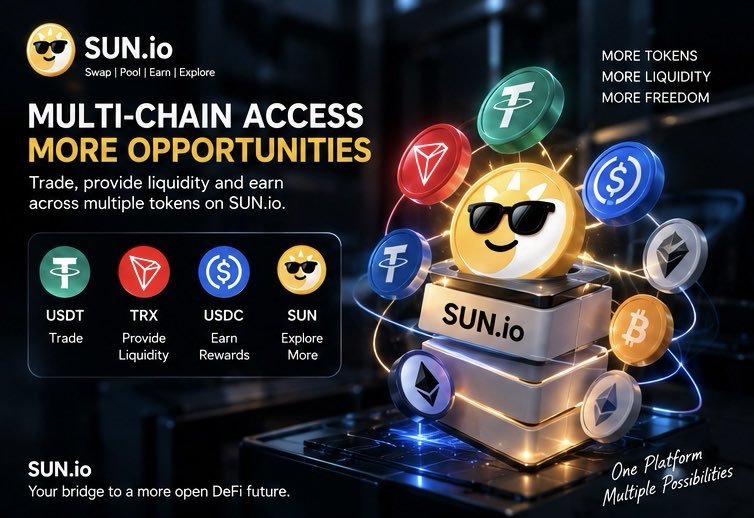
https://t.co/RbSbe71OvX brings different token-based activities together within the TRON DeFi ecosystem. Users can swap assets such as TRX and USDT, provide liquidity, explore earning opportunities, and access other available features.
Each asset can serve a different role. TRX can act as a base asset for swaps, stablecoins such as USDT and USDC can support trading activity, while liquidity provision creates another way to participate in the ecosystem.
𝗧𝗵𝗲 𝗩𝗮𝗹𝘂𝗲 𝗜𝘀 𝗜𝗻 𝗧𝗵𝗲 𝗖𝗼𝗻𝗻𝗲𝗰𝘁𝗶𝗼𝗻
The real flexibility comes from having these functions connected. Instead of treating every DeFi action separately, users can move between swaps, liquidity, and other opportunities based on their own objectives.
https://t.co/RbSbe71OvX creates a broader gateway into TRON DeFi, bringing multiple assets and financial activities into one connected environment.
More choices are not simply about having more tokens. They create more ways for users and liquidity to interact with decentralized finance.
@OfficialSUNio@justinsuntron #TRONEcoStar
𝗜𝗻 𝗗𝗲𝗙𝗶, 𝗘𝗳𝗳𝗶𝗰𝗶𝗲𝗻𝗰𝘆 𝗖𝗮𝗻 𝗠𝗮𝘁𝘁𝗲𝗿
In DeFi, it’s not only about how much you trade—it’s also about how much of your capital remains after each transaction.
When trading fees take up less of a swap, users have more room to manage capital across different opportunities.
𝗟𝗼𝘄𝗲𝗿 𝗙𝗲𝗲𝘀, 𝗠𝗼𝗿𝗲 𝗙𝗹𝗲𝘅𝗶𝗯𝗶𝗹𝗶𝘁𝘆
The graphic highlights https://t.co/RbSbe71OvX with a 0.04% trading fee compared with the 0.30% figure shown for other DEXs. Where those rates apply, the difference can become meaningful for users making frequent swaps or managing liquidity positions.
That makes fee structure an important part of evaluating a DeFi platform.
𝗙𝗿𝗼𝗺 𝗦𝘄𝗮𝗽𝘀 𝗧𝗼 𝗟𝗶𝗾𝘂𝗶𝗱𝗶𝘁𝘆
https://t.co/RbSbe71OvX connects swapping with liquidity pools and broader DeFi opportunities across the TRON ecosystem.
The core idea is simple: when transaction costs are lower, users have more flexibility in how they deploy their capital.
Lower fees don’t eliminate market risk or guarantee returns—but when the advertised rate applies, they can reduce the cost of participating in DeFi.
@OfficialSUNio@justinsuntron
#TRONEcoStar
𝗧𝘂𝗿𝗻 𝗜𝗱𝗹𝗲 𝗔𝘀𝘀𝗲𝘁𝘀 𝗜𝗻𝘁𝗼 𝗗𝗲𝗙𝗶 𝗣𝗮𝗿𝘁𝗶𝗰𝗶𝗽𝗮𝘁𝗶𝗼𝗻
In DeFi, crypto doesn’t have to remain idle. Liquidity can become an active part of your strategy, giving you access to different pools and potential reward opportunities.
𝗙𝗹𝗲𝘅𝗶𝗯𝗹𝗲 𝗣𝗼𝗼𝗹 𝗖𝗵𝗼𝗶𝗰𝗲𝘀
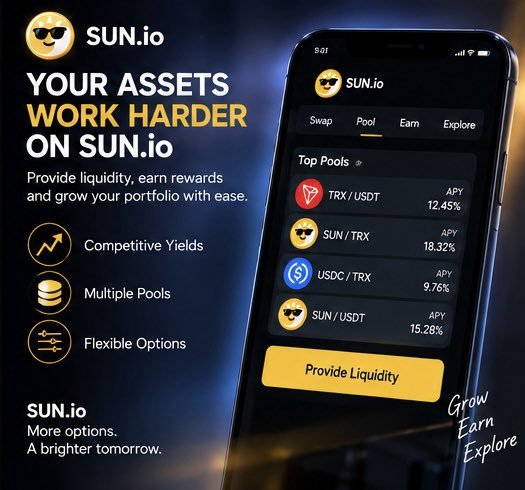
@OfficialSUNio provides access to multiple liquidity pools across the TRON ecosystem, with examples such as TRX/USDT, SUN/TRX, USDC/TRX, and SUN/USDT.
Each pool can display different advertised APY figures, reflecting changing market conditions, liquidity, activity, and protocol parameters. These figures are snapshots—not guaranteed returns.
𝗟𝗶𝗾𝘂𝗶𝗱𝗶𝘁𝘆 𝗠𝗲𝗮𝗻𝘀 𝗣𝗮𝗿𝘁𝗶𝗰𝗶𝗽𝗮𝘁𝗶𝗼𝗻
Providing liquidity is more than choosing an APY. You’re supplying assets to a market while taking on risks such as changing yields and potential impermanent loss.
With swaps, liquidity pools, and other DeFi tools, https://t.co/RbSbe71OvX gives users more ways to explore how their assets can participate in the ecosystem.
More choices can create more flexibility—but understanding the risks should always come first.
@OfficialSUNio@justinsuntron #TRONEcoStar
𝗔𝗜 𝗣𝗿𝗶𝗰𝗶𝗻𝗴 𝗖𝗮𝗻 𝗦𝗵𝗮𝗽𝗲 𝗛𝗼𝘄 𝗣𝗿𝗼𝗱𝘂𝗰𝘁𝘀 𝗔𝗿𝗲 𝗗𝗲𝘀𝗶𝗴𝗻𝗲𝗱
Inference costs don’t just affect budgets.
They can influence what developers decide to build.
When inference is expensive, teams may limit model calls and reduce experimentation.
When costs become more manageable, previously impractical workflows can become worth testing.
That can change product design itself.
An Agent can run more iterations.
Developers can test more ideas.
High-volume applications can consider more frequent model-assisted decisions.
B.A.I’s tiered model perks provide an example of how access and inference economics can influence experimentation.
The promotions may be temporary, but the underlying principle is broader:
The cost of intelligence influences how much intelligence a product can practically use.
That makes inference economics more than a pricing question.
It becomes part of software architecture.
@BAI_AGI@justinsuntron
#TRONEcoStar
𝗔𝗜 𝗜𝗻𝘁𝗲𝗴𝗿𝗮𝘁𝗶𝗼𝗻 𝗠𝗮𝘆 𝗕𝗲𝗰𝗼𝗺𝗲 𝗠𝗼𝗿𝗲 𝗔𝗯𝗼𝘂𝘁 𝗣𝗼𝗿𝘁𝗮𝗯𝗶𝗹𝗶𝘁𝘆 𝗧𝗵𝗮𝗻 𝗣𝗿𝗲𝗳𝗲𝗿𝗲𝗻𝗰𝗲
Developers may have a preferred model today.
But workloads change.
A stronger model can emerge.
A more cost-efficient option can appear.
A new capability can suddenly become important.
The challenge is making those changes without forcing developers to rebuild the surrounding application.
If the API contract stays consistent, applications can adapt while their core workflows remain intact.
https://t.co/GAuR5Xpdxe’s Responses API upgrade moves toward that model by providing a common "/v1/responses" endpoint for compatible models.
The broader infrastructure principle is straightforward:
Applications should depend on stable interfaces while the intelligence underneath remains replaceable.
In an AI market evolving at model speed, portability isn’t just convenient.
It can become a fundamental developer advantage.
@BAI_AGI@justinsuntron
#TRONEcoStar