@politvidchannel Check out Election Truth Alliance. They are looking into the 2024 election and have discovered anomalies which indicate vote manipulation https://t.co/SOsx9hrttY
https://t.co/GblYsiH2WZ
We’re saying goodbye to X/Twitter. 👋
If you’d like to stay informed about what’s happening at the Complexity Science Hub, you can follow us on LinkedIn, Bluesky, Instagram, Threads, Facebook & Co.! We’d be happy to see you there.
https://t.co/F3s8bQB1sQ
LinkedIn: https://t.co/D2iGz54Q6S
Bluesky: https://t.co/vjBxWADu5u
Instagram: https://t.co/2YmqaeTljJ
Threads: https://t.co/6Dgy8BciAj
Facebook: https://t.co/0nTs9leqxX
Newsletter: https://t.co/Pu6kTHzvIu
Just to say that the Complexity Science Hub is on #Bluesky 💙. Follow us for news about our latest research and more!
You can find us 👉 https://t.co/7LwhJIvxhv
⏳ Only a few DAYS left to apply for the CSH Winter School! ❄️
Struggling to narrow down your interests? Wondering whether to focus on public health, migration, AI, supply chains, misinformation, or cybercrime? Here’s the good news: at the #CSHWinterSchool, you don’t have to pick just one. Connect with researchers from all these fields—and more—united under one roof and by the methods of complexity science.
In the upcoming CSH Winter School "What's Next – Complex Systems in Our Changing World" you’ll explore the immediate and emerging challenges facing society over the next five to ten years: Job displacement by AI? Supply chain disruptions due to conflict? Threats to democracy and public health?
Each Winter School is unique, but the core program includes:
🔹 Lectures by expert faculty
🔹 Discussions with faculty and students
🔹 Group projects and student presentations
📅 February 24–28, 2025
📍 Complexity Science Hub, Metternichgasse, Vienna
🔗 More info: https://t.co/cq3fFmfhsz
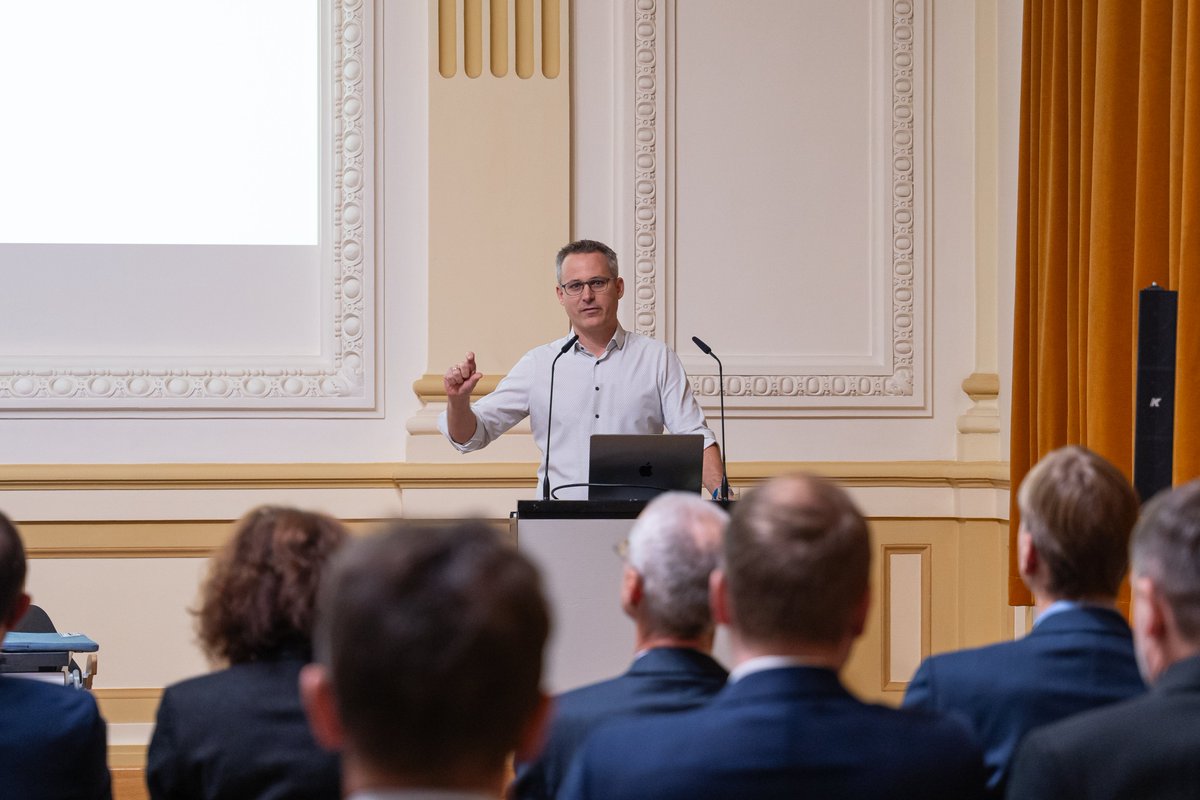
How can investigations keep pace with the rapidly evolving world of #cryptoassets? This was the central question as @bhaslhofer presented his work at a workshop hosted by the Czech National Bank on "Increasing Efficiency in Cryptoasset Investigations."
"The challenge is clear," he says. "Manual investigations are reaching their limits as cryptoasset ecosystems grow rapidly in volume and complexity."
This evolution affects financial institutions, including national banks and financial market authorities implementing regulations like MiCA, as well as law enforcement agencies.
👉 Key takeaway: The future of cryptoasset investigations lies in #automation, #network-based thinking, and advanced #data-driven techniques.
🖼️ CNB - Czech National Bank
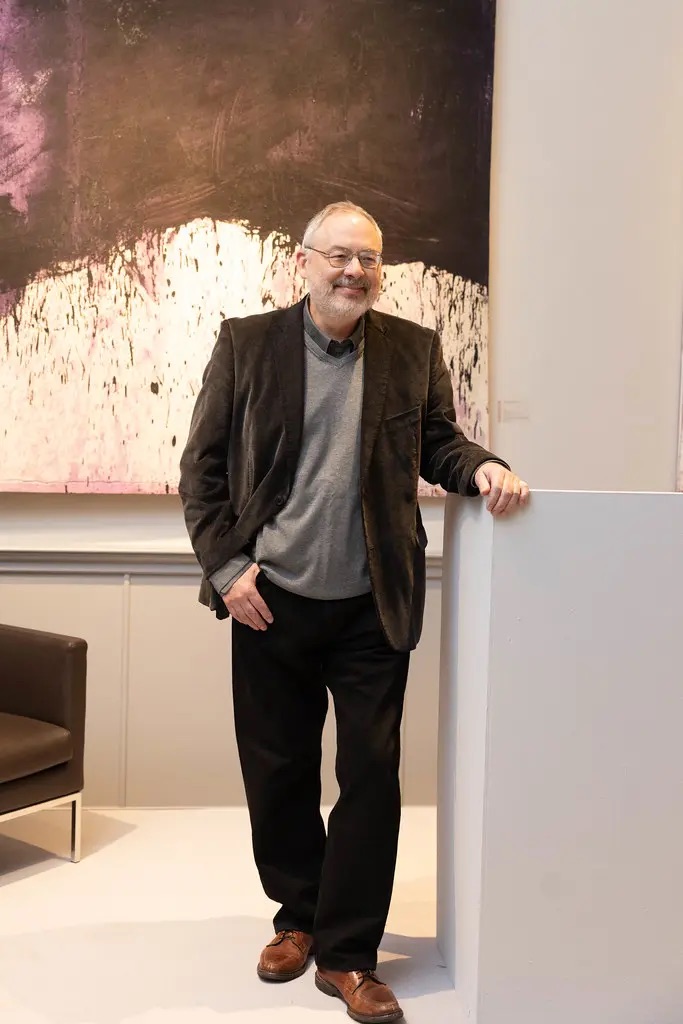
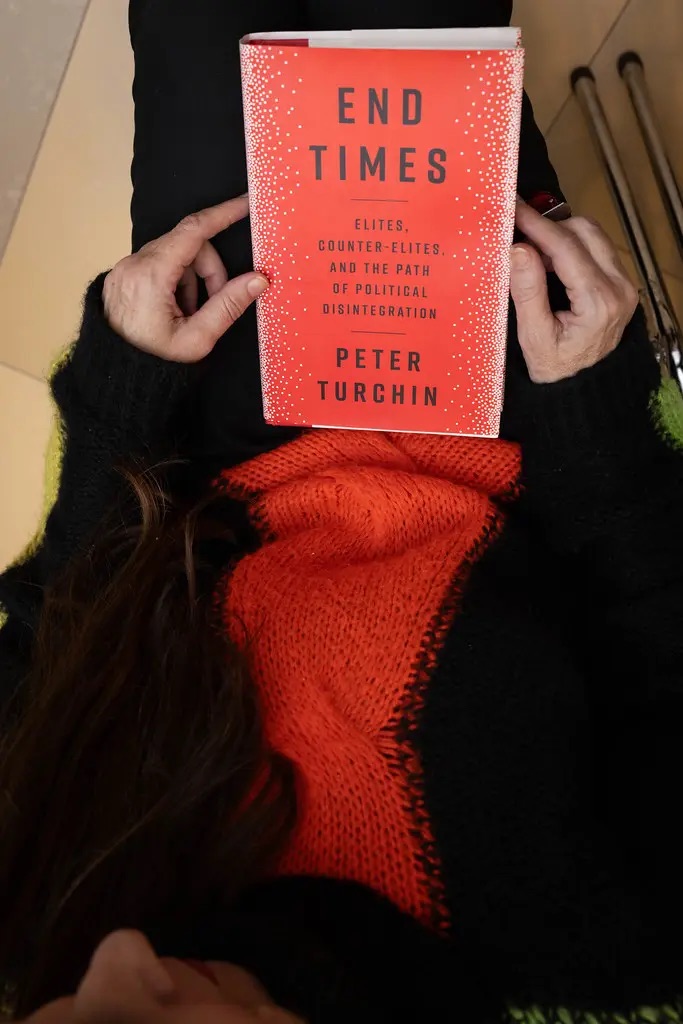
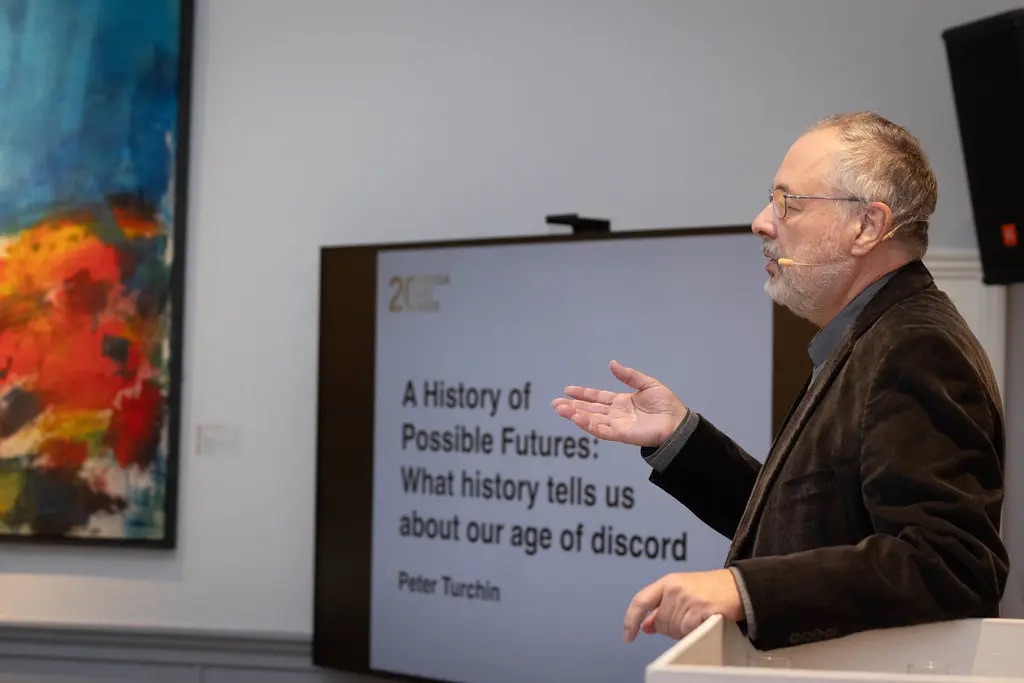
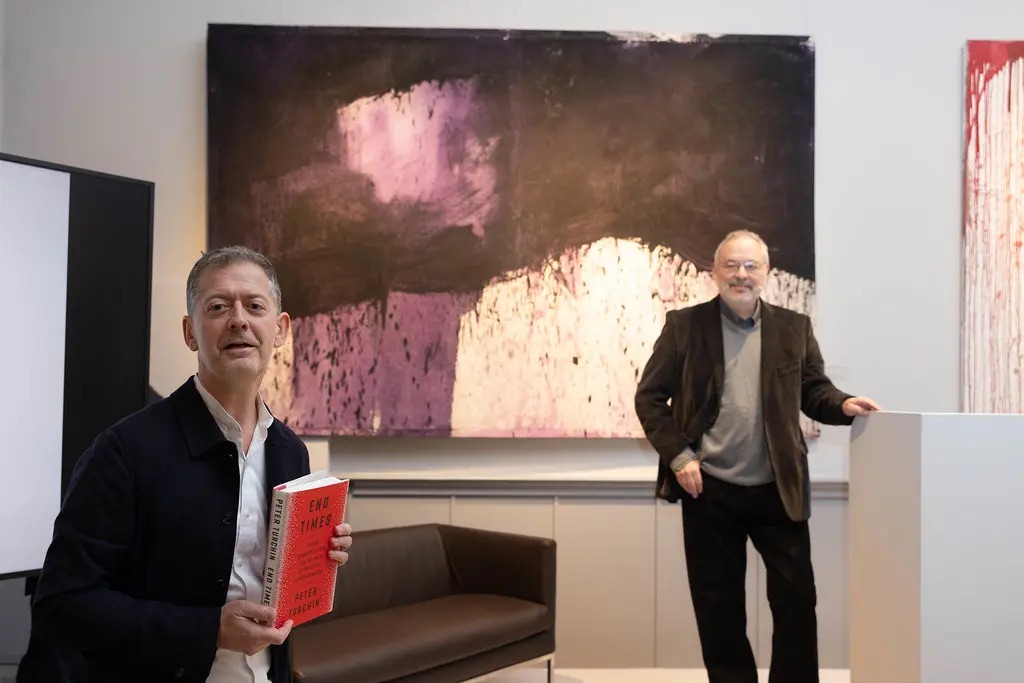
🎙️ Science, art, and business converged at this year’s #ViennaArtWeek. @Peter_Turchin from @CSHVienna shared his research on the social and economic dynamics driving instability in the U.S. and Europe. His analysis of historical patterns provides a deeper understanding of the systemic forces shaping today’s 'Age of Discord.'
🖼️ eSeL / Lorenz Seidler
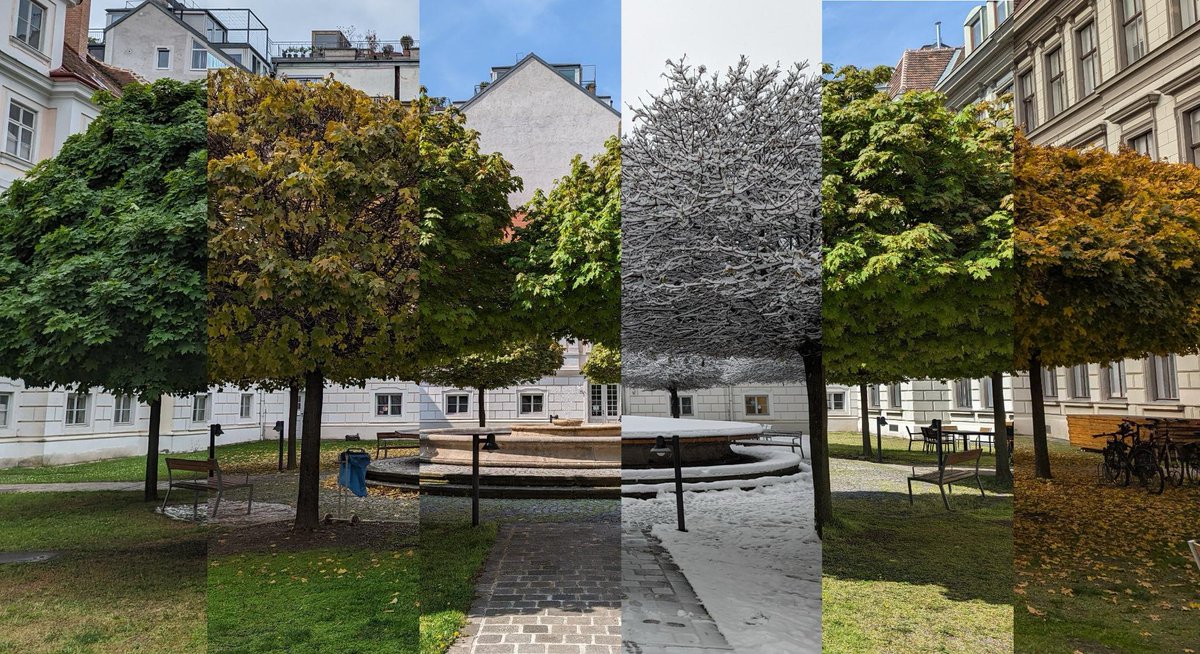
It's already starting to feel a bit nostalgic as we prepare to move to our new campus at Palais Rothschild. 📷 @CSHVienna scientist @xiangnan_feng captured the beauty of our beloved -- and soon to be former -- home in varying seasons.
#nostalgia#SEASONS
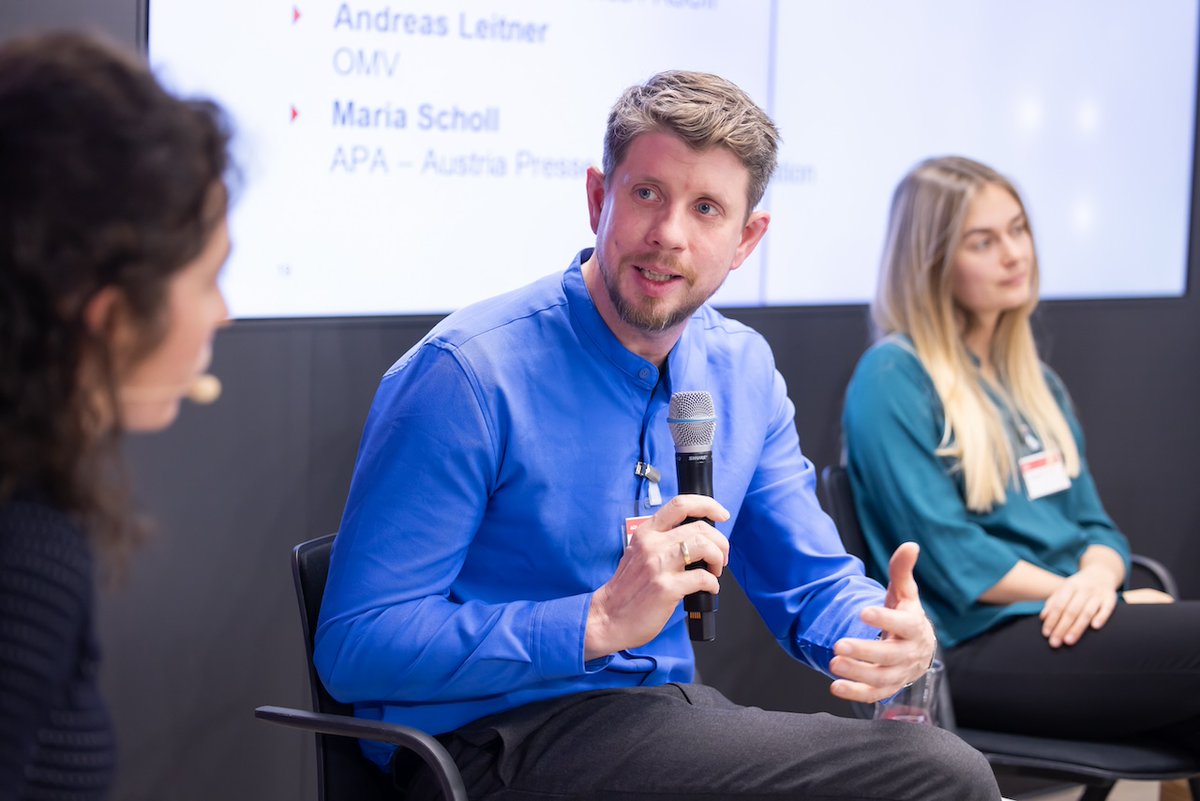
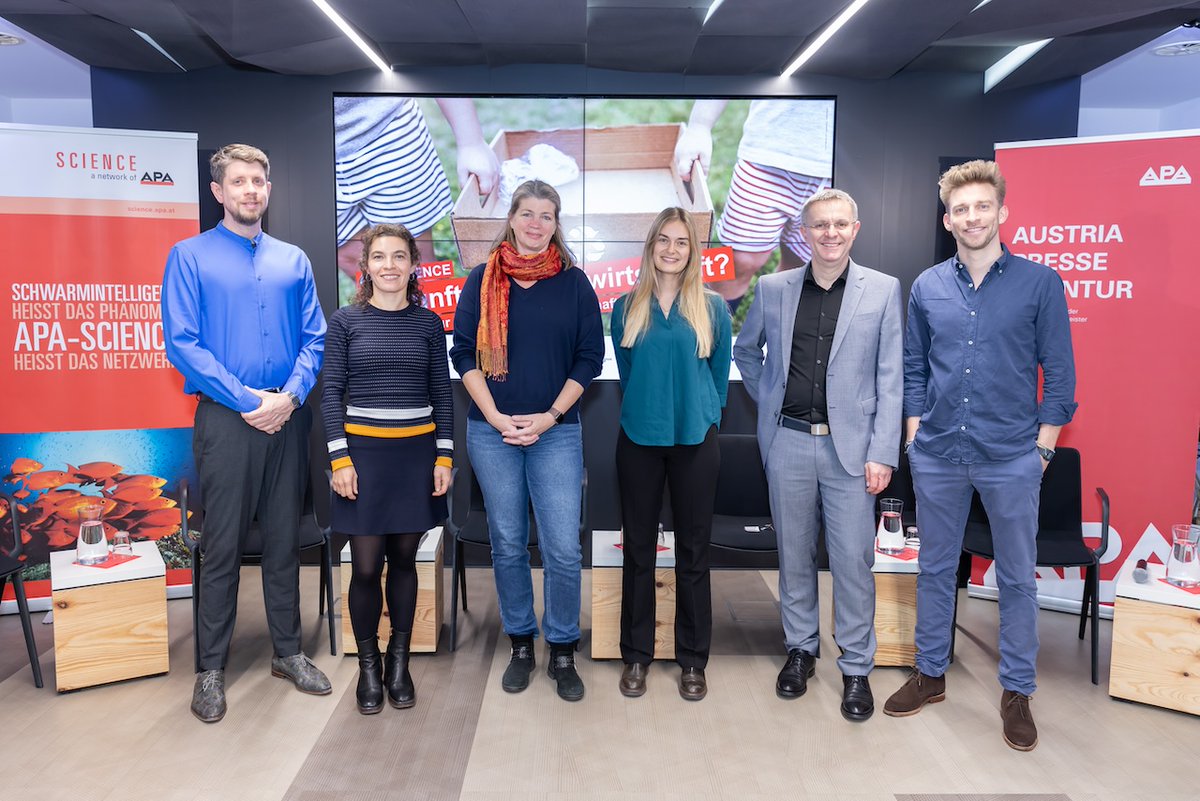
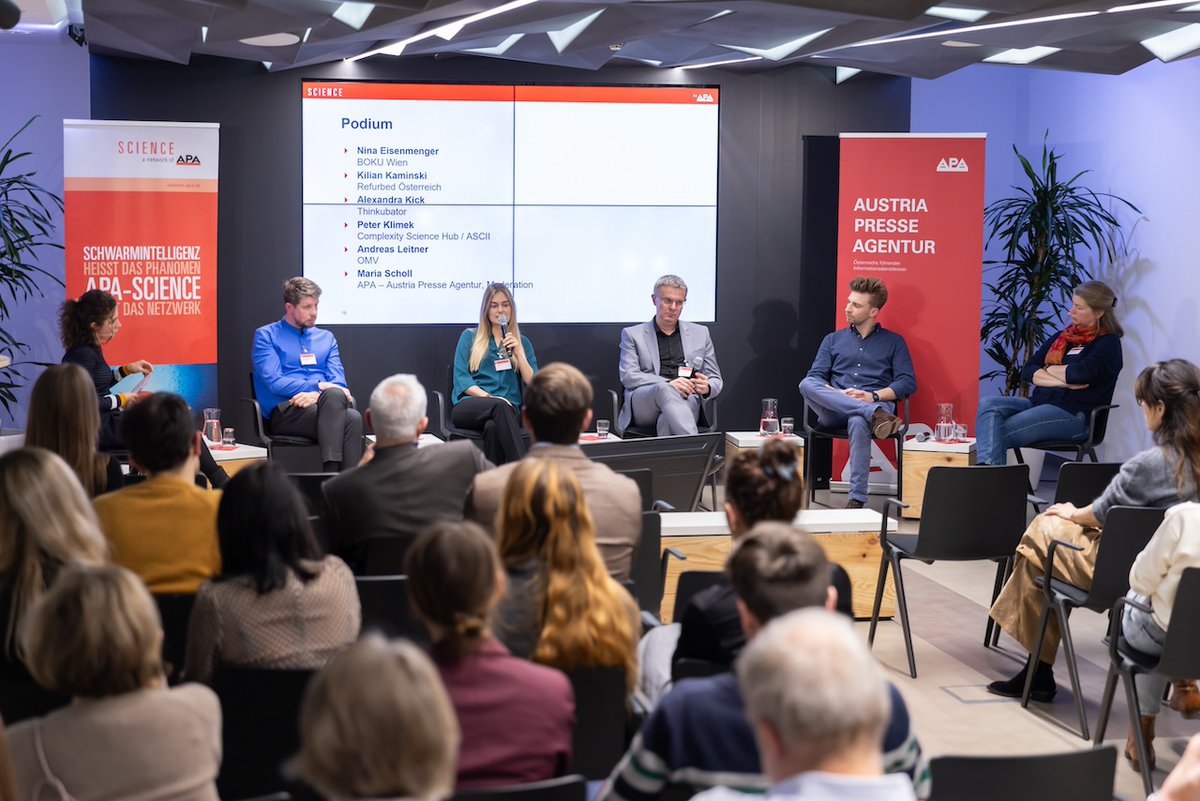
🌍 🌱 Experts agree: The #CircularEconomy is essential in addressing #ClimateChange and conserving our planet's finite resources. But achieving this requires collective action and systemic change, as highlighted in a recent discussion on the "Future of Circular Economy?" hosted by @APA_Science.
Key takeaways from the event:
💡 Systemic change is crucial. According to Peter Klimek from @CSHVienna and the Supply Chain Intelligence Institute Austria individual market players have limited ability to implement circular economy on their own. We need models that integrate the entire system.
🔄 Recycling is important, but it’s only one piece of the puzzle. Innovation in product design, material reuse, and new business models are essential to creating a circular system.
🌿 Innovation and sustainable growth go hand in hand. Despite challenges, Nina Eisenmenger from @BOKUvienna emphasizes the need for courage and systemic thinking to reduce material footprints and achieve sustainability.
🌍 Local solutions matter. As Kilian Kaminski, co-founder of @refurbed, notes, creating access to refurbished products can reduce consumption and provide high-quality alternatives. This is especially important when considering the global importance of green technologies.
👶 Education is key to fostering a circular economy mindset, empowering individuals and organizations to drive sustainable change, as highlighted by Alexandra Kick, co-founder of the think-tank thinkubator.
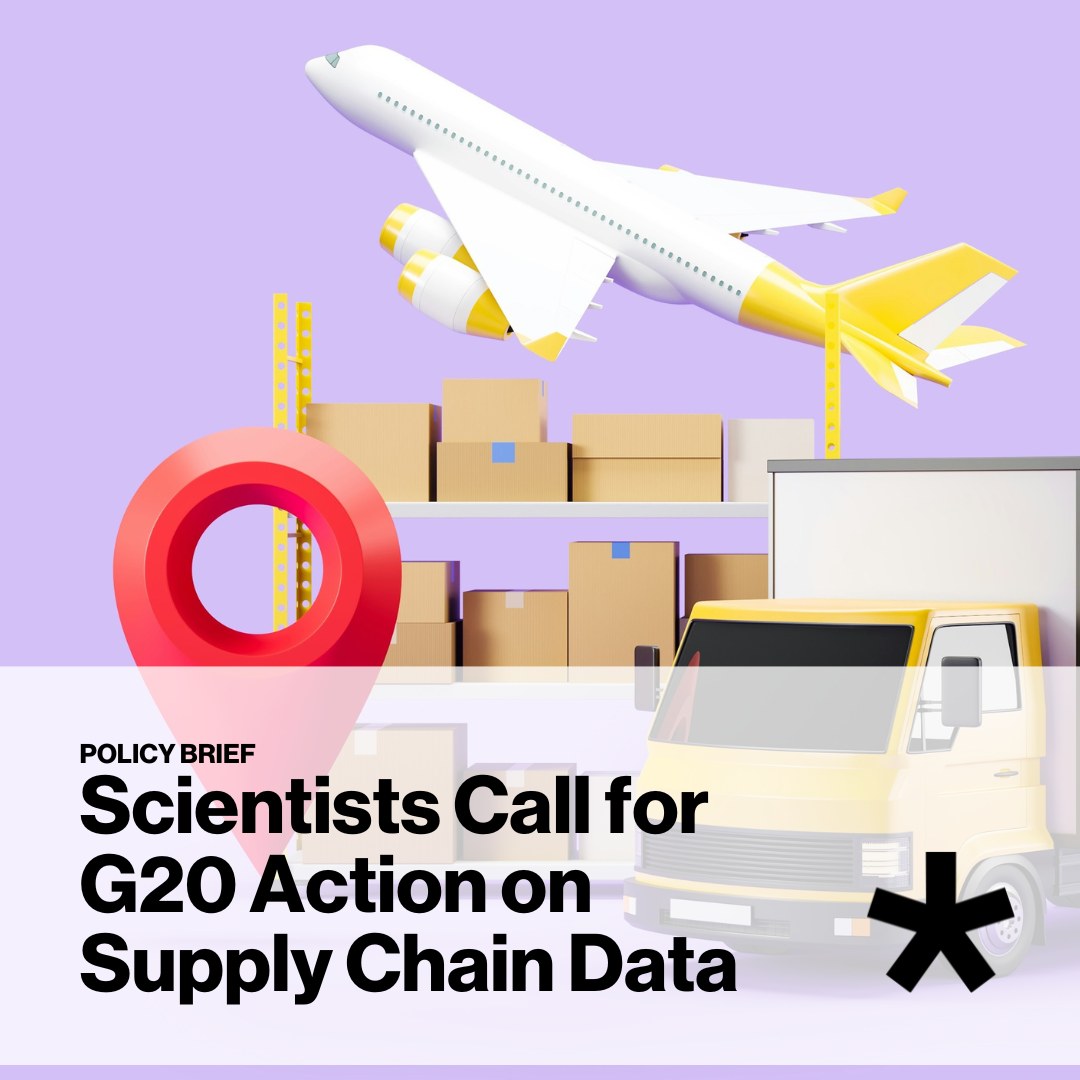
🌍 Scientists urge G20 action on supply chain resilience!
As global leaders gather in Brazil next week for the #G20 Summit, scientists—including @CSHVienna —are calling on G20 nations to prioritize comprehensive #supplychain#data. With #climate risks on the rise, they stress that without reliable data and coordination, global economic stability hangs in the balance.
In a joint #policybrief, they break down their recommendations into three key pieces:
👉 Map national supply chains – Collect and manage data on domestic supply networks to identify vulnerabilities and improve resilience.
👉 Global cooperation for risk monitoring – Create a collaborative framework to track and address supply chain risks worldwide, ensuring early response to disruptions.
👉 Data-driven resilience policies – Use data insights to adapt supply chains to climate impacts and develop targeted resilience strategies.
More info: https://t.co/XoXXMHp571
With @FrankfurtSchool, @CSHVienna, @wu_vienna, @DIW_Berlin, @ETH_en
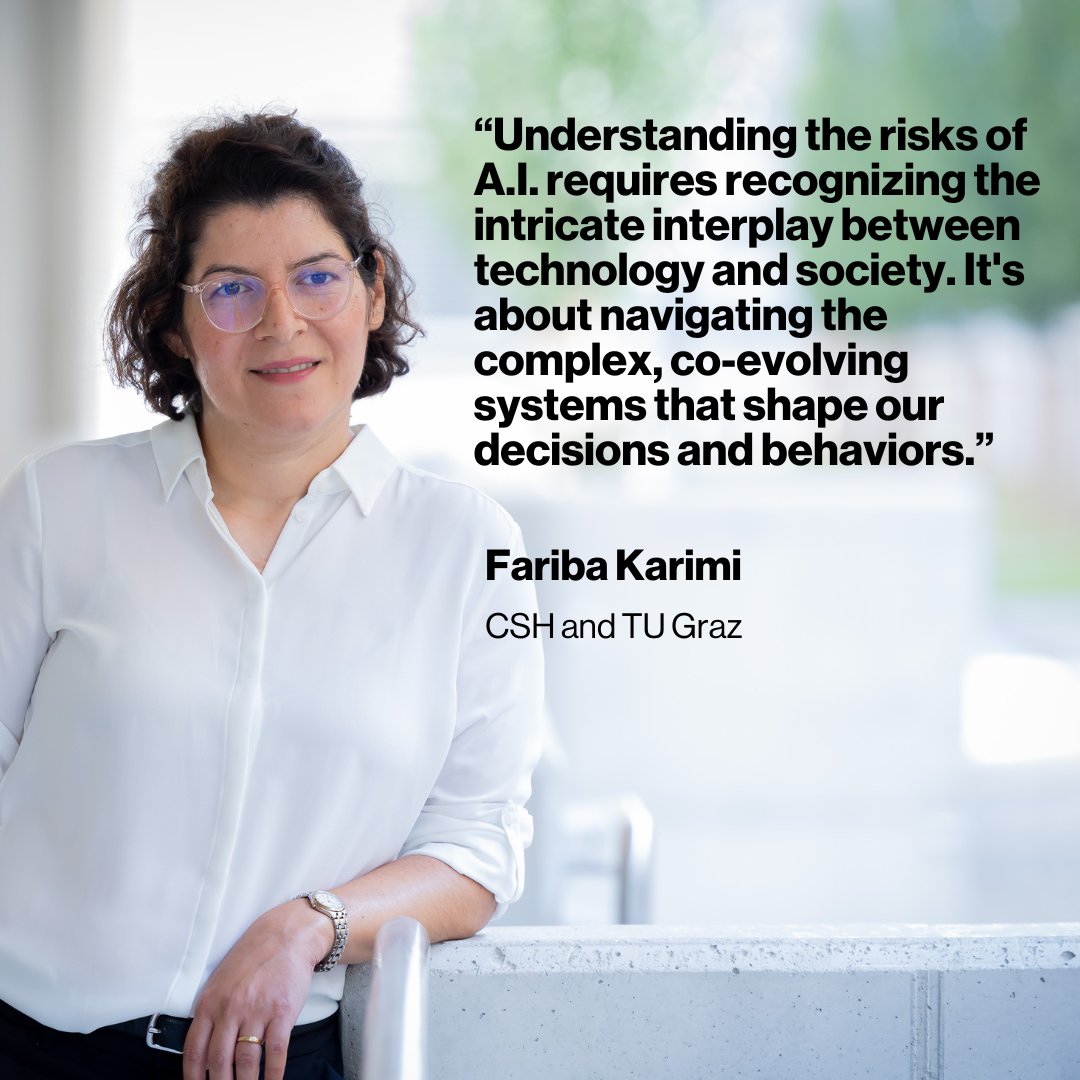
What exactly are the dangers posed by #AI?
When the EU AI Act was published last July, there was a big emphasis on assessing long- and short-term risks. “But there were no specifications on what it means to assess risk”, says @fariba_k, who leads a research team on algorithmic fairness at @CSHVienna.
In a study published in @TheRoyal_S, Karimi and other scientists call for a complex systems perspective to better assess and mitigate these risks. “Long-term risks are not the linear combination of short-term risks. They can escalate exponentially over time. However, with computational models and simulations, we can provide practical insights to better assess these dynamic risks,” adds Karimi, also a professor at @tugraz.
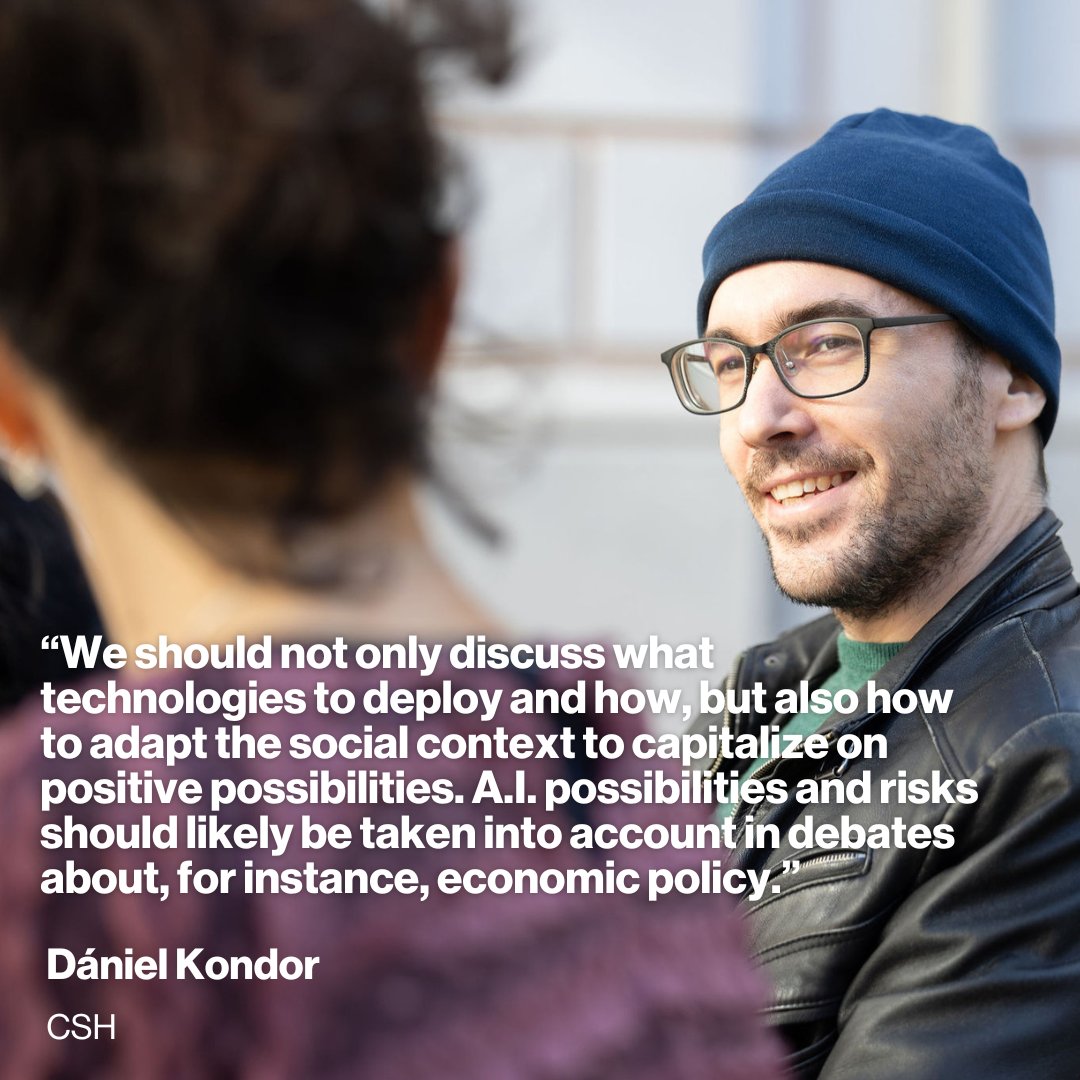
In addition, the study's authors emphasize the importance of involving laypeople and experts from various fields in the risk assessment process. “A more general issue is the promotion of social resilience, which will help AI-related debates and decision-making function better and avoid pitfalls. In turn, social resilience may depend on many questions unrelated (or at least not directly related) to artificial intelligence,” ponders @CSHVienna scientist Dániel Kondor.
👉 Learn more: https://t.co/4yf23LEQCB
📸 Getty Image for Unsplash, Wolf-TU Graz and Leon Philipp
#AIrisks #artificialintelligence #AIethics #Technology
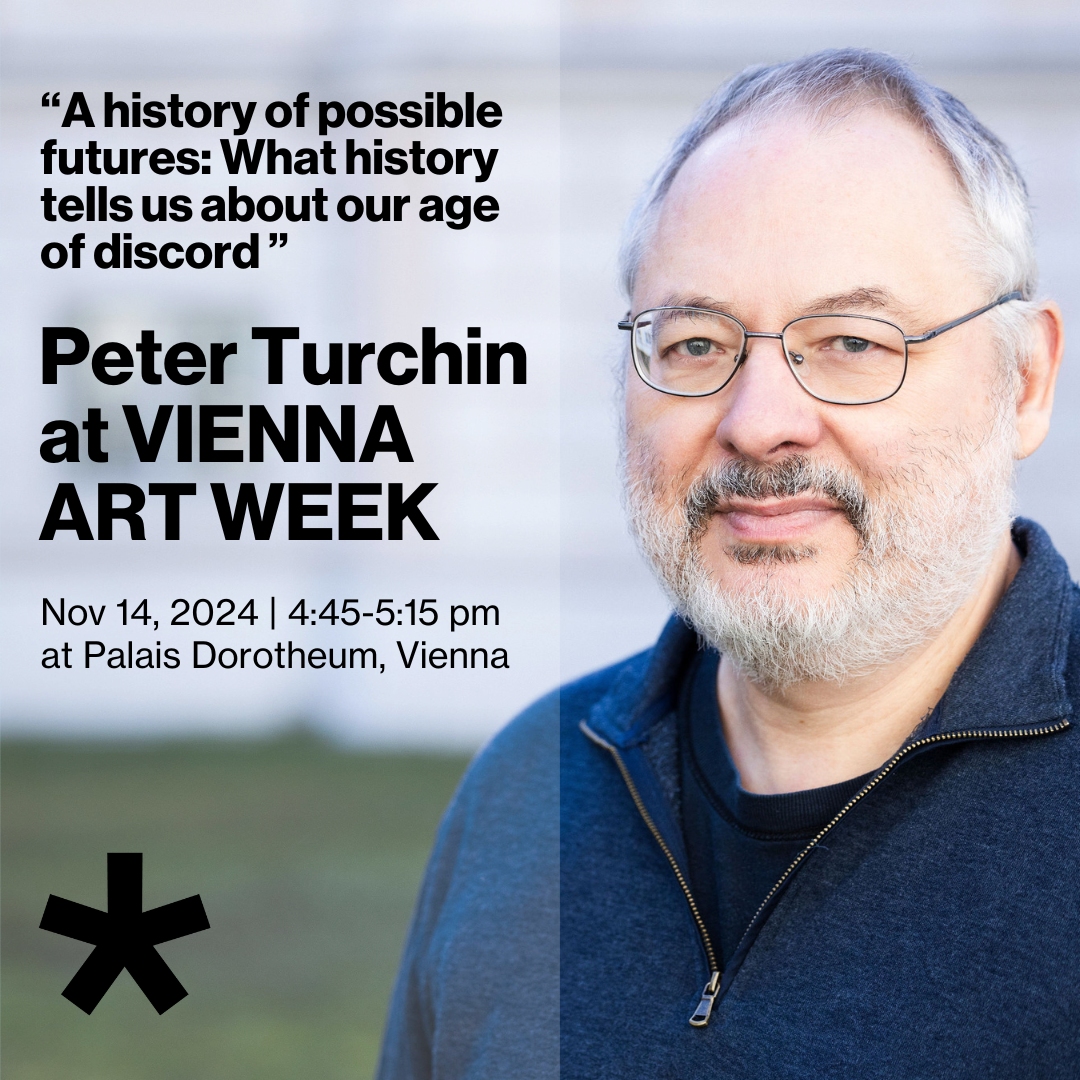
👉 Event Tip: Peter Turchin at VIENNA ART WEEK!
This year’s theme, Facing Time, brings together international voices from #art, #business, and #science to explore the concept of time from diverse perspectives.
@Peter_Turchin, who leads the Social Complexity & Collapse research group at @CSHVienna, will share insights from his work on the social and economic forces driving instability in the U.S. and Western Europe. By diving deep into historical data, he looks beyond day-to-day politics and social unrest to uncover the underlying forces shaping our current “Age of Discord,” offering a new perspective on today’s challenges.
🗓️ Nov 14, 4:45-5:15 pm
📍 Dorotheum, Dorotheergasse 17, 1010 Vienna, Österreich
🔗 https://t.co/Bhi8D4cIYt
#artandscience #viennaartweek #complexityscience
@viennaartweek
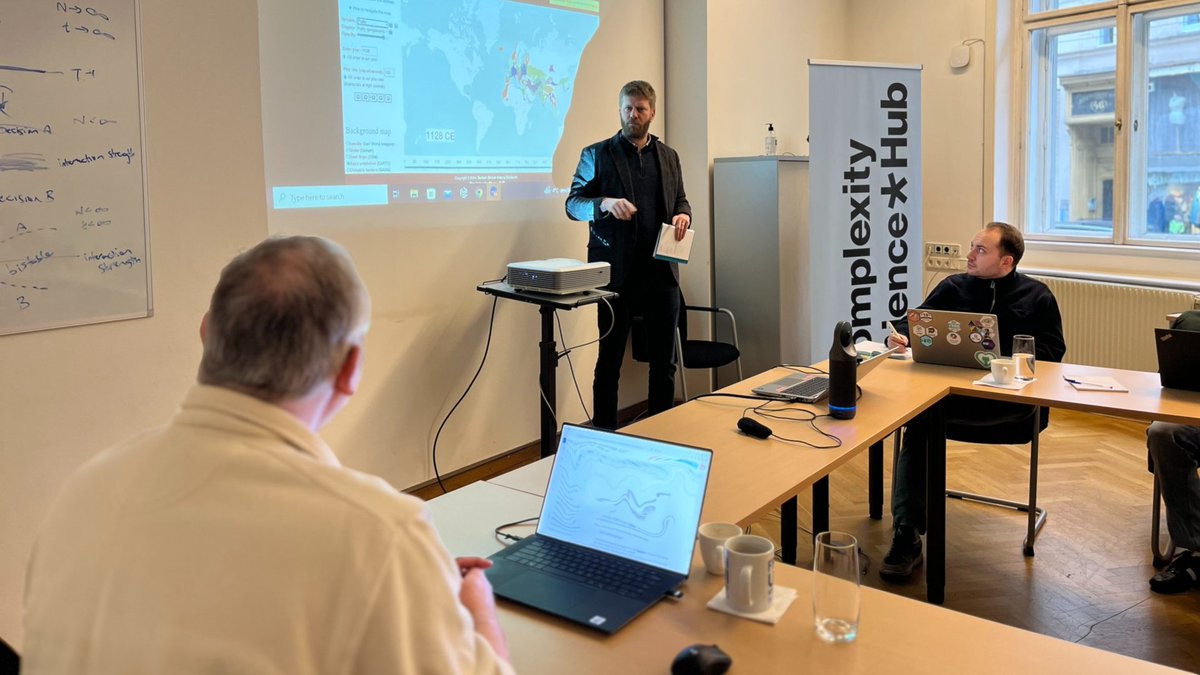
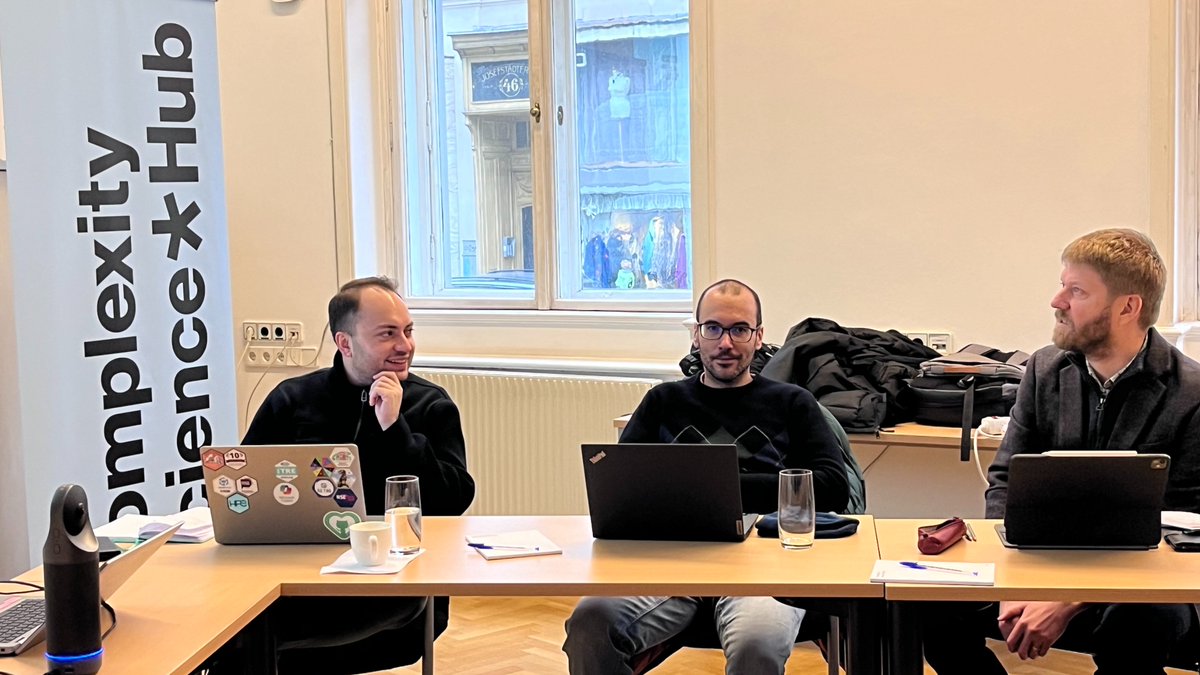
In intensive and lively discussions, @Peter_Turchin and scholars from a variety of backgrounds are gathered at the @CSHVienna with one clear goal: improving the Seshat Databank. The @SeshatDatabank is an all-in-one collection of the most current and comprehensive knowledge about human #History.
What are the best ways to improve collaboration with external experts? And how to build a sustainable digital infrastructure for the project? The two-day workshop will allow Turchin and Seshat members to address some of these questions, and to find solutions for this massive collection of historical information.
Learn about this unique databank that collects information on how societies have evolved through time, including their social and political organization. https://t.co/Kmmhfc3W3o
Do you want to know more about Turchin's work? https://t.co/alyOLybbg5
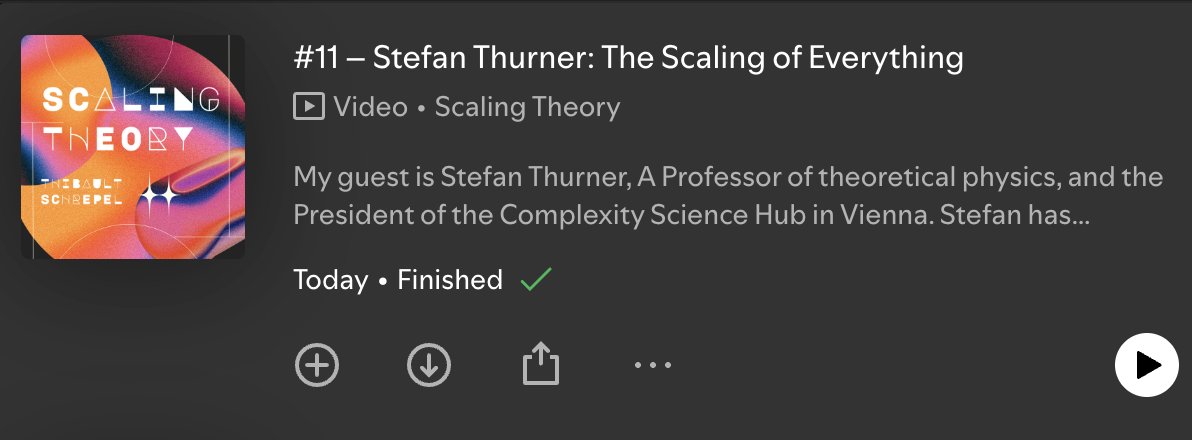
🎧 Stefan Thurner, president of @CSHVienna, is a guest on the Scaling Theory podcast. The CSH president discusses his academic work and the scaling laws of everything in a conversation with @ProfSchrepel. They talk over the dynamics of #supplychain networks and how #complexityscience can be used to make the economy more resilient. Among other topics, Thurner and Schrepel explore the dynamics of #socialnetworks, as well as how complexity science can help us solve some of society's challenges. 🎧 Listen now.
NEW EPISODE: My guest is Stefan Thurner, President of the @CSHVienna and External Professor at the @sfiscience.
We first delve into the scaling laws of everything, for example, how to make the economy more resilient by targeting some unique companies, how social bubbles form, the strength of networks of friends and foes in social contexts, etc.
• Spotify: https://t.co/Qe1oXucgUj
• Apple: https://t.co/cqyp3NhfzW
• YouTube: https://t.co/OVj1KZcORQ
#scalingtheory
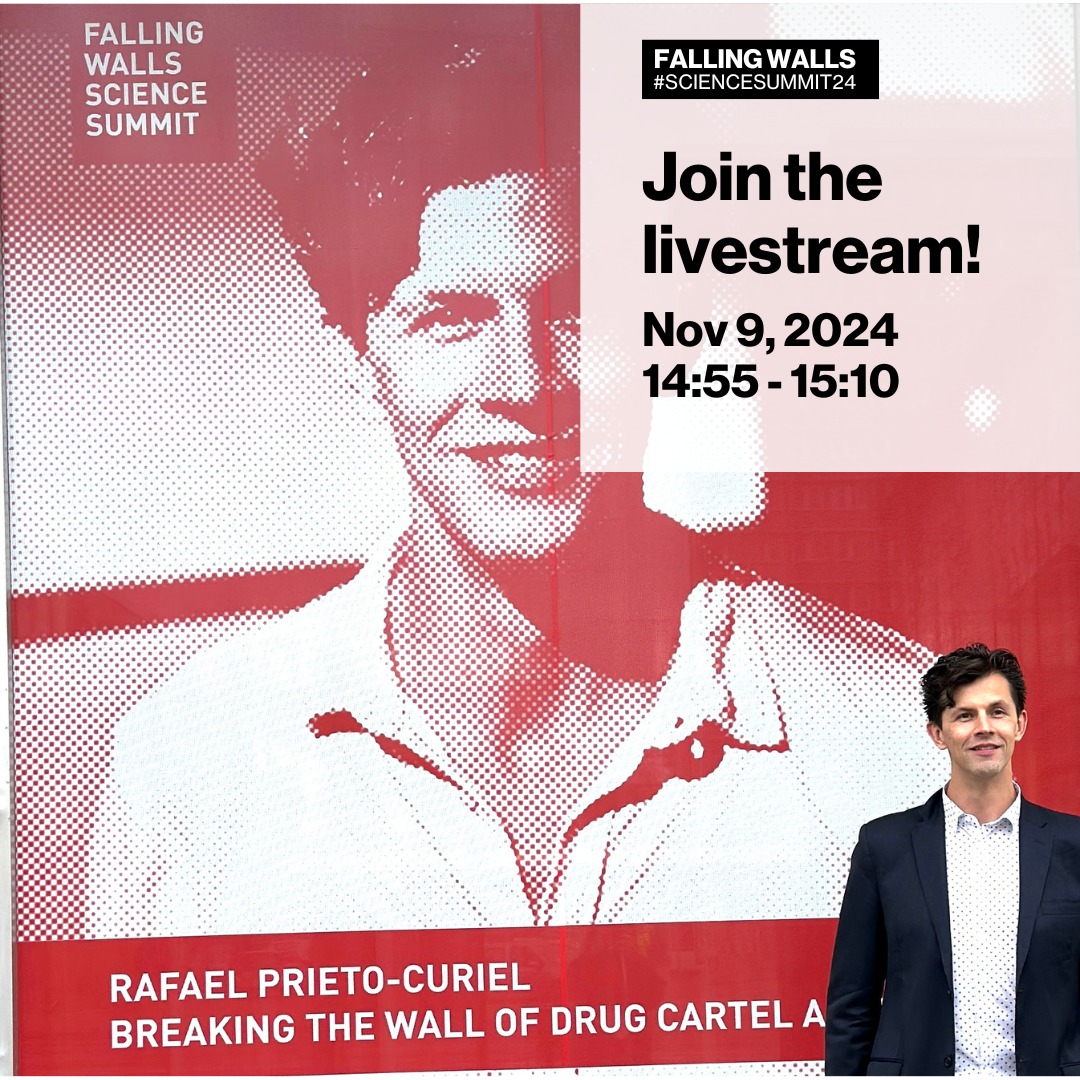
Today, @CSHVienna’s @rafaelprietoc takes the stage at the @Falling_Walls Science Summit to break the wall of drug cartel analysis.
If you can’t be there in person, catch the live stream: https://t.co/MhlEGYJlXB
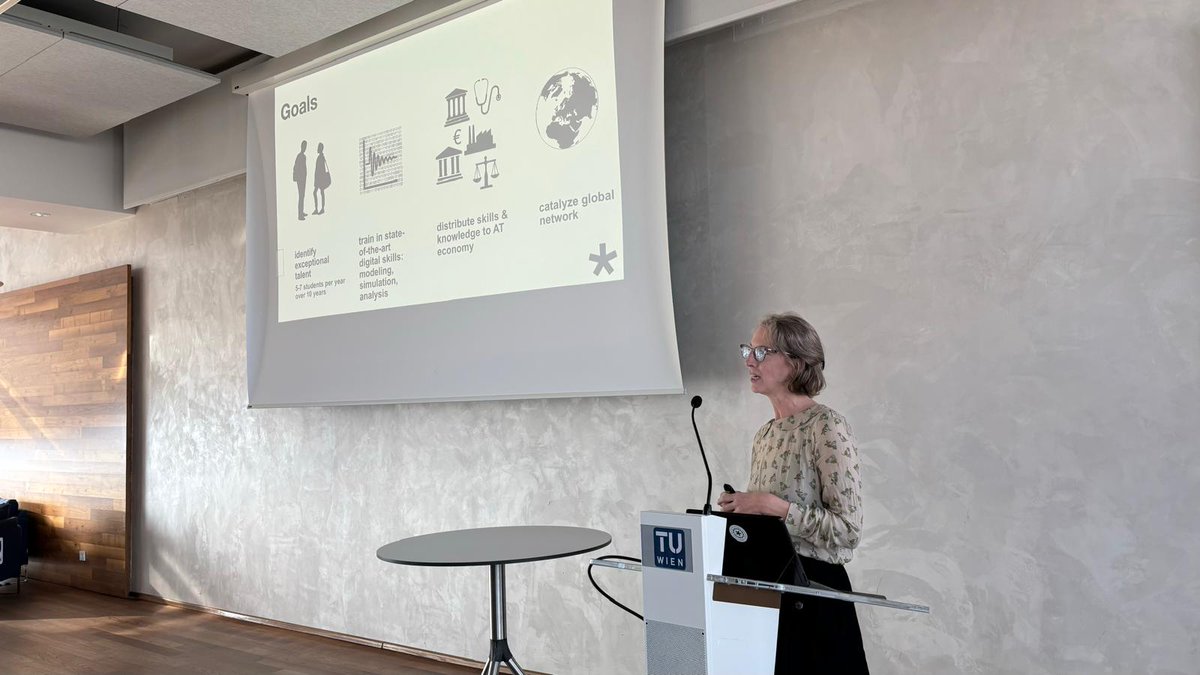
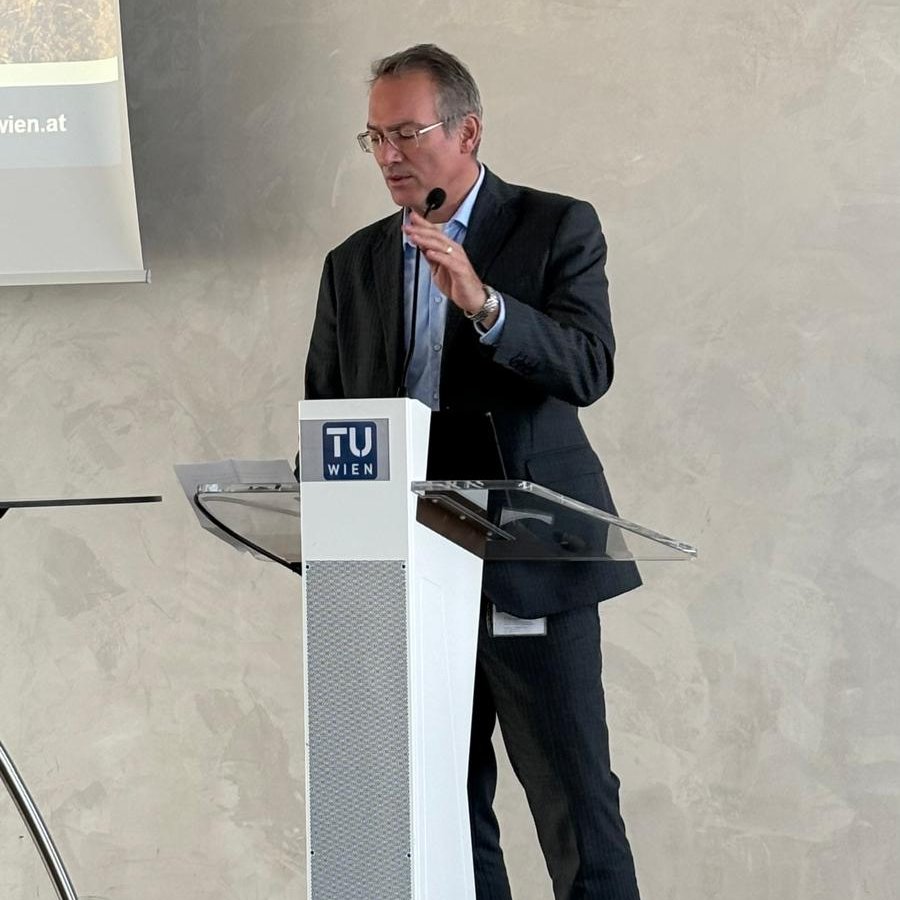
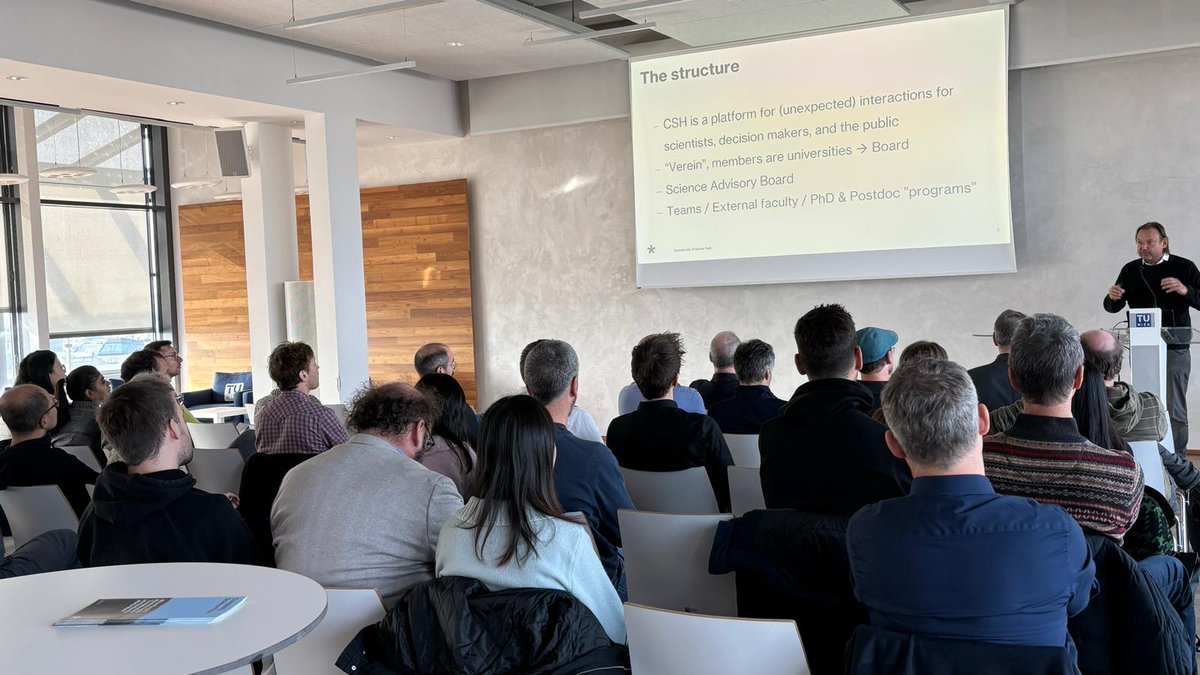
Today, @CSHVienna scientists presented some of our cutting-edge research to @tu_wien, one of our member institutions. Our president, Stefan Thurner, introduced our work on #SupplyChain science. @bhaslhofer, @LiuhuayingYang, @jo_stangl, @ElmaDervicMe, and Jan Korbel discussed CSH research that seeks to gain an understanding of the networks underlying society. 🎓 Also, Carrie Cowan gave an introduction to the #PhD Programme in the #DigitalInnovation School. It was a great opportunity to #connect and explore #research and #Collaboration possibilities.
#networking #complexityscience
🏆 Congratulations to Christian Diem! 🎉
Today, Christian Diem received the Stephan Koren Award from @wu_vienna, honoring his outstanding #dissertation.
His research focuses on systemic risks and the ripple effects of economic shocks in #supply and #financialnetworks. Through a combination of economics, network science, and agent-based simulations, he’s shedding light on how disruptions in firm-level production networks spread—and how these insights can improve economic modeling.
After starting his career in the @CSHVienna's Supply Chain Science group and at the @wu_vienna, Christian Diem is now a Marie Skłodowska-Curie Actions (#MSCA) Postdoctoral Fellow at @INET_Complexity Oxford and the Smith School for Enterprise and the Environment, where he continues his research.
But that’s not the end of our story – we’re thrilled that he remains part of the #CSH community as an Associate Faculty member.
#StephanKorenAward #ComplexityScience #SupplyChainScience #EconomicModeling #MSCA #ResearchExcellence