Professor and Director of the Quantitative Toxicology Program in the College of Veterinary Medicine and Biomedical Sciences at Colorado State University
There's still a lot we need to learn about our guts—but ingestible biosensors currently being developed could give us our best look yet: https://t.co/fxGjZrPW34
#TAMU#CVM Study Links Breast Cancer, Body's Internal Clock
Researchers led by Dr. Weston Porter have now identified another gene (beyond BRCA1 and BRCA2) that may have an impact on breast cancer—associated with the body’s circadian rhythm. Read more at https://t.co/hETzFKzgy0
Academics and experts agree that narrow preparation is insufficient for today’s graduates. That’s why the National Academies of Sciences, Engineering, and Medicine want colleges to integrate STEM with the arts and humanities. https://t.co/Qc6Sk632an
Fifteen years after the first genomic sequencing of a malaria parasite, finding genetic targets for malaria treatments continues to prove difficult: https://t.co/a7RTh3MDUW
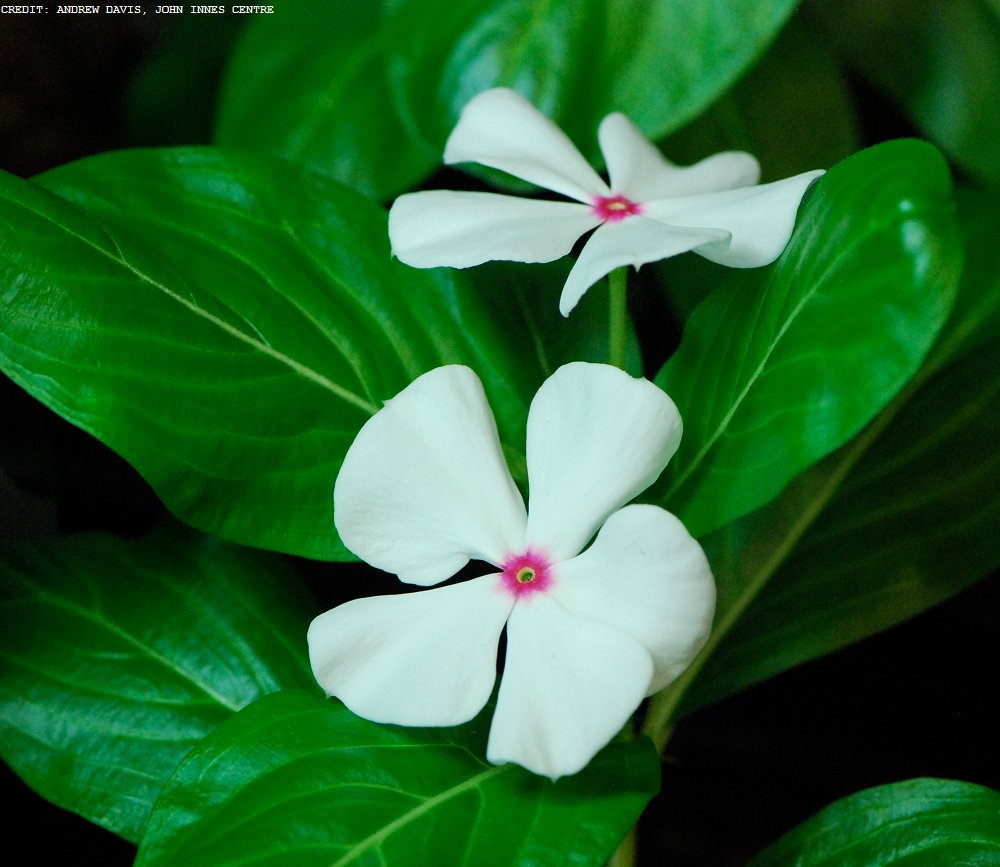
The Madagascar periwinkle produces a compound that's commonly used to treat cancer. A new study puts the finishing touches on understanding how it's made: ($) https://t.co/H6YxLHwHVi
In @SciSignal: beige fat is unique in that it burns, rather than stores, energy -- new research is helping us understand its origins: https://t.co/Q0rn71oQwu
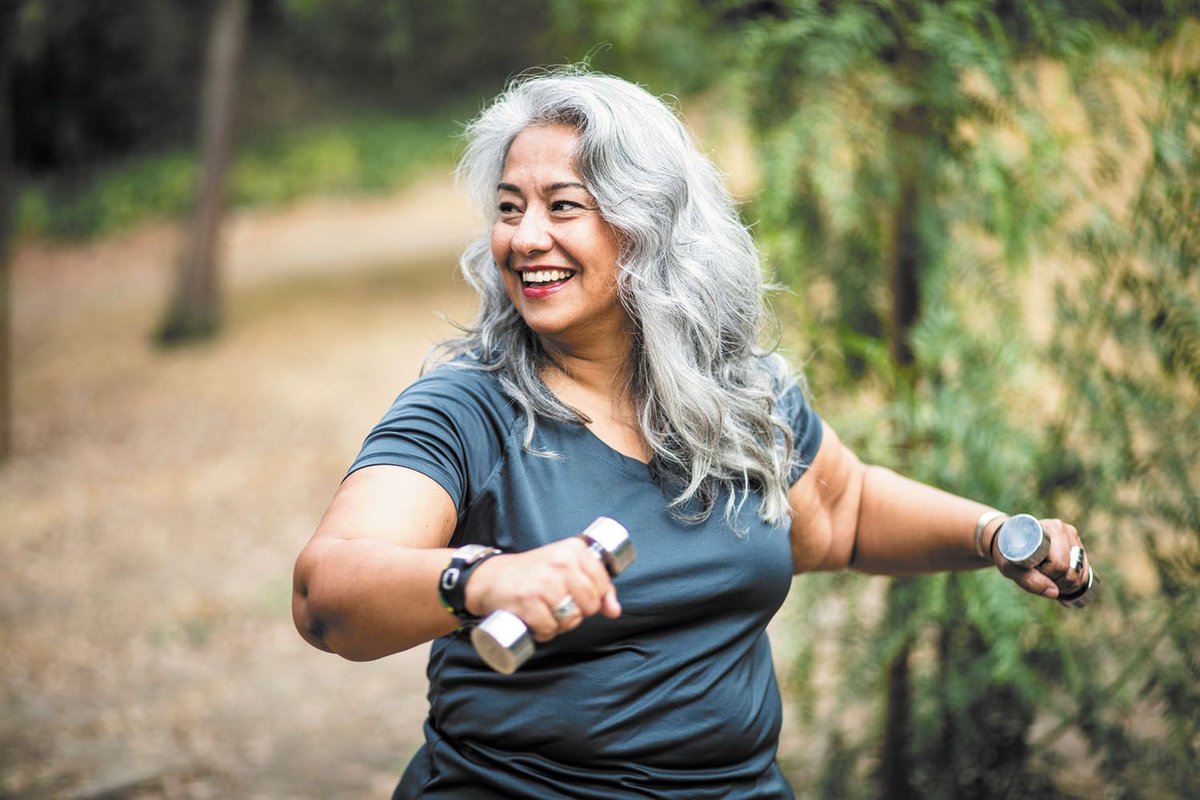
Among sedentary middle-aged adults, doing moderate- to high-intensity exercise at least 4 times a week may help restore heart health. https://t.co/YTsGgLBlY2 #HarvardHealth
Synchronizing drug delivery with a patient’s body clock can yield clear benefits. But will the data be enough to overcome long-standing hurdles? https://t.co/KBZPSVkTTE
Exposure to environmental chemical dioxin in combination with human leukocyte antigen (HLA) gene variant may increase risk of bone degeneration & rheumatoid arthritis, finds mouse study: https://t.co/fTM4GD36PD via @GENbio