Wrapping up #ASCO26 with @HeadNeckMD delivering phase 1 interim analysis results on emiltatug ledadotin, a targeted antibody-drug conjugate being studied for patients with aggressive adenoid cystic carcinoma.
Tune-in tomorrow, June 1st for our #HNSCC KOL event at #ASCO26—updated Phase 1/2 data for CRB-701 including clinical response durability and subgroup analysis, with expert discussion from @AriRosenbergMD, @HeadNeckMD and @CesarAPerezMD. Register here: https://t.co/QNmWnMHynU
Ten years ago, liquid biopsy in HPV+ cancer was a hypothesis.
Today, TTMV®-HPV DNA surveillance has been validated across multiple prospective studies, expert consensus recommendations, and a systematic meta-analysis with pooled sensitivity of 86% and specificity of 96% across 12 studies and more than 1,300 patients. [1]
That’s what a decade of focused research looks like.
#NationalCancerResearchMonth #NavDx #Naveris #ctDNA #ctHPVDNA #MRD #LiquidBiopsy #CancerSurveillance #Oncology #Biotech #HPV #HPVcancer #HeadAndNeckCancer #HNCancer #OPSCC #AnalCancer #ASCC
1. Campo F et al. J Exp Clin Cancer Res. 2024. https://t.co/txlymLl79h .
Sharing the results of ReACT 1.0 in @NatureComms -- the first study to use HPV ctDNA to guide CRT de-escalation in higher risk HPV+ OPC. ctDNA metrics may improve risk stratification. Grateful to our coauthors. @Naveris_inc@DanaFarberNews@jdschoenfeld1
https://t.co/53tHQtj8pl
We’re pleased to announce that the U.S. FDA has granted Fast Track designation to first-in-class, small molecule MYB mRNA degrader, REM-422, for the treatment of recurrent, metastatic, or unresectable ACC.
https://t.co/F0zkB5liuI
#REM422#AdenoidCysticCarcinoma
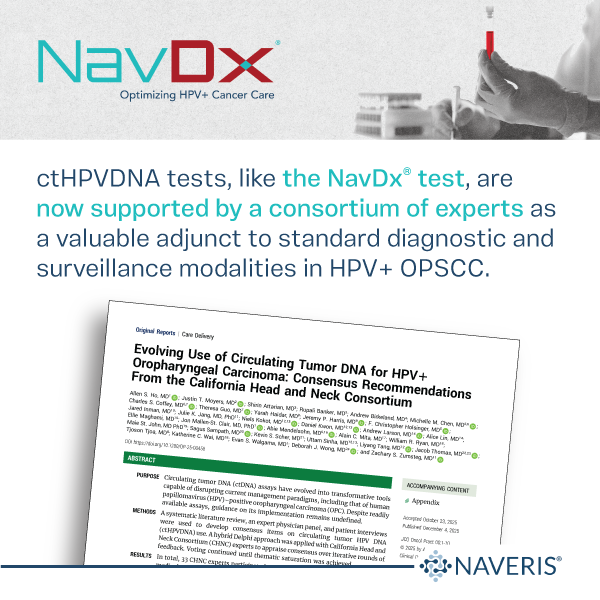
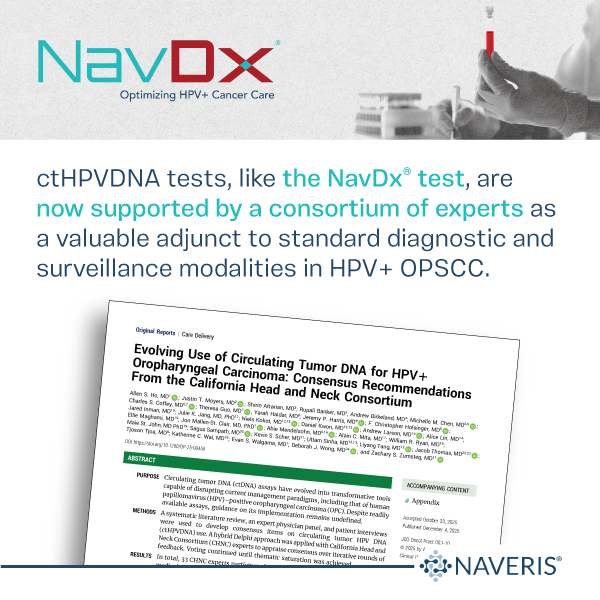
Up to 25% of patients with HPV+ oropharyngeal cancer will experience recurrence. Currently, most recurrences are first reported by the patient and most recurrences are found later than need be. To help identify patients with recurrent disease sooner, when they are asymptomatic and tumor burdens are more likely lowest, circulating tumor HPV DNA (ctHPVDNA) tests, like the NavDx® test, should be added to clinical pathways or protocols. This is one of the notable recommendations from the California Head & Neck Consortium in their recently published consensus paper.
33 leading multidisciplinary experts from 15 institutions also established:
🔹Serial testing is recommended in years 1 through 5, in conjunction with routine surveillance visits
🔹ctHPVDNA provides higher specificity and sensitivity, and improves time to detection of cancer recurrence than standard-of-care methods
🔹Detection of molecular recurrence should prompt more frequent imaging
🔹Serial testing should be performed, rather than testing at a single post-treatment time point
These findings support what thousands of clinicians throughout the U.S. are already seeing in their practices: Routine post-treatment monitoring of patients with HPV+ oropharyngeal cancer using the NavDx test can identify cancer recurrence earlier than symptoms or imaging alone.
Access the full publication here: https://t.co/texyW76FCd
#RadiationOncology #MedicalOncology #ENT #OropharyngealCancer #NavDxTesting
Standard-of-care surveillance modalities for HPV+ oropharyngeal squamous cell carcinoma (OPSCC) have not changed in many years. As many as 25% of patients will experience recurrence, but standard modalities will fail to detect the majority of recurrences, especially in asymptomatic patients. Fiberoptic laryngoscopy identifies recurrence only 0.3% to 2% of the time (1,2), and advanced imaging such as PET/CT is not part of recommended surveillance guidelines.
Incorporating the NavDx® test (or a similar tool) into routine surveillance, as recently recommended by the California Head and Neck Consortium (https://t.co/texyW76FCd), can provide a highly specific, highly sensitive, and non-invasive way to get deeper insight into your patients’ cancer status when used as a complement to standard methods. NavDx testing’s high PPV can reduce the risk of unnecessary invasive procedures, while its high NPV can offer patients greater confidence in their response to treatment and current disease management.
Contact us today to learn more! https://t.co/hqjVRNPdjx
#Naveris #NavDx #oncology #clinicaldata #healthcare #hpvcancer #hncancer #cancersurveillancesolution
1. Kothari P, et al. doi: 10.1007/s00405-010-1461-2.
2. Boysen M, et al. doi: 10.1016/s0959-8049(05)80068-1.
The California Head & Neck Consortium released the first multidisciplinary consensus recommendations on the use of circulating tumor HPV DNA in HPV+ oropharyngeal carcinoma. The panel of 33 experts representing 15 institutions reached strong consensus that a tool like the NavDx® test should be incorporated into routine surveillance.
The consensus recommendations also included:
Using an option like the NavDx test improves time to recurrence detection vs. conventional surveillance tools, but should supplement these methods, not reduce or replace them.
The recommended time for a patient’s first post-treatment test is 3 months.
Serial testing should be performed in conjunction with conventional surveillance every 3 months in the first 2 years post-treatment and every 6 months in years 3-5.
For patients with a single positive post-treatment test where no clinical or radiographic evidence of disease is present, the best time to repeat the test is in one month.
Earlier molecular detection of locoregional or oligometastatic disease should improve outcomes.
These recommendations reinforce real-world clinical validation and value of new technologies like the NavDx test in earlier detection of molecular residual disease and recurrence of HPV+ oropharyngeal cancer. Access the full publication here: https://t.co/LDBhmvRCnS
#ctHPVDNA #HeadAndNeckCancer #Oncology #MRD #NavDx #CancerSurveillance #hncancer
Head and neck #cancer is the seventh most common cancer worldwide.
This JAMA Review summarizes the epidemiology, clinical presentation, diagnosis, and treatment of head and neck squamous cell carcinomas (#HNSCC) of the upper aerodigestive tract.
https://t.co/bj87KRol8C
Dr. Glenn Hanna (@HeadNeckMD), Director of the CCTI at @DanaFarber & Associate Prof. of Medicine at @harvardmed, comments on the promising data on elraglusib as a treatment and GSK-3β as a therapeutic target for metastatic salivary gland cancer. https://t.co/9gsp0CgWYF $ACTU
The Phase II study generated positive results, demonstrating a MOS of 18.6 months, with 40% of patients alive at 2 years. Findings also suggest that nuclear GSK-3β expression may help identify patients most likely to respond to treatment of a historically difficult-to-treat refractory disease. For additional study highlights: https://t.co/zkHY8rc8yy $ACTU
Thinking about cancer recurrence can be scary! The NavDx® test by Naveris® can help take some of the fear and dread out of cancer surveillance for HPV-driven oropharyngeal and anal squamous cell cancer patients. Learn more today! https://t.co/4d2JcjVfbW
#Naveris#NavDx#oncology #hpv #hncancer #analcancer #cancersurveillance
.@DanaFarber’s @HeadNeckMD discusses the results of “A Phase I Trial of the MYB RNA Degrader REM-422 in Patients with Recurrent or Metastatic (R/M) Adenoid Cystic Carcinoma (ACC),” which he is presenting today in the Clinical Trials Plenary Session at the AACR-NCI-EORTC International Conference on Molecular Targets and Cancer Therapeutics in Boston. #Targets25
Announcing positive preliminary results from ongoing Phase 1 clinical trial evaluating first-in-class MYB RNA degrader, REM-422, in patients with R/M ACC at AACR-NCI-EORTC International Conference on Molecular Targets and Cancer Therapeutics.
Full PR here: https://t.co/OKF9oEgCld
Are you or a loved one living with head and neck cancer? The FORTIFI-HN01 trial is a pivotal Phase 2/3 study evaluating a potential new treatment option and is currently enrolling patients. @BicaraTx
https://t.co/re6l1gjdcF
#ClinicalTrial#HeadAndNeckCancer#CancerResearch
This #ESMO25, we will be sharing our new clinical data from our farnesyl transferase inhibitor (FTI) programs. The results highlight our progress in advancing these programs to potentially treat solid tumors with limited treatment options. Full details: https://t.co/n4bgTypgeZ
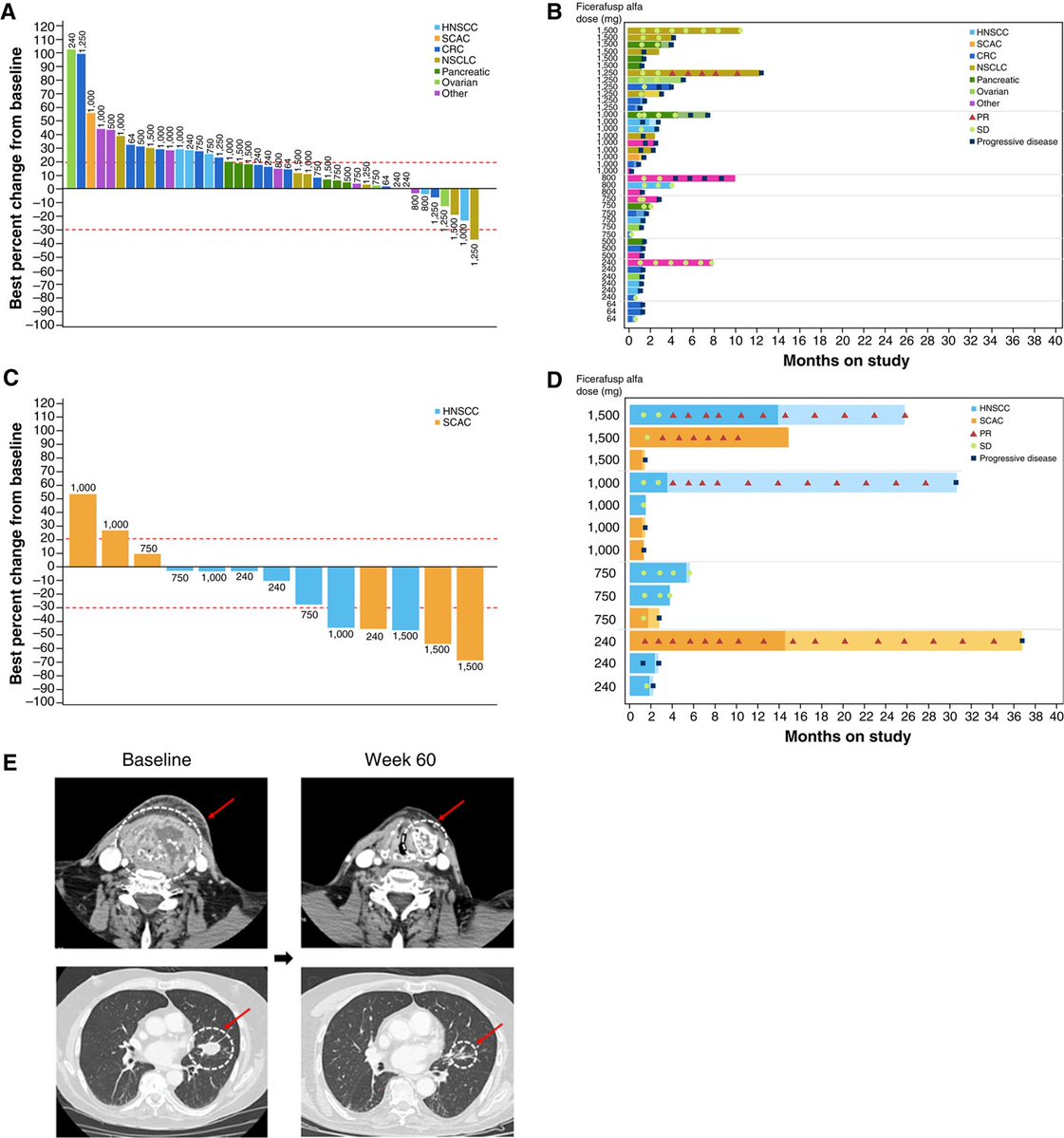
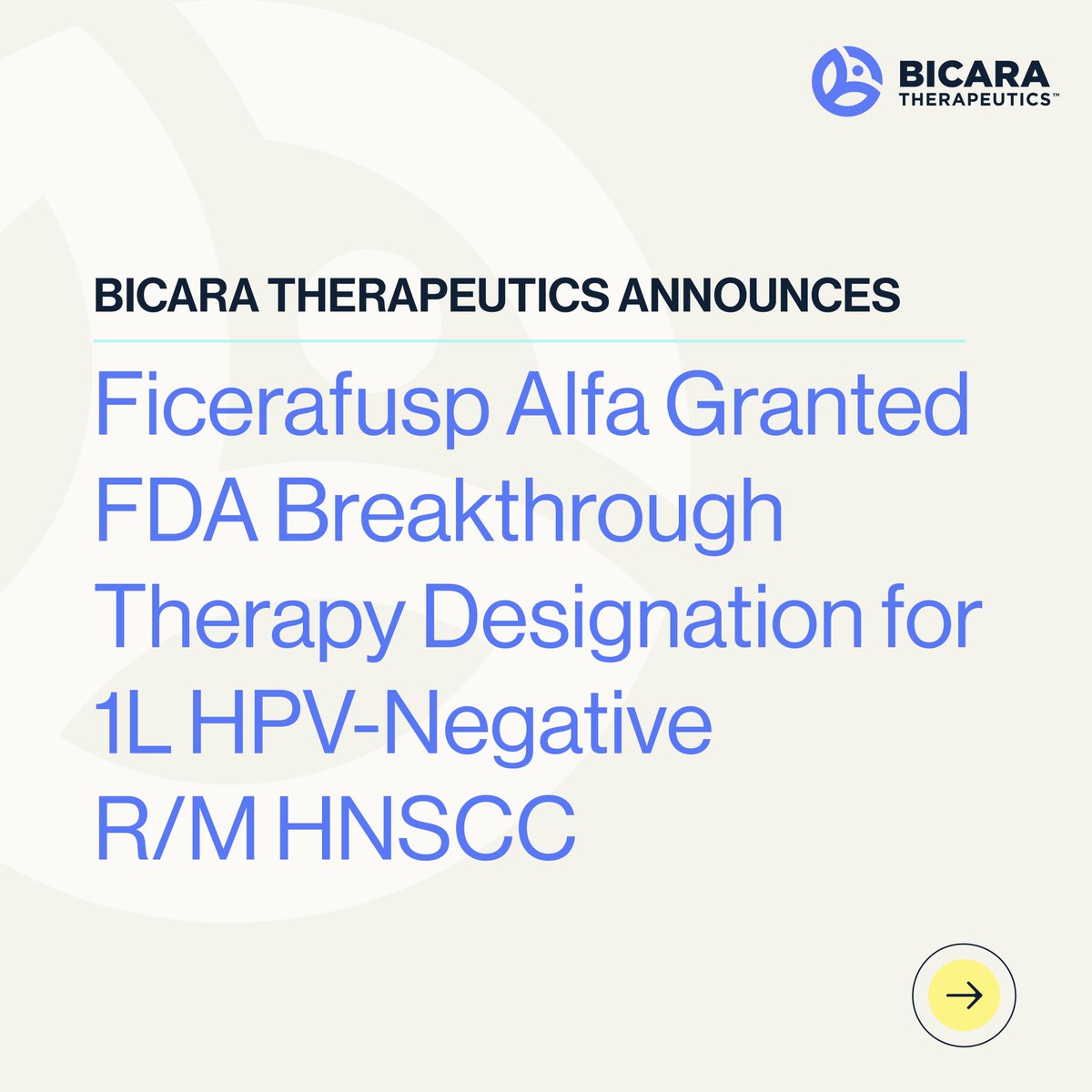
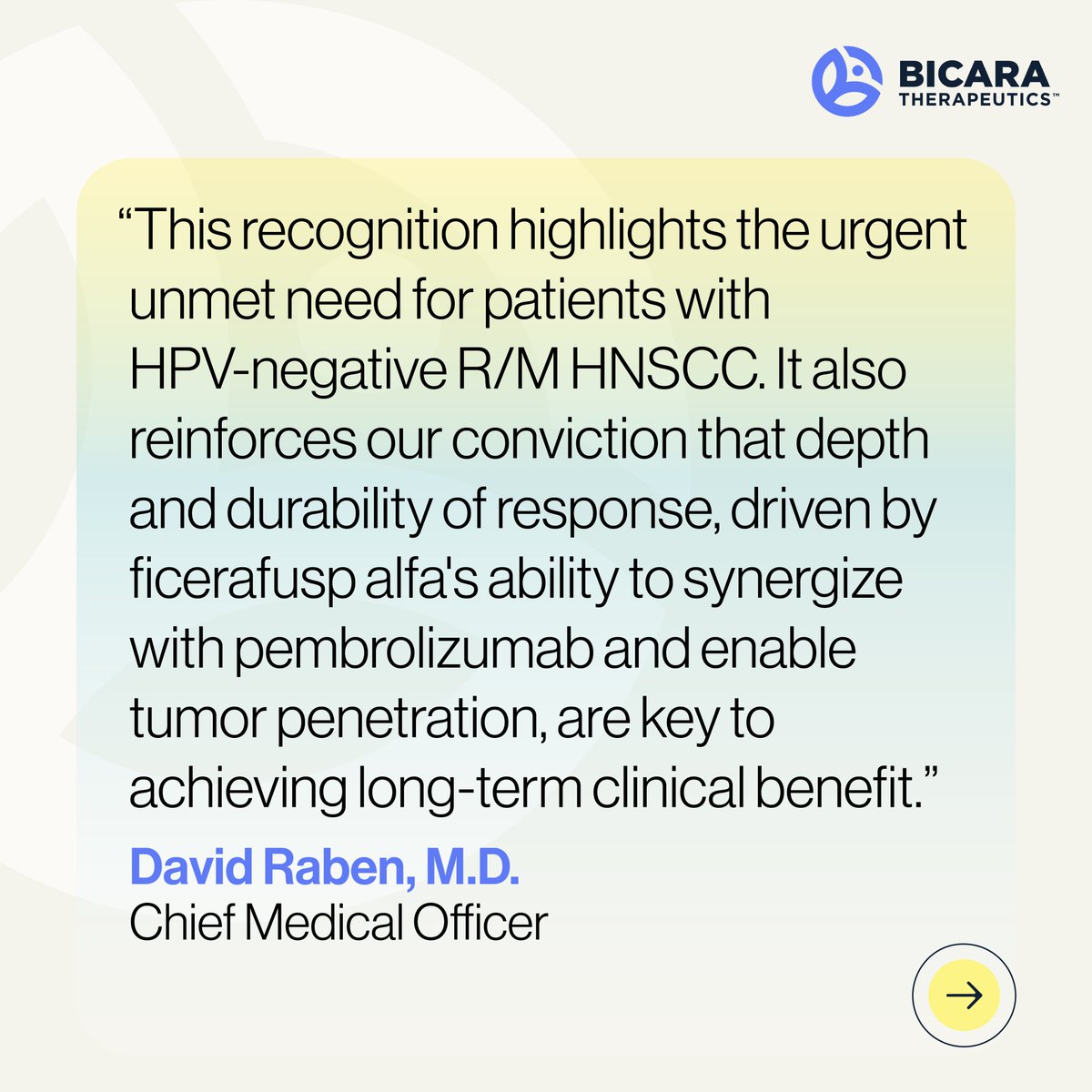
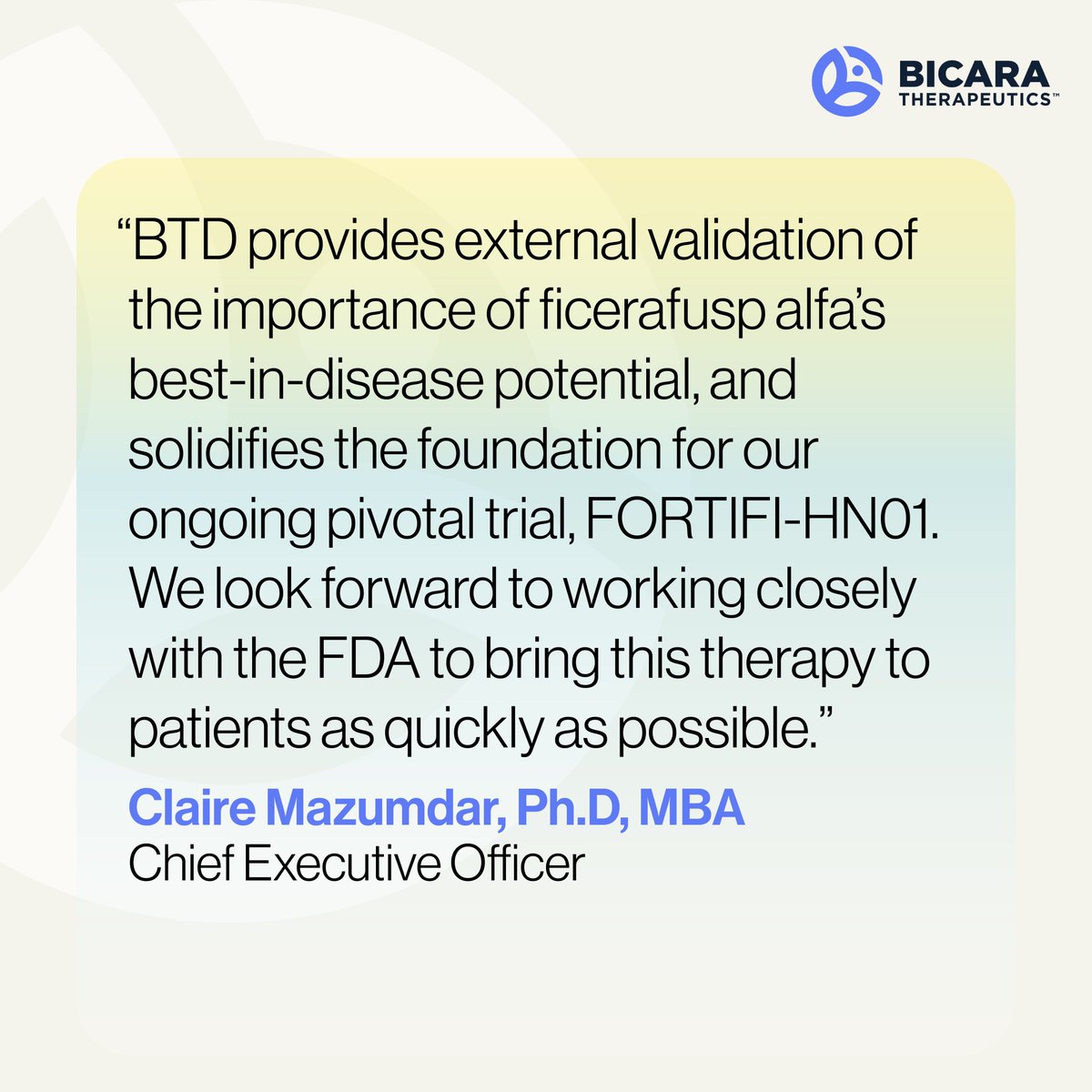
We’re pleased to share that the U.S. Food and Drug Administration has granted Breakthrough Therapy Designation (BTD) for ficerafusp alfa in combination with pembrolizumab for the treatment of patients with 1L HPV-negative recurrent/metastatic (R/M) head and neck squamous cell carcinoma (#HNSCC).
This designation underscores the significant unmet need in HPV-negative R/M HNSCC, and reinforces our commitment to advancing ficerafusp alfa to patients as quickly as possible.
Learn more here: https://t.co/9bJ9G201Zg







![Naveris_inc's tweet photo. Ten years ago, liquid biopsy in HPV+ cancer was a hypothesis.
Today, TTMV®-HPV DNA surveillance has been validated across multiple prospective studies, expert consensus recommendations, and a systematic meta-analysis with pooled sensitivity of 86% and specificity of 96% across 12 studies and more than 1,300 patients. [1]
That’s what a decade of focused research looks like.
#NationalCancerResearchMonth #NavDx #Naveris #ctDNA #ctHPVDNA #MRD #LiquidBiopsy #CancerSurveillance #Oncology #Biotech #HPV #HPVcancer #HeadAndNeckCancer #HNCancer #OPSCC #AnalCancer #ASCC
1. Campo F et al. J Exp Clin Cancer Res. 2024. https://t.co/txlymLl79h .](https://pbs.twimg.com/media/HINT3DdXoAIhnZ3.jpg)