Every time I hear someone say that ‘building relationships is how we get children to behave’ I’m amazed how often they then don’t define what
A) they mean by a relationship
B) how to actually build this mysterious thing.
This leads to multiple errors, eg trying to get kids to ‘like’ you and so on.
Part of the problem is that a lot of research into this appears to be dependent on correlation, not causation. Typically you see great behaviour and good relationships together, so people assume the latter causes the former.
But a good relationship is the outcome of good behaviour management, not the other way around. It’s a product, not a cause.
Why? Because a ‘relationship’ is simply a description of two things- How two or more people typically
1. Behave and
2. Value one another.
So if you want to ‘build a relationship’ you teach students how to act with one another, with you, with school peers, and so one. Simultaneously you teach them that they matter to you, and that their safety and success matters.
These things are far more important than ‘do you know what football team they support?’ You’re not their mate. The relationship you want- and they need- is adult to child, student to teacher. Demonstrated high regard AND standards.
Oh, one more major thing: boundaries. Students need to know there are limits of acceptable conduct, with penalties for crossing them. Any discussion about behaviour, or school behaviour system, that doesn’t have these, will eventually be pointless. No community survives without them, so why should classrooms and schools be different?
If the principal communicates a belief in coaching, teachers will be much more likely to engage in productive coaching conversations.
The Definitive Guide to Instructional Coaching: https://t.co/G832k6srXb -ICG
Reading requires a complex interplay between cognitive, sensory, and motor processes. Sensory motor skills are fundamental to developing good reading skills in elementary school because reading involves more than just decoding letters and words on a page. https://t.co/N54hfuIoOi
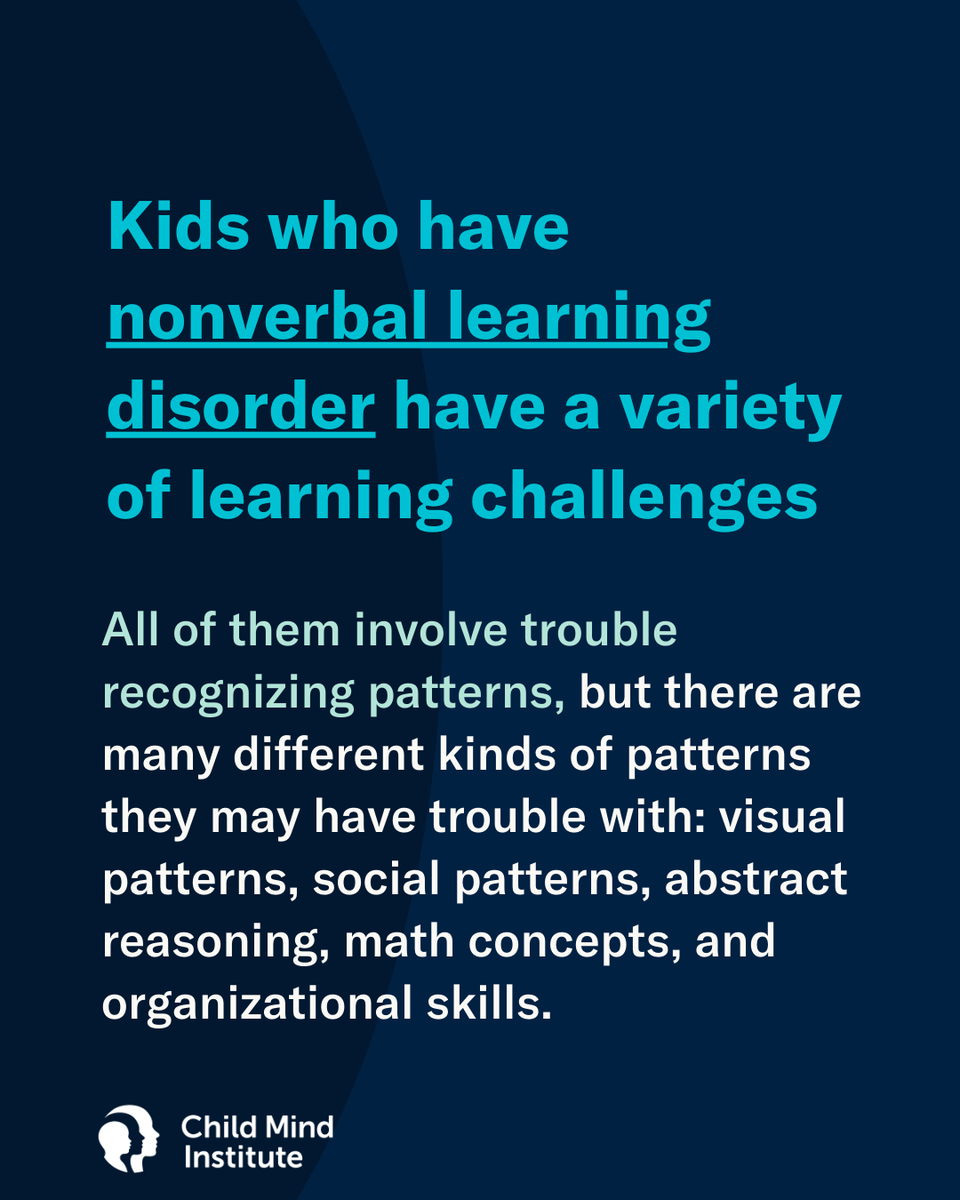
Nonverbal learning disorder is a condition that causes kids to have trouble with visual-spatial thinking, fine and gross motor skills, social communication, and mathematics. These children also have significant strength in rote learning, memorization, and early language development. Here are some ways we can help kids with NVLD:
Assessment is the first step
Once kids get a clear idea of their particular learning profile, they feel both relieved and empowered. Finally, they can know what they need, how to ask for help, and what to expect of themselves.
Using scripts
No matter the subject, classwork focuses on taking things that might appear unstructured to students, and finding the pattern.
Other kids do this intuitively, but kids with NVLD have to be taught these patterns and then use them to understand new or complicated things.
Social communication can also be based on knowing the script.
You can take situations, analyze them, help kids to understand what happened, and repeat it until they internalize the pattern.
Social patterns can be difficult though, because they're so emotionally charged. When kids feel hurt, they may not be in a teachable space.
Parents can follow these same strategies at home.
When your kid is being rigid, we tend to think they're being oppositional, or disrespectful. But often they're not--they're just not understanding, and they're having the same reaction to a misunderstanding you might have.
It's important to give kids with NVLD opportunities to engage in problem-solving.
Kids with NVLD should see adults struggle too. Being transparent about the steps you are going through when you try to solve a problem, for instance, can help kids learn scripts for problem-solving.
Learn more:
https://t.co/CXrzu50Ihe
I've been chipping away at this Instructional Playbook for my school & unveiled it to staff today. The purpose is to codify the instructional principles, teaching techniques & routines that run at our school.
Here is a 🧵to provide an overview as how things have been broken down.
Literacy teaching is a delicate blend of art and science. It requires intentional and responsive teacher decision-making while utilizing evidence-based strategies. In my latest book, I share research-based lesson structures to help you do just that! https://t.co/vLW1NkBHlu
Students benefit from both organized games and free play during recess. However, students taught specific social skills for recess will be better prepared for the challenges that can arise during playtime. Check out this Quick Coaching Guide to learn more: https://t.co/MklI6hDdGL
🎙️ TEACHERS, HAVE YOU HEARD? 🎙️
We’re re-releasing Episode 117 on 1/17 (TOMORROW!), and it’s a must-listen for anyone diving into The Writing Revolution! 📚✨
🎧 If you haven’t tuned in yet, now’s the perfect time!
The test of a relationship is not how much you enjoy each other’s highs. It’s how well you support each other’s lows.
It’s easy to get along on a good day. Care is showing up on a hard day.
The most reliable people in your life are the ones who step up when you're down.
"And that's the beauty of having an approach because you can be flexible with it and push and pull on practices and strategies, and respond to your students' needs right away."
—Kristen Vincent, Author of Make Learning Meaningful
Students with an unpredictable life outside of school respond especially well to a classroom where they know what to expect each day and what is expected of them.
Activity from @SELebrateYOU: “Breathe in~ Breathe out. Appreciate the things that bring joy and that fill you with calm. ❤️ What’s on your calm palm?✋”
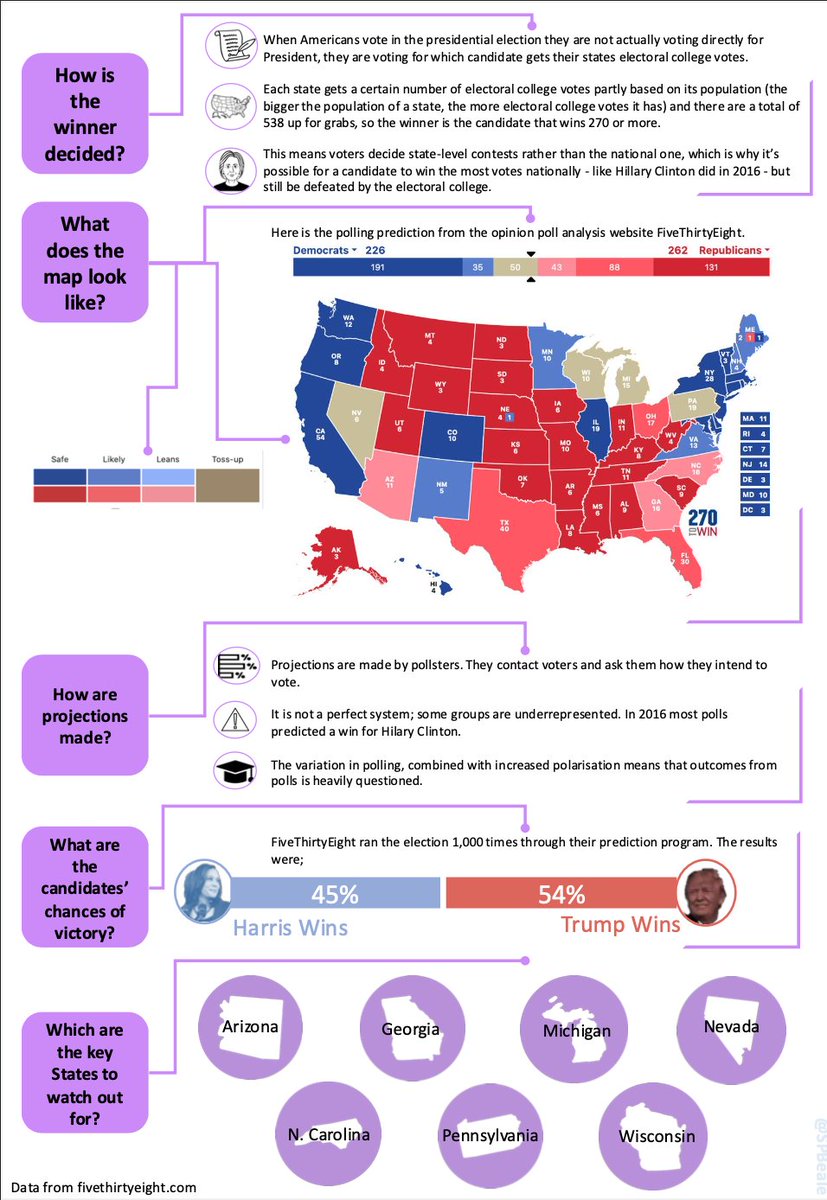
Ahead of the 2024 Presidential election I have made a two page guide for students, staff & parents to help explain things. Composed from FAQs and the amazing work of FiveThirtyEight. Went down really well in 2020