tbf the entire recruitment process needs to be rebuilt. it should be more about talent identification from the company’s side than waiting for inbound. also reputation and networks could be a solution, https://t.co/2G5SyebeZ6 etc.
Where does money invested into the AI buildout actually go?
For every $100 flowing into the supply chain:
- $50 to chips
- $20 to power
- $15 to networking
- $15 to cooling, buildings, and land
More charts in State of Markets II: https://t.co/MTaxKUxa2w
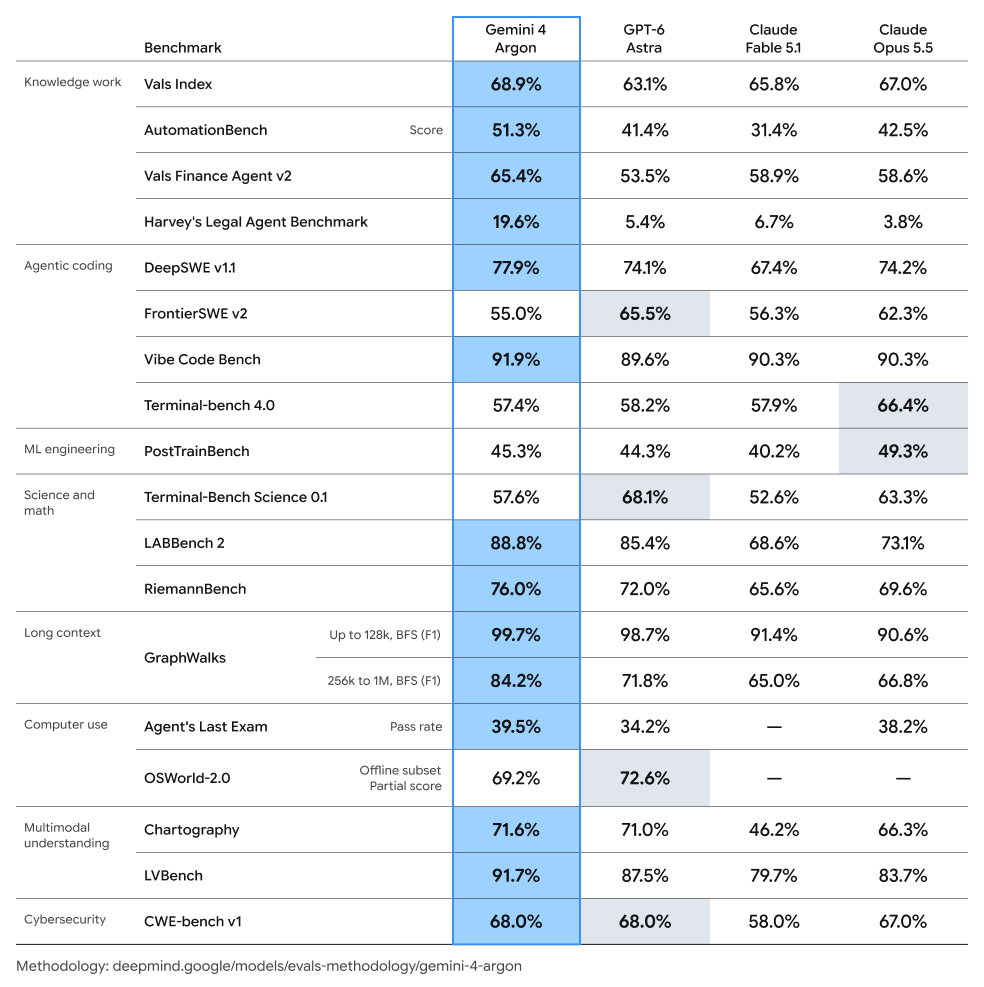
Introducing Gemini 4 Argon – our new frontier model.
It’s built for complex workflows across coding, enterprise knowledge work, and cybersecurity defense – rolling out today to a set of trusted testers through our Fairwind Program.
One portfolio founder has 30 investor meetings this week. Another took 75 calls in the two weeks before YC Demo Day.
Most founders do not do enough outreach, take enough meetings, or move with enough urgency.
Fundraising requires reps, a tight process, and enough velocity to create competition.
yc takes two technical co-founders and quietly turns one of them into a salesperson.
happened to me. during the batch, i remember thinking there's no way i'm going to do sales. now it might be my favorite part of the job.
if i had a kid going to college right now, i'd suggest they study computer science, then go into sales anyway. being technical and being able to sell is a rare combination, and it compounds like crazy.
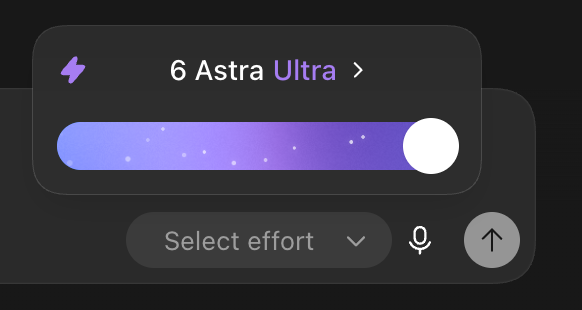
it is obviously trivial relative to everything else, but the fact that astra can make me whatever fun little game i can imagine and i can be playing it a few minutes later is so cool
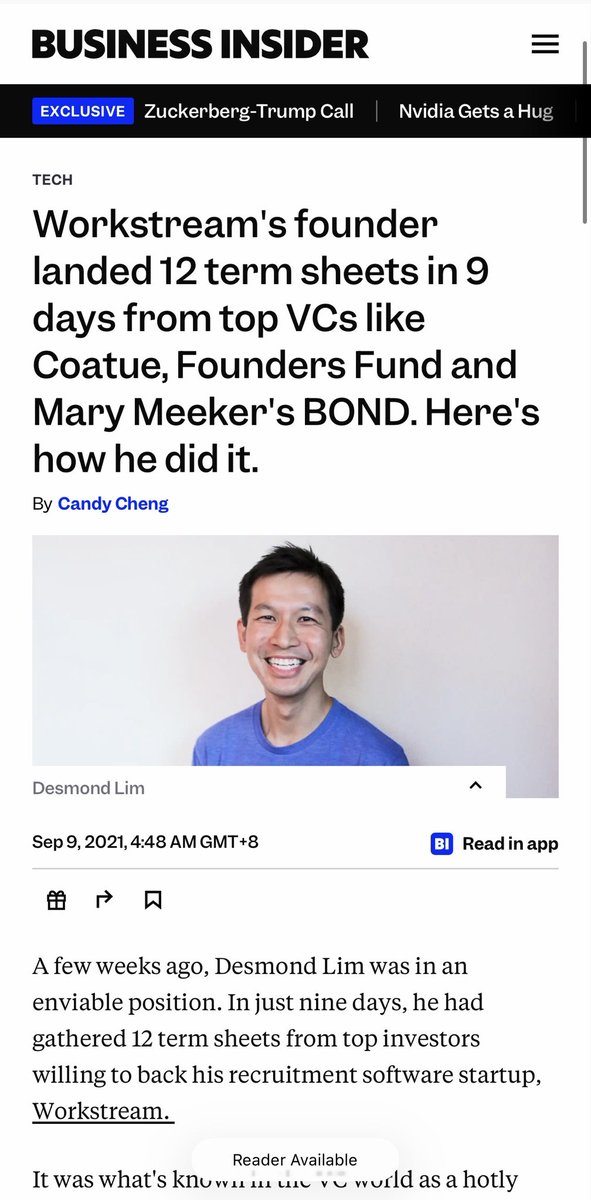
126 investors turned me down during my first fundraise 😤
A few years later, we received 12 term sheets in 9 days fr Founders Fund, Kleiner, Lightspeed & more, raising $48 M.
3 things I learned:
- Do not pitch investors the same way you pitch customers. Big mistake.
- Raise when you can, not when you need
- When fundraising, give it 100%. When you’re not, give it 0%.
I’ve now raised $120M and will share the worst & best learnings over next few posts!
What fundraising question should I answer first?
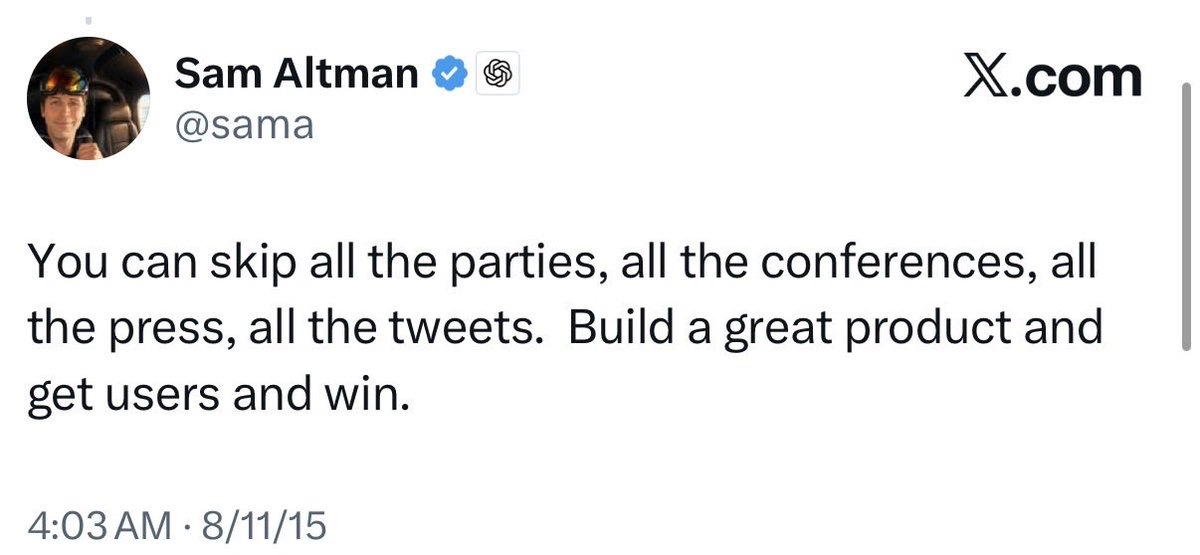
You put your head down and work. You focus on solving one problem after another. Gains accrue exponentially. And then you lift your head up a few years later and look around, and you're amazed at what you've built.
You are ususally no more than 10 good user tests away from early PMF
I wish people would talk about Proximity to Pain + User Empathy the way they talk about Taste
congrats on the ARR i guess, but the @Heypocket is genuinely abysmal
bought one last month.
mic can't pick up a conversation unless you're in a silent room with zero background noise.
It hears basically nothing if you actually put it in your pocket [ironic]
speaker labels on the transcript are paywalled lol
gave @AkshayNarisetti the benefit of the doubt and assumed i got a defective one, but reddit is full of people with the same problem.
being solo has a lot of upside
> no cofounder breakup risk
> move so absurdly fast
> take interesting bets
downsides are obvious:
> your gaps are fully exposed
> hard times hit way harder
> easier to spin your wheels
but none of these NEED a cofounder
get better at what you suck at, build a steadier sense of self, talk to customers way more than you think is needed
it’s actually quite hard to build something bad when you’ve heard 100+ people say they’d pay for it immediately



![eshaangulati_'s tweet photo. congrats on the ARR i guess, but the @Heypocket is genuinely abysmal
bought one last month.
mic can't pick up a conversation unless you're in a silent room with zero background noise.
It hears basically nothing if you actually put it in your pocket [ironic]
speaker labels on the transcript are paywalled lol
gave @AkshayNarisetti the benefit of the doubt and assumed i got a defective one, but reddit is full of people with the same problem.](https://pbs.twimg.com/media/HQG8yZLbMAAxbmS.jpg)


