A VUS is not always "just a VUS."
Proud to co-author a new Genetics in Medicine Open commentary with colleagues at Stanford highlighting the real-world impact of unresolved variants and the need for better data sharing, reclassification pathways, and patient-centered genomic care.
https://t.co/tiHwvFIa9e
#Genetics #RareDisease #Genomics
Big update from ClinVar yesterday
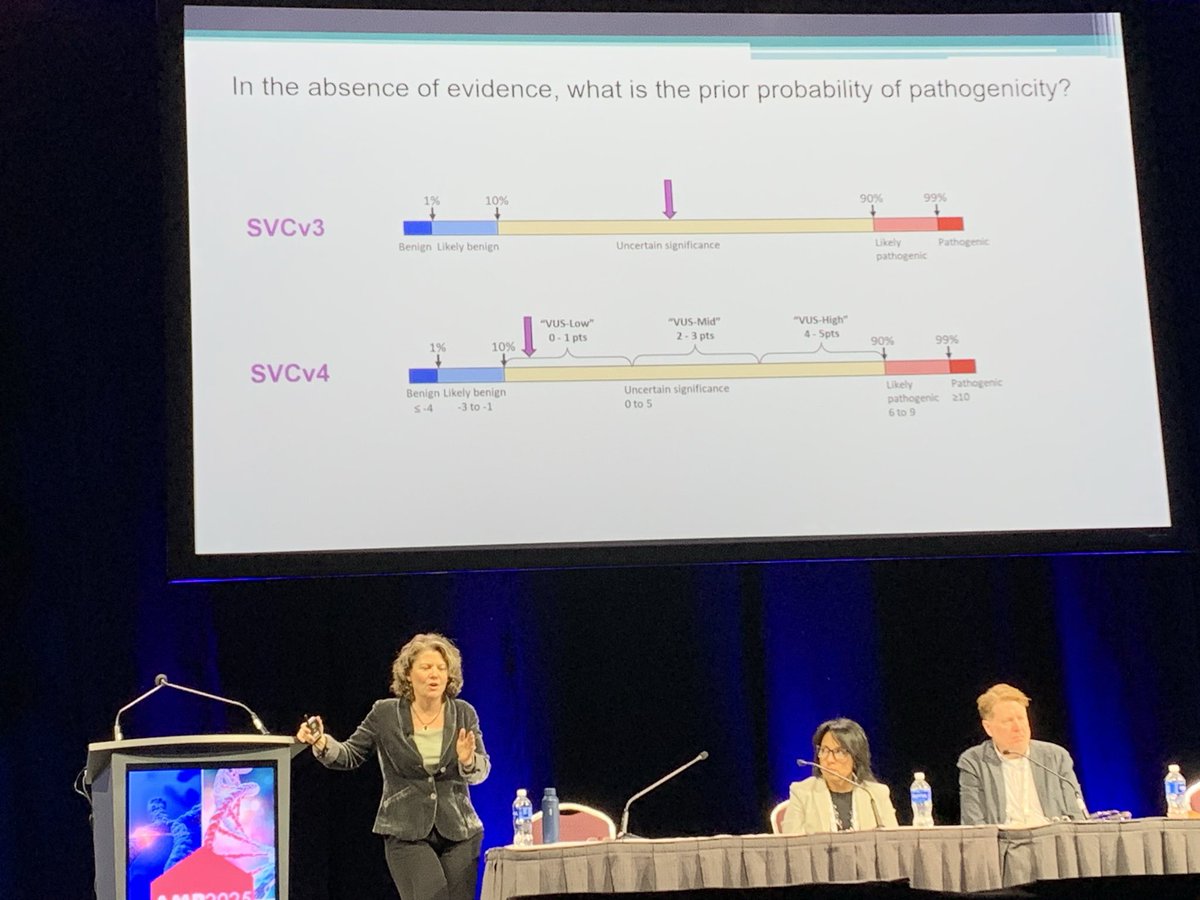
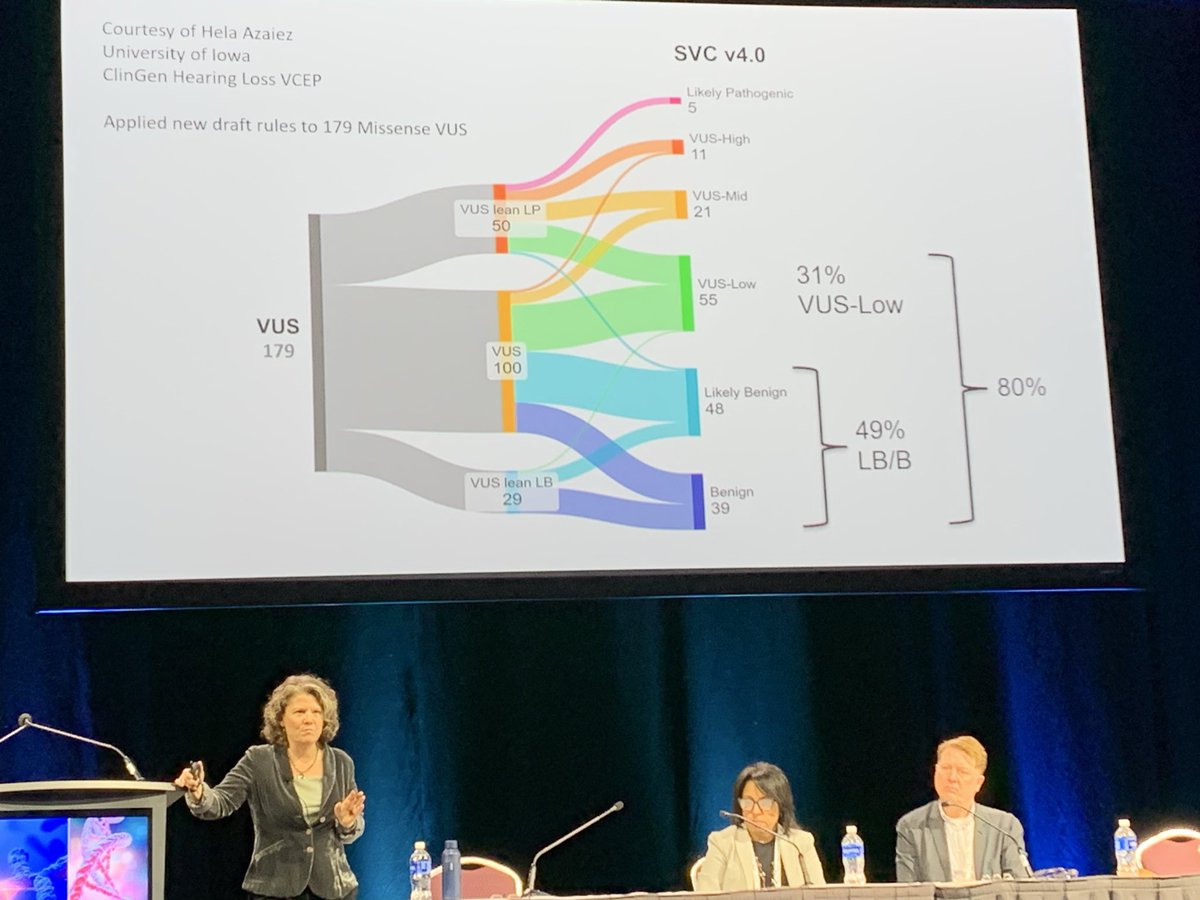
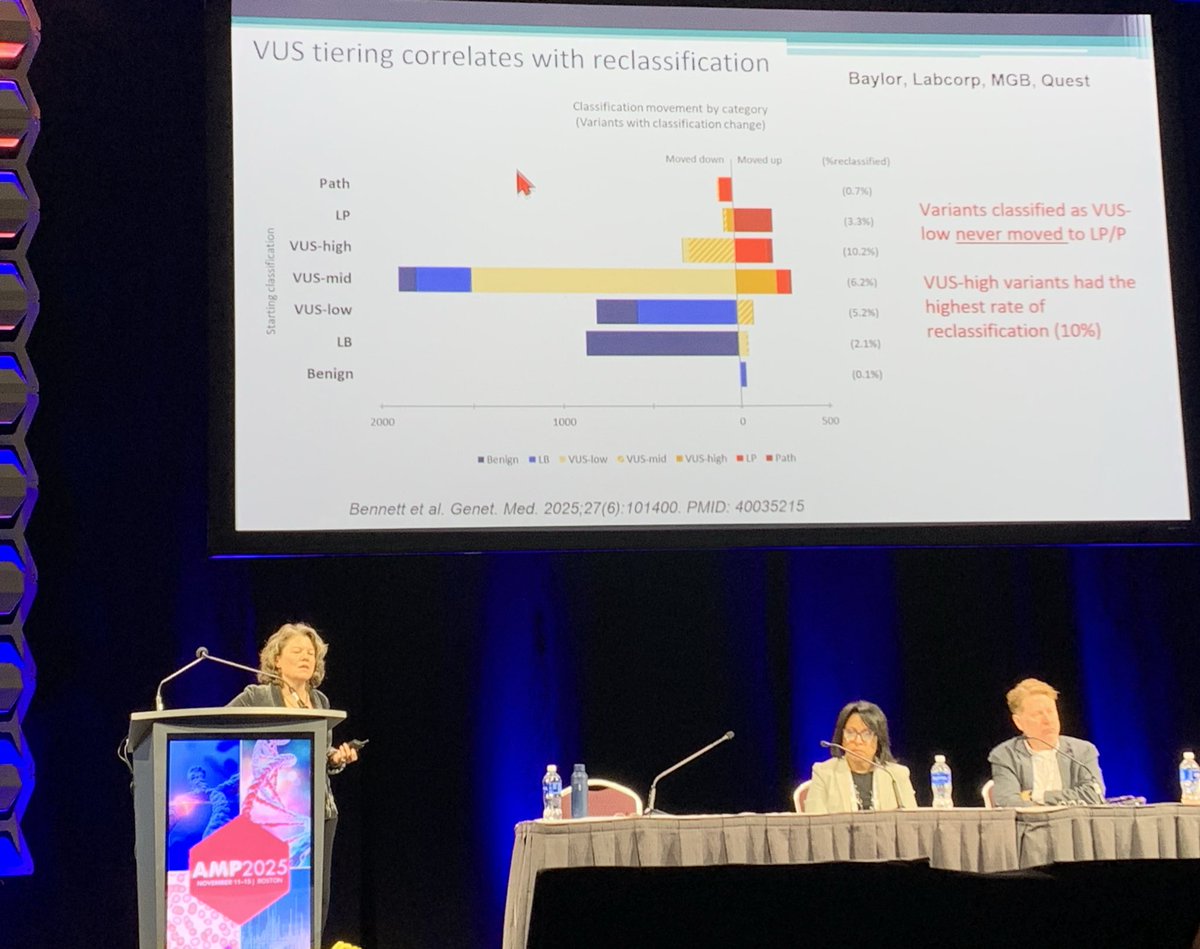
Submitters can now classify variants of uncertain significance using 3 sub-tiers:
• VUS-low
• VUS-mid
• VUS-high
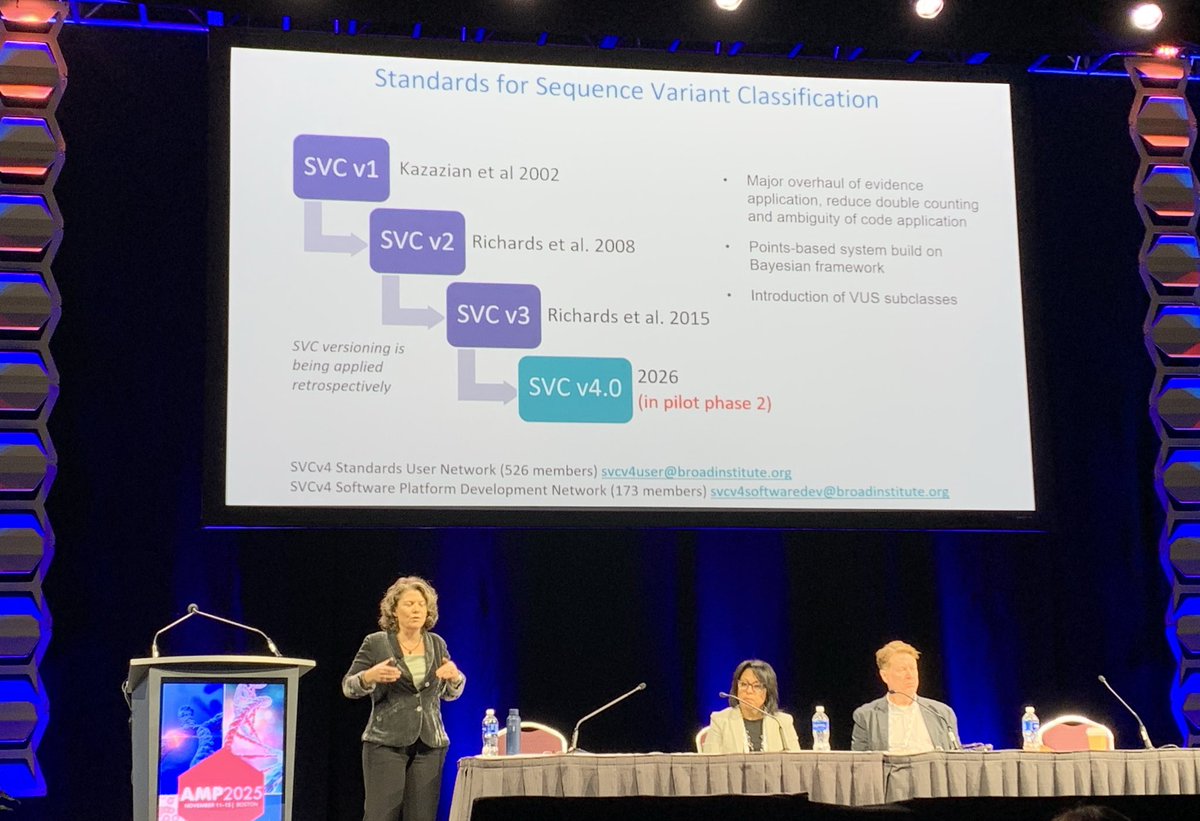
This is an important step toward clearer variant interpretation, as well as the forthcoming changes in variant classification standards from ACMG. 👏
#genetics #ClinVar #precisionmedicine
Excited to share our work to resolve TSC2 variants of uncertain significance. Will write a proper tweetorial soon! Huge thanks to our many collaborators. This study benefited from the hard work of many folks and I appreciate them lending their time and expertise. @tscalliance
ClinVar announced today that beginning in January 2026, it will accept submissions from laboratories using tiered classifications for Variants of Uncertain Significance - VUS-high, VUS-mid & VUS-low.
👀 Patients & families: this matters. This is an important step for people living with genetic uncertainty. Citizen Genetics is actively working on how this change can improve real-world VUS tracking. Stay tuned.
🧬 “A third of diagnostic genetic tests end with a VUS — we must raise the bar on interpretation.” — Heidi Rehm on tackling the “variant of uncertain significance” crisis. Global data-sharing + updated standards = the path forward. Read more 👉 https://t.co/j5ul178uTQ #genomics #precisionmedicine
🧬 Clinical data can change the story.
In this case report, a VUS in MSH6 was reclassified as likely pathogenic—only after extensive clinical and family history review.
🩺 Variant reclassification isn’t just about databases. Phenotype matters.
🔗 https://t.co/JCXGofpJTS
#Genomics #VUS #MSH6 #LynchSyndrome #PrecisionMedicine #VariantReclassification
@ophthopedia What a great paper. Refreshing to see a patient-centric approach to molecular diagnostics that doesn't stop at the first set of genetic testing results. Bravo!
🧬 New population datasets = fewer VUS.
In a recent study @GIMJournal , 19.6% of previously reported VUS in pediatric-onset genetic disease would no longer be reportable using gnomAD v4.1 and All of Us data.
More data = more clarity.
🔗 https://t.co/fbCq2x0VsP
#VUS#Genomics #gnomAD #AllOfUs #PrecisionMedicine #VariantReclassification
Important Letter from Hayashi et al. highlights the urgent need for systematic VUS reclassification in Japan. Delays can prevent patients with advanced cancer from accessing appropriate treatment. We fully support their call to action. #BRCA2#VUS#precisionmedicine
🔗 https://t.co/kmPBujGHoY
📉 This paper shows that 2% of variant classifications used in EHRs are outdated—including cases where labs updated ClinVar, but patients were never informed.
When updates don’t reach patients, precision medicine falls short.
🧬 Recontact isn’t optional. It’s essential.
🔗https://t.co/l4B6g1yBzm
#Genomics #VUS #ClinVar #PrecisionMedicine #PatientSafety
🧬 Reanalysis matters.
In a recent study:
23% of cases had reanalysis
35% of those led to reclassification
Lab-driven reanalysis had the highest impact (54% vs. 4% for clinician-initiated)
Diagnostic yield rose by 4%
Proactive labs = better answers.
https://t.co/6GZbToqakZ
#Genomics #Reanalysis #PrecisionMedicine #VUS #ES #GeneticTesting
🔍 A huge case-control analysis of 96k breast cancer cases & 302k controls provides new clarity on 787 BRCA1/2 variants of uncertain significance (VUS).
➡️ 579 show strong/moderate benign evidence
➡️ 10 show strong pathogenic evidence
Powerful data to reclassify variants & improve patient care.
🔗 https://t.co/cL3eUjYd4T
#VUS #BRCA #Genomics #PrecisionMedicine #ENIGMA
🚨 Rare diseases impact millions—but VUS still cloud diagnosis. This paper highlights the promise (and limits) of tools like ClinVar, ACMG/AMP guidelines, WES/WGS, and machine learning in variant interpretation.
Better tech = better answers. Precision medicine depends on it https://t.co/4MfD1Dwc82
Many babies in the NICU get genetic tests, but results are often unclear due to VUS—variants of uncertain significance. This @JournalGenetics study shows that rechecking VUS helped give more families answers, boosting diagnoses from 30% to 33% https://t.co/fn3xsp5cp7 #genetics
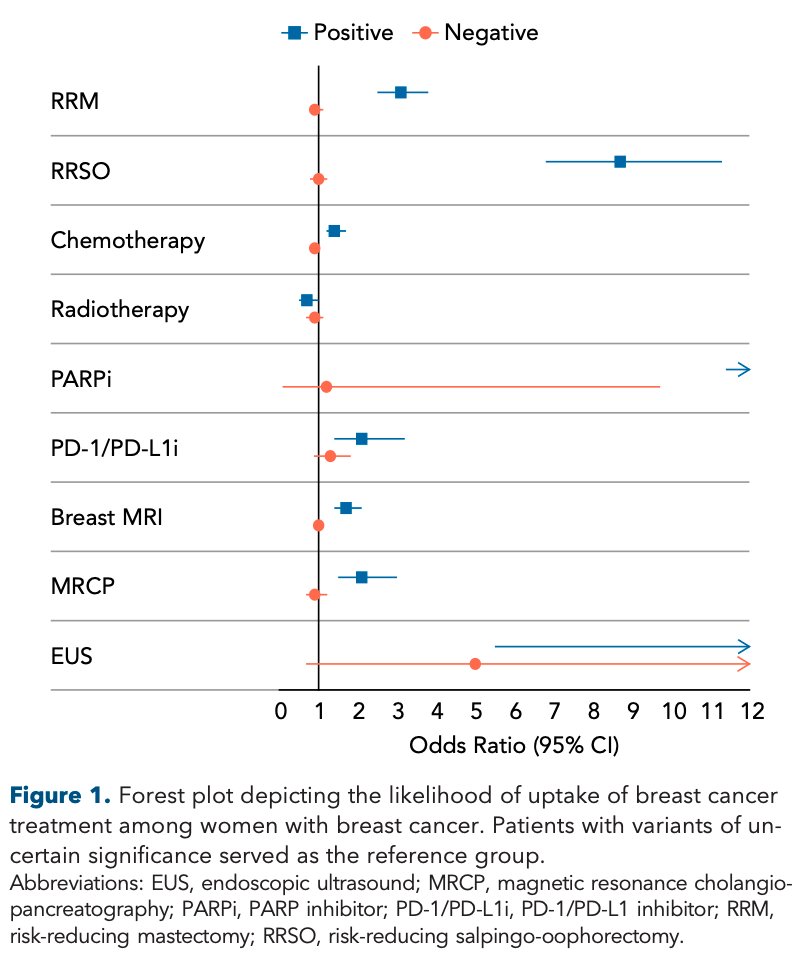
"VUS results do not lead to over utilization or increased cost of health care" in #patients w/ #genetictesting
Study of >22K #patients w/ #breastcancer & #germlinetesting, those w/ VUS showed no difference from those w/ negative results in uptake of surgical, therapeutic, risk-reducing, surveillance procedures, also no higher screening or treatment costs in #patients w/ VUS vs negative.
Because, "A variant of uncertain significance (VUS) should not be used in clinical decision making", per the @TheACMG
c/w
@WhitworthMD et al. https://t.co/hVYDGUHgbt @JAMANetworkOpen
#access #reducedisparities #universal #genetictesting #precisionmedicine #precisiontherapy #clinicaltrials #precisionprevention #AI #precisionclassification
https://t.co/bISVQSUGsT #SarahNielsen et al @JNCCN @Invitae @Labcorp@beitsch@AllisonKurian
What is a variant of uncertain significance? Helen Brittain explains what significance means in relation to gene variants 🧬
Tune in to our latest podcast short, which explains variants of uncertain significance in less than 10 minutes.
🎙️Listen here: https://t.co/TvjueJm2pR
Bravo, @AmbryGenetics! 👏 A big step for patients. Excited to see more labs moving in this direction. We’re here to help patients and providers track evolving genetic testing results 😀🧬
At Ambry Genetics, we understand that genetics is an ongoing journey. Our Patient for Life™ program minimizes the need for provider-initiated reanalysis requests by proactively issuing amended reports when new clinically relevant results are identified. This allows healthcare providers to focus on their primary task—attending to their patients—while we stay up to date with new genetic research. This ensures that our patients receive the most accurate and up-to-date genetic insights, at no additional cost. Join us in our commitment to delivering answers and transforming patient care.
Learn more about our Patient for Life program: https://t.co/2O407IrY2x