For my fellow emotion researchers, especially those who are open science enthusiasts: do consider publishing your work in the new Journal of Emotion and Psychopathology (@JEmotionPsych)! Interdisciplinary research is both welcome and highly encouraged.
https://t.co/uzWhV0CVSm
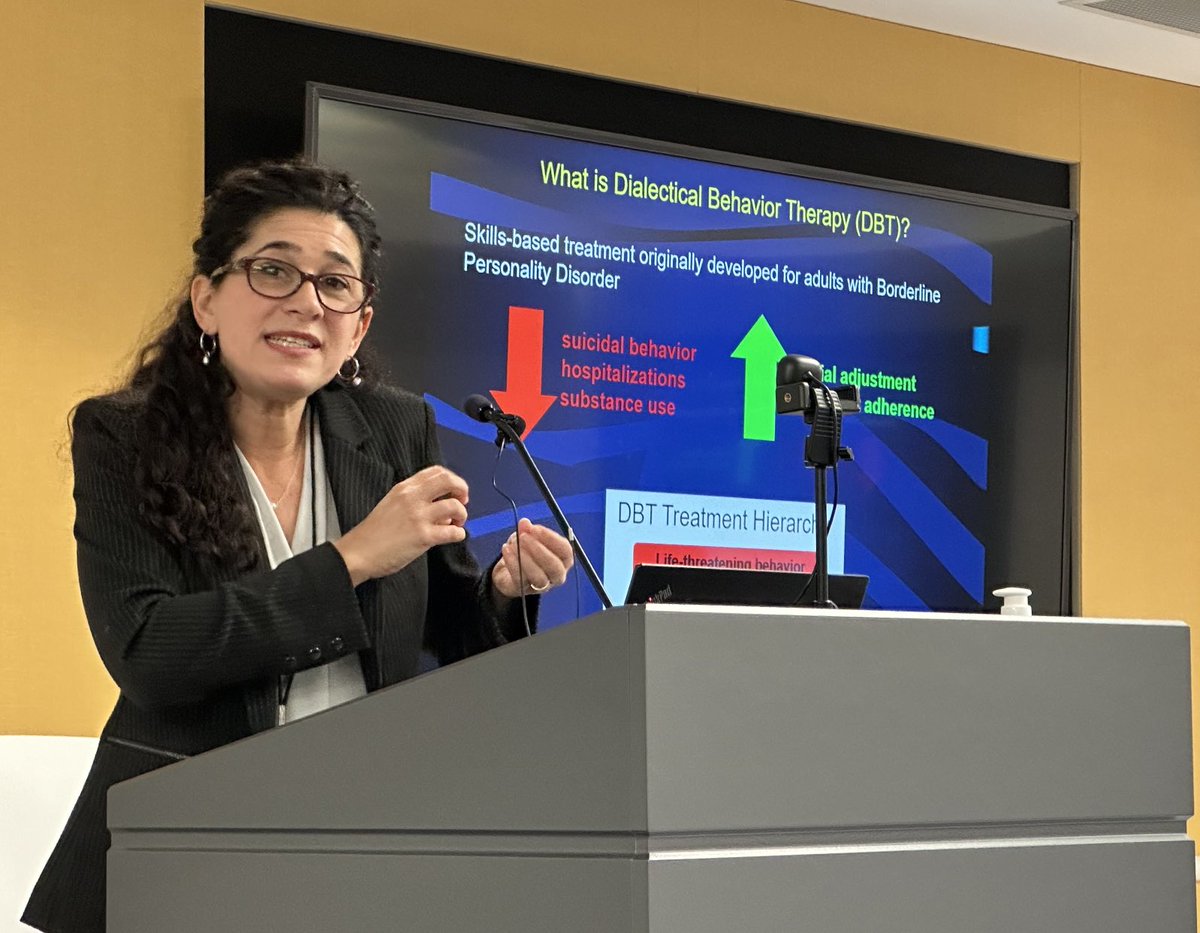
Keynote #3, Dr Tina Goldstein, leading youth bipolar researcher and gifted psychotherapist, noting the high risk of suicide in bipolar disorder, and being inspired to spearhead DBT research to reduce this risk @PittPsychiatry @WorldBipolarDay
The worst violence done to scientific twitter under the new rules is the loss of @PsyArXivBot 's functions.
We should all commit to sharing our own preprints, tweeting out others we see and like, and RTing others who post their own. Maybe we can crowdsource this a bit.
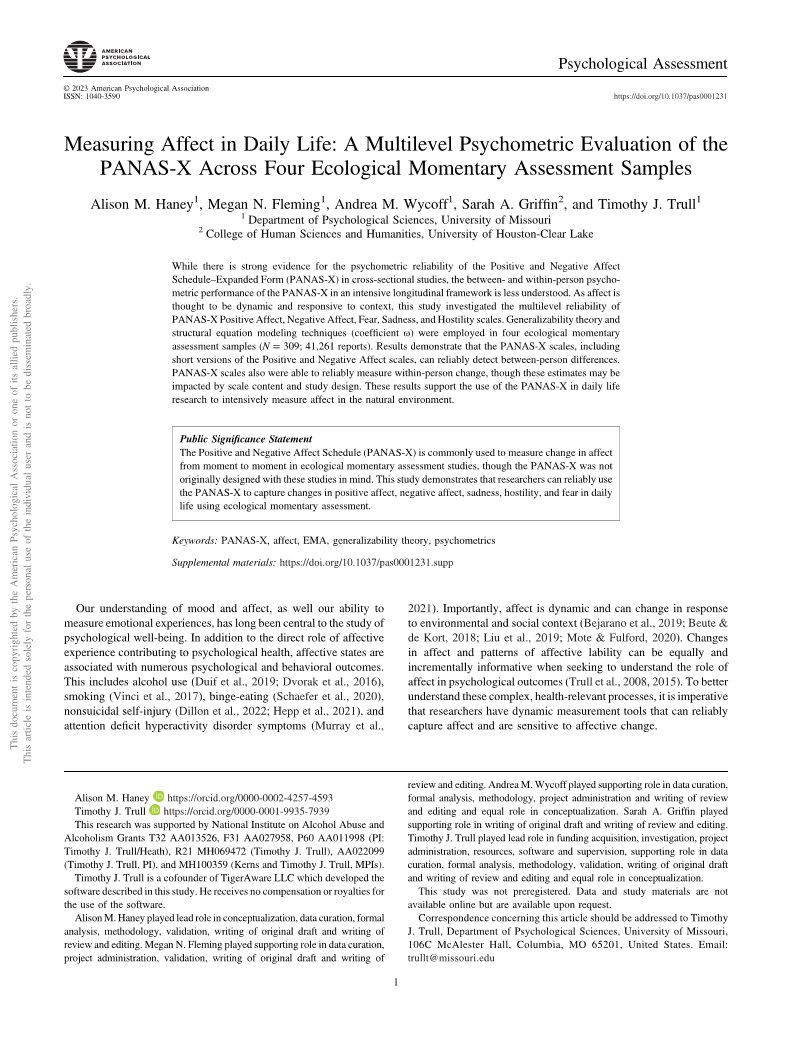
As long as I'm on here, here is a new paper in press at Psychological Assessment on evaluating different versions of the PANAS-X in EMA studies, focusing on multi-level reliability of scales.
Does trauma exposure really increase callous-unemotional (CU) traits over time?
We propose an alternative theory to the development of CU variants in a longitudinal test of primary and secondary CU variants.
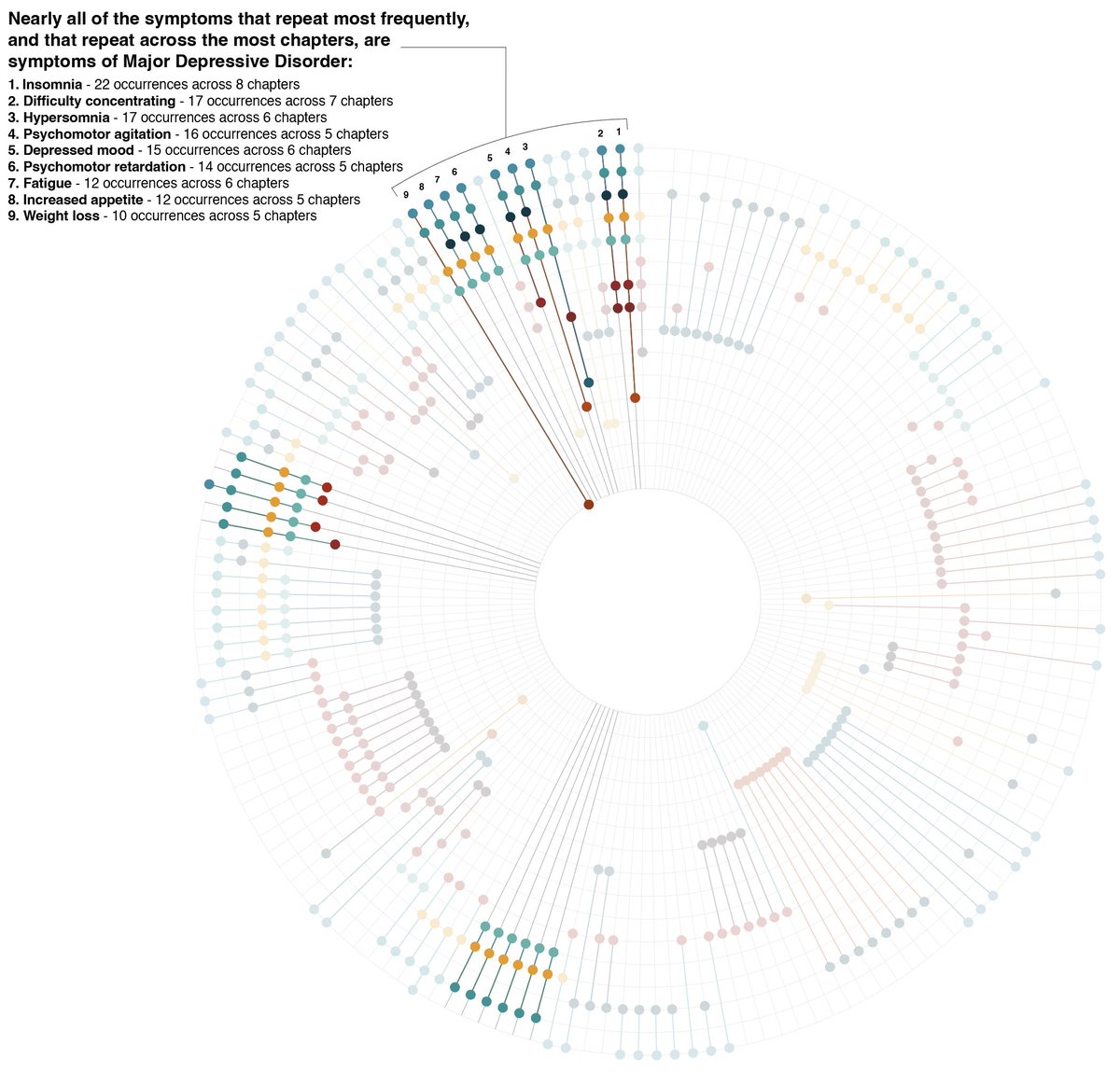
One disorder in particular stood out: The diagnostic criteria for major depression dominated the lists of symptoms that repeat the most.
This is bad news for diagnostic accuracy, with misattribution of symptoms and inflated comorbidity seemingly likely outcomes.
6/
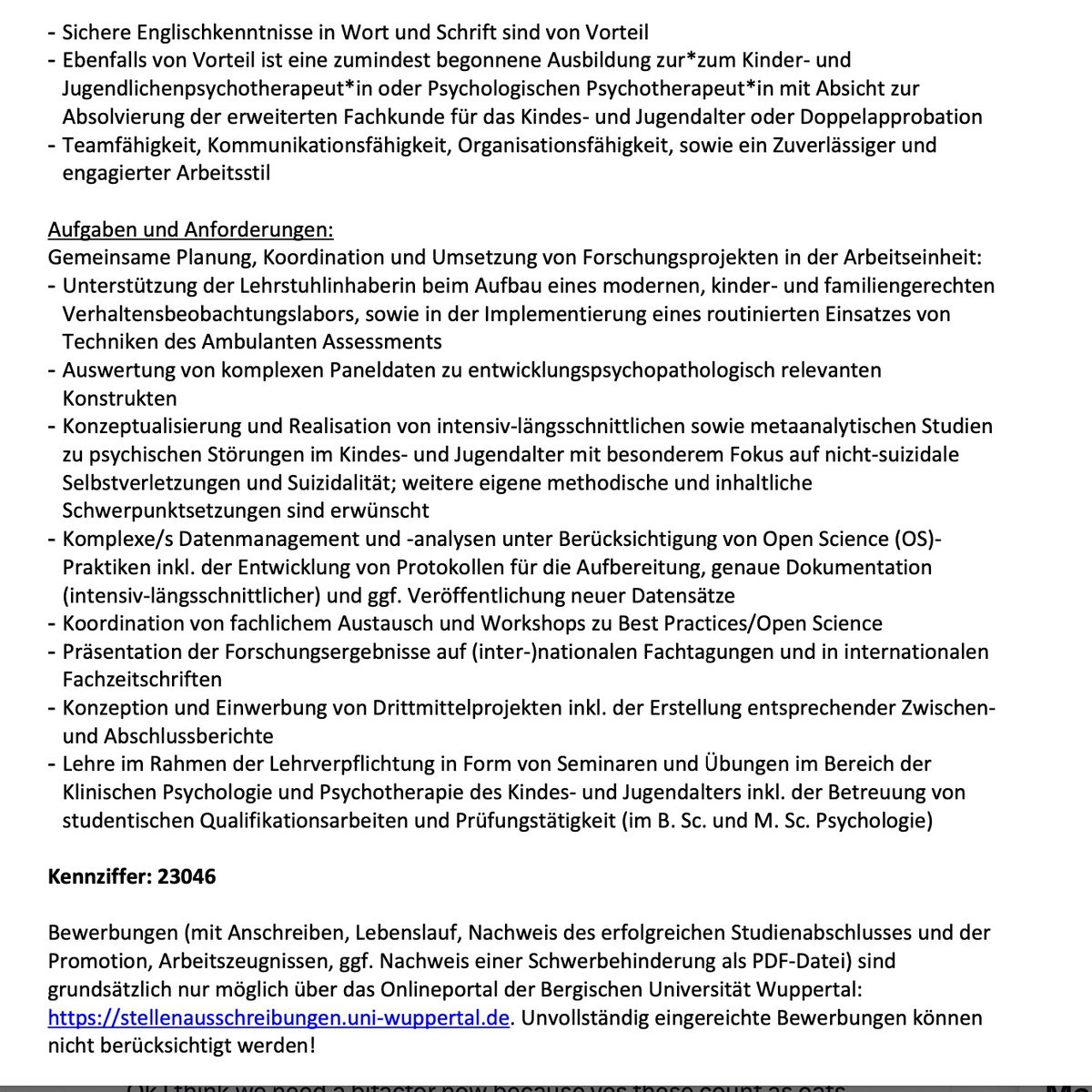
✨Please share widely ✨ - I am looking for a Postdoc (tenured), starting in late summer this year! More details in the ad below! Feel free to reach out to me, should you have any questions.
https://t.co/KSCalNkkCM
New Stage 1 Registered Report in which we (@Navajoc0d3, Antonia Mariss and I) predict juvenile delinquency and criminal behaviors in adulthood. 🧵
https://t.co/DhxobY13ws
We are supporting doctoral students doing #EMA and #ESM research. Please apply for our 2023 #dissertation#award. We will give out two $1,000 awards and publicize their work! See here for past winners and application procedures. #PleaseShare
https://t.co/7z253w0giu
Been thinking about positive affect (joy,laughter,happiness) and how we can support those experiences early in development. This project w/ @K_L_Humphreys @MEDVanderbilt is 1 result of this inquiry, focusing on caregivers' positive emotion socialization🧵 https://t.co/JHVeN3iQjT
We are trying to improve psychopathology classification. This paper outlines the HiTOP approach to maintaining a scientific and ethical classification system that overcomes problems with current approaches.
Very honored to be a part of this important work!
@lmurray89 Thanks, Laura! That would be a cool idea to explore. We did test whether psych. traits moderated the process of past hostility -> future conflict. That w/p link was significant in both samples, and no moderation found. But plenty other processes worth examining that we didn't.
New preprint 🚨 w/ @aidangcw Lori Scott and Tom Kamarck. We took a look at how psychopathy (as operationalized by the PPI) relates to a variety of emotional and interpersonal outcomes in daily life.
https://t.co/jTlDPWpD6k 1/
*So* excited this paper is out in the world!
Published paper: https://t.co/dd8pjzaCv0
Open access: https://t.co/jPupNlsXgn
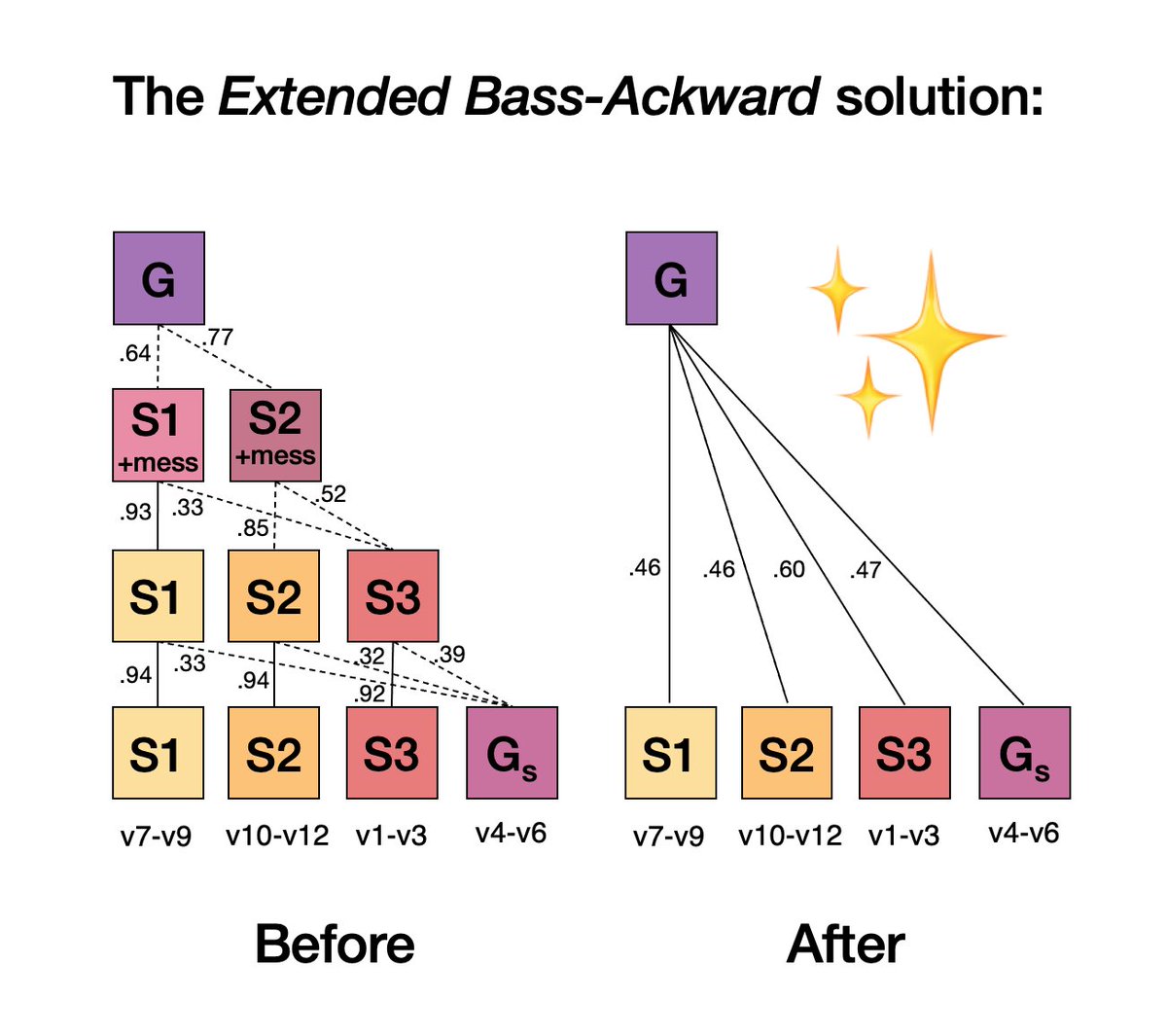
It proposes an extended bass-ackward approach based on three modifications to Goldberg’s method for delineating hierarchies 🧵
https://t.co/ohHtfTNDXq
Despite mostly null findings, I think they highlight some interesting directions for future EMA work on psychopathy, which we try to unpack a bit in the paper. 5/5
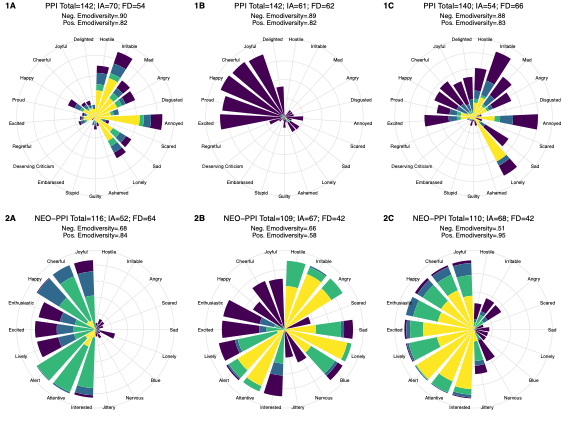
We also didn't find evidence that psychopathic traits were related to a lack of emotional diversity (which is what we had hypothesized). Here's a little snippet of the variety of emotional profiles we found among participants high in psychopathy. 4/