We've been getting a lot of questions lately about how the Internet Archive digitizes books.
The short answer: page by page, by hand.
You may remember our viral 2021 video of Eliza Zhang scanning a book. That's still how we do it.
Meet Eliza, and learn how we scan books: https://t.co/gt9s5lbPE4
¿Qué pasó en Nepal?
Se desprendió un glaciar que generó un temblor de magnitud 5.2 y terminó en una avalancha de agua que nadie vio venir (aunque aún se investiga). Un sismo sacudió la frontera entre Nepal y el Tíbet.
Se presume que un bloque enorme de hielo de unos 600 metros de ancho, se desprendió de un glaciar a más de 5.200 metros de altura. El bloque cayó casi un kilómetro en vertical, se estrelló contra el fondo del valle y se pulverizó. Fue tan fuerte el desprendimiento que se generó un sismo. En segundos, hielo, roca y agua se convirtieron en una masa letal que bajó por el cauce del río Lhende Khola.
Esa masa tapó el río. El agua se acumuló detrás del bloqueo, y cuando cedió, se liberó de golpe. Una pared de lodo, escombros y agua se lanzó valle abajo arrasando todo a su paso: pueblos, puentes, carreteras, centrales hidroeléctricas y todo lo que encontró en el camino. En cuestión de minutos, aldeas del distrito de Rasuwa (Nepal) y el puesto fronterizo de Gyirong (Tíbet) quedaron sepultados.
No había llovido fuerte en Nepal. Nadie esperaba una inundación así. El saldo hasta ahora: al menos 95 muertos confirmados en Nepal, cientos de desaparecidos (muchos de ellos turistas y peregrinos que iban al Monte Kailash) y también víctimas del lado chino.
Las imágenes son brutales: un río marrón que se traga casas enteras en segundos. Las autoridades advierten que todavía puede haber otra crecida, porque parte del material sigue bloqueando aguas arriba. 👇
I STUDIED 50 PEOPLE WHO SEEM "LUCKIEST" IN LIFE
No 5 AM wake-up calls. No tedious journaling. No complex productivity systems.
Instead, they all do these 12 things religiously
1. They stop waiting for Friday to start living.
La Organización Mundial de la Salud reconoció a Cuba por ser el primer país del mundo en eliminar la transmisión del VIH y la sífilis de madre a hijo, un logro que ha mantenido desde 2015 gracias a su sistema de salud universal y la atención primaria, a pesar de las dificultades impuestas por el bloqueo estadounidense y el asedio petrolero.
الصورة لقاضي امريكى يدعى "مايكل سكونتي" بولاية أوهايو
هذا القاضي اشتهر بعقوبات غريبة تحت مبدأ "الجزاء من جنس العمل"!
حكم على 7 شباب بزرع 70 شجرة بعد قطعهم أشجار عامة وبيعها كحطب!
وحكم على مراهق ضرب رجلًا مسنًا بالخدمة لشهرين في دار المسنين!
وحكم على رجل سكران (وضع قطته بالفرن) بإطعام القطط في حديقة بنسلفانيا لشهرين كاملين!
وحكم على شخص سرق شريطًا من أحد محلات الفيديو فعاقبه بالوقوف أمام المحل لمدة اسبوعين وهو يحمل لوحة كتب عليها (السرقة ع��ل مشين)!
وحين قبضت الشرطة على احد الأطباء بتهمة شرب الكحول أثناء القيادة ��يّره بين السجن لمدة 6 أشهر، أو إلقاء محاضرات في المدارس عن أضرار الكحول!
ما رأيكم؟
C’è una scena che racconta Matteo Salvini meglio di mille sondaggi. Succede una tragedia. Gli investigatori provano a capire. I medici parlano di disturbi psichici pregressi. Si cercano motivazioni, responsabilità, contesto.
E lui cosa fa? Dopo un nanosecondo dalla tragedia ha già tutto chiaro. Gli basta leggere il cognome e il caso è chiuso.
“Salim El Koudri”. Apertura. Titolo. Quasi manifesto. Come se il punto centrale della tragedia fosse quello. Non un uomo accusato di aver compiuto un gesto atroce. Non le vittime. Il cognome.
Peccato che quell’uomo sia nato in Italia. In provincia di Bergamo. Laureato in Economia. Italiano abbastanza per nascere qui, studiare qui, vivere qui. Ma improvvisamente non abbastanza per non diventare uno slogan.
È impressionante. Salvini è vicepresidente del Consiglio. Dovrebbe interrogarsi sul perché persone con fragilità psichiche spariscano dai radar. Sullo stato dei servizi. Sulla prevenzione. Sul disagio.
E poi da ministro dei trasporti ci spieghi,se davvero questa persona aveva avuto in passato problemi psichici tali da richiedere osservazione, se davvero emergevano fragilità importanti, come mai guidava? Con quali verifiche? Con quali controlli? Il sistema ha funzionato oppure no? Chi doveva monitorare ha monitorato?
Invece no.
Fa il commentatore di cronaca nera col pallottoliere etnico.
Peccato che tra le persone che hanno inseguito e bloccato El Koudri c’erano anche due egiziani…
Una volta prometteva di fermare tutto. L’immigrazione. Il degrado. Il caos. Oggi sembra aspettare che il caos arrivi, per poterci fare sopra un post.
Perché quando il consenso cala, ognuno torna a ciò che conosce meglio.
E Salvini torna sempre lì: allo sciacallaggio come piano industriale.
Yahudi İzleyici: (ağlayarak) Konuşmanız sırasında Yahudilere yönelik birçok kez Nazi benzetmesi yaptınız. Bu son derece incitici. Bu, Nazi rejimi altında gerçekten acı çekmiş olan insanlar için çok aşağılayıcı.
Norman Finkelstein cevap veriyor:
— Bu tavra artık saygı duymuyorum. Gerçekten duymuyorum. Bu timsah gözyaşlarından hoşlanmıyorum ve onlara saygı da duymuyorum. (Dinleyicilerden alkışlar ve yuhalamalar yükselir)
— Yabancı bir dinleyici kitlesi önünde "Holokost kartını" oynamaktan hoşlanmıyorum ama şu an kendimi buna mecbur hissediyorum. Rahmetli babam Auschwitz'deydi. Rahmetli annem Majdanek toplama kampındaydı. Ailemin her iki taraftan da tüm üyeleri katledildi. Annem ve babam Varşova Gettosu Ayaklanması'na katıldılar.
— İşte tam da annem ve babamın bana ve iki kardeşime öğrettikleri dersler nedeniyle, İsrail'in Filistinlilere karşı işlediği suçlar karşısında sessiz kalmayacağım! Onların acılarını ve ölümlerini kullanarak; İsrail'in her gün Filistinlilere karşı işlediği işkence, vahşet ve ev yıkma suçlarını meşru göstermeye çalışmaktan daha aşağılık bir şey düşünemiyorum!
— Bu yüzden artık bu gözyaşlarıyla sindirilmeyi veya baskılanmayı reddediyorum. Eğer zerre vicdanın olsaydı, burada döktüğün o gözyaşlarını Filistinliler için döküyor olurdun!
In Kruger National Park, South Africa, veteran ranger Sipho Nkosi suffered a heart attack while on solo patrol. His vehicle was found empty, and search teams began looking for him.
What the park’s remote trail cameras revealed broke the hearts of everyone who saw the footage.
An old bull elephant — known to rangers as “Mnumzane” (Zulu for “Sir”) — had found Sipho’s body. For three full days and nights, the elephant refused to leave. He stood guard, gently touching the ranger with his trunk, chasing away hyenas and jackals that came too close, and even covering parts of the body with branches and leaves.
On the third night, the elephant was still there — visibly grieving, swaying slowly beside his fallen friend. Only when the full recovery team arrived with vehicles did Mnumzane finally step back, watching solemnly as they carried Sipho away.
Park officials later confirmed that Sipho had rescued this same elephant as a calf years earlier after poachers killed his mother. The elephant had never forgotten.
One colleague who viewed the footage whispered:
“He didn’t come to say goodbye. He came to make sure no one disrespected his brother.”
Mnumzane still visits the exact spot regularly. Rangers now leave fresh water and fruit there in honor of both.
Stephen Colbert dice adiós a CBS, la cadena que le echa por criticar a Trump, tirando los muebles de su oficina desde la terraza en compañía de su antecesor en el late night, el gran David Letterman. “Fuck you, motherfuckers”.
Guardatela bene, questa foto.
Guardateli in faccia, uno per uno.
Ieri pomeriggio, a Modena, in via Emilia centro, un uomo lancia un’auto a cento all’ora contro la folla. Falcia otto persone. Poi scende, tira fuori un coltello, e prova a scappare.
Luca Signorelli gli si butta addosso. Prende una coltellata alla testa, ne schiva un’altra. Sanguina, ma non lo molla.
E in quel momento, dietro di lui, arrivano loro.
Quei ragazzi nella foto. Stranieri. Venuti da lontano. Quelli che secondo Salvini sarebbero “il problema dell’Italia”, “l’invasione”, “la sostituzione etnica”.
Sono loro che si gettano addosso all’aggressore.
Sono loro che gli bloccano la testa con un ginocchio mentre Signorelli, ferito, gli tiene il polso.
Sono loro che permettono alla polizia di arrivare e di portarsi via il responsabile prima che faccia altri danni.
Senza di loro, oggi staremmo contando forse dei morti.
Salvini e la Lega, prima ancora di sapere chi fosse l’aggressore, prima ancora che si chiarisse che si trattava di un trentunenne con disturbi psichiatrici in cura da anni, prima ancora che gli investigatori escludessero la pista terroristica, erano già là fuori a sparare la solita filastrocca.
E intanto i veri eroi di ieri pomeriggio, quelli senza i quali oggi parleremmo di altri morti, restano senza nome e senza ringraziamenti.
I loro volti non finiranno nei post di Salvini e della Lega con una grafica con scritto “EROI”. Perché rovinerebbero la narrazione.
Quella narrazione che da quindici anni divide il mondo in due caselle: italiani brave persone, stranieri criminali.
E invece la realtà, ieri a Modena, ha fatto quello che fa sempre: si è messa di traverso.
Un italiano di seconda generazione si è messo al volante per ammazzare la gente. Un altro italiano si è buttato sull’aggressore per fermarlo. E accanto a lui, fianco a fianco, ci sono finiti dei ragazzi stranieri che avevano una scelta semplice, girarsi dall’altra parte, e che hanno scelto di rischiare la pelle per gente che non conoscevano.
Questa è l’Italia vera. Quella che non sta nei comunicati della Lega.
A quei ragazzi, di cui ancora non sappiamo i nomi, va detto grazie. Forte.
E va detto adesso, prima che il rumore degli sciacalli copra tutto.
Never regret a day in your life. Good days give happiness, bad days give experiences, worst days give lessons, and best days give memories.
—Professor Richard Feynman
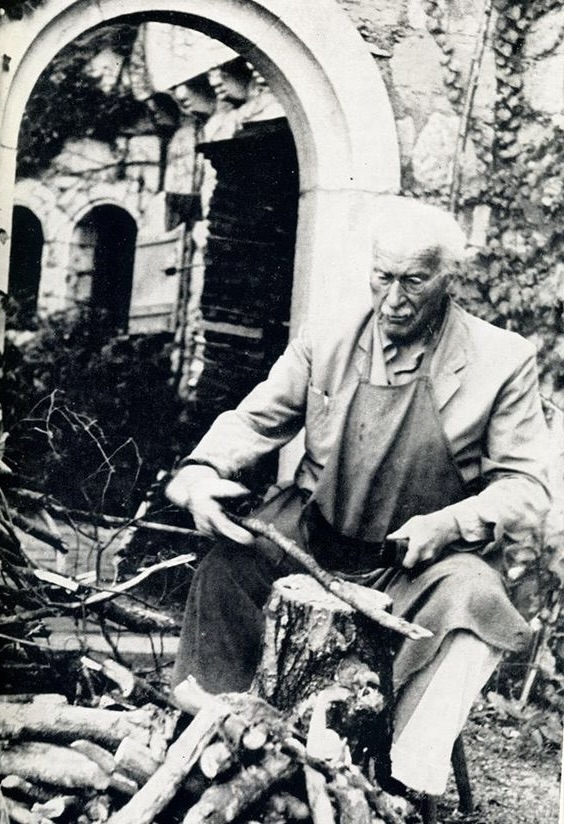
Churchill and Jung understood something modern psychology forgets:
Depression feeds on abstraction.
It weakens when your hands touch something real.
Here are 7 cheat codes to shift your nervous system from depression into momentum:
1. Use your hands to build something.
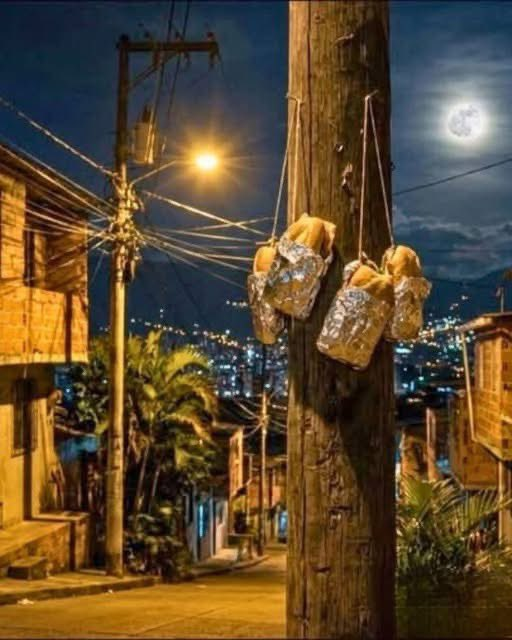
En Medellín, Colombia, hay una esquina del barrio Manrique donde, todas las noches a las 3 a.m. en punto, solían aparecer sándwiches.
Siempre de la misma manera: envueltos en papel aluminio, dentro de una bolsa plástica, colgando de un poste de luz.
Nadie sabía quién los dejaba.
Las personas sin hogar de la zona los esperaban. Si llegabas a las 3:15, no quedaba ninguno.
Ocurría todas las noches sin falta. Durante seis años. De 2016 a 2022.
Nunca una sola ausencia. Ni en la lluvia. Ni en Navidad. Ni en Nochevieja.
Luego, en 2022, de repente, los sándwiches dejaron de aparecer.
“¿Qué pasó con el hombre de los sándwiches?”, preguntaban las personas.
Una trabajadora social llamada Carolina comenzó a investigar. Después de semanas preguntando por ahí, un guardia de seguridad nocturno le dijo: “Lo vi. Era un hombre mayor, llegaba en motocicleta. Colgaba la bolsa y se iba. Sin decir una palabra”.
Carolina publicó un llamado en Facebook, buscando al hombre que, durante seis años, había dejado sándwiches todas las noches para aquellos que no tenían nada. En dos días, fue compartido más de 8.000 veces.
Entonces apareció un comentario:
“Creo que era mi padre. Pero murió hace cinco meses”.
La mujer se llamaba Lucía. Su padre, Hernán, tenía 68 años. Trabajaba en la construcción. No tenía mucho dinero. Pero todas las noches preparaba ocho sándwiches. Y los dejaba en esa esquina.
¿Por qué?
En 2015, Hernán perdió a su hijo, Sebastián, quien murió en la calle, justo allí en Manrique. Tenía 19 años. Un chico frágil, luchando contra la adicción. Hernán lo había buscado durante años. Pero no había podido salvarlo.
“Si alguien le hubiera dado comida… tal vez seguiría vivo hoy”.
Por eso, dos semanas después del funeral, Hernán comenzó. Todas las noches. Sin faltar ni una. A veces solo con pan y mantequilla, cuando el dinero no alcanzaba.
En seis años, preparó 17.520 sándwiches.
Nunca quiso saber quién los comía. Solía decir: “Si los conozco, empezaré a elegir a quién dárselos. Así, son para cualquiera que los necesite”.
Cuando la historia se volvió viral, muchas personas escribieron:
“Comí esos sándwiches durante cuatro años. Me salvaron”.
“Eran lo único que comía en algunos días”.
“Hoy tengo un hogar, un trabajo. Pero tal vez no estaría aquí sin esos sándwiches”.
Un mes después, al amanecer, 43 personas se reunieron en esa esquina. Todos habían comido los sándwiches de Hernán. Encendieron velas. Llevaron flores. Lucía estaba allí, con lágrimas en los ojos.
“Mi padre no pudo salvar a mi hermano. Pero salvó a tantos otros”.
Uno de ellos dijo: “Esos sándwiches me mantuvieron vivo. Esperarlos todas las noches me dio una razón para seguir adelante. Hoy llevo dos años limpio. Existo gracias a él”.
Así nació un grupo: “Los Sándwiches de Hernán”.
Cuarenta y siete personas se turnan. Cada uno prepara sándwiches una noche al mes. Los dejan en el mismo lugar. A la misma hora.
Han pasado dos años. Y los sándwiches nunca han dejado de aparecer.
En el poste de luz hay una placa: “Aquí, durante seis años, un padre dejó 17.520 sándwiches para hijos que no eran suyos. Porque no pudo salvar al suyo. Hernán, tu hijo estaría orgulloso de ti”.
Lucía regresa todos los meses. Siempre a las 3 a.m. Para verificar. Y siempre encuentra una bolsa.
Porque el amor verdadero, incluso en silencio, deja una huella que nunca desaparece.
Y tú… ¿qué estarías dispuesto a hacer, todas las noches durante seis años, para honrar a alguien que no pudiste salvar?
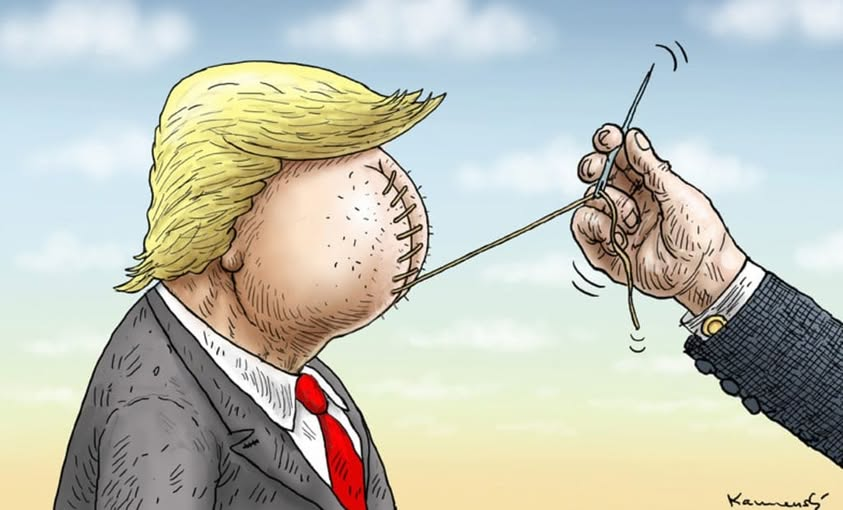
*BRITISH WRITER PENS THE BEST DESCRIPTION OF TRUMP*
Someone asked "Why do some British people not like Donald Trump?" Nate White, an articulate and witty writer from England wrote the following response:
A few things spring to mind. Trump lacks certain qualities which the British traditionally esteem. For instance, he has no class, no charm, no coolness, no credibility, no compassion, no wit, no warmth, no wisdom, no subtlety, no sensitivity, no self-awareness, no humility, no honour and no grace – all qualities, funnily enough, with which his predecessor Mr. Obama was generously blessed.
So for us, the stark contrast does rather throw Trump's limitations into embarrassingly sharp relief.
Plus, we like a laugh. And while Trump may be laughable, he has never once said anything wry, witty or even faintly amusing – not once, ever.
I don't say that rhetorically, I mean it quite literally: not once, not ever. And that fact is particularly disturbing to the British sensibility – for us, to lack humour is almost inhuman.
But with Trump, it's a fact. He doesn't even seem to understand what a joke is – his idea of a joke is a crass comment, an illiterate insult, a casual act of cruelty. Trump is a troll. And like all trolls, he is never funny and he never laughs; he only crows or jeers.
And scarily, he doesn't just talk in crude, witless insults – he actually thinks in them. His mind is a simple bot-like algorithm of petty prejudices and knee-jerk nastiness. There is never any under-layer of irony, complexity, nuance or depth. It's all surface.
Some Americans might see this as refreshingly upfront. Well, we don't. We see it as having no inner world, no soul. And in Britain we traditionally side with David, not Goliath. All our heroes are plucky underdogs: Robin Hood, Dick Whittington, Oliver Twist. Trump is neither plucky, nor an underdog. He is the exact opposite of that. He's not even a spoiled rich-boy, or a greedy fat-cat. He's more a fat white slug. A Jabba the Hutt of privilege.
And worse, he is that most unforgivable of all things to the British: a bully. That is, except when he is among bullies; then he suddenly transforms into a snivelling sidekick instead.
There are unspoken rules to this stuff – the Queensberry rules of basic decency – and he breaks them all. He punches downwards – which a gentleman should, would, could never do – and every blow he aims is below the belt. He particularly likes to kick the vulnerable or voiceless or female – and he kicks them when they are down. So the fact that a significant minority – perhaps a third – of Americans look at what he does, listen to what he says, and then think 'Yeah, he seems like my kind of guy' is a matter of some confusion and no little distress to British people, given that:
• Americans are supposed to be nicer than us, and most are.
• You don't need a particularly keen eye for detail to spot a few flaws in the man.
This last point is what especially confuses and dismays British people, and many other people too; his faults seem pretty bloody hard to miss.
After all, it's impossible to read a single tweet, or hear him speak a sentence or two, without staring deep into the abyss. He turns being artless into an art form; he is a Picasso of pettiness; a Shakespeare of shit. His faults are fractal: even his flaws have flaws, and so on ad infinitum. God knows there have always been stupid people in the world, and plenty of nasty people too. But rarely has stupidity been so nasty, or nastiness so stupid. He makes Nixon look trustworthy and George W look smart. In fact, if Frankenstein decided to make a monster assembled entirely from human flaws – he would make a Trump.