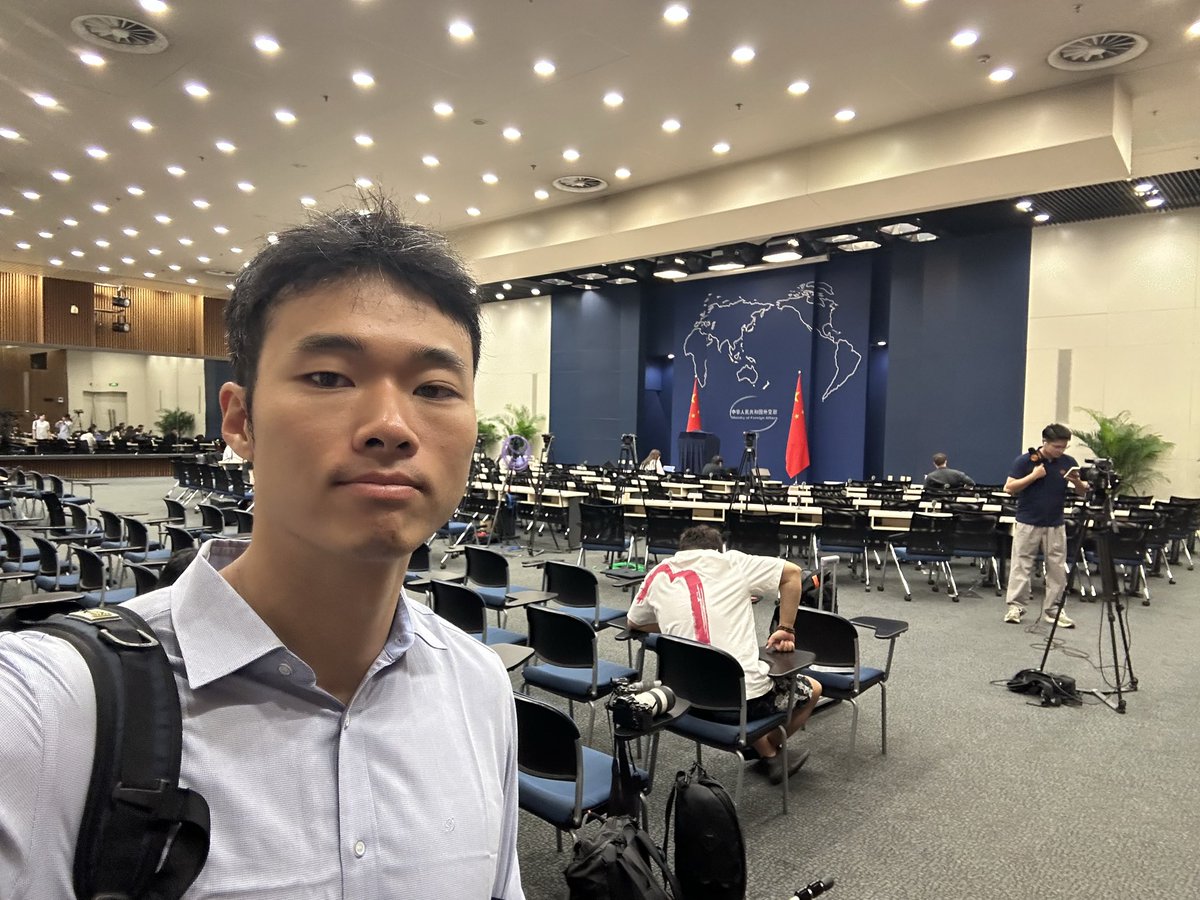
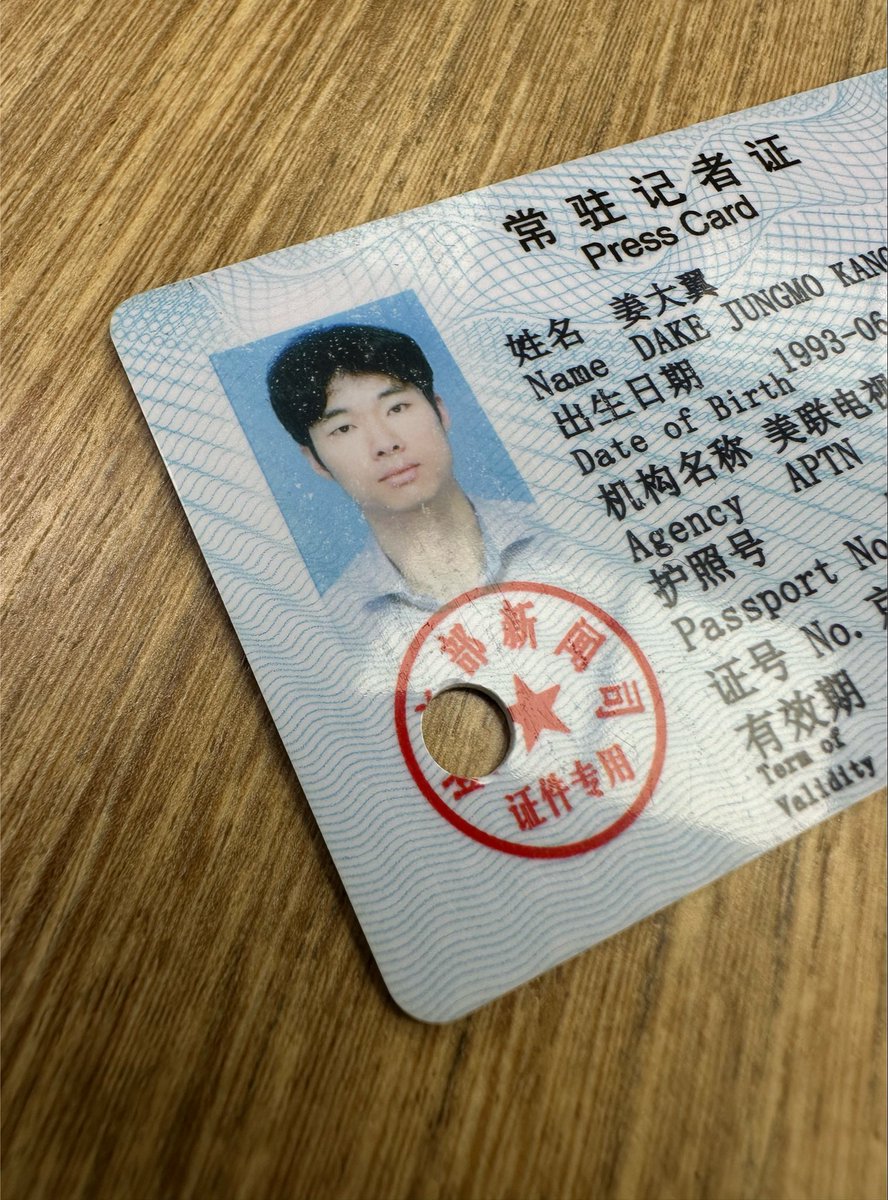
Yesterday was my last day as a credentialed journalist in China.
I moved to Beijing in 2018. The past eight and a half years have been the longest I’ve ever lived in one city. It’s been the experience of a lifetime.
过去八年半的酸甜苦辣一下子涌上心头了
So I flew 16 hours to China for this summit with Putin, Trump and Xi only to find myself in the world's most elaborate holding pen, where the hosts gave me a sleeping mask, a matcha from a humanoid barista, and absolutely zero access to the actual event.
https://t.co/PE5UFUF9wx
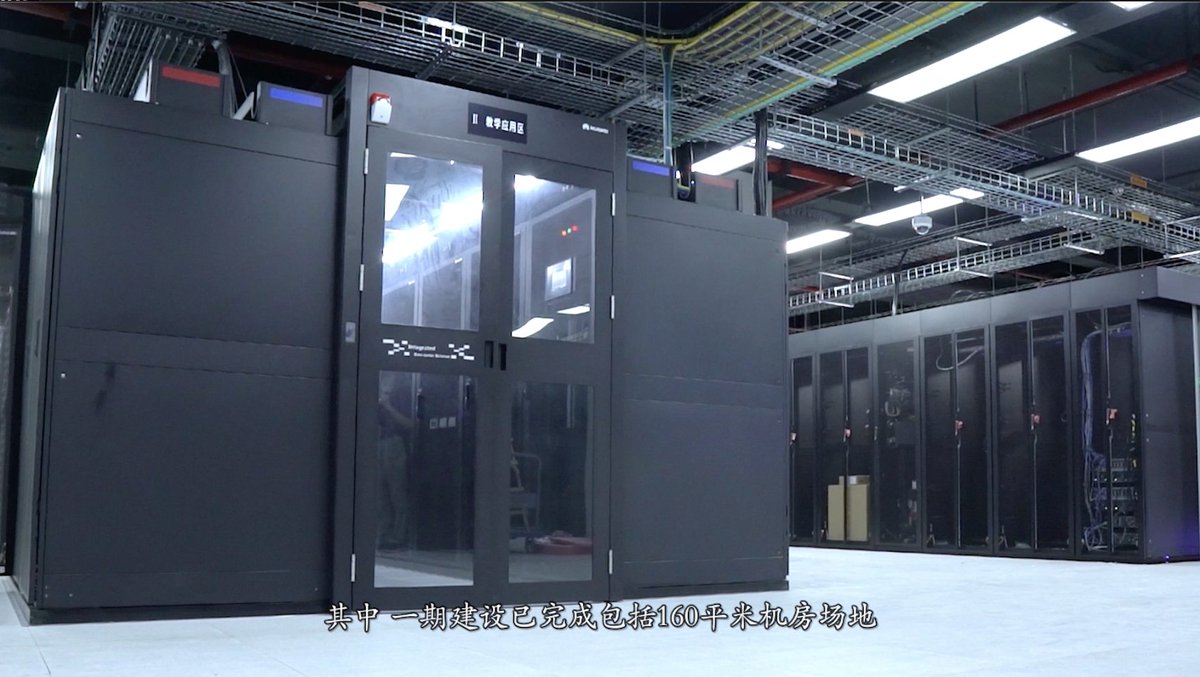
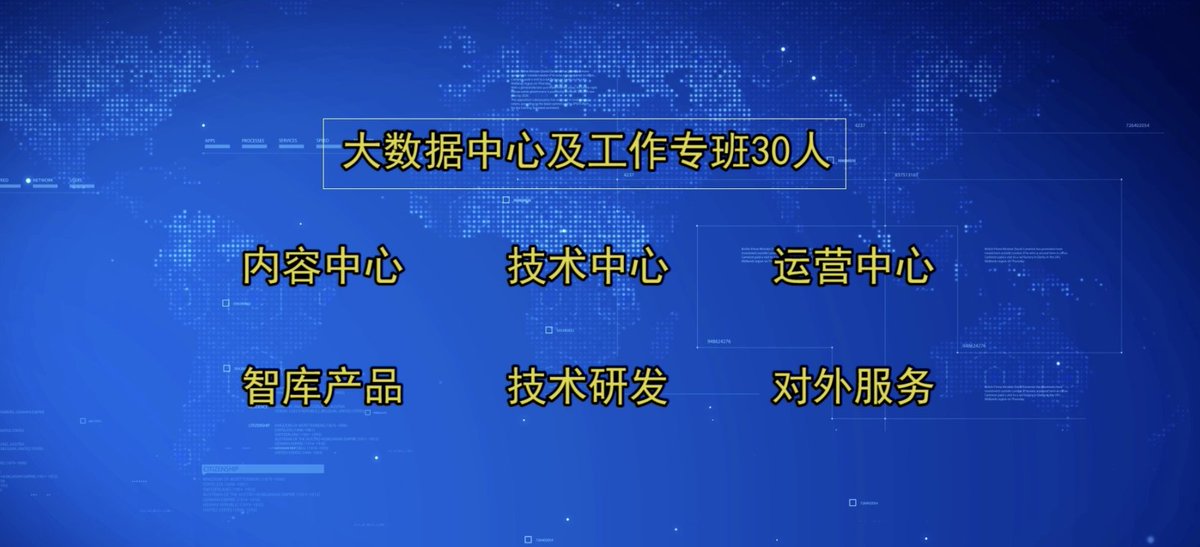
China's shadowy "United Front Work Department" uses an AI powered Big-Data Center at Jinan University to help with expansion of its global influence operations, internal documents reveal. A 160 sqm installation, including six departments use mass OSINT collection and analysis to expand the Communist Party's reach around the world. 🧵 1/6
How China is covertly using Western influencers in Xinjiang https://t.co/MAruQABSKJ "the foreign influencers and the Chinese state are playing a dangerous game. And the hashtags establish a direct link between supposed ‘individual accounts’ and Chinese state propaganda campaigns. Global platforms including YouTube, Meta, and TikTok all take firm lines on “Covert Influence Operations”."
Join @BridgetFahey and @AP reporters @dakekang, Yael Grauer, and @aniruddhg1 for a conversation about the costs of mass surveillance to individuals and societies in the AI age, and what we can do to mitigate them, on Thursday, October 22nd
https://t.co/KuoPALP0RP
@creamydreamy69 In fact, someone *is* denying that, which is this post that I was responding to in the first place and which nobody is actually addressing b/c they're busy attacking strawmen, perhaps b/c the original post here *is* indeed silly and indefensible:
https://t.co/OMcHP9F6Zi
This post by the Financial Times is a classic example of Western media rhetoric covering China’s military affairs, built around word manipulation. The headline uses "disloyalty", a term rooted in Western power struggles, which bears no relation to the legal basis of China’s disciplinary cases.
Strict governance and anti-corruption are long-standing rules for China’s military. Officers of all ranks face investigation if they violate party discipline and national law. These actions target graft and misconduct, preserving combat capability and ensuring the military serves the country and people. Judgement is based on law and military regulations, not the abstract "loyalty" in Western narratives.
FT deliberately strips away case facts and labels the issue as "disloyalty". This wording pushes overseas audiences to view it through the lens of Western political infighting, framing law enforcement as power purges rather than anti-corruption work. This is their routine tactic: skip objective facts, use suggestive language and plant bias.
Most foreign readers lack context about China’s legal system and military management, and can easily be misled by headlines. They cannot tell the big difference between corruption crimes and the so-called disloyalty. Normal anti-graft work gets distorted into internal power turmoil.
In truth, every major power runs military discipline reviews. The US military also regularly sacks senior officers over corruption and misconduct. Western media reports those domestic scandals simply as rule-breaking. When covering China, however, they jump to narratives of loyalty and power fights, revealing clear double standards.
A clean, stable military is the foundation of national security. Removing bad actors proves the military has strong self-cleansing capacity. Western media twists this story only to stir speculation and smear China’s armed forces. Recognizing the word trap in headlines helps expose this propaganda tactic.
@creamydreamy69 to state the obvious, there is a huge difference between saying a cabbie (or bureaucrat, businessman, or the general public) has a general sense that there’s political infighting and the anti-corruption campaign can be wielded in that infighting…
@gonglei89@PEKtoBKK I never made any claim about Zhang Youxia which I have no inside knowledge about.
What I have been saying is that this post is silly and easily dismissed. That is literally all.
Anyways, enjoy continuing to punch a strawman version of me. I’m out
https://t.co/giseVD7LmE
This post by the Financial Times is a classic example of Western media rhetoric covering China’s military affairs, built around word manipulation. The headline uses "disloyalty", a term rooted in Western power struggles, which bears no relation to the legal basis of China’s disciplinary cases.
Strict governance and anti-corruption are long-standing rules for China’s military. Officers of all ranks face investigation if they violate party discipline and national law. These actions target graft and misconduct, preserving combat capability and ensuring the military serves the country and people. Judgement is based on law and military regulations, not the abstract "loyalty" in Western narratives.
FT deliberately strips away case facts and labels the issue as "disloyalty". This wording pushes overseas audiences to view it through the lens of Western political infighting, framing law enforcement as power purges rather than anti-corruption work. This is their routine tactic: skip objective facts, use suggestive language and plant bias.
Most foreign readers lack context about China’s legal system and military management, and can easily be misled by headlines. They cannot tell the big difference between corruption crimes and the so-called disloyalty. Normal anti-graft work gets distorted into internal power turmoil.
In truth, every major power runs military discipline reviews. The US military also regularly sacks senior officers over corruption and misconduct. Western media reports those domestic scandals simply as rule-breaking. When covering China, however, they jump to narratives of loyalty and power fights, revealing clear double standards.
A clean, stable military is the foundation of national security. Removing bad actors proves the military has strong self-cleansing capacity. Western media twists this story only to stir speculation and smear China’s armed forces. Recognizing the word trap in headlines helps expose this propaganda tactic.
@gonglei89 The claim “反腐行动 is purely about corruption and not at all about internal politics” is false =\= “nurturing corruption can’t and shouldn’t be seen as sufficient cause for charges of insubordination”
@gonglei89 But when did I ever say that corruption can’t be seen as disloyalty? Was that ever a claim I made? When did I presume disloyalty can’t be about corruption? Was that ever a claim I made?
@gonglei89 But when did I ever say that corruption can’t be seen as disloyalty? Was that ever a claim I made? When did I presume disloyalty can’t be about corruption? Was that ever a claim I made?
@gonglei89 It is so strange to me that you keep insinuating I said things I didn’t. When did I “argue that corruption in China’s military impairs its functional capabilities” or “that nurturing corruption can’t and shouldn’t be seen as sufficient cause for charges of insubordination”?