Director of Housing and Urbanism @Sightline. Before that, worked as an urban planning consultant. Before that, was an electrical engineer. Views here just mine.
@buildhomez It would likely require power equivalent to something like a tenth of Seattle City Light’s current capacity. Something to consider!
(Why did you become such a YIMBY troll?)
Now legal in Missoula: ADUs, townhomes, cottage courts, apartments, small-scale multiplexes. Mixed use on every parcel. Costly off-street parking mandates gone.
The new code doesn't just lead Montana... it sets a new standard for every city in the US. https://t.co/eiDfa8JA5y
Thank you @GovBobFerguson, Sen. Alvarado, @davinaduerr, and many others!
Here’s Sightline’s writeup on WA’s bill to legalize housing in commercial zones and make ground-floor retail optional:
https://t.co/6zumTvr3G1
We need to get creative to build more housing, faster.
I requested a bill with Sen. Alvarado to allow residential development on land zoned for commercial uses, unlocking new development opportunities.
Today, I signed it into law.
@michael_wiebe@mattyglesias So each land purchase for redevelopment would involve a negotiation between the buyer, seller, and city to set a unique affordability requirement that would allow the buyer to offer enough to induce the sale?
Sorry, but to me that seems like an absurdly unworkable policy.
@michael_wiebe@mattyglesias Yes I understand how that could work for an individual case. What I'm saying is that on average for all properties across a city, the IZ cost will mean that fewer landowners will be induced to sell because developers can't offer them as much for their land.
@michael_wiebe@mattyglesias But if there's no IZ, developers can pay more, which means they are more likely to exceed landowners' reservation prices, and the result is more development than the scenario with IZ.
What am I missing?
@michael_wiebe@mattyglesias If by calibrated you mean the cost of the affordability mandate matches the value of the upzone, I still don't understand how you would expect the same level of development in that scenario versus the scenario of the same upzone with no affordability mandate.
@michael_wiebe@mattyglesias What does "working" mean? That the same amount of redevelopment would happen after an upzone with IZ versus an upzone without IZ, all else equal?
In any case, if it likely won't work in practice, talking about it as a solution isn't helping us get good policy passed.
@michael_wiebe@mattyglesias The Oregon bill does not allow upzones to count as IZ funding, and that's a good thing!
I've read your argument that it's okay if properly calibrated and only up to optimal zoning but I don't buy it, see #3 in this this Sightline article:
https://t.co/Sub5l3Uyrc
One big reason Washington now leads the pack on statewide housing abundance legislation is that it just passed the nation's strongest parking reform bill.
Here's what made that possible:
https://t.co/Uh3kfbAS8J
I'm calling it:
Washington has now accomplished more on statewide zoning reform than any other US state.
In the just ended 2025 legislative session, Washington lawmakers knocked out nation-leading parking and TOD bills, and more.
https://t.co/spDWQSbpe3
I'm calling it:
Washington has now accomplished more on statewide zoning reform than any other US state.
In the just ended 2025 legislative session, Washington lawmakers knocked out nation-leading parking and TOD bills, and more.
https://t.co/spDWQSbpe3
A parking reform bill is in the works for WA's 2025 session.
We know parking mandates worsen affordability, climate, and sprawl.
On top of that, the parking rules in WA cities are an arbitrary, inconsistent cluster that begs for a state fix.
https://t.co/x7sfob0JWl
Ahoy parking policy nerds of Washington state!
Tommorow at noon @Citizen_Cate will give a rundown of just how bonkers and damaging local parking rules are in cities all across WA.
It's even worse than you thought.
https://t.co/h19JzbkcnY
Happy Halloween!
Here are some spooky single lot, single stair buildings.
3 to 6 storeys, 6 to 24 units.
33' and 50' lots, with (and without) on-site parking.
The important story here is that market-rate rentals can be affordable if enough new housing is getting built to meet demand.
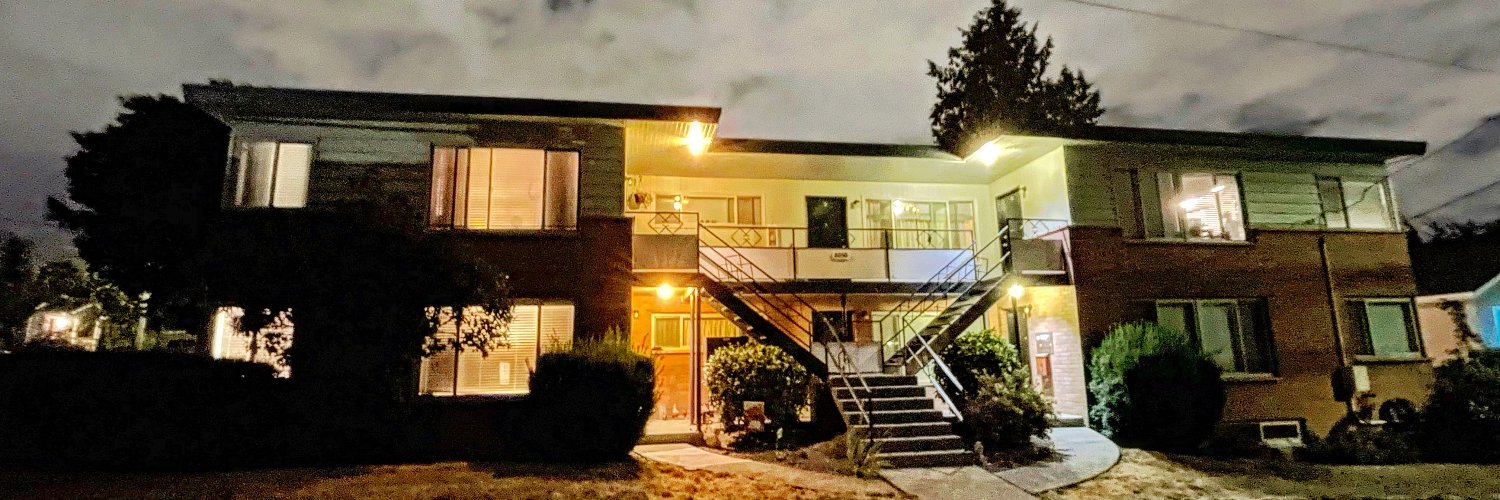
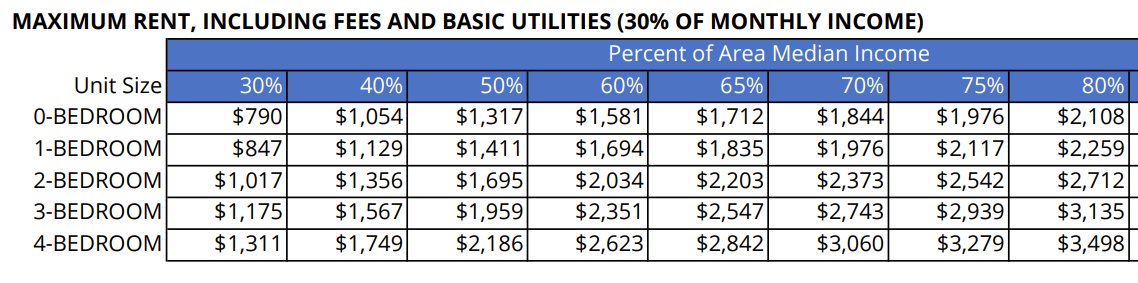
The couple got a market-rate 1-bed for $1,500/month, which is cheaper than the 60% AMI housing provided by MHA.
https://t.co/0hwurWYfgW
Creating mixed-income communities around WA's transit investments is totally doable with funded IZ.
The state already has an optional version to start with. Apply Baltimore's method for basing the abatement on actual costs, make it mandatory in station areas, problem solved!
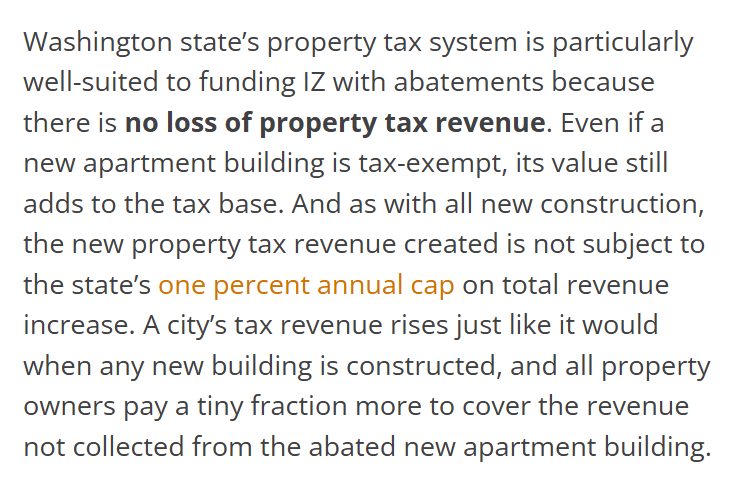
In WA, IZ can be funded with property tax abatements without reducing property tax revenue.
It's a relatively progressive way to fund affordable housing, because all property owners pay a little more tax to cover what's not collected on the IZ building.
https://t.co/8SRydBfeNF
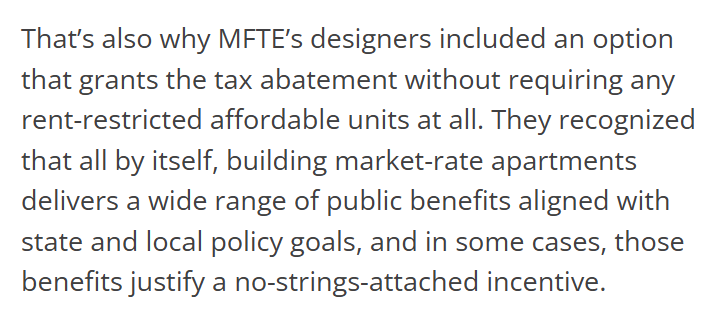
WA state was way ahead of the game when almost 30 years ago it launched a program that grants tax exemptions on buildings that set aside a certain portion of affordable units.
Known as MFTE, this optional version of funded IZ has created thousands of affordable apartments.