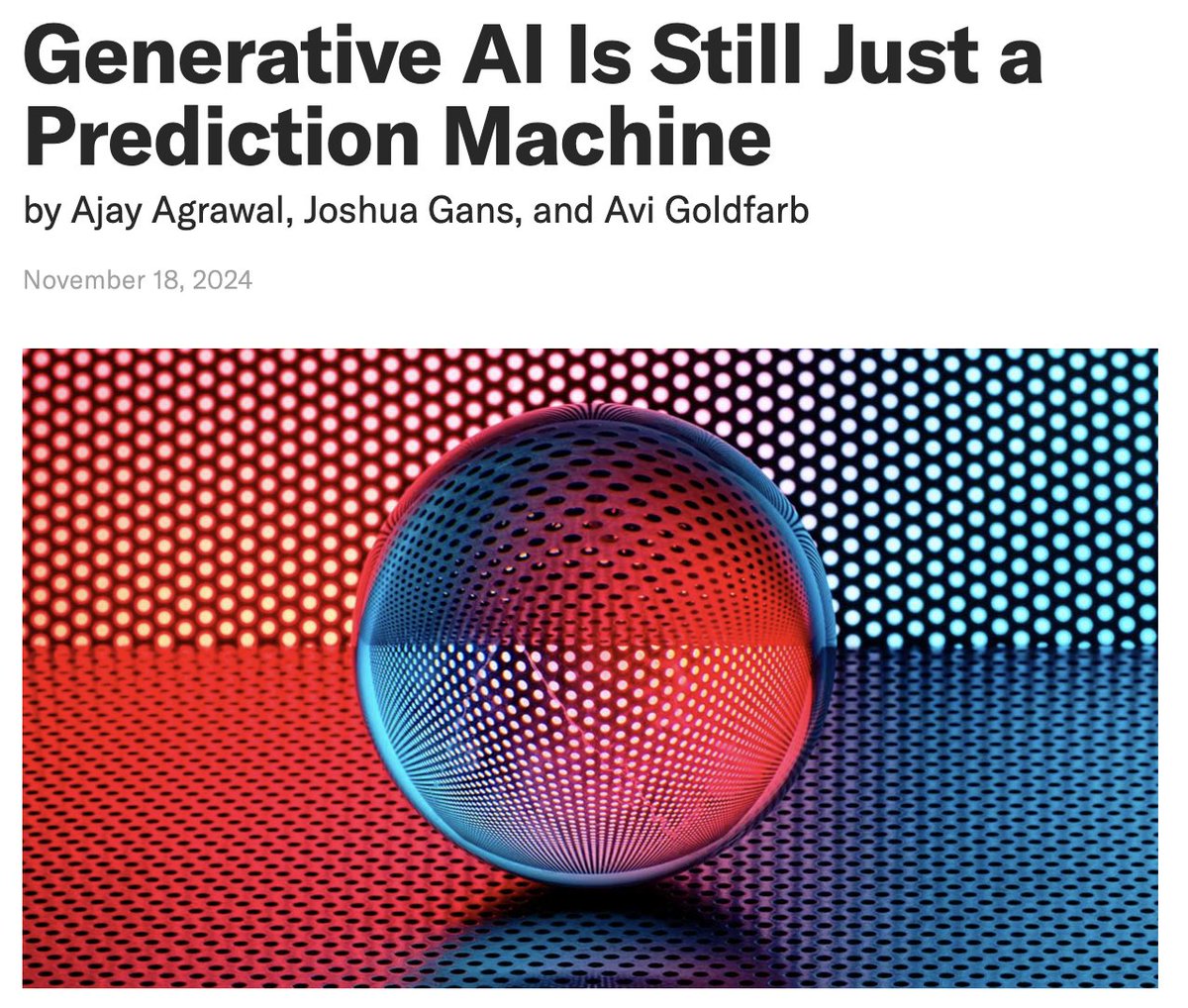
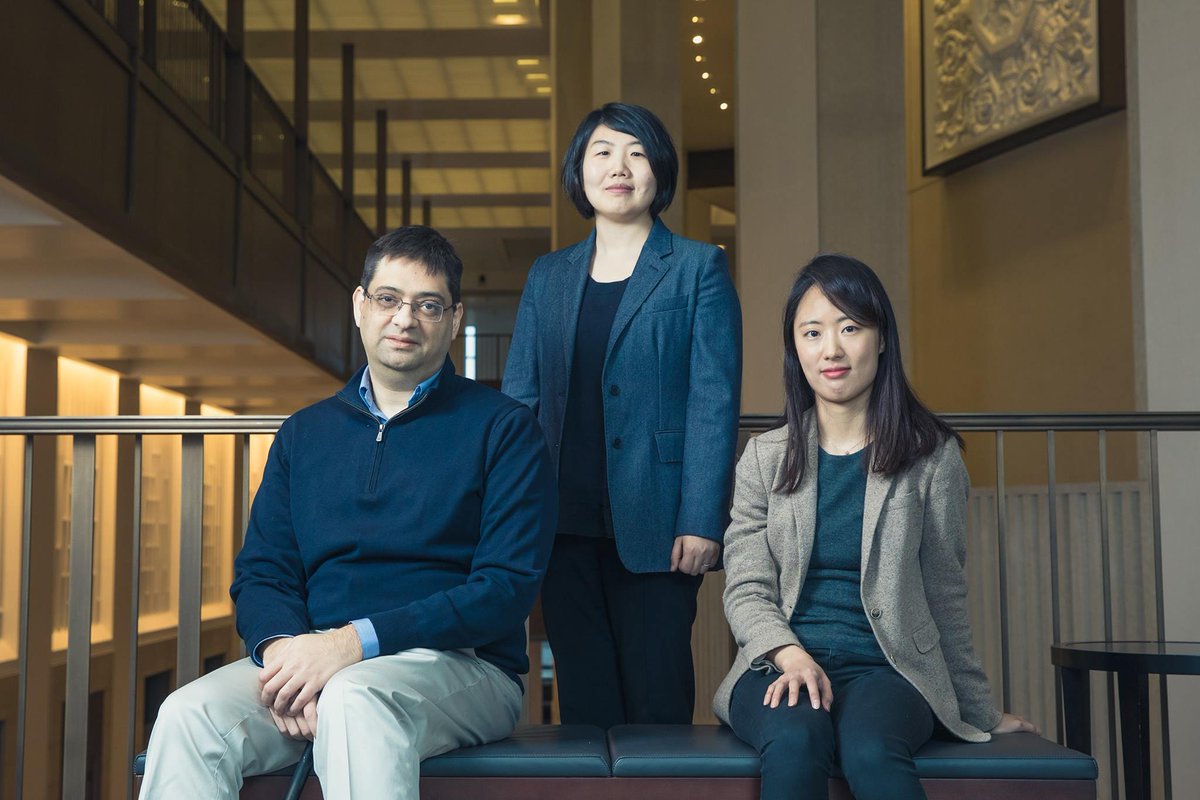
1/ Causal inference turns out to be surprisingly relevant for understanding generative AI’s pitfalls. As @professor_ajay, @avicgoldfarb, and @joshgans put it: "Data selection and model training require judgment."
Like biological organisms, #AI "grows" during training. Structures like semantic crystals and clusters emerge spontaneously.
AI isn’t programmed—it evolves. Just like nature. 🌱✨
A recent study (https://t.co/6zyKf6ILpm) reveals the hidden "brain" of #LLM:
⚛️ Atomic Level: Semantic crystals with perfect patterns connecting concepts.
🧠 Brain Level: Specialized lobes, just like our brain!
🌌 Galaxy Level: Spontaneous clusters for information compression.
Galaxy Level in #AI:
Central layers act like a natural bottleneck.
Information organizes into spontaneous clusters following precise mathematical laws (power-law).
A step toward more transparent, human-like AI cognition. 🌌
Brain Level in #AI:
Specialized lobes emerge naturally to handle complex tasks.
One area for language, one for dialogue, and one for code/math.
AI mirrors the organization of our own brain! 🧠
Atomic Level in #AI:
Words like "king" and "queen" form perfect geometric structures.
These "semantic crystals" show how AI understands relationships between ideas.
Fascinating precision! ✨
"P-value of this,” “P-value of that,” is the common currency when summarizing our empirical results today.
This afternoon's lecture at the summer school from
@brian_jabarian argues that type thinking is too narrow, as experimental power, priors, effect sizes, and key features of the scientific environment should accompany p-values when we update scientific knowledge. For those interested: https://t.co/TyD5ZjiS4z
Meet the new iPad Pro: the thinnest product we’ve ever created, the most advanced display we’ve ever produced, with the incredible power of the M4 chip. Just imagine all the things it’ll be used to create.
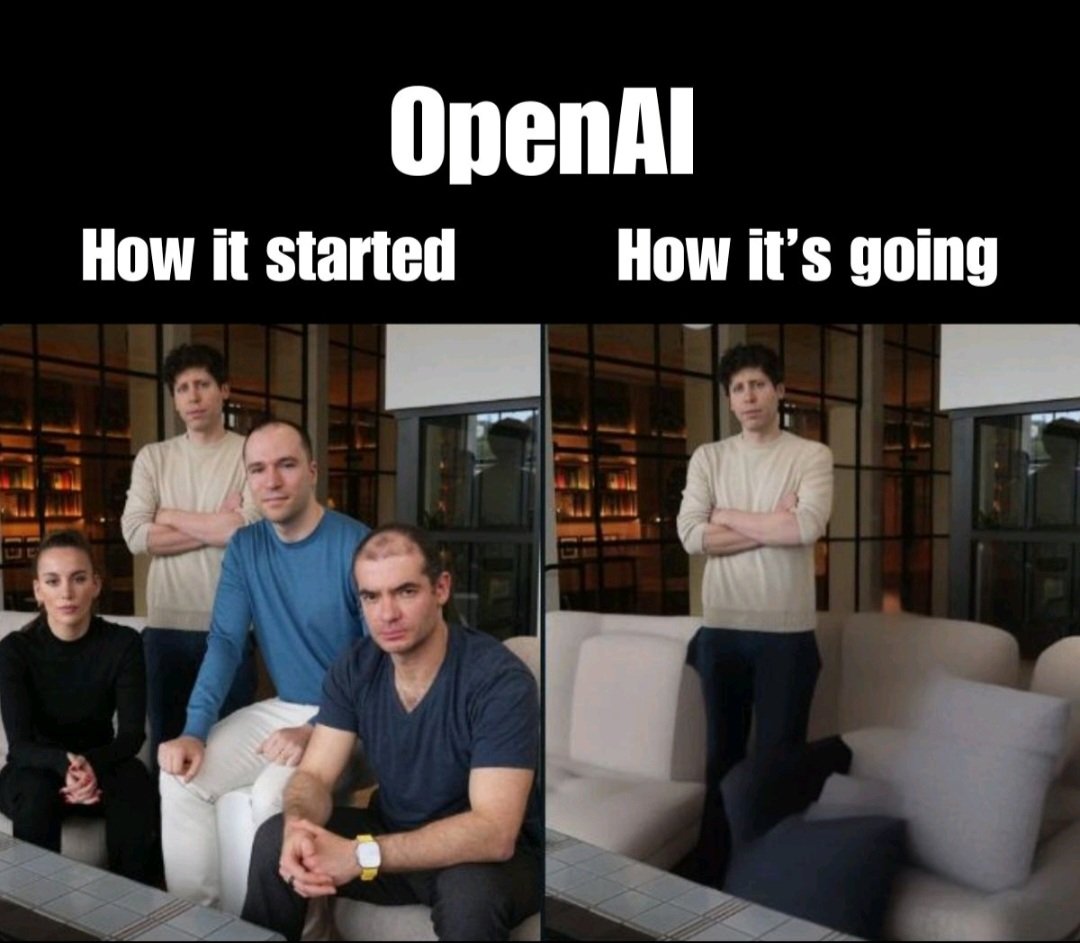
A good side of capitalism is innovation. It seems we're witnessing the suicide of capitalism in these years, with exponential inequalities. I wonder what will be the impact on innovation and whether AI will help to mitigate or boost this effect (or even suggest better policies?)
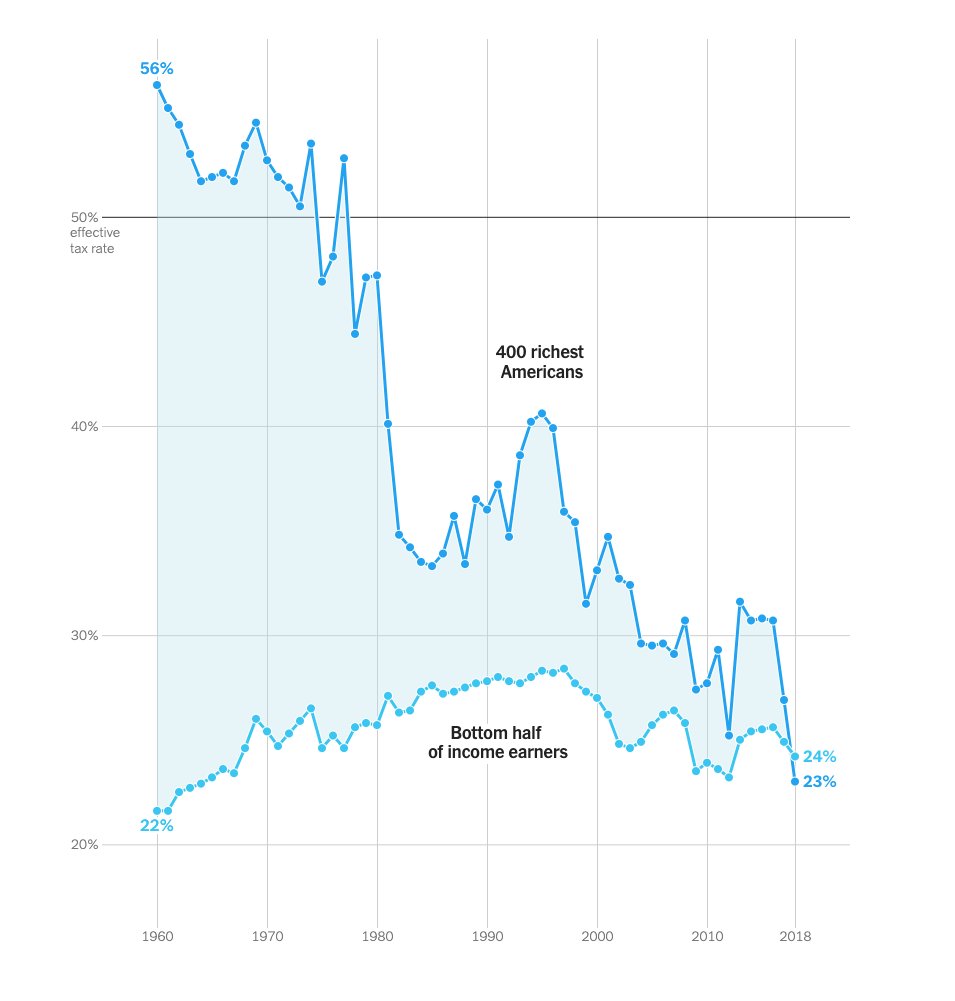
Stunning graph: the plummeting tax rates of the richest Americans. For the first time in history, billionaires have a lower effective tax rate than working-class Americans.
On a side note, it is super fascinating how different disciplines are converging (math, computer science, neuroscience, philosophy, economics, management, decision science...).
"How could machines learn to reason and plan?"
Intriguing (non-technical) paper by @ylecun about the possibility of building autonomous #machine#intelligence: https://t.co/tTgkH988pu
At the #GlobalEcon debate, @DAcemogluMIT said that to get the most out of AI we should use it to enhance human productivity rather than replace it. Watch the full debate here. https://t.co/zSupTuTQz1