@bensmithlive To educate some folks commenting: Life expectancy at age 50 is how many more yr someone is expected to live after 50. If Dana's estimated remaning yrs was, say 10, it got tripled means now he is expected to live for 30 more years.
@R_Thaler Sad to hear this. I was teaching the Behavioral Economics chapter last week in my Health Econ course and was telling my students your great contributions. BTW, I am reading your misbehaving, and it is fantastic!
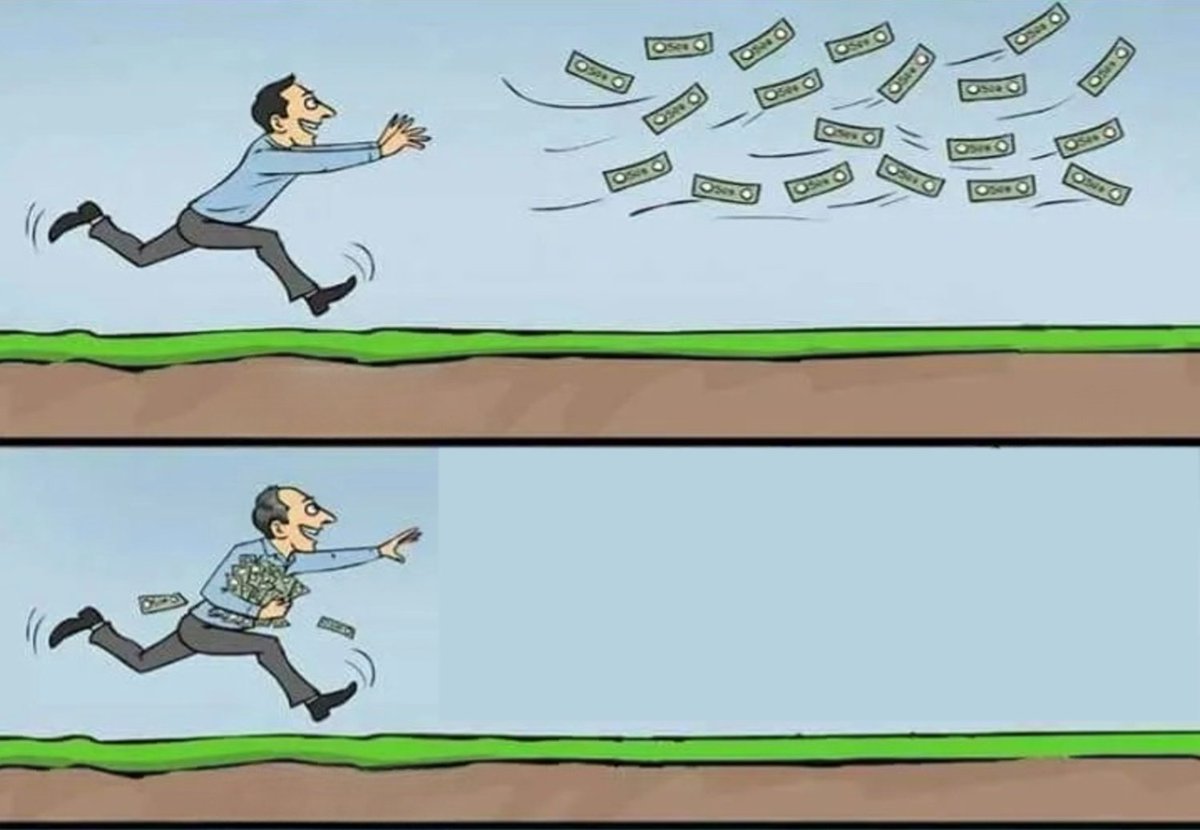
When it comes to inducing more effort, which bonus scheme typically works best (don't be fooled by the picture, the stash of cash is isomorphic)?
A. Work hard to earn cash as a bonus
B. Receive cash and work hard to keep it
C. Equally as effective
D. Neither works
I will draw 3 winners from the correct answers to receive a signed Voltage Effect book and t-shirt! I will also draw one winner randomly who reposts my post.
Hi #EconTwitter!
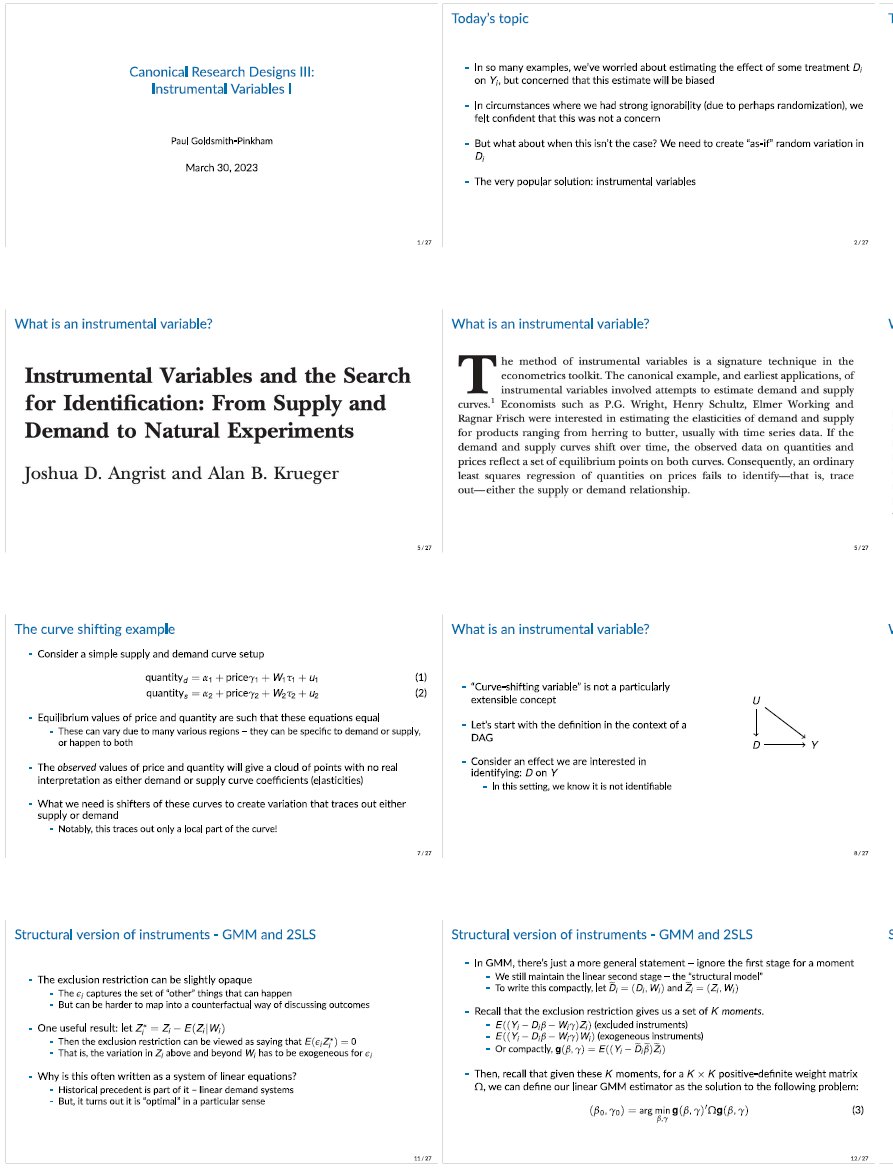
The 2023 edition of my fav PhD-level applied #Econometrics course just dropped!
Explore the 𝐀𝐩𝐩𝐥𝐢𝐞𝐝 𝐄𝐦𝐩𝐢𝐫𝐢𝐜𝐚𝐥 𝐌𝐞𝐭𝐡𝐨𝐝𝐬 course by @paulgp (@YaleSOM)! It covers a lot, from causal inference to applied #MachineLearning.
Don't miss out! 🌟👍
I bought one totally crazy shirt from an Instagram ad on a whim, and now every single ad the algorithm delivers is another totally crazy shirt
Call that over-fitting
🚨 New(ish) paper alert 🚨
We show that periods spanning more temporal categories (e.g. 1:30-3:00) feel longer than those spanning fewer (e.g. 2:00-3:30), affecting scheduling, willingness to wait, and rideshare choices (as per a large-scale analysis of historical data).
Did declining religious participation in the late 1980s lead to increased deaths of despair (e.g. suicides) in the early 1990s?
A new paper out this week tackles this question. I summarize the paper and give my take below.