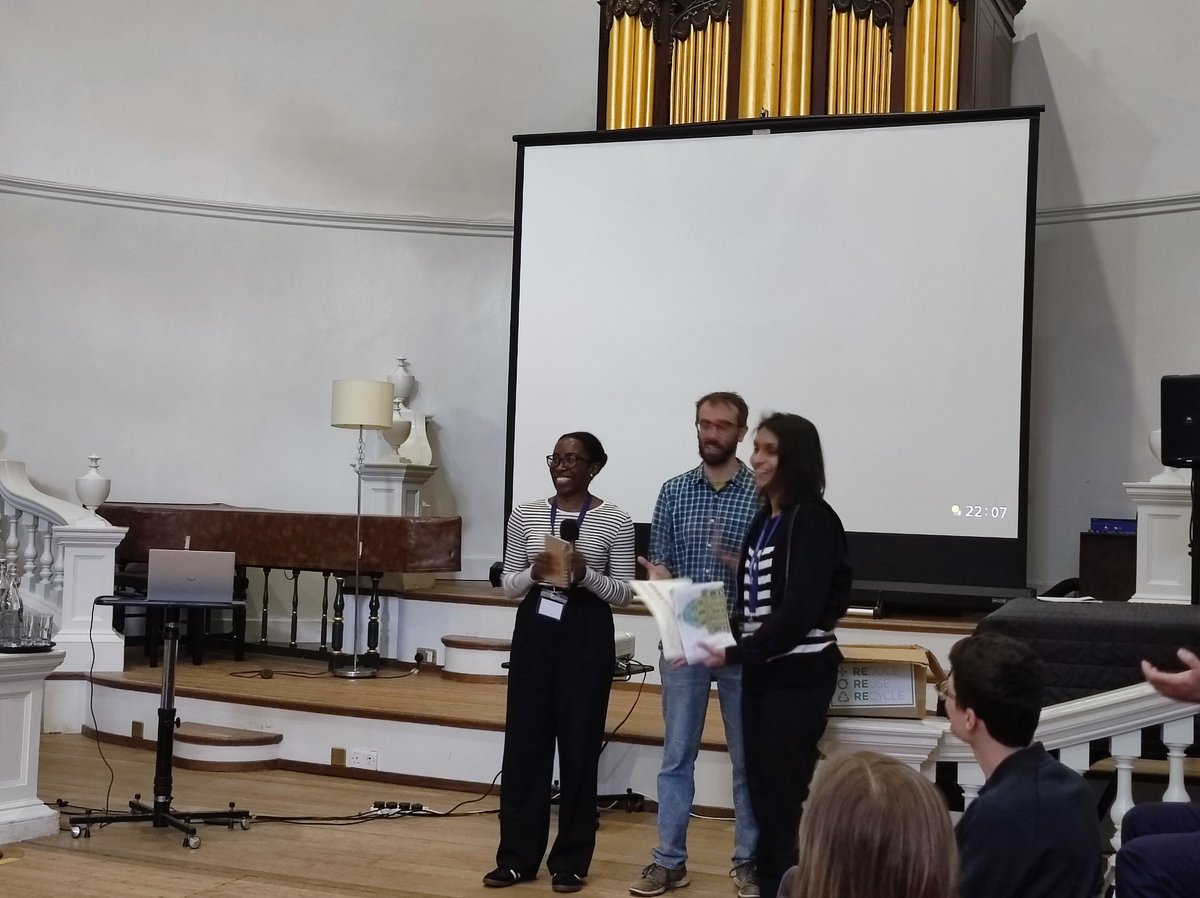
Next up: Gabriele Panicucci takes us through 'Developmental Directions through Oxygen Gradients,' revealing how oxygen shapes plant development.
#proteintermini24
Excited to announce this amazing speaker line-up for our 12th @EPSGradSchool@UUBeta PhD Summer School https://t.co/all2L53O81 Registration is now open https://t.co/FQ82BcV49e
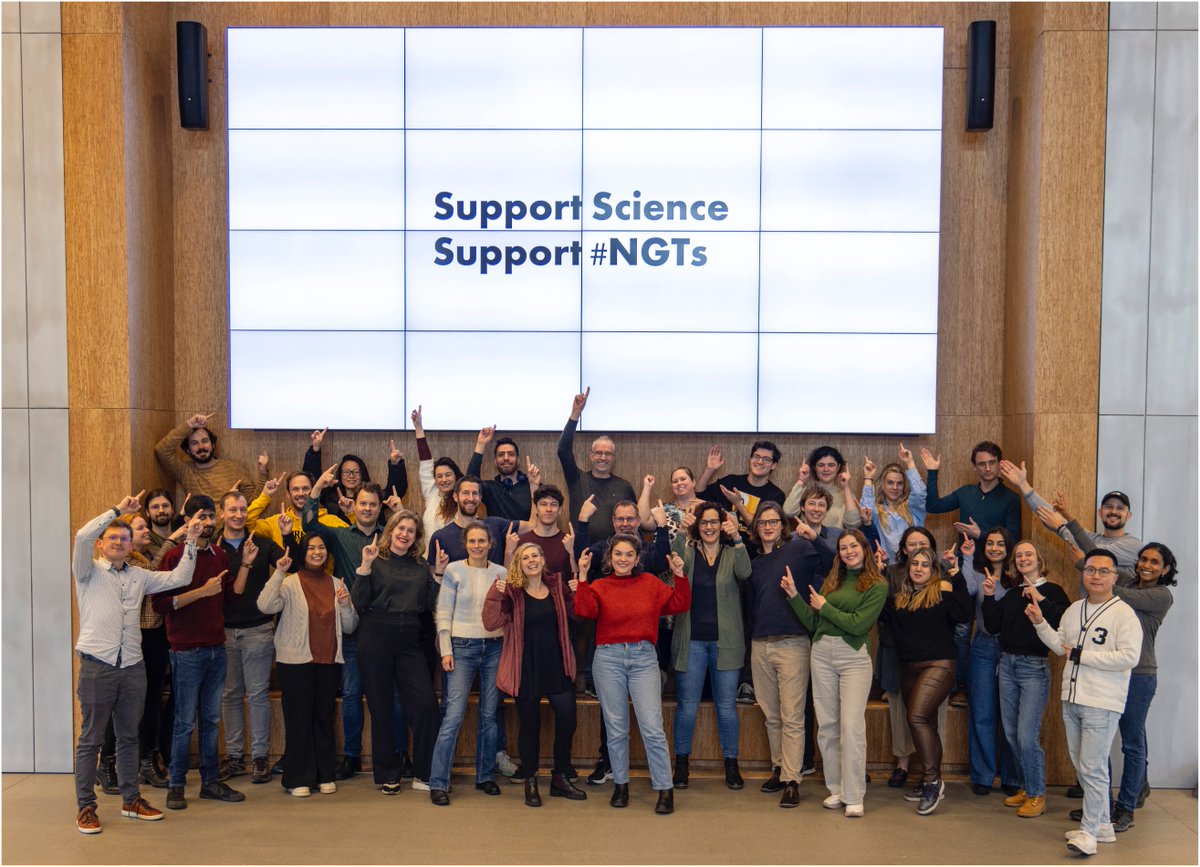
We @UU_Plants are excited about the opportunities #NGTs in plants bring to science and society. The change in current legislation is urgently needed.
@UUBeta@UniUtrecht
Happy to share our newest publication, where we describe a PCO inhibitor able to mimic hypoxia in plants!
https://t.co/2tLYmiwIJy
How did we find it? And, most importantly, why is it important? 🧵🔽
Its my last day in Edinburgh! What better way than to have a final hike up Arthurs Seat. This place was my home for the last 6 years. Sad to leave but I know I will be back! 🏴⛰️
Day 14 of great synthetic biology papers. Storing a video in DNA.
“CRISPR–Cas encoding of a digital movie into the genomes of a population of living bacteria,” by Shipman et al. (2017).
This is the GIF that made synthetic biology go viral. But how did it actually happen?
*****
DNA is an incredible way to store information.
It is information dense (it can store nearly 1.5 terabits per square millimeter of space, 800-times more dense than a hard drive) and extremely durable (last year, scientists sequenced a 2.4 million-year-old DNA sequence from an ice sheet in Greenland.)
Another way to think about this, from my prior essay: "a coffee mug filled with nucleic acids could store all the data produced in the last two years.” (https://t.co/odrTLYBVJC)
Despite the promise of DNA storage, this 2017 paper is the first demonstration of a movie being encoded in a living cell. The video itself is a recreation of Eadweard Muybridge’s running horse movie, which was made by stitching together still images in the late 1800s.
But how was it made?
***
To encode a video inside of living cells, we must first make the DNA.
DNA includes four letters, or nucleotides: A, T, G, and C. Each letter can be used to encode a distinct color, such as white, light gray, dark gray, or black. That is four colors in total; one for each letter. It is possible to encode more colors if you use pairs or triplets of nucleotides.
So that’s our colors sorted. But how do we know which color goes where in the image? In other words, how do we encode spatial information in DNA?
The secret is that DNA itself contains spatial information. We often say things like, “Gene A is encoded on Chromosome 6,” or “Gene B is located upstream of Gene C.”
We can take advantage of DNA's natural spacing to encode our video.
If you wanted to encode a 50 x 50 pixel image in DNA, for example, you would first map out the color of each pixel. Let’s say A = white, T = light gray, and so on. Then, you would synthesize a DNA strand, 50 letters long, for each row in the image. Next, you would insert these DNA strands into the genome in the order of their rows, such that the sequence located furthest upstream corresponds to row 0, and the strand located furthest downstream in the genome corresponds to row 49.
The challenge, of course, is getting the DNA snippets into the genome in the correct order, so that this spatial information is preserved. But there's an easy way to do that, too.
***
If you insert all the strands into the genome at random places, there will be no way to read them back out and reconstruct the image. The spatial information will be lost.
But there is a solution for this. In a 2016 Science paper, Shipman and co. figured out a clever way to insert DNA into the genome in a specific order. This technology has made all the difference for embedding videos in DNA. (https://t.co/QglKlLgPFH)
The 2016 paper shows that two proteins, called Cas1 and Cas2, can grab onto snippets of DNA that are electroporated into cells (literally, a pulse of electricity forces DNA into the cell) and then integrate them in the genome. These special proteins ALWAYS insert DNA in the same location, such that the first DNA snippet is inserted at position 0. A second DNA snippet is inserted at position 0, and the first DNA snippet moves to position 1. And so on.
After Cas1 and Cas2 have inserted dozens or hundreds of DNA strands into the genome, the final outcome is that the DNA snippet located furthest from position 0 must have been the first one to be acquired by the cells!
For the 2017 paper, Shipman synthesized all the DNA needed to encode the various pixels for each frame in the running horse paper. He then "shocked" this DNA into a population of cells. These cells took in the DNA snippets, embedded them in their genomes, and went about their day as if little had happened. When the researchers later sequenced these DNA arrays and averaged the results over mllions of cells, the team was able to retrieve the video’s information with >90% overall accuracy.
This paper is a beautiful demonstration of how a simple discovery (DNA acquisition via Cas1 and Cas2) can be used to capture and inspire people’s imagination. I like it a lot.
10K FOLLOWER GIVEAWAY 🎉🎈🎁
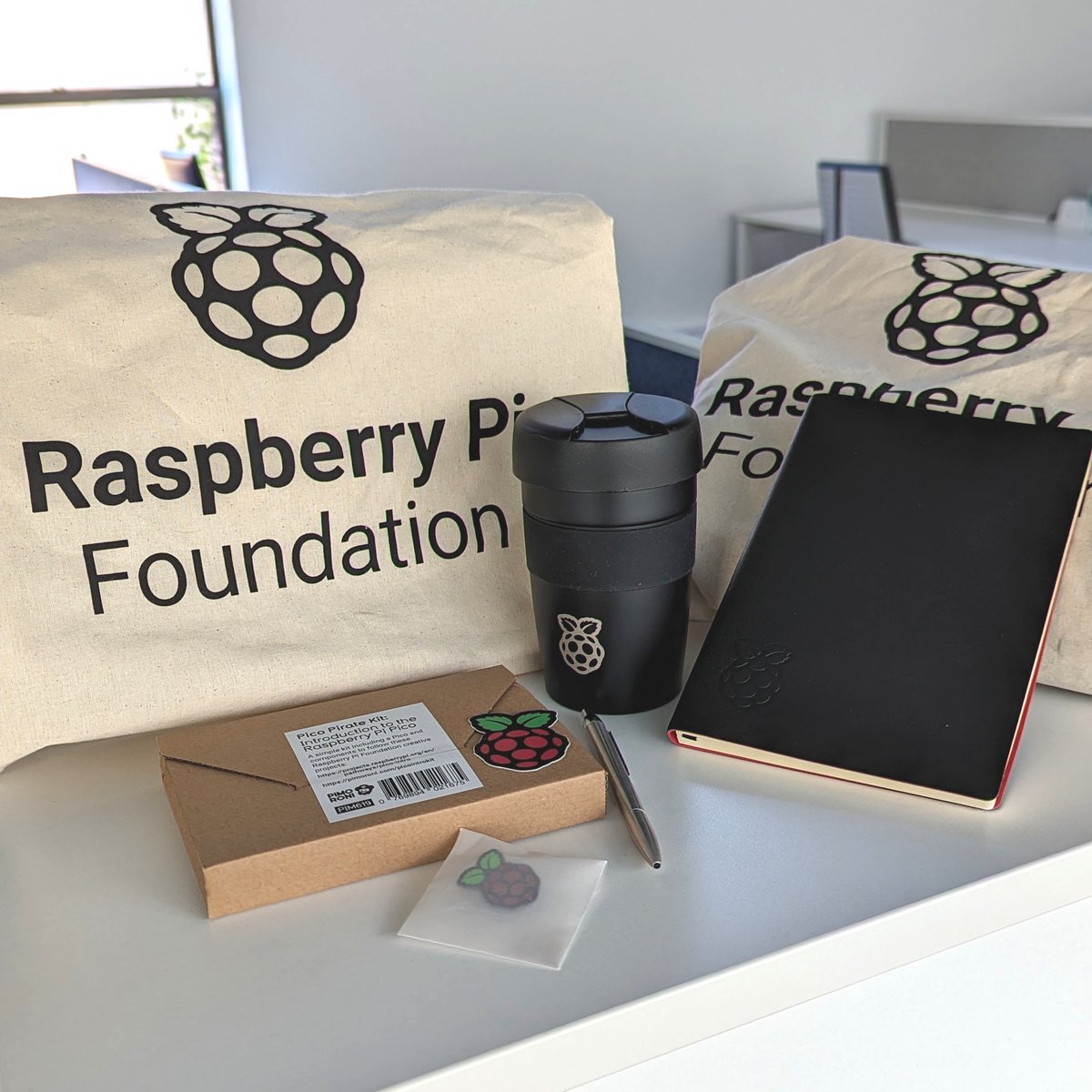
To celebrate 10K followers on Twitter, we're giving away 3x Raspberry Pi Foundation tote bags containing Raspberry Pi branded goodies 😍 Winners will be randomly selected on Friday, 19 May 2023.
To enter: Follow us, like & RT this tweet.
Good luck!
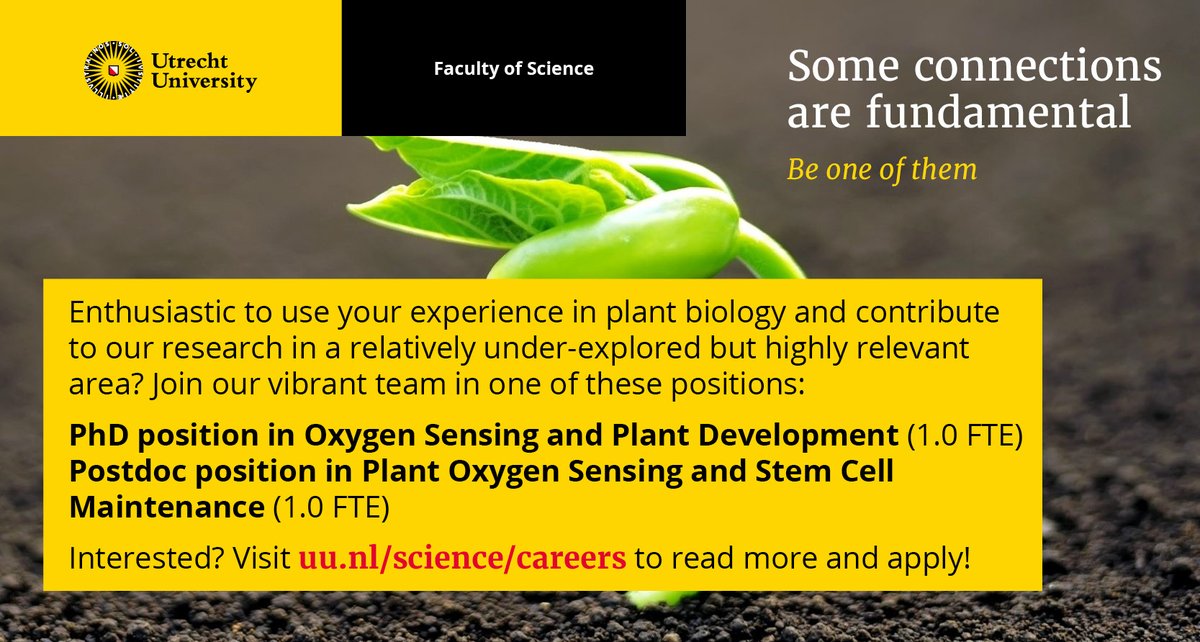
Excited about oxygen sensing, plant development and/or imaging? Come and join my team at @UU_Plants ! I'm hiring a PhD and Postdoc to unravel the role that oxygen plays in plant development and stem cell maintenance. Please RT!
https://t.co/vJA0XOHhdK
https://t.co/63LFYl4wlC
Minipreps! They're a fact of life. But if they don't bring you joy, you might want to try new tactics or treat yourself to some fun new toys!
Our lab has done 2,625 minipreps so far. Let me share a few tidbits about our approach and our favorite pieces of equipment. 🧵 (1/n)
These Twins, One Black & One White, Will Make You Rethink Race: A single tweak in a gene SLC24A5 gave the Europeans their light skin! Most sub-Saharan Africans have a G, Europeans have an A. Much blood shed in history over this one nucleotide difference!
https://t.co/4EeO9EwwSh