Causa sonrojo que haya periodistas que no distingan entre astrónomos y astrólogos, que haya medios serios que promocionen a videntes y que también los haya que crean que nacer cuando está ocurriendo un eclipse otorga al bebé dones especiales.
https://t.co/pr8skF6r9F
Las pseudoterapias ni se crean ni se destruyen, sólo se transforman.
De la homeopatía ya casi no se habla. Ahora es el turno de la psico-neuro-inmunología. Muchas afirmaciones, poca evidencia clínica sólida, pero el palabro suena a ciencia.
#MedicinaBasadaEnLaEvidencia
#PensamientoCrítico
La falta de alfabetización digital y estadística se ha convertido en un problema clave para interpretar la realidad y confiar en las instituciones. Lo analiza @LUISCERDASUAREZ de @UNIRuniversidad:
https://t.co/4rntU2Im5c
🦖🍫 ¿Es el fin de los Huevos Kinder tal y como los conocemos?
En #GuerraCucharax@gominolasdpetro hablamos con @pbustinduy@MSocialGob sobre la proposición de ley para regular la publi de alimentos insanos para público infantil👇
🎧 https://t.co/7R2kh0AsyK
@lauracaorsi
🎙️L''Alicia Casals, catedràtica de @la_UPC, és una pionera i referent internacional dins el seu àmbit, la robòtica.🤖 @radio4_rne
▶️ Entrevista: https://t.co/Q9HlORvinJ
Que la prohibición de las redes sociales a menores en Australia no está yendo como esperaban sus fervientes defensores ya no es una simple opinión.
Más allá de eso, es una medida arbitraria, mal planificada y tomada en contra de la evidencia disponible.
https://t.co/WBx9yY2q3z
Esto se aplica de forma mucho más general. Montar narrativas y, a veces, incluso identidades, en torno a etiquetas construidas sobre la experiencia vivida y datos dudosos (pero congruentes con esa experiencia) no es ciencia. La ciencia requiere sistematicidad y distancia.
It’s often repeated that children with ADHD receive 20,000 more critical comments over the course of their childhood than neurotypical children. I’ve been told it at conferences, seen it in articles, and most recently, read it in Alex Partridge’s best-selling book Why Does Everybody Hate Me: Living and Loving with Rejection Sensitivity Dysphoria. I may have even referred to it myself in training. It is widely accepted and spoken about as truth.
But that claim – the 20,000 cuts – I started to wonder. Where did it come from? Who was the comparison group? How did the researchers come to that conclusion – because surely they did not count 20,000 critical comments? Partridge said it was an ‘estimate’ – but what sort of estimate? Based on what data?
I set out to fact check, and what I found surprised me. This figures, as far as I can find, is based on no data at all. It can be traced by to a thought experiment by a child psychiatrist (Michael Jellinek) in a non-peer-reviewed journal (MD Edge Psychiatry) in 2010. He asks us to imagine a hyperactive child at school who could, he suggests be corrected by a teacher an average of three times an hour. Then he multiplies that up and says “In school alone, a child with ADHD could receive 20,000 corrective or negative comments by the time he or she is age 10.”
Yes, they could. But also, they could not. This is an entirely imagined scenario. No comparison with other children, no data collected. No clear definition of what sort of comments might be deemed to be ‘corrective or negative’. No recognition that children with ADHD are very different to each other, some will not attract negative attention at all. Also no acknowledgement that this happens to other children too – those with learning disabilities, for example. Or those whose behaviour is challenging in a group environment. ADHD is not the only thing that is problematic in a school classroom.
That, as far as I can tell, is the source of the 20,000 critical comments claim which is now all around us.
The thing is, this figure feels right to lots of people. It chimes with lived experience, and so it gets repeated. And the more it is repeated, the more true it feels because it is familiar. We don’t stop to fact-check because we think ‘I’ve heard that before’. I’m not blaming Jellinek, he could not have known that his claim would have the power it had. He was, after all, just asking us to imagine a possibility.
But, it’s become a viral claim, we all accept that it must be true without stopping to ask why.
Why does this matter? Because this is building on foundations of sand. Whole narratives are being developed – but there is no firm data underpinning it. It stops us from really understanding people’s reality, because we’re extrapolating instead. Imagining reality, rather than working out what is really happening.
We (and I mean me) have to get better at checking our sources. Just because something feels true, doesn���t mean that it is.
Sí tenemos un gimnasio cerebral, se llama escuela. Pero hemos convertido a Homer Simpson en pedagogo y nos ha convencido de que si algo es difícil no merece la pena hacerlo. Personalmente me fío más de un maestro con sentido común que de una neurocientífica hablando de educación.
En la mitología griega Apolo y Artemisa eran hermanos gemelos hijos de Zeus y Leto, arqueros expertos pero con dominios opuestos: Apolo representa el sol, la música y la luz, mientras que Artemisa es la diosa de la caza, la naturaleza salvaje y la luna.
#ArtemisII#ToTheMoon
📌 J. J. Benítez, investigador sobre ovnis i extraterrestres: "Radars civils i militars van captar un objecte volador de 19 quilòmetres al nord de Barcelona, era una nau nodrissa" https://t.co/edXKnxP5AA
En 1990, en la North Carolina State University, Carl Sagan lanzó una reflexión que hoy resulta incómodamente actual. Recordó que, durante la Guerra Fría, Estados Unidos fue capaz de gastar cantidades colosales de dinero, talento y recursos para afrontar una amenaza percibida como existencial. No porque fuera barato, ni fácil, ni inmediato, sino porque se entendió que no actuar era inaceptable.
Sagan planteó entonces una pregunta sencilla y devastadora: si fuimos capaces de movilizar ese esfuerzo frente a un enemigo geopolítico, ¿por qué no aplicar el mismo criterio ante un peligro real y demostrado como el calentamiento global? No hablaba de ideología ni de buenos deseos, sino de prioridades. De asumir que la prevención siempre es más racional, más humana y, a largo plazo, más barata que la reacción tardía.
Su mensaje no pedía heroísmos ni sacrificios épicos. Pedía sensatez. Invertir antes, actuar con la misma seriedad con la que se planificó la disuasión nuclear, y reconocer que la mayor amenaza para nuestra seguridad no siempre viene con uniforme, bandera o misil, sino con gráficos, datos y advertencias científicas ignoradas durante demasiado tiempo.
Treinta y cinco años después, el diagnóstico sigue siendo el mismo. Y la pregunta de Sagan, también. ¿Estamos dispuestos a tomarnos en serio la ciencia cuando el enemigo no es otro país, sino nosotros mismos?
Y como nota final, conviene detenerse un segundo en la forma. La claridad, la calma y la profundidad con las que Sagan era capaz de trasladar ideas complejas siguen siendo una lección magistral de divulgación. Un referente para cualquiera que entienda comunicar ciencia como un acto vocacional de responsabilidad.
Vídeo de The TinkLab en YouTube.
Tras el prejuicio de que los jóvenes no leen, son incultos o frágiles, se percibe la necesidad de ciertos 'expertos' de exhibir cuánto dicen leer ellos, y lo cultos y resistentes que creen ser. El narcisismo y la egolatría se disfrazan a menudo de de falsa preocupación.
En el hilo anterior vimos q las emociones hacen más memorables los eventos de nuestras vidas, pero no por ello intensifican los aprendizajes en el aula. Esto no significa q no sean importantes para aprender. Lo son. Y mucho. En especial, en el ámbito de la motivación. Veámoslo.
Introductory psychology textbooks are still riddled with misinformation.
Recent scholarship has identified that factual errors have been common in introductory psychology textbooks. Mainly these came in the form of repeating urban legends and myths about psychology, such as the notion that a woman had been murdered while 38 witnesses watched and did nothing. Some famous experiments in psychology have also seen serious questions raised about their validity.
Given that these conversations have gone on for about a decade, it is worth considering whether identification of these issues resulted in improved coverage in introductory textbooks. Following our 2018 article detailing misrepresentation of various topics and myths in Introduction to Psychology textbooks, we set out to see if these misrepresentations and myths persist in textbooks from 2023.
Although some improvements are seen from earlier studies, results indicated that errors in textbooks have remained common even after this issue had been clearly identified in the published literature. Our results indicate a modest improvement since 2018 in some areas, but decline in others. However, it is worth noting that in many instances authors simply avoided the topics, which led to a decline in “not misinformed” scores.
In many cases, textbook authors simply avoided potential myths (e.g., the tongue map). We would encourage textbook authors to not ignore these myths and misrepresentations; rather we encourage them to see these as teaching opportunities.
Although we use the term misinformation to indicate misleading content in psychology textbooks, we are careful to note that this is not meant to imply intention. Authors may simplify matters to generate excitement from students, or merely to not get bogged down in methodological controversies. These can all reflect various cognitive biases on the part of textbook authors without implying any intent to engage in political indoctrination.
In conclusion, potential misinformation remains a problem for the teaching of psychology. However, our students deserve the full truth, even if it is muddy, politically inconvenient, or uncertain. Introductory psychology teachers may need to be aware that not all information presented in textbooks is true.
No hemos perdido la capacidad de leer. Hemos perdido la capacidad de tolerar el silencio interno necesario para leer. Y eso tiene consecuencias profundas...🧵👇
Dos niños autistas atados al radiador de un hospital psiquiátrico en 1982. Sí, 1982.
Que no lo hayamos visto no quiere decir que nunca estuvo entre nosotros
#TEA 💙💙💙
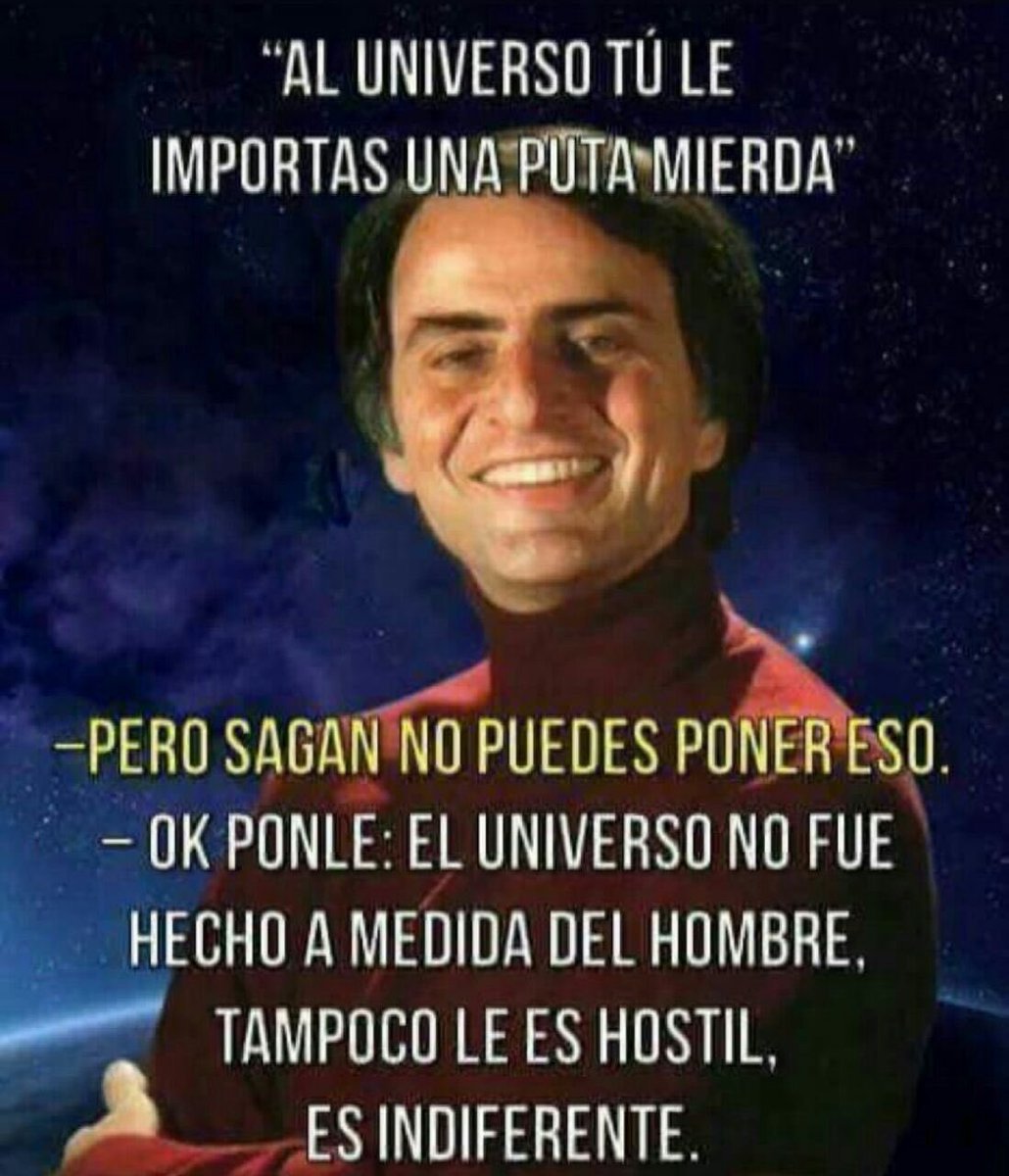
Lo bueno del siglo XXI es que teniendo todos los medios para documentar cosas, tú te inventas cualquier memez y se la endilgas a un sabio, como hacen en esta clínica dental de Madrid.
@CSanzAndrea@WPLogout Lo que no entiendo es que siempre se ponga el énfasis en que "muchas de las personas que la practican ni siquiera sean psicólogos". ¿Los psicólogos y psicólogas pueden practicar magufadas? ¿Lo importante no debería ser trabajar desde la evidencia?