Lecturer staff at Dental faculty - Universitas Padjadjaran (Indonesia) & PhD candidate at Center for Innovation in Medical Education, LUMC (The Netherlands)
Video tutorials on how to conduct systematic reviews using JBI SUMARI include:
✔️critical appraisal
✔️ data extraction
✔️ comparative meta-analysis
✔️ proportional meta-analysis
✔️ creating a protocol
Check out the playlist on YouTube: https://t.co/3q0DCXKYh9
#JBIMethodology
Cochrane Handbook for Systematic Reviews of Interventions https://t.co/3AZ1jVWmPd
The chapter on #Searching for and selecting studies main text has just been published, after another extensive revision. #systematicreviews
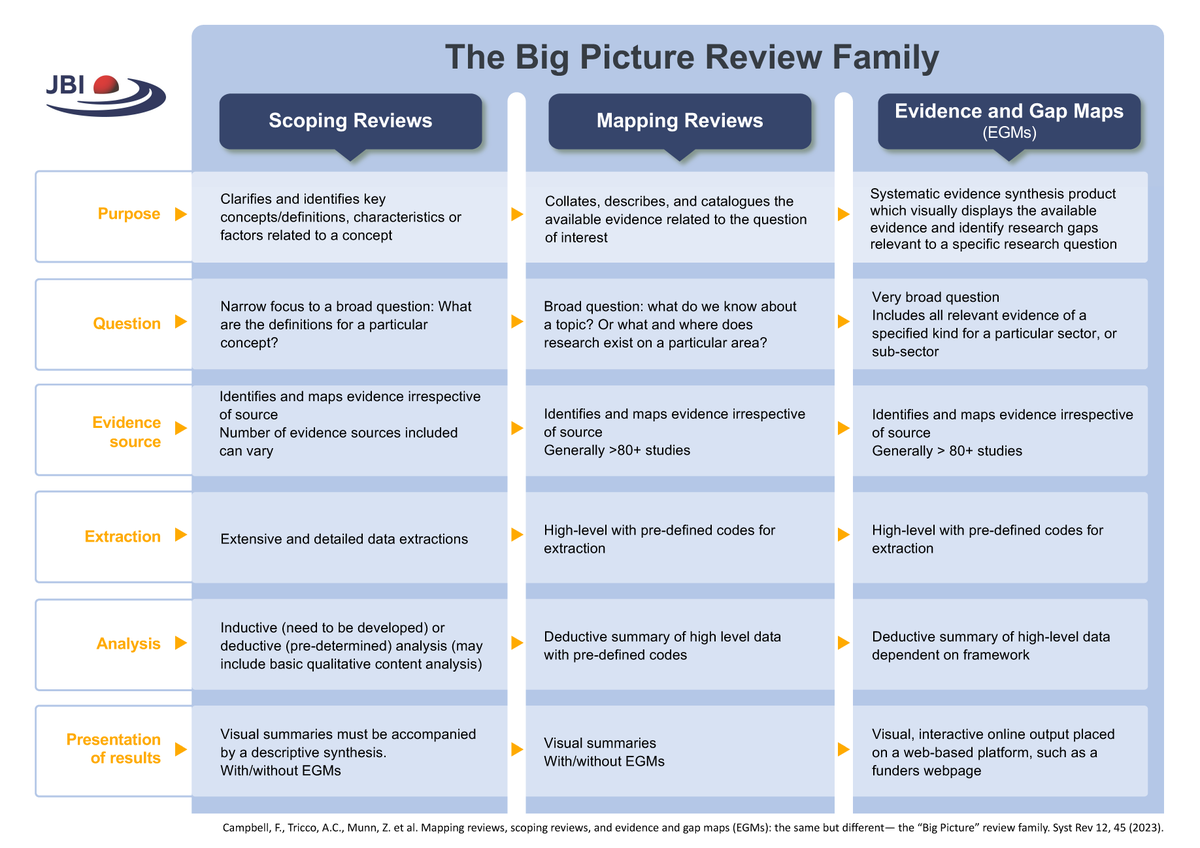
What is the difference between scoping reviews, mapping reviews & evidence & gap maps?
Download infographic comparing these big picture reviews, & head to the Scoping Review Network for many other informative resources on scoping reviews: https://t.co/8l2Mmey09q
#JBIScoping
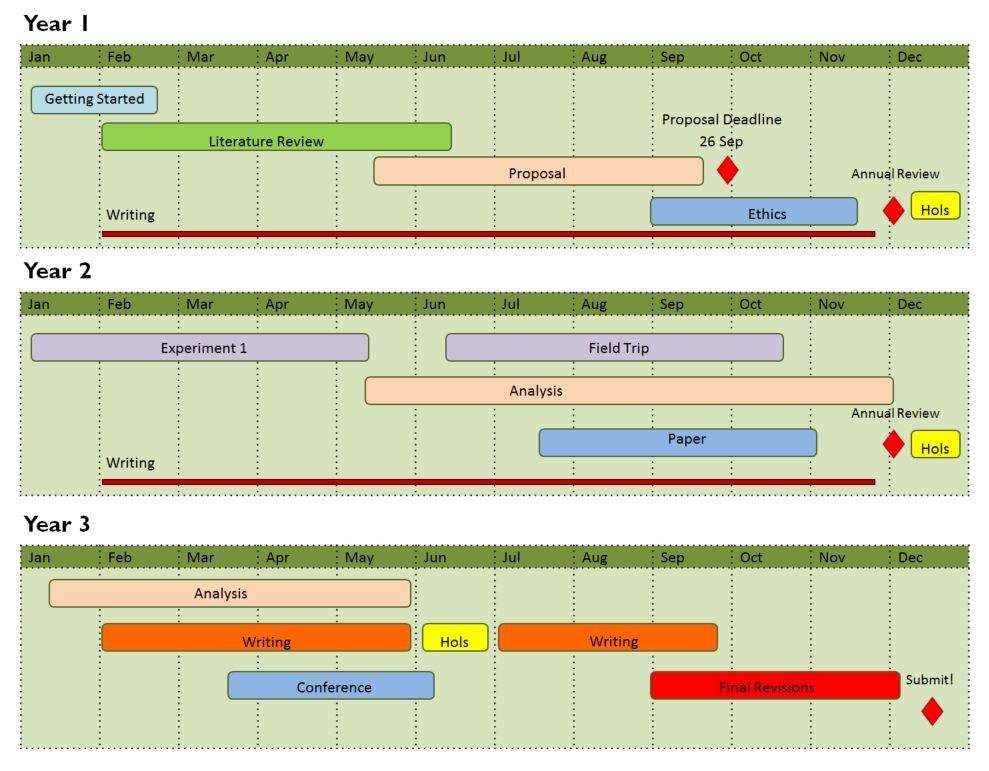
#ResearchResources:
Lots of great free resources for researchers & research students. Thesis planners, goal setting tools, agendas, To-Do lists. Completely customisible and free. No login, no catches. Just download & use. From: https://t.co/cej7iNEbLS #PhDchat#ECRchat#postdoc
We sincerely thank you for participating and for making this event a wonderful opportunity for collaboration and connection among colleagues and new friends!
👋See you at #EBHC2025!
@MichalTombskatz What a coincidence, I got this in my feed
Congrats Prof @MichalTombskatz
As a former student of yours, I am so proud for the achievement. Yes, well deserved for the new prefix👏🏻
Clinicians clearly prefer a novel multilayered presentation format to the standard formats. All relevant information succinctly and instantaneously available, clinicians can choose how much they want. Should now be standard format.
https://t.co/b6MDZUMGVM https://t.co/Rmh3UMW3fd
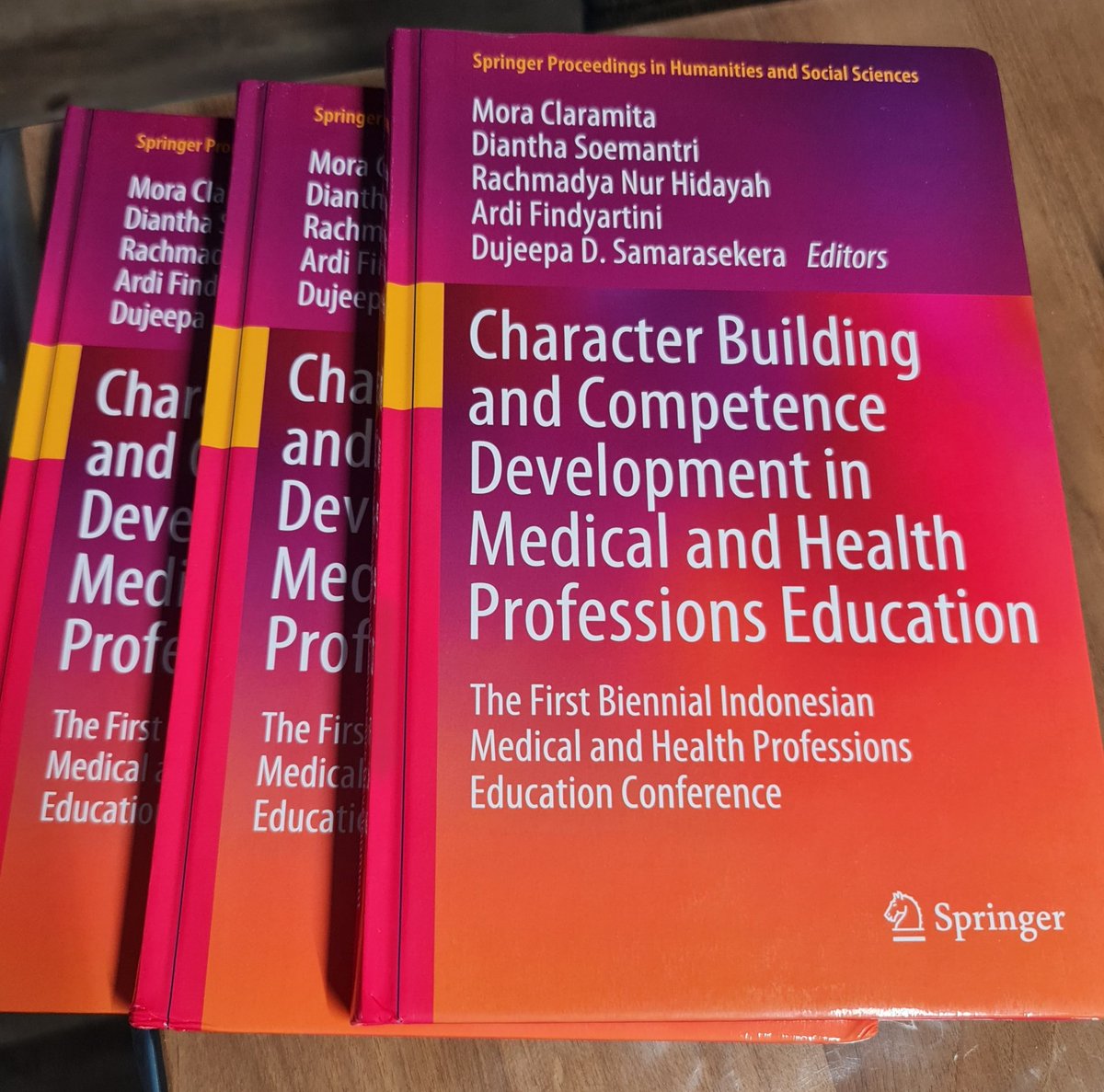
Just received the latest book we edited from @Springer. It was the perfect birthday present! The most valuable aspect was the opportunity to learn from other authors and to collaborate with fellow colleagues from Asia. #healthprofessions#collegialcollaboration
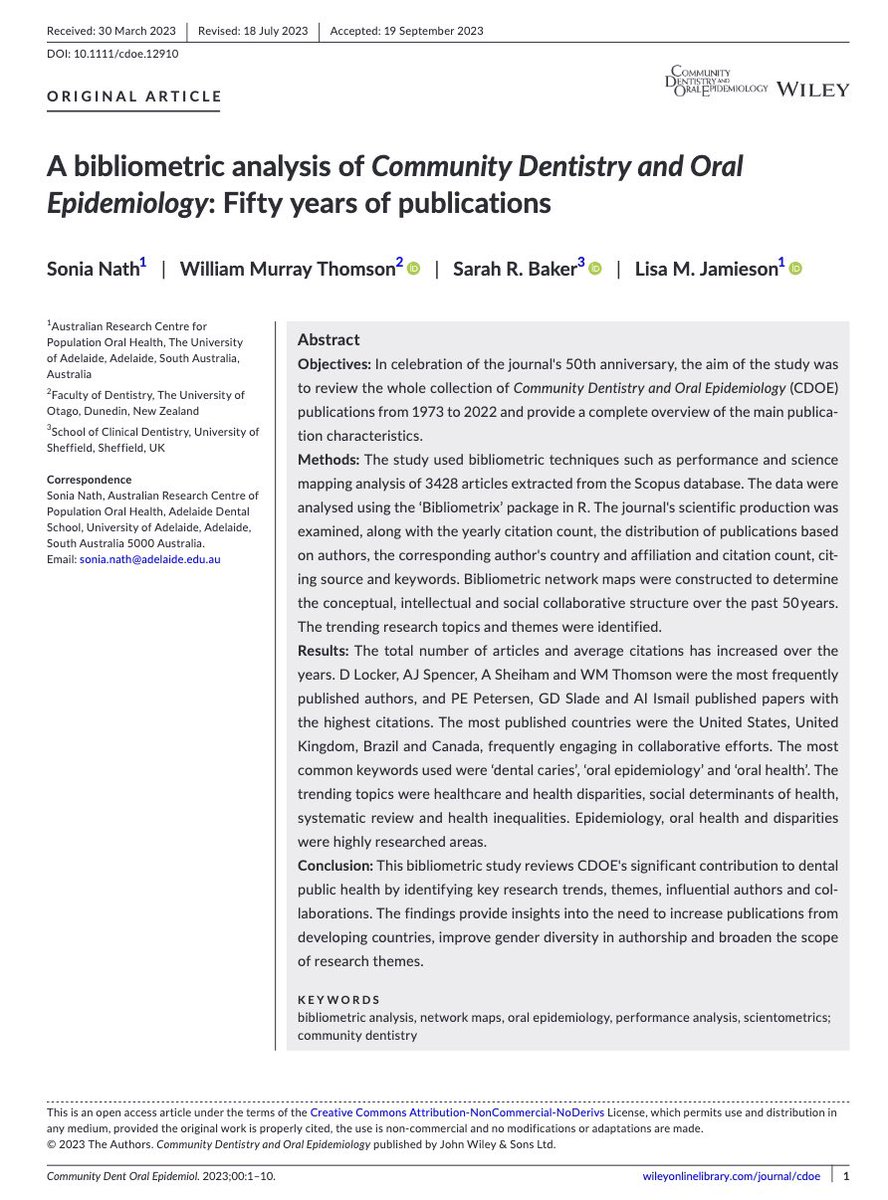
Community Dentistry & Oral Epidemiology has been at the forefront of research in oral epi, community dentistry & oral health promotion
Just published - a new bibliometric analysis documenting our 50 year history led by @SoniaNath9 with Lisa Jamieson @DrMuzz57 & myself
Link 👇
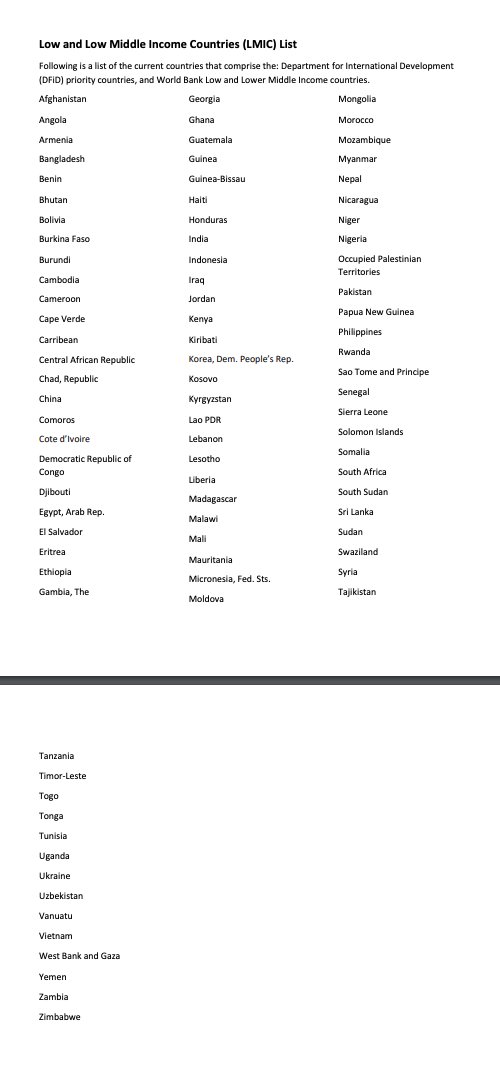
Thinking of submitting to us but not sure you can afford the Article Processing Charge? We have a generous waiver policy for manuscripts with first authors from lower-middle-income countries. Check it out: https://t.co/FF0q9O5mJz
🧵 Reporting Clinical Trial Results: A Simple Guide
1/ 🌟 Introduction: A clinical trial is a rigorous test of a new treatment or intervention. Reporting results transparently and comprehensively is critical for both medical advancement and public trust.
2/ 📝 Title & Abstract: Begin with a clear title indicating it's a clinical trial. The abstract should give a concise overview of the study's purpose, methods, results, and conclusions.
3/ 🎯 Objective: Clearly state the main aim of the trial. Was it to determine the efficacy of a new drug? Or to compare two treatment methods?
4/ 🔍 Methods: This is the heart of your report.
• Design: Was it randomized? Double-blind? Placebo-controlled?
• Participants: Inclusion/exclusion criteria. Demographics.
• Intervention: Precise details about the treatment given.
• Outcome Measures: What were the primary and secondary endpoints?
5/ 📊 Results:
• Participant Flow: How many started, completed, or dropped out?
• Baseline Data: Initial characteristics of each group.
• Outcomes: Report findings for each endpoint. Use clear tables or figures.
• Adverse Events: Essential for understanding potential side effects.
6/ 💡 Discussion: Contextualize the findings.
• Compare with previous research.
• Discuss the clinical implications.
• Address limitations.
• Suggest future research directions.
7/ 📈 Statistics: Any claims must be backed by solid stats.
• Clearly state the tests used.
• Always provide effect sizes, confidence intervals, and p-values.
• Clarify any post-hoc analyses or corrections.
8/ 🤝 Acknowledgments: Recognize funders, participants, and others who contributed. Disclose any conflicts of interest transparently.
9/ 📚 References: Ensure every claim or statement sourced from external research is appropriately cited.
10/ 🌐 Registries & Protocols: Most journals now require clinical trials to be registered in public databases. Provide registration details and any deviations from the initial protocol.
11/ 🎥 Visuals: Use graphs, flowcharts, and tables for clarity. For instance, a CONSORT flow diagram visually presents participant progression through the trial.
12/ 🌍 Conclusion: Transparent reporting is not just about credibility; it's about advancing medicine and ensuring patient safety. When done right, your study can pave the way for better healthcare solutions!
13/ 💬 Engage: Researchers & healthcare professionals: How do you ensure clarity & transparency in your reports? Any tools or practices you'd recommend? Share your insights!
(Note: While this thread provides an overview, detailed guidelines like CONSORT should be referred to when actually reporting clinical trials.)
#ClinicalTrials #MedicalResearch #EvidenceBasedMedicine #Statistics #DataScience
Warm welcome, Ardi Findyartini, to our Editorial team! Professor in Medical Education in Faculty of Medicine Universitas Indonesia, Ardi is a medical educator, lifelong learner, collaborator & research leader with interests in faculty development & professional identity formation
Are you a dentist or social scientist from a Low/Low Middle Income Country interested in studying for a Masters in Dental Public Health at @shefdentistry at @sheffielduni?
Our David Locker Scholarship is now open for 2023-24. Details here:
https://t.co/WPduAhxwya
#dentistry