The next trillionaire will undoubtedly get there by solving some very important problems (like advancing electrification of global personal transportation by a decade or more, dramatically cutting the $/kg of taking stuff to orbit, or supplying wireless broadband internet to the entire planet).
I want to live in the world that person will help create.
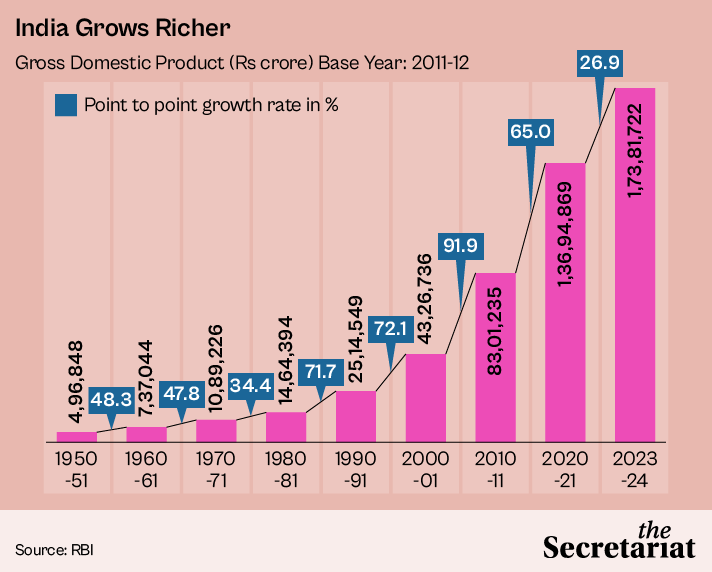
India has actually grown fairly well since its economic liberalization, but it hasn't become as rich as China due to the significant difference in the average intelligence of the population.
Dear friends, as promised, the citizens funded generics vs. branded drugs project is now published after 4 months in peer review. It was hardwork, but worth the effort because all of you helped us realize this important work.
You can read the full detaild paper here: https://t.co/jZhm8ZcPCq
Here is a simplified summary:
Do cheaper generic medicines work as well as expensive branded ones? It's a question that worries patients and even many doctors, who often quietly assume that a low price must mean lower quality. This doubt has real consequences in India, where medicines make up nearly two-thirds of what families spend out of their own pockets on healthcare — a burden that pushes millions into poverty and forces people to split doses or stop treatment altogether.
To put the question to a fair, independent test, our team at the Mission for Ethics and Science in Healthcare (MESH) carried out a fully citizen-funded study, paid for entirely by donations from ordinary members of the public, with no money or influence from any drug company.
We bought 131 samples of 22 commonly used medicines — covering heart disease, diabetes, infections, pain, acidity, and more — from seven different kinds of outlets across Kerala, including government stores like Jan Aushadhi, private generic chains, and premium branded pharmacies. Every sample was then coded, blinded, and sent to a top accredited laboratory for rigorous testing against the Indian Pharmacopoeia 2022 standards. What makes this study unusual is that very few before it have tested branded and generic versions from the same market side by side, included government-supplied medicines, and combined strict quality testing with a hard look at price — all at the same time.
The result was striking in its simplicity: every single one of the 131 medicines passed every quality test. 100%. It made no difference whether a pill was generic or branded, cheap or expensive — they were all equally good in their active ingredient content, their purity, and how they dissolve in the body.
Yet the prices told a completely different story. Generic medicines were, on average, 48.6% cheaper than their branded twins, and the most expensive brand cost up to 13.9 times more than the cheapest generic of the very same drug. Government Jan Aushadhi stores were the cheapest source for 18 of the 22 medicines tested, with potential savings running into thousands of rupees a year per medicine — for instance, over ₹16,000 a year on a single liver drug.
For doctors, this is reassuring, hard evidence that prescribing a quality-assured generic is not a compromise on care; it is the same medicine at a fraction of the cost. For patients, it means you can stay on your treatment without it draining your savings, which is exactly what keeps people healthier over the long run.
And this is precisely why independent, publicly funded projects like this matter so much for the future of healthcare in India: they answer the questions ordinary people actually have, free from commercial pressure, and they build the trust that programmes like Jan Aushadhi need to truly succeed. Affordable and high-quality are not opposites — in a well-regulated market, they go hand in hand.
More here: https://t.co/jZhm8ZcPCq
@ArjunM1412 Having lived in Guangzhou for 4 years in 2010, we are not even at that stage today. But we should not compare. There is no right or wrong way a city needs to be. Humans are stupid.
Let's figure out this phone thing — what it's doing to us, and our kids.
But let's do it by focusing on research rather than intuitions. I just reviewed the latest evidence, and it leads to some pretty interesting (and unexpected) places.
https://t.co/q3KNdVBgNs
In country after country the birth rate plunged after the introduction of smartphones, no matter what the previous trend was. The younger the age group, the more pronounced the downturn — a mirror image of smartphone usage patterns.
Melissa Kearney, professor of economics at the University of Notre Dame, says it is “quite plausible that the modern digital media environment has had profound effects on society that have led to a decline in romantic coupling”.
Indeed, Hudson and Moscoso-Boedo’s thesis that the key factor is less time spent socialising in person is supported by evidence from dozens of countries. In South Korea young adult in-person socialising has halved in 20 years.
With all the ongoing challenges probably ending, the bigger picture is clear: Adani’s relentless execution.
Last 3-6 months alone: Navi Mumbai Airport operational since Dec 2025, record 5.1 GW renewable capacity added (global high ex-China), and 464 km of Ganga Expressway delivered in record 3+ years.
This is infra leadership India needs.
https://t.co/96DC2YGjyp
Almost 5,000 people waited for hours in the rain at a swabbing event in Worcester, to get tested to see if they were a match to help save the life of a five-year-old boy fighting a rare cancer, after his parents asked for help
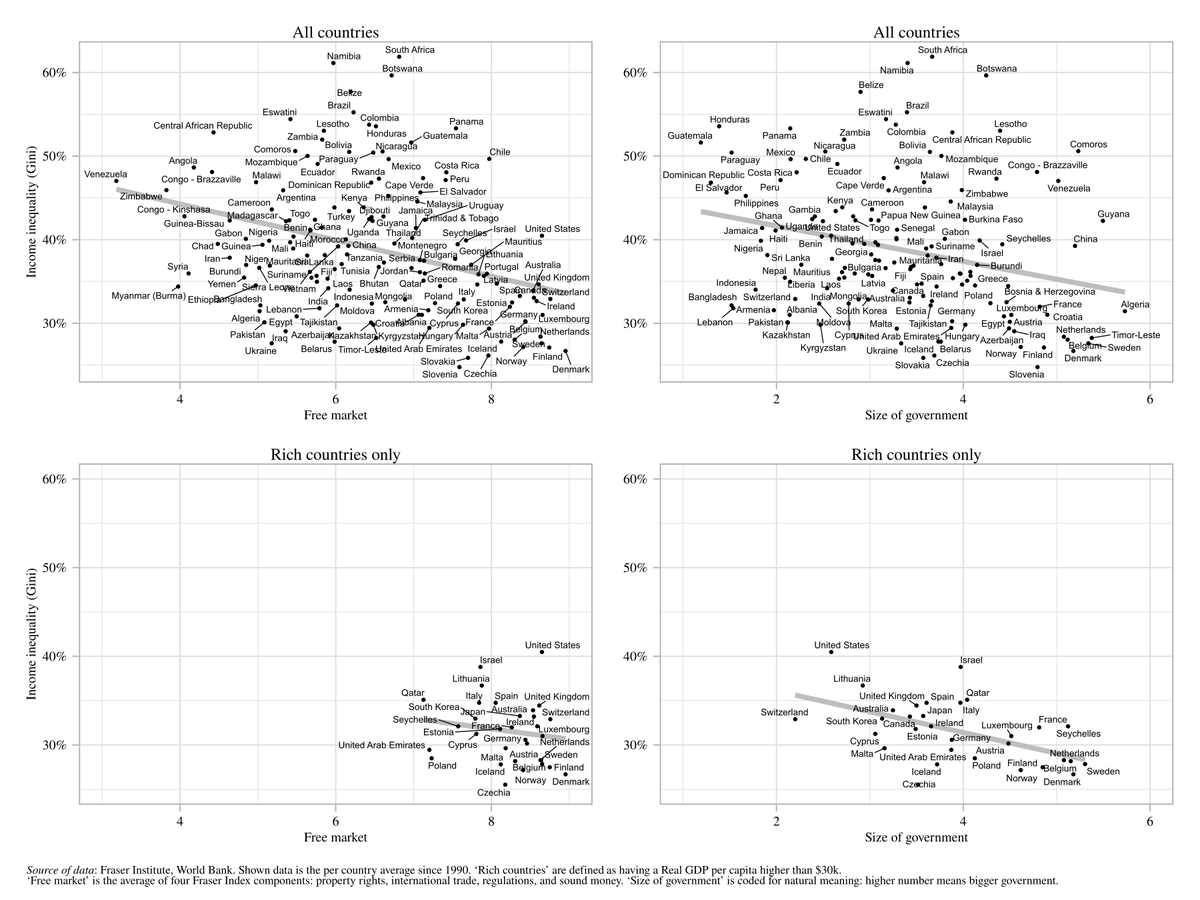
More capitalist countries have lower income inequality, not higher. High income inequality is caused by cronyism which goes hand in hand with highly regulated markets. Welfare states also lower inequality, but you need free markets wealth to have generous welfare states.
Good morning.
-Gentle reminder that chiropractors are not doctors, but quacks and frauds of the first order (see quoted post).
-DO NOT LET THEM TOUCH any part of your body, especially your neck.
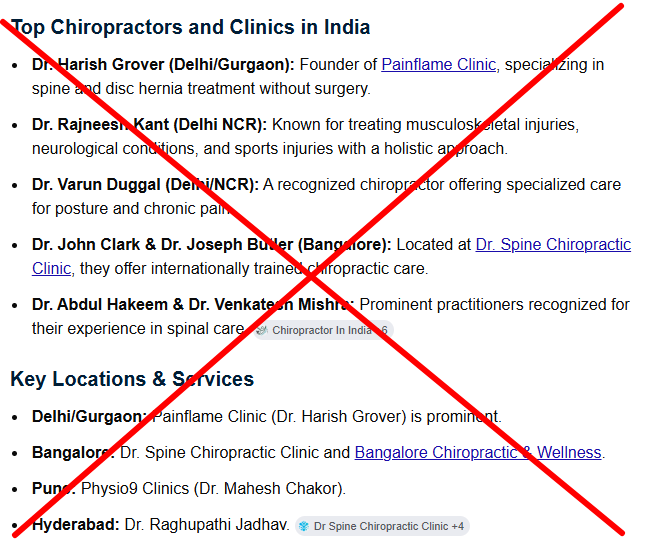
-Here is a short list of Instagram-famous (they usually select victims through social media promotion) chiropractors you need to stay away from.
-Chiropractors are NOT regulated or recognized as healthcare professionals by the Indian Government.
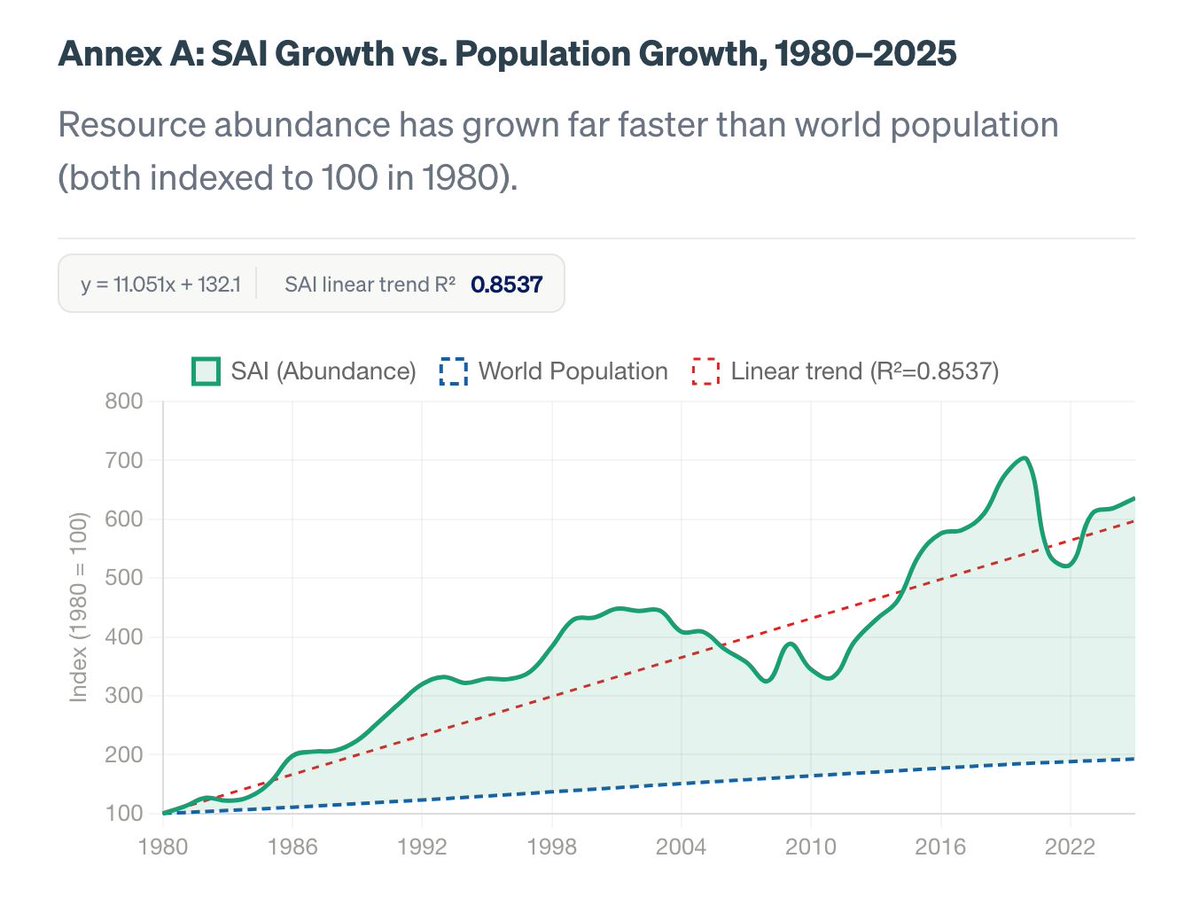
Data suggest that additional human beings do not impoverish the rest of humanity.
In fact, population growth is correlated with increasing resource abundance.