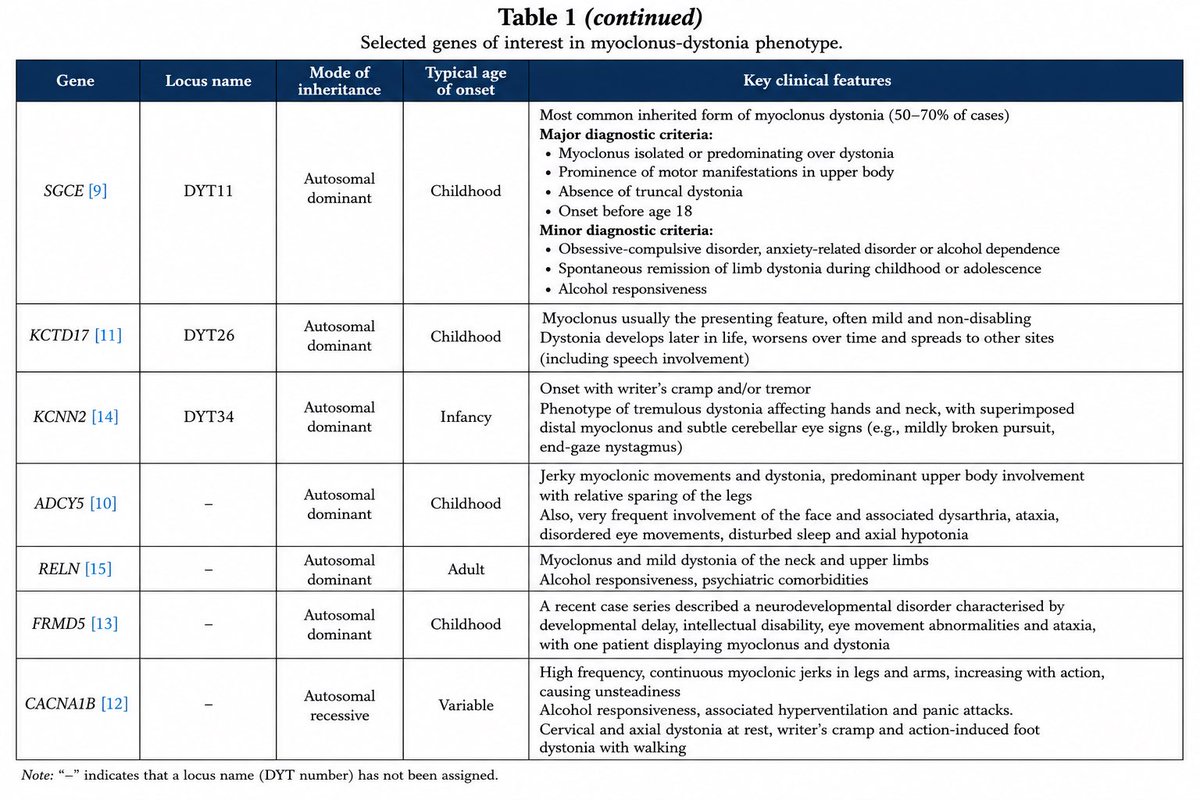
Clinical Spectrum of Anti-SEZ6L2 Syndrome: A Case Report With Brain Volumetry and Systematic Literature Review https://t.co/tiRBXRVt4W
#MovementDisorders#MRI
This study provides Class II evidence that a TRUE-MOGAD score of 2 or more accurately predicts #MOGAD in patients with MOG-IgG titers of 1:20 or higher using the assay described: https://t.co/Td3uJ7afaE
Can genetics and brain pathology finally explain why Parkinson's is not one disease? Pathology refers to what is actually happening in the brain under the microscope. Co-pathology means more than one disease process occurring in the same brain at the same time. Wu and colleagues describe in a new paper in JAMA Neurology one of the largest global brain bank studies ever assembled, combining genetics, pathology, and clinical data from more than 3,300 individuals with Parkinson's disease and related disorders.
Key points:
- Clinical misdiagnosis remained common, occurring in approximately 10-20% of movement disorder cases even in expert centers.
- Alzheimer’s disease co-pathology was present in 40% of Lewy body disease cases, highlighting that dementia in Parkinson's is frequently driven by multiple disease processes.
- GBA1 carriers had more extensive Lewy body pathology, while LRRK2 carriers showed less Lewy pathology and longer survival, revealing important biological differences between genetic forms of Parkinson's disease.
My take: This study reinforces a message that neuropathologists have been teaching us for decades. Dementia, Parkinson's disease, Lewy body disease, PSP, MSA, and corticobasal syndromes are frequently not clean diagnostic boxes. The brains tell a more complicated story. What struck me most was that 40% of Lewy body disease cases also harbored significant Alzheimer pathology. The future of precision medicine will require us to move beyond labels and toward defining the biology actually occurring in each individual brain. Studies like this help explain why some therapies succeed, why others fail, and why two folks carrying the same diagnosis may experience very different journeys.
Here are 5 points that resonated w/ me:
1- Parkinson's disease is frequently accompanied by other brain pathologies, especially Alzheimer-related changes.
2- Clinical diagnosis remains imperfect, emphasizing the urgent need for better biomarkers during life.
3- Genetics matters. GBA1 and LRRK2 Parkinson's disease may represent biologically distinct forms of the disorder.
4- Dementia in Parkinson's disease is frequently linked to a greater burden of Lewy body and Alzheimer pathology.
5- The future of therapeutic trials will likely require matching treatments to biology, pathology, and genetics rather than relying solely on clinical diagnosis.
https://t.co/Qp1yusdrDh #parkinson
A few days ago, together with more than 160 researchers, we experienced a day full of the most innovative Alzheimer’s research at the symposium “Rising Talent for a World without Alzheimer’s”, by #HUBAlzheimerBarcelona.
Don’t miss the video recap📽️👇https://t.co/pA0Qvbijin
The Genetic and Environmental Architecture of the Human Functional Connectome.https://t.co/DzD8PM441j Work led by @tanuraghav25 It explicitly accounts for measurement error to disentangle additive/dominant genetics as well as common/unique environment. #CONNplexityLab
Scientists visualize hidden networks of astrocytes that crisscross the brain. The networks communicate through gap junctions. @nyuniversity https://t.co/vcrLvQ4EFC
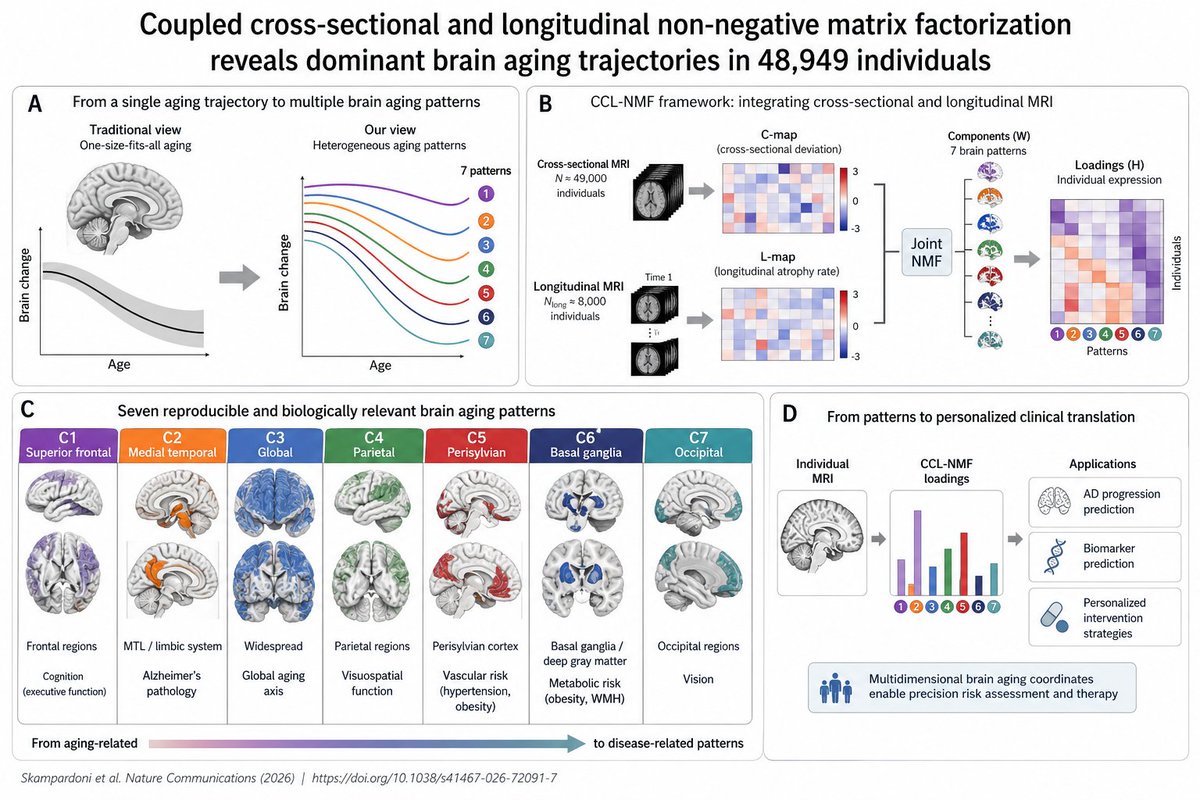
Brain aging is not a single trajectory. A Nature Communications (2026) study of ~49,000 individuals shows that brain aging can be decomposed into seven reproducible, co-existing atrophy patterns, rather than a uniform linear decline.
The key advance is CCL-NMF (Coupled Cross-sectional and Longitudinal Non-negative Matrix Factorization), which integrates cross-sectional MRI (population-level deviation) with longitudinal MRI (individual atrophy rates). This enables dynamic, individualized modeling of neurodegeneration, capturing both state and progression.
Importantly, individuals are not assigned to discrete subtypes. Instead, each person expresses a continuous mixture of multiple aging components, reflecting overlapping biological processes. The identified patterns show distinct clinical associations:
• Medial temporal pattern → strongly linked to Alzheimer’s pathology (amyloid, tau, APOE4, cognitive decline)
• Perisylvian and basal ganglia patterns → associated with vascular and metabolic risk (hypertension, obesity, WMH)
• Global pattern → likely reflects general aging rather than disease-specific mechanisms
A major insight is that incorporating longitudinal data improves predictive power. CCL-NMF outperforms cross-sectional and deep learning models in predicting biomarkers and disease progression, highlighting the importance of temporal dynamics in brain aging.
Conceptually, this shifts the field from “subtypes” or a single aging curve to a multi-dimensional aging coordinate system, where individuals occupy positions defined by multiple interacting processes (neurodegeneration, vascular injury, metabolism).
This framework provides a foundation for precision neurology, enabling individualized risk profiling and targeted intervention based on dominant aging axes.
📌 Reference
Skampardoni et al.
Coupled cross-sectional and longitudinal non-negative matrix factorization reveals dominant brain aging trajectories in 48,949 individuals
Nature Communications (2026)
https://t.co/8zbL5yDr4G
In patients with #HuntingtonDisease, vesicular monoamine transporter 2 inhibitors (VMAT2is) treatment improved chorea without significant changes in adverse effects or depressive symptoms: https://t.co/NdzRnjvvCI
#NeuroTwitter
#JNeurosci: Lech et al. identified neuroligin-2 as a critical regulator of inhibitory synaptic plasticity in CA1 pyramidal neurons. Their findings provide a framework for understanding how impaired inhibitory plasticity may contribute to disease. https://t.co/1gEDLEBeID
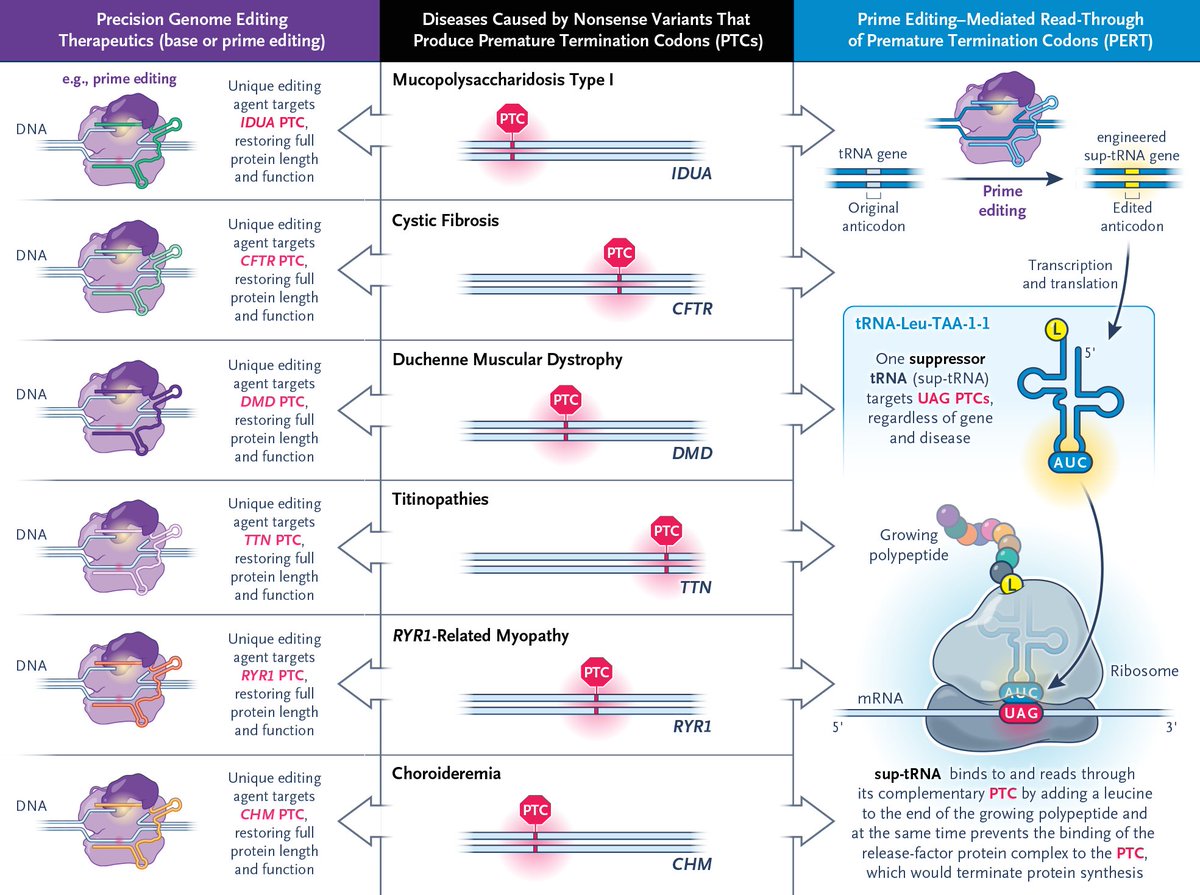
A recent study provides proof of principle that a single genetic edit can overcome the effect of nonsense variants in different genes, akin to a one-size-fits-many model.
Learn more in the Clinical Implications of Basic Research article “Editing tRNA Genes to Broaden Nonsense Therapeutics” by John D. Lueck, PhD (@littlelueck), from the University of Rochester School of Medicine and Dentistry (@URochester_SMD): https://t.co/FiBIN9jn57
This study found that impaired kidney function was linked to increased plasma cerebral amyloidosis biomarkers, but ratio-based measures showed stable sensitivity and specificity for detecting cerebral amyloidosis across all eGFR groups: https://t.co/HkBiasWdma
#NeuroTwitter
Sign up for the 2026 Dystonia Think Tank to access cutting-edge updates in dystonia research. This event defines where the field is moving next and offers a comprehensive look at emerging data and clinical trends.
Sign up today: https://t.co/jp1Ww85RLL
Benign paroxysmal positional vertigo (BPPV) is an inner ear disorder that causes brief episodes of vertigo.
This JAMA Patient Page describes common symptoms and causes of benign paroxysmal positional vertigo, risk factors, and diagnosis and treatment.
https://t.co/3sNVx20sij
This narrative review provides a visually driven, clinically grounded roadmap that links dopaminergic neurochemistry and pathway anatomy to in vivo molecular imaging, with a specific focus on education and bedside application: https://t.co/r43jLR5D64
Greater adherence to the #DASH diet, plant-based dietary patterns, or diets with lower hyperinsulinemia and inflammation was associated with lower risk of subjective cognitive decline and better cognitive function in adults. https://t.co/dzoOkPyUqI
New data on adaptive DBS just dropped: A smarter way to treat Parkinson’s disease? Adaptive means the system can adjust stimulation in real time based on brain signals rather than by delivering constant stimulation. The investigators describe in a new abstract presented this week at the American Academy of Neurology Annual Meeting how adaptive deep brain stimulation is being applied to Parkinson’s disease and how it may improve symptom control.
Key points:
- Adaptive DBS used real time brain signals to adjust stimulation dynamically rather than continuously. There were 68 folks enrolled.
- This approach showed improved control of motor symptoms including fluctuations and dyskinesia.
- The system reduced unnecessary stimulation, suggesting potential for fewer side effects and improved efficiency. They reported 98% opted for an adaptive approach.
My take: This is important data for the field as we move toward precision neuromodulation. DBS has been life changing for many folks, however it has largely been delivered in an open loop fashion. Moving to adaptive systems means we can listen to the brain and responding in real time.
Here are 5 points that resonated w/ me from the AAN abstract:
1- DBS may be shifting from constant stimulation to responsive and personalized therapy.
2- Brain signals such as beta activity may serve as useful biomarkers to guide treatment.
3- Reducing excess stimulation could lower side effects and extend device longevity.
4- Adaptive systems may better handle fluctuations that occur throughout the day.
5- The future of Parkinson’s care may include fully closed loop systems that will integrate brain signals, symptoms and behavior and do it in real time.
https://t.co/ozjAkyyRDn #parkinson #deepbrainstimulation @AANmember