cofounder, caestro, prev:training LLMs @rimelabs
the future is willed into existence.
care about discovering new science, industrial policy, local politics.
This is amazing. Ever since I heard @balajis talk about the pseudonymous economy, I've been thinking about how to make it easier to start a YouTube channel with total privacy.
Recent advances in deepfakes, AR and CV will make this as easy as a click.
You won't need a 30k suit
This is Miko. She's a virtual streamer who is controlled by a real-life woman known only as The Technician.
The Technician uses the Unreal Engine and a $30,000 motion-capture suit to create Miko.
Thread 👇
@EricDLombardi@RobynUrback 100 percent! There’s also lack of sophistication that frustrates me. The decline is steady and pervasive. There’s no single solution to solving all these problems except deep technical reforms. Housing is #1
Every organization will need a Company SDK.
Each company expresses itself uniquely through its own primitives.
Until you capture them you are not AI native.
More on our belief below 👇
Every organization will need a Company SDK.
Each company expresses itself uniquely through its own primitives.
Until you capture them you are not AI native.
More on our belief below 👇
Carney's message to global leaders is: "Together, we middle countries have power."
His message to global investors is: "Canada is a great place to invest your money."
His message to Canadian business leaders is: "Let's get building."
But what is his message to "everyday" Canadians?
While I am glad to see all of these actions, and I do believe they will benefit people long-term, I don't think it's enough. People need to feel like their government is working directly for them.
I am particularly worried about this as we have seen the fall of moderate parties around the world, as they have failed to deliver outcomes for the middle-class. This has led to the rise in the populist right and, as I predict we will increasingly see, the populist left.
While Canada has managed to buck the trend, I would not take it for granted.
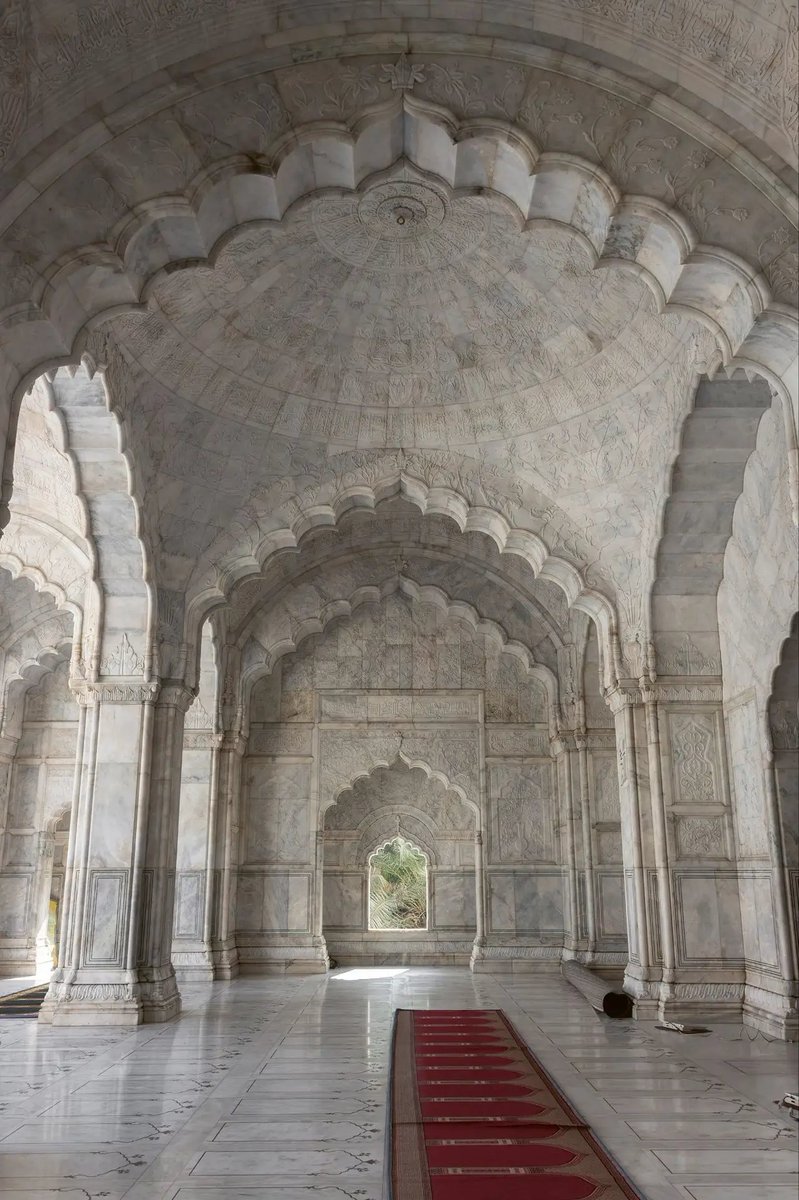
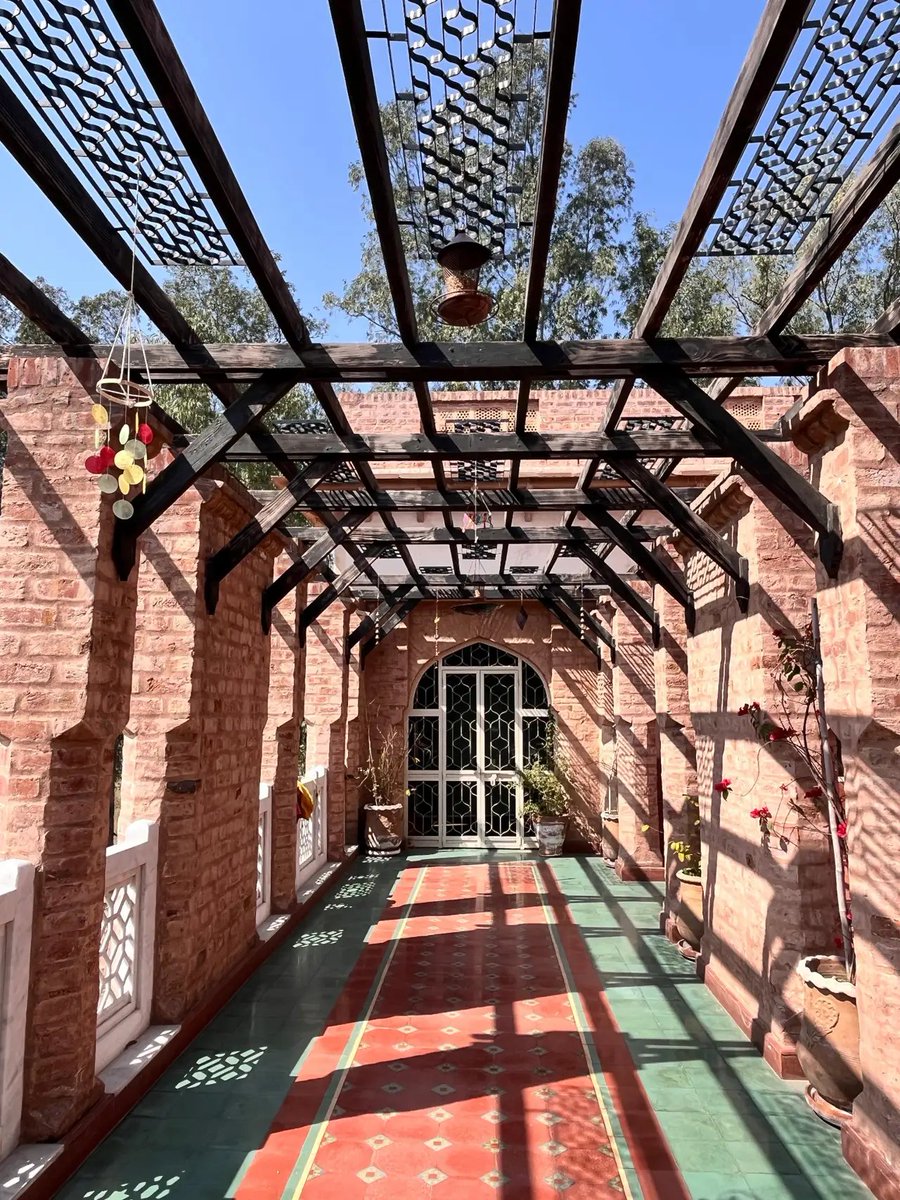
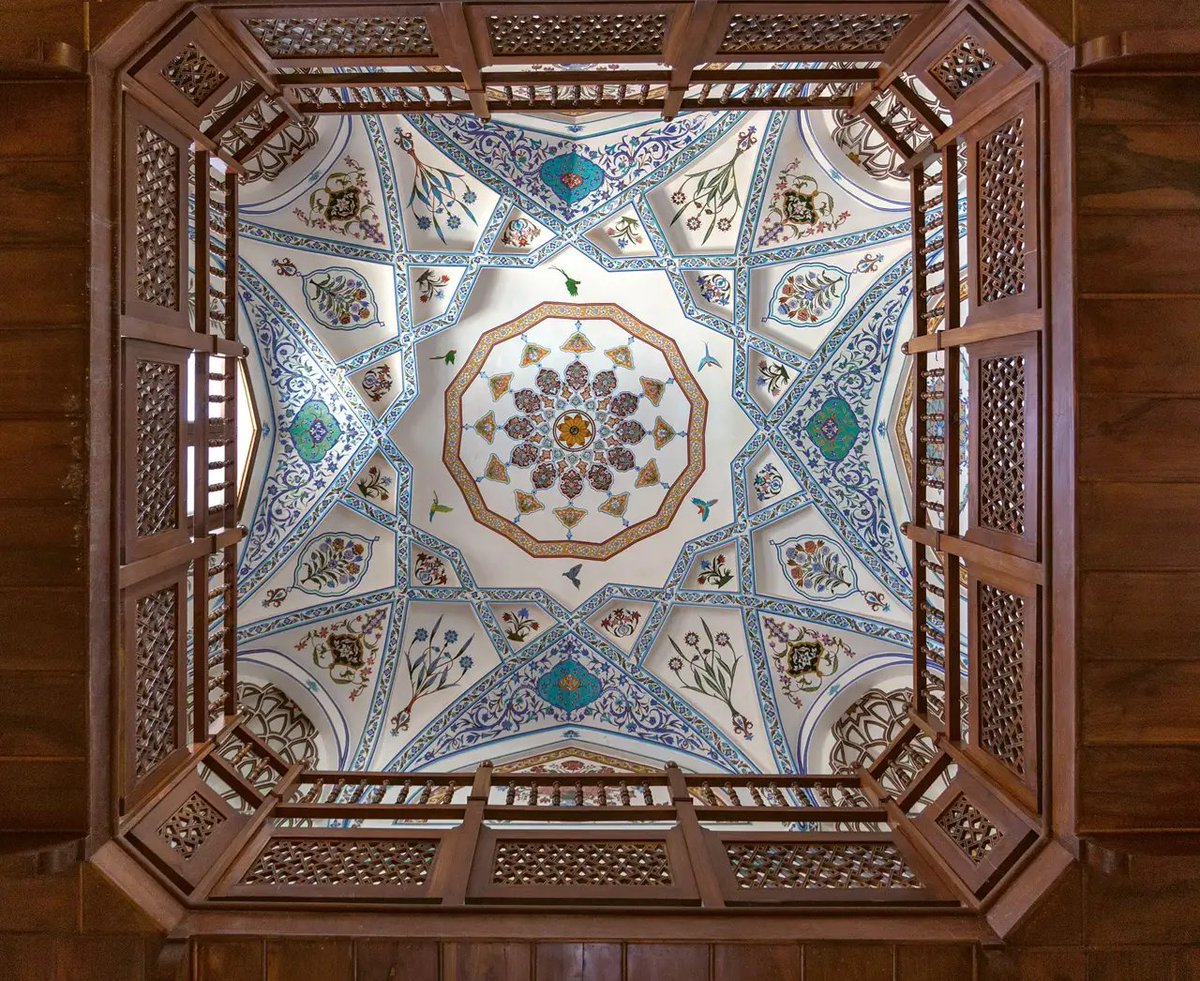
Buildings by the contemporary Pakistani architect Kamil Khan Mumtaz. When my colleague Ben first sent me some grainy pictures of Mumutaz’s work five years ago, I wondered if he might be the best architect in the world. But I couldn’t find any other images of his work.
https://t.co/8RkAdoyDWn
Then last year, I met Mumtaz’s assistant Sohaib Ahmed at a conference. I implored Sohaib to send us more pictures, and with Mutmaz’s support, he prepared a portfolio. Very few of these images have ever been seen before outside Pakistan.
Mumtaz was educated at the Architectural Association in London in the 1960s. After returning to Pakistan, he initially worked as a modernist, though one with a special interest in local context. But he was haunted by a ‘growing, nagging fear that I wasn’t communicating with my audience’. In 1980, he adopted a radically different approach, working to revive Pakistan’s own architectural traditions. He has continued ever since, and in Pakistan his work has been received with warmth and admiration.
Traditional architecture often suffers from shortages of skilled craftspeople. This is also a problem in Pakistan, but less so, because later industrialisation meant that the last premodern traditions were still persisting when Mumtaz started work. ‘Immediately, [I came] into contact with very small remnants of these families, hereditary craftsmen’, Mumtaz remembered in an interview with the historian Chris Moffat.
Mumtaz’s practice has both drawn on these traditions and supported their development, so that it now features a standard of craftsmanship that virtually no Western work today can match.
We are proud that Mumtaz has allowed Works in Progress to showcase his work.
not enough people have internalized that the bitter lesson applies to the application layer too. over the long run, agent harnesses with general primitives (memory, search, learning, capital) will massively outperform "agent for X"
capital is probably the most powerful and least explored primitive