1/ 🔴 DotCSV – Carlos Santana | @DotCSV
El canal de IA en español más respetado de España.
Carlos explica machine learning, redes neuronales y los últimos modelos (GPT, Gemini, Claude) con un rigor y una claridad increíbles.
Si solo sigues un canal, que sea este.
👉 https://t.co/DZVanzwGVz
18 canales de YouTube en español para aprender la Inteligencia Artificial desde cero hasta nivel avanzado.
Gratis. En tu idioma. Sin excusas.
↓ Hilo completo (guárdalo, lo vas a necesitar) ↓
🚨 Anthropic just showed a 27-minute workshop on how to actually do prompts for Claude.
Taught by the people who built it.
Free. No registration. No paywall.
I've seen $300 courses that don't cover what they teach in the first 8 minutes.
Watch it and Bookmark it now
PhD Students - Do you want to learn how to do research?
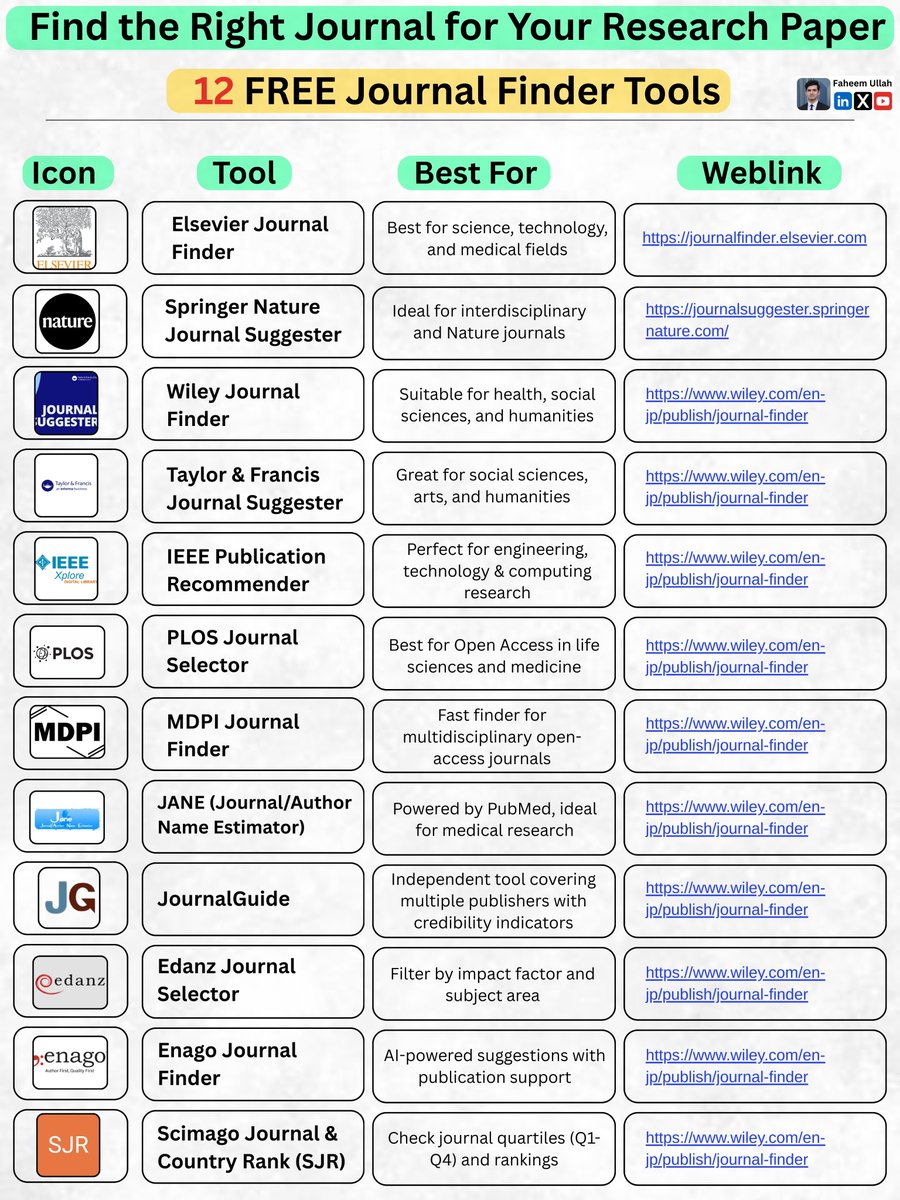
If yes, check out these free resources.
𝐄𝐥𝐬𝐞𝐯𝐢𝐞𝐫 𝐑𝐞𝐬𝐞𝐚𝐫𝐜𝐡𝐞𝐫 𝐀𝐜𝐚𝐝𝐞𝐦𝐲 offers free resources.
Here are 10 of my favorite resources.
𝟏. 𝐇𝐨𝐰 𝐭𝐨 𝐰𝐫𝐢𝐭𝐞 𝐚 𝐥𝐢𝐭𝐞𝐫𝐚𝐭𝐮𝐫𝐞 𝐫𝐞𝐯𝐢𝐞𝐰 (𝟔𝟎 𝐦𝐢𝐧 𝐯𝐢𝐝𝐞𝐨)
You will learn
- What reviewers look for in a literature review?
- How to conceptualize and write a review?
- Common myths about literature reviews.
Link: https://t.co/CkiiL5ESfd
𝟐. 𝐇𝐨𝐰 𝐭𝐨 𝐢𝐝𝐞𝐧𝐭𝐢𝐟𝐲 𝐫𝐞𝐬𝐞𝐚𝐫𝐜𝐡 𝐠𝐚𝐩𝐬 (𝟏𝟐 𝐦𝐢𝐧 𝐯𝐢𝐝𝐞𝐨)
You will learn
- What is research gap?
- Steps for identifying research gap.
- Tools for identifying research gap.
Link: https://t.co/Te1qAiJMVw
𝟑. 𝐇𝐨𝐰 𝐭𝐨 𝐜𝐨𝐧𝐝𝐮𝐜𝐭 𝐞𝐯𝐢𝐝𝐞𝐧𝐜𝐞-𝐛𝐚𝐬𝐞𝐝 𝐫𝐞𝐬𝐞𝐚𝐫𝐜𝐡 (𝟑𝟖 𝐦𝐢𝐧 𝐯𝐢𝐝𝐞𝐨)
You will learn
- What is evidence-based research?
- Stepwise approach for conducting evidence-based research.
- How to enhance reliability of your research?
Link: https://t.co/86CplBZ9Wl
𝟒. 𝐇𝐨𝐰 𝐭𝐨 𝐟𝐢𝐧𝐝 𝐫𝐞𝐥𝐞𝐯𝐚𝐧𝐭 𝐫𝐞𝐬𝐞𝐚𝐫𝐜𝐡 𝐩𝐚𝐩𝐞𝐫𝐬? (𝟏𝟓 𝐦𝐢𝐧 𝐯𝐢𝐝𝐞𝐨)
You will learn
- How to conduct basic search?
- Save searches and set up alerts.
- How to download and export searches?
Link: https://t.co/qXlf6WmZVH
𝟓. 𝐇𝐨𝐰 𝐭𝐨 𝐰𝐫𝐢𝐭𝐞 𝐚𝐧 𝐚𝐛𝐬𝐭𝐫𝐚𝐜𝐭 (𝟒𝟎 𝐦𝐢𝐧 𝐯𝐢𝐝𝐞𝐨)
You will learn
- Why a good abstract is important?
- What is ideal length of abstract?
- What to include in the abstract?
Link: https://t.co/OMbt2FfOB5
𝟔. 𝐇𝐨𝐰 𝐭𝐨 𝐬𝐞𝐜𝐮𝐫𝐞 𝐟𝐮𝐧𝐝𝐢𝐧𝐠? (𝟔𝟎 𝐦𝐢𝐧 𝐯𝐢𝐝𝐞𝐨)
You will learn
- How to write grant application?
- What funders look for in grant applications?
- Tips for winning grants.
Link: https://t.co/MUINtewi4x
𝟕. 𝐇𝐨𝐰 𝐭𝐨 𝐮𝐬𝐞 𝐆𝐞𝐧 𝐀𝐈 𝐢𝐧 𝐫𝐞𝐬𝐞𝐚𝐫𝐜𝐡 (𝟓𝟑 𝐦𝐢𝐧 𝐯𝐢𝐝𝐞𝐨)
You will learn
- How has Gen AI impacted research?
- How to use Scopus AI search tool?
- Future of Gen AI in research
Link: https://t.co/TL0v4XKFy3
𝟖. 𝐀𝐮𝐭𝐡𝐨𝐫 𝐩𝐨𝐥𝐢𝐜𝐢𝐞𝐬 𝐨𝐧 𝐭𝐡𝐞 𝐮𝐬𝐞 𝐨𝐟 𝐆𝐞𝐧𝐞𝐫𝐚𝐭𝐞 𝐀𝐈 (𝟏𝟏 𝐦𝐢𝐧 𝐯𝐢𝐝𝐞𝐨)
You will learn
- Ethical cases related to Generative AI
- Opportunities offered by Generative AI
- Risks posed by Generative AI
Link: https://t.co/LpkmjruyhB
𝟗. 𝐇𝐨𝐰 𝐭𝐨 𝐰𝐫𝐢𝐭𝐞 𝐜𝐨𝐯𝐞𝐫 𝐥𝐞𝐭𝐭𝐞𝐫 𝐟𝐨𝐫 𝐲𝐨𝐮𝐫 𝐦𝐚𝐧𝐮𝐬𝐜𝐫𝐢𝐩𝐭 (𝟖 𝐦𝐢𝐧 𝐯𝐢𝐝𝐞𝐨)
You will learn
- Importance of a good cover letter
- How to write strong cover letter?
- What to include in the cover letter?
Link: https://t.co/WES7MXbfM4
𝟏𝟎. 𝐇𝐨𝐰 𝐭𝐨 𝐫𝐞𝐬𝐩𝐨𝐧𝐝 𝐭𝐨 𝐫𝐞𝐯𝐢𝐞𝐰𝐞𝐫𝐬’ 𝐜𝐨𝐦𝐦𝐞𝐧𝐭𝐬? (𝟑𝟕 𝐦𝐢𝐧 𝐯𝐢𝐝𝐞𝐨)
You will learn
- Understanding reviewers’ comments
- How to write response to each comment?
- How to increase your chances of paper acceptance?
Link: https://t.co/HD8GRUBgvT
"Forget the sex drive, the death drive, the biological imperative to survive and reproduce. According to the philosopher and novelist Goldstein, what really sets humans apart from other species is our desire to matter. Drawing on thinkers from Descartes and Wittgenstein to William James, “The Mattering Instinct” makes a provocative case that an instinctual belief that we are deserving of attention, from ourselves and others, motivates our behavior — for good and, sometimes, ill." https://t.co/5ZG0A4reLu
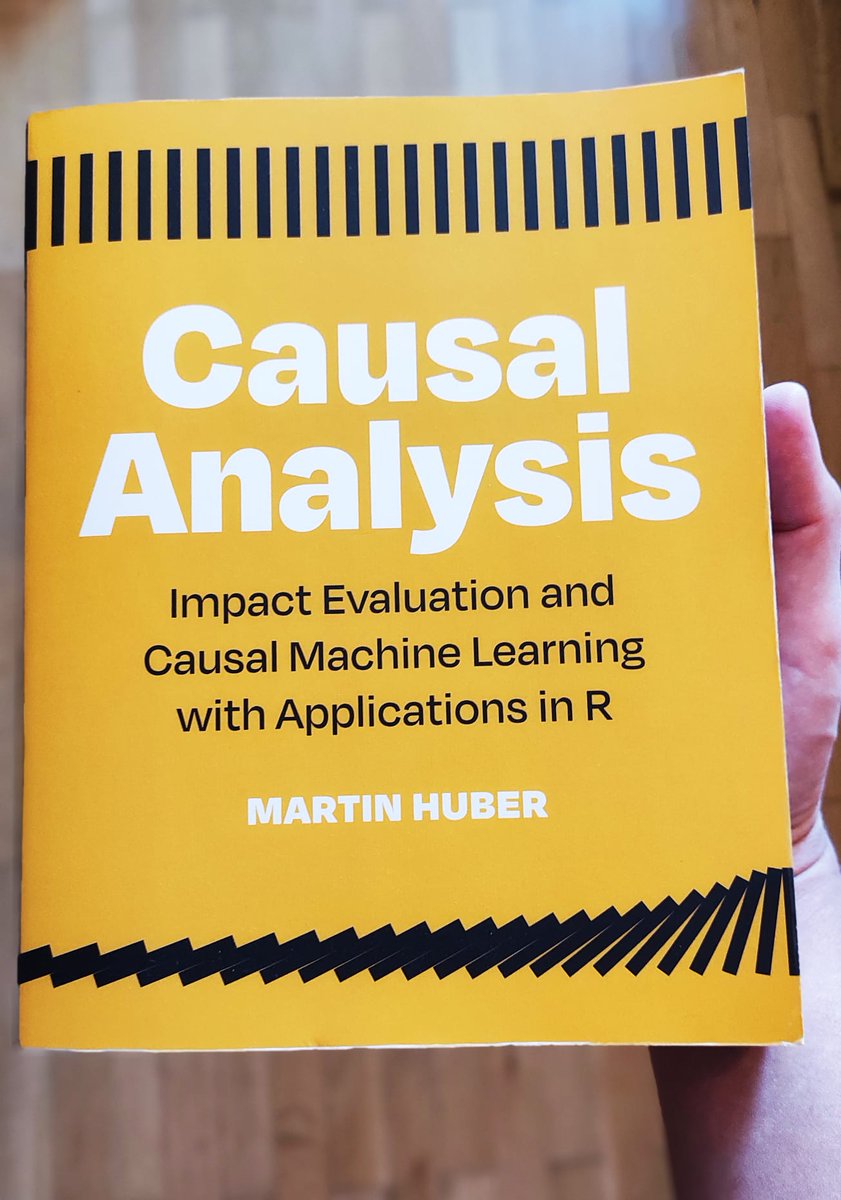
📚 In summer 2023, my book Causal Analysis was published with @mitpress. Just two years later😉 I’m very happy to share that the lecture slides are now freely available in both PDF and LaTeX (as zip files), along with the datasets and R/Python code:
👉 https://t.co/VfahR3aqVR
🚨 New Paper and Public Good🚨
"The Global Macro Database: A New International Macroeconomic Dataset", joint with @chenzix, Mohammed Lehbib, and Ziliang Chen.
We built the most comprehensive macro database ever—covering 243 countries from 1086-today, integrating 110 sources. 🧵
📢 OFERTA DE TRABAJO| ¿Estás interesad@ en cómo los sentimientos de abandono afectan al comportamiento electoral? El proyecto "FORGOTTEN" de la USAL busca investigador@s para realizar un doctorado con financiación de 4 años 👇
🤖 ¿Qué tareas hago YA con Inteligencia Artificial?
Dos años después de ChatGPT, la promesa es enorme y los avances se suceden. Pero, ¿estamos usando la IA generativa pasada la curiosidad?
Creo que sí.
Aquí ocho usos que realmente me ayudan👇
Navego por Internet a diario...
Aquí tienes 20 sitios web increíblemente útiles que probablemente no sabías que existían.
Créeme, querrás marcarlas como favoritas... 🔖
NEW📚 Our *free* #openaccess book Measuring Exposure and Attention to Media and Communication: Solutions to Wicked Problems is out🚀
A privilege to work w/ @PeterNeijens, @judith_moeller & @theoaraujo on this.
📢Share the joyful msg on this sad platform
https://t.co/VTvXiDXCzp
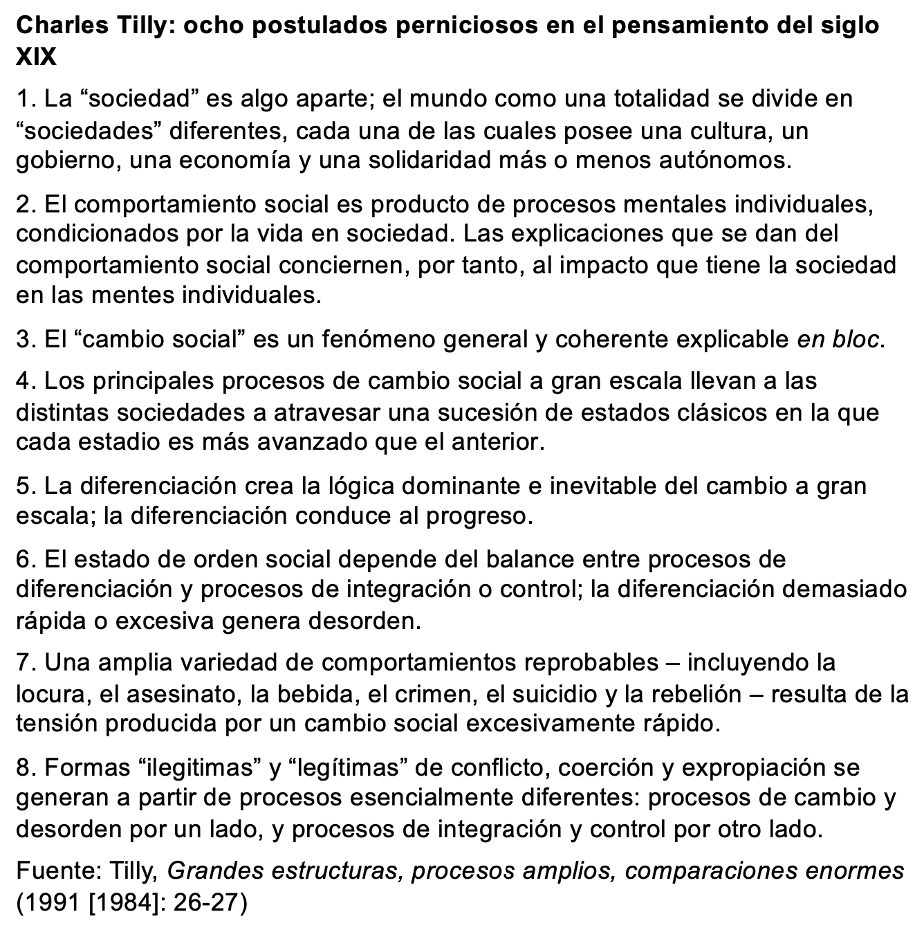
Estoy pensando en cómo estudiar grandes estructuras desde una perspectiva histórica. Y para ello encuentro útil repasar la advertencia de Charles Tilly sobre los ocho “postulados perniciosos” del siglo XIX, ideas que todavía se usan en las ciencias sociales actuales.👇
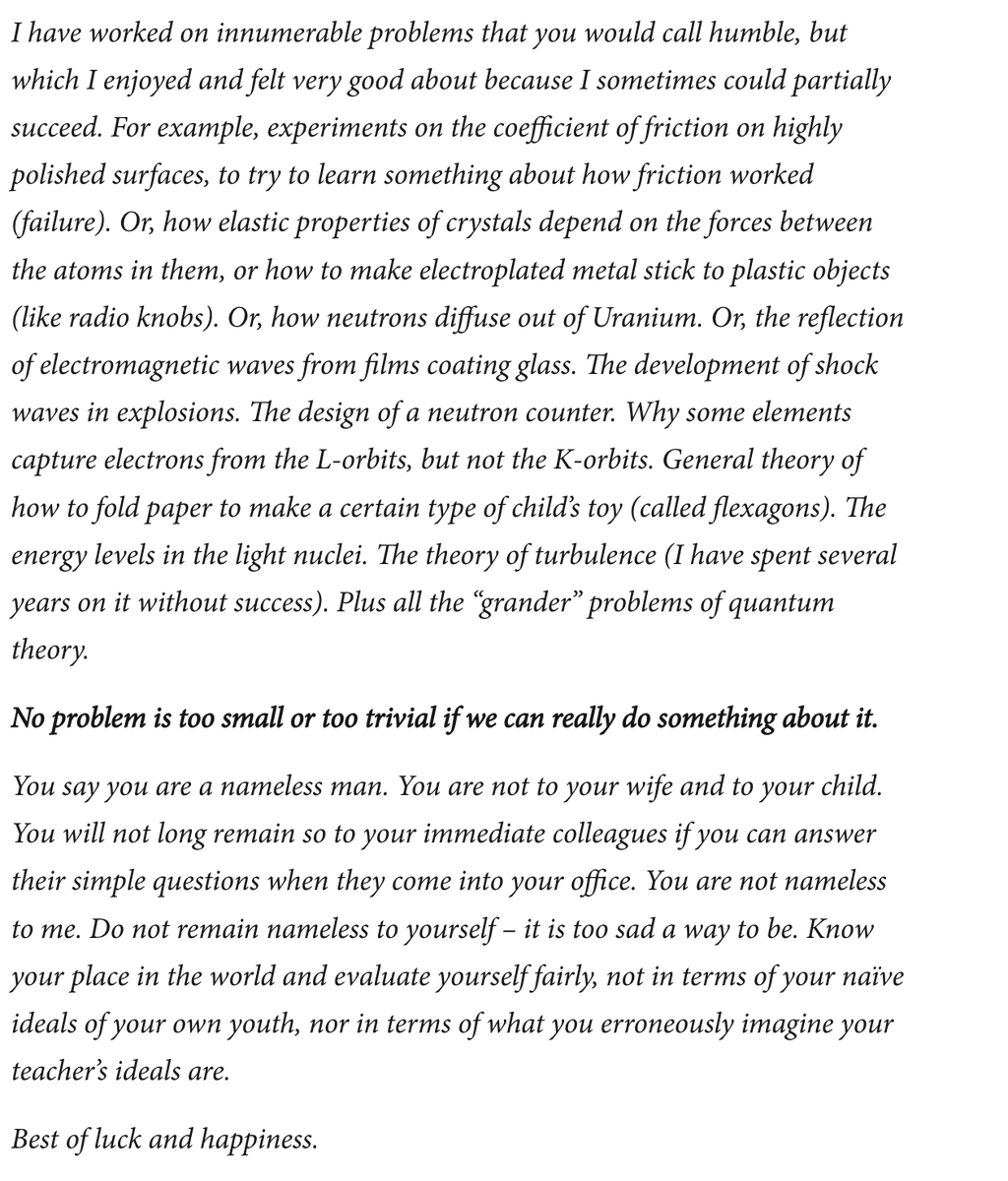
One of my favourite letters, insightful & humane, from Richard Feynman to a former student who was having a rough time
I was reflecting on it as an argument in favour of scope insensitivity, or even in favour of smaller problems:
¡Volvieron las #certificaciones gratuitas Oracle! Ahora recargadas con lo último en #InteligenciaArtificial. Conoce el nuevo curso #OCI#AI Foundations🧑🎓y +25 programas disponibles para todos los niveles. #Gratis hasta el 15 de diciembre. Regístrate https://t.co/JUlWy3fhH6
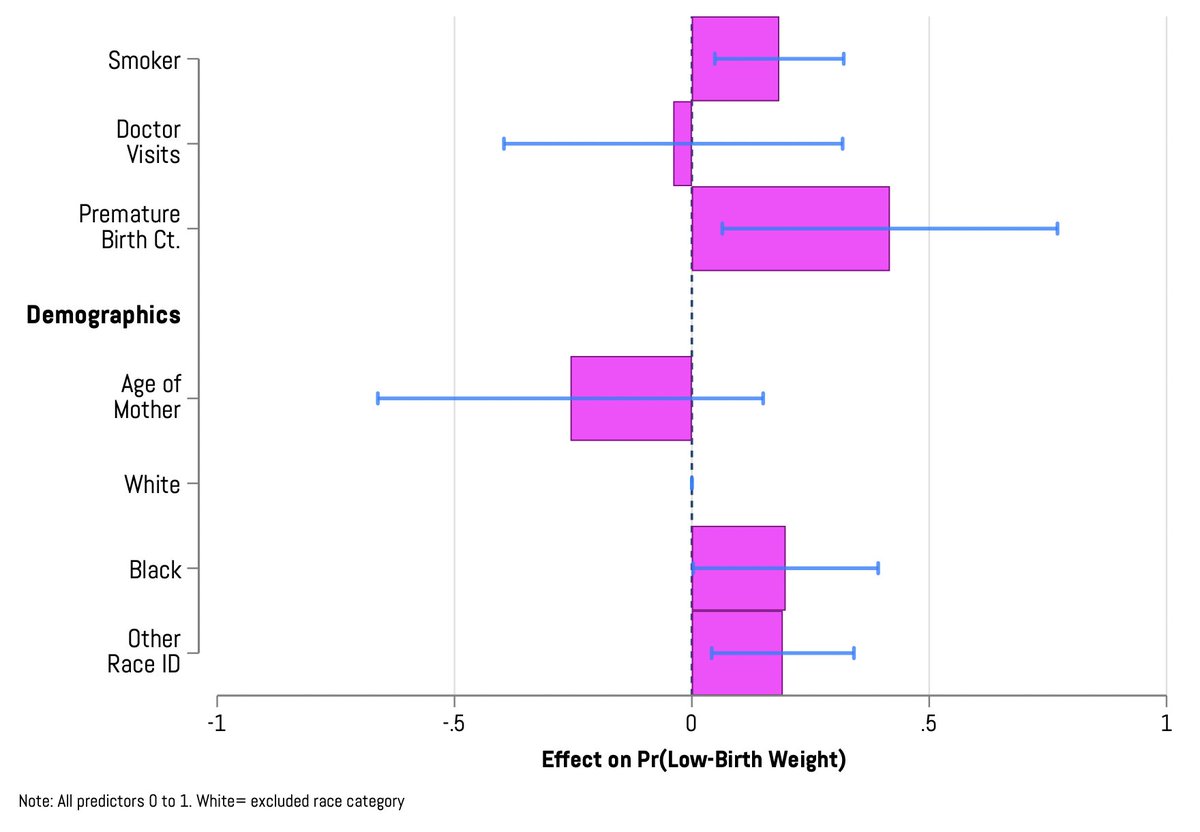
Want to use @Stata to visually present your regression results?
I made a guide for my students & wanted to share. It covers key aesthetics, combining results from multiple models, working w/ logit models, and more. Oh, and I provide all the code.😊
https://t.co/mKpod4nVjR
📽️ Ya está disponible en nuestro canal de YouTube la #Presentación del libro La política como ciencia
✍️ Philippe C. Schmitter y Marc Blecher
https://t.co/0mU5URxtAh
#Política#CienciaPolítica