📣Boro en maiz🌽🌽😉:
Qué nivel de respuesta podemos esperar? Frecuencia? Cuál es el nivel crítico en suelo? Eso y mucho más 👇👇producto del trabajo en EQUIPO coordinado por P. Barbieri. @GRSueloCultivo https://t.co/f7sljiD2ID
Hicimos un ensayo de estimulamtes en maíz sobre arveja y resulta que vimos que las franjas tratadas no estaban volcadas por efecto Dalbulus... (se ven en el video), veremos que pasa con el rendimiento. Interesante efecto! @dburini@RizobacterARG@SummitAgroAr
A classic late June ring of fire pattern looms.
What does this mean?
1. Heat wave for much of the US
2. Moisture shuts off across the south
3. Warm over night lows/high humidity
4. Strong/severe storm clusters across the periphery of the ridge (588 line).
#AGwx#corn #soybeans #oatt
https://t.co/q9oWYhKd0m
Our late June to early July temp forecast shows this heat wave potential very nicely across the central US 📈
This also can be the type of pattern to have some real staying power as well into mid-summer. Something to watch closely.
#AGwx#OATT#LaNina#HeatWave
Interesados en entender un poquito más el funcionamiento del modelo CronoSoja, desarrollado en forma conjunta por investigadores de @intaargentina@AgronomiaUBA@CONICETDialoga@INIA_UY@IPTA_Paraguay, ya está disponible on-line y open-access: https://t.co/fivQ8mMumt
✳️GRAIN WEATHER ALERT ....LA NINA FADING ?✳️
➡️NEW JUNE CLIMATE MODELS COMING IN WEAKER WITH LA NINA ⬅️
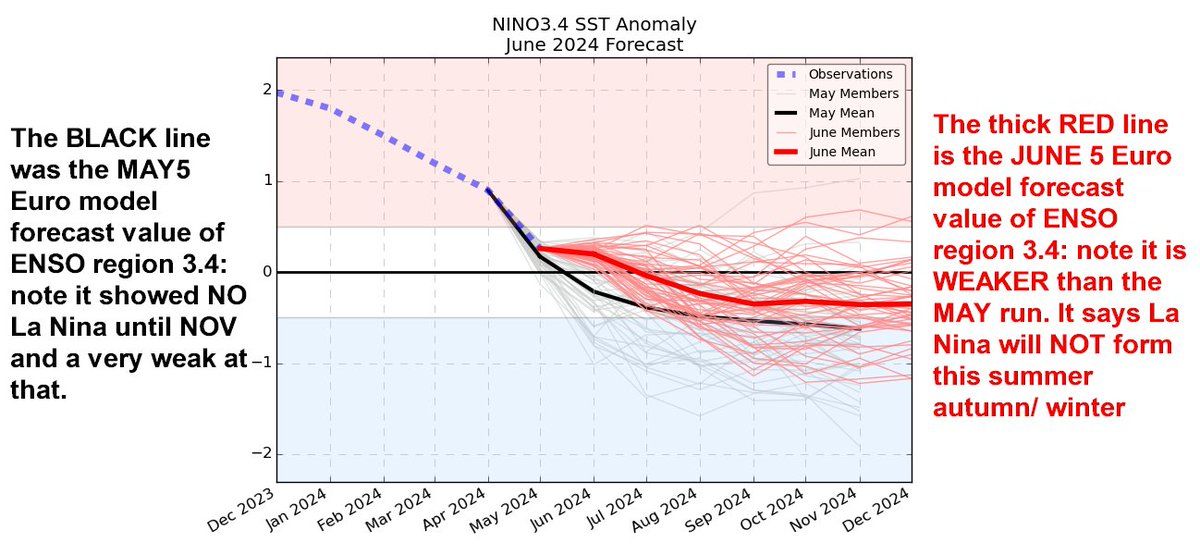
The brand new European climate model came out this morning of June 5 for ENSO region 3.4--- that is the critical region in determining whether the equatorial Pacific-- is showing NO La Nina conditions this summer/ autumn or winter.
Since the European model on May 5 was slightly colder than the April 5 forecast... there was some hope or anticipation that the June 5 European model run would be a tad colder than the May climate model run. But as you can see on IMAGE 1⃣ that has turned out to be completely false.
In fact the June 5 new run of the European climate model is even weaker and LESS favorable for the development of ANY kind of La Nina -even a weak one.
Taking verbatim the model shows no La Nina conditions right through the Autumn into the winter. Moreover this is the third or fourth run in a row where the European climate model has refused to jump in bed with the other climate models and show a moderate or strong La Nina.
This has SIGNIFICANT implications for the agricultural concerns/ grain markets all around the world.
If this is correct and ENSO stays neutral throughout the summer it would significantly reduce the chances of hot and dry conditions for the Midwest the Eastern Plains and the Delta. It would have a significant impact on the hurricane season in terms of the activity.
And if this forecast were to hold true it would greatly increase the chances of having a normal winter across the Central and Eastern us in 2024-25.
Indeed the new European climate model rainfall projections for the main grain areas in the US are wetter than the previous runs and show large areas of either normal or above normal rainfall throughout the heart of the Midwest and the upper Plains for June July and August.
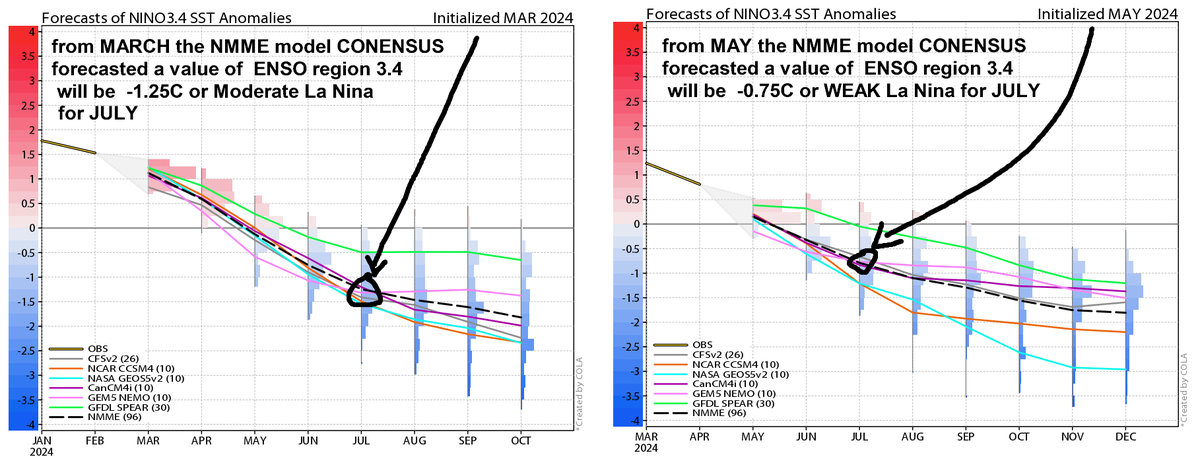
Finally it should be pointed out that the European model here is not alone. Most of the climate models over the past three or four Cycles have significantly reduced the La Nina development and its intensity. SEE IMAGE 2⃣
The event is coming in much weaker than initially forecasted back in February and March on these other climate models and it is not nearly as strong.
#agwx #oatt #corn #soybeans #wheat #grain #agriculture #Commodities #farming #agtwitter #grains
Actualización del índice #ONI. Vemos que la anomalía para el trimestre Mar-Abr-May se acerca a una condición Neutra. Inicialmente se parecía a El Niño del 97 pero el descenso de t° ha sido más lento. Con una proyección lineal, durante el mes de Agosto entraríamos a La Niña.
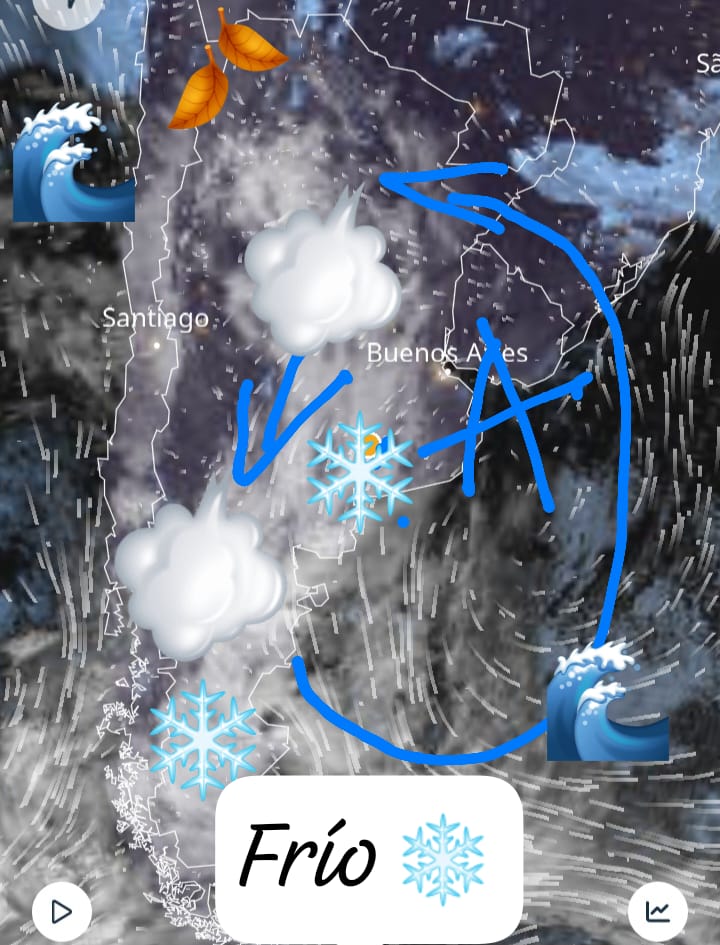
Un sistema de alta presión generando tiempo frío sobre gran parte del país ingresa de este el viento y desciende norte en forma más fuerte,cielo parcialmente cubierto ⛅
Pronóstico trimestral probabilístico
con sesgo a invierno frío y seco
...buen augurio para #Trigo en un inicio con muchos perfiles cargados💪(estimado #SEPA)
MIDAN #Agua2m y DECIDAN #Fina#Doble cultivo, o no.
@intaargentina#AgroAdaptativo 🔵🟢🔴
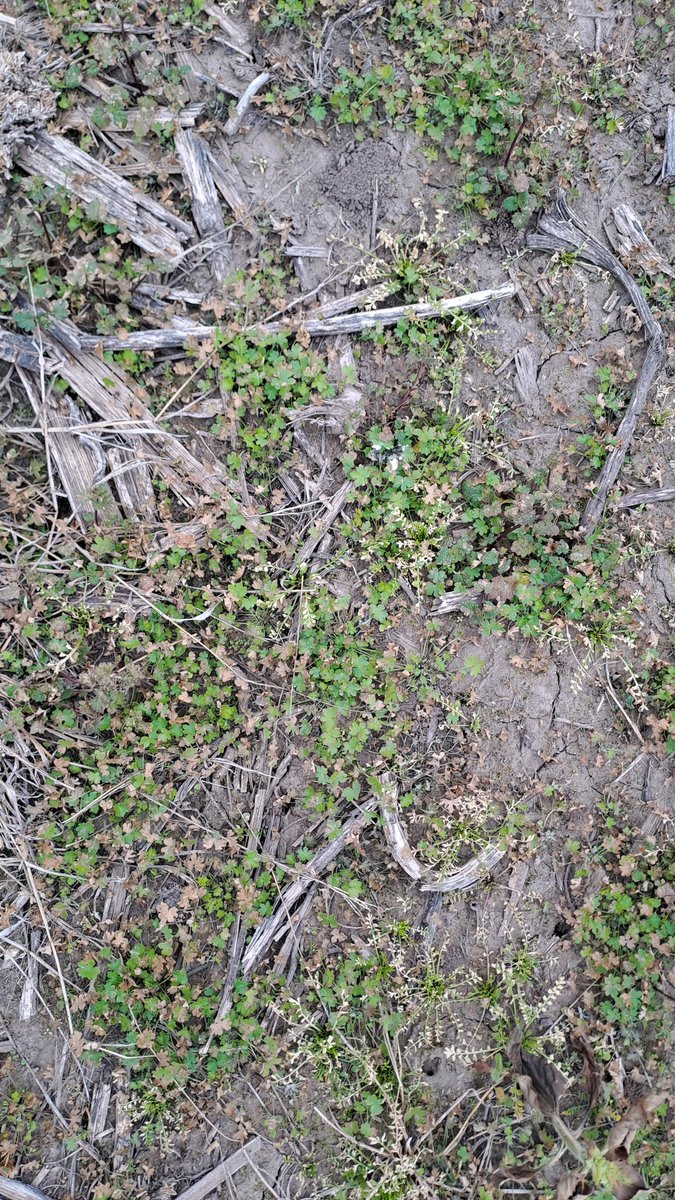
El #paraquat, tan activo en algunas malezas y tan flojo en otras "fáciles" de invierno como Bowlesia, Lamium y Coronopus que las controlamos con Glifosato y algún hormonal.