Google researchers reportedly identified and removed about 130,000 YouTube channels tied to coordinated, mass-produced “AI slop.” The bigger takeaway: AI-assisted content is not the problem—repetitive, low-value content with little human originality is. https://t.co/SxHzfAzG6u
It's difficult to attribute wildfires to climate change the science doesn't support it. Man still is the main culprit with 85% of wildfires being caused by humans per Wildland Fire Management Information (WFMI) and U.S. Forest Service Research Data Archive.
From the new National Academies Report on climate attribution:
Science linking wildfires🔥to climate change is Low Confidence and Low Understanding.
Too complicated, confounding factors to make sweeping claims.
(We knew this already)
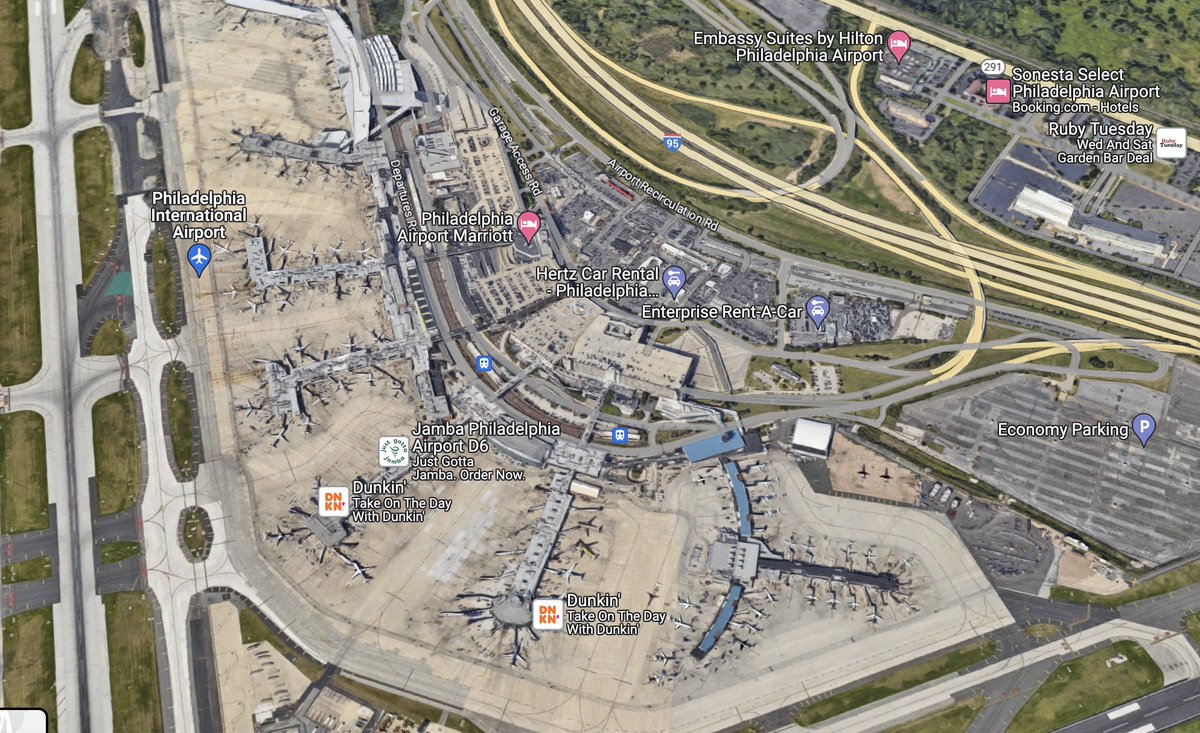
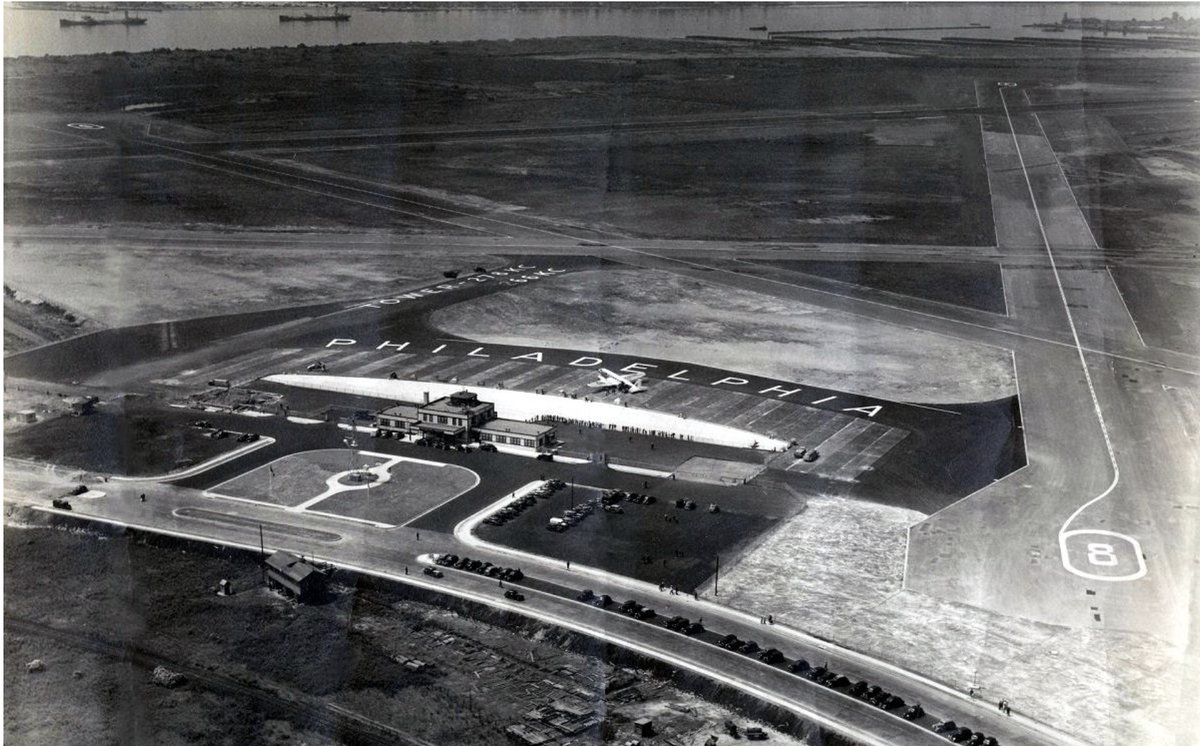
Most city temperatures are measured at airports, often among the hottest locations in a metro area. Philadelphia International Airport opened in 1940 with a 125,000 sq. ft. terminal. Today, PHL covers about 113 million sq. ft., with more than 3.25 million sq. ft. of terminal space, surrounded by runways, ramps, concrete, asphalt, glass, steel, and jet engines. Urban heat islands matter.
The data already shows a meaningful El Niño risk. There’s no need to inflate it with raw, uncorrected model output that makes the forecast look more extreme than it responsibly is.
Do the people sharing raw CFSv2 output for Niño 3.4 realize that seasonal forecasting requires bias or distribution correction?
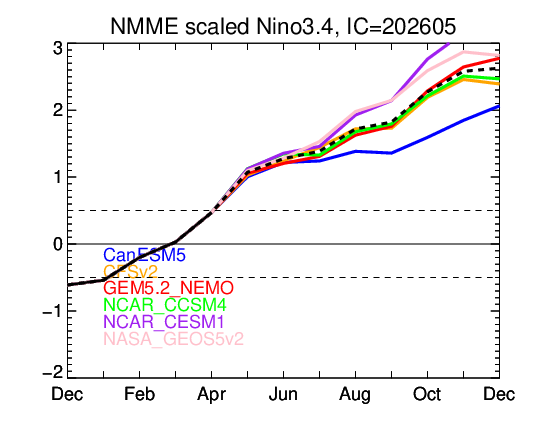
+2.0°C (peak) still Super, but let's not get carried away with Hyper (+4°C) charts.
https://t.co/vUMiMIIECj
Research on "super long" La Niña
like we just saw from 2020-2023 (triple-dipper)
5 previous super long Niña events since 1950
Wang et al. (2024)
Roles of tropical-Pacific interannual–interdecadal variability in forming the super long La Niña events
https://t.co/nbAeH06Kp5
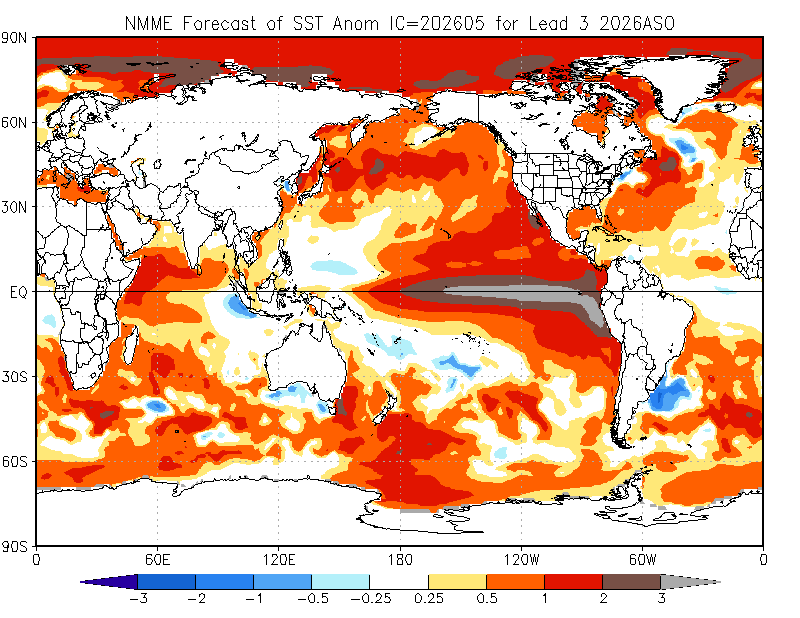
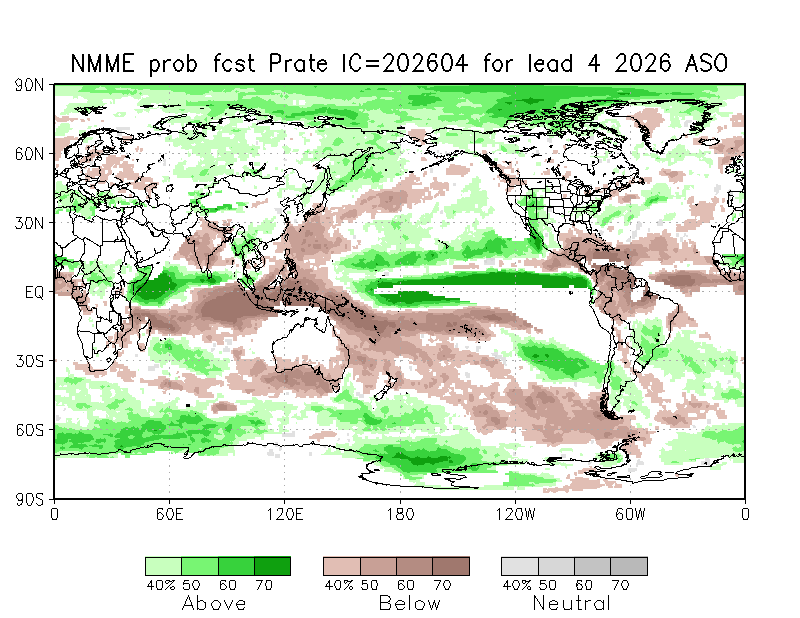
Not too surprising, but the latest NMME is out and continues to show increased confidence in a strong and perhaps near-record El Niño this fall/winter. The *mean* is now around +2.5C, and that's being dragged down by the low outlier (which is still around +2C). The forecast look for the Atlantic peak season continues to be about as hostile as you'll see: strong Niño, +PMM, average to cool MDR (-AMOish). The extremely dry precip anomalies reflect how hostile the Atlantic basin will be for convection and TC development this year. On the other hand, I think this year has a large-scale setup that could result in a few Hawaii threats, moreso than any year in a long time.
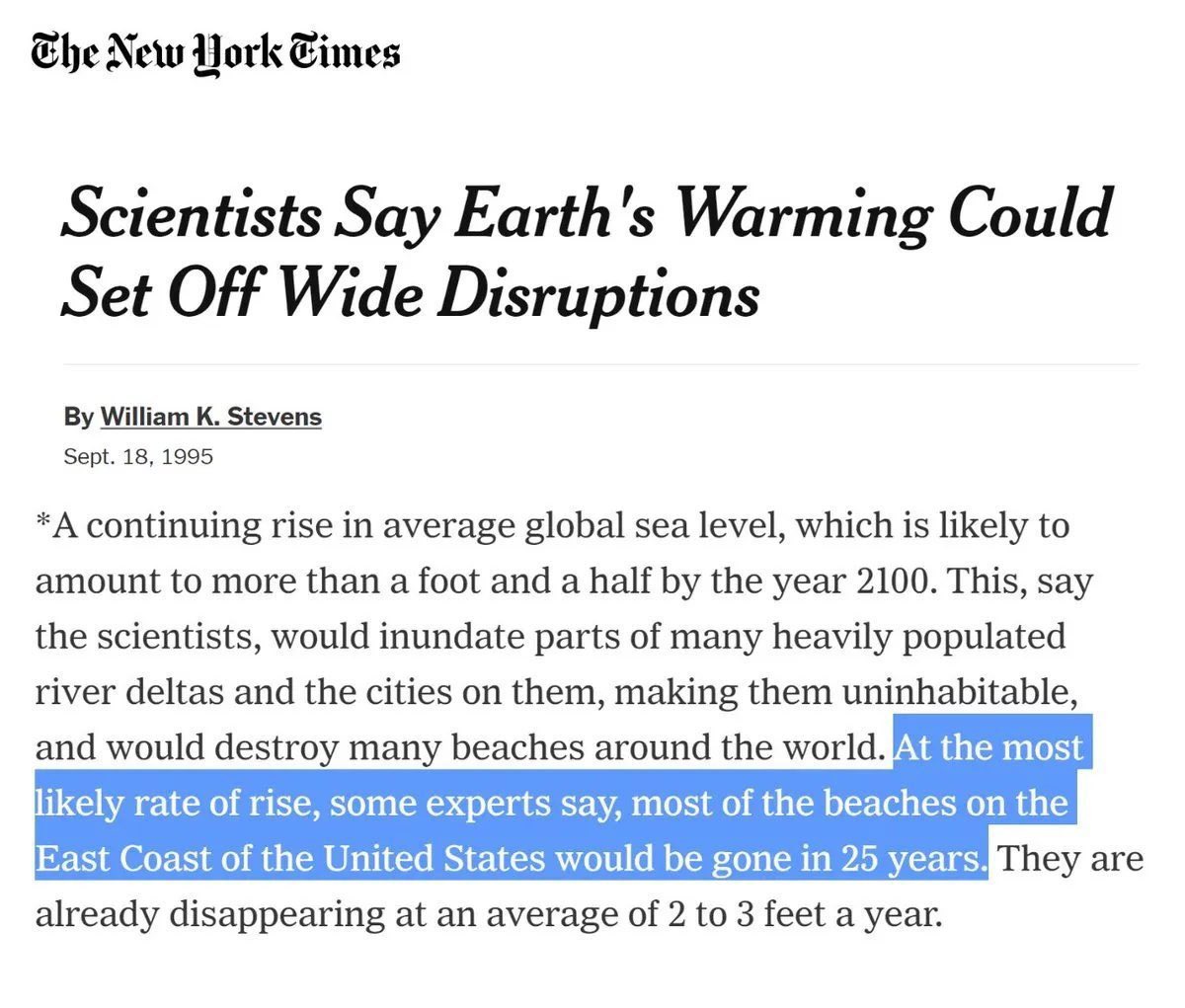
This 1995 NYT article pushed speculative claims: “..most of the beaches on the East Coast of the United States would be gone in 25 years.” This kind of agenda-driven narrative has gone on far too long and is just plain junk. It undermines credible science and fuels long-term mistrust.
Nested-EAGLE v1.0.0 is now available.
ML-based forecast workflow from NOAA EPIC + AI4NWP, complementing EMC’s global-EAGLE systems. Built on ECMWF’s Anemoi framework for global and nested-CONUS domains.
Explore the release → https://t.co/wDx4HryGnp
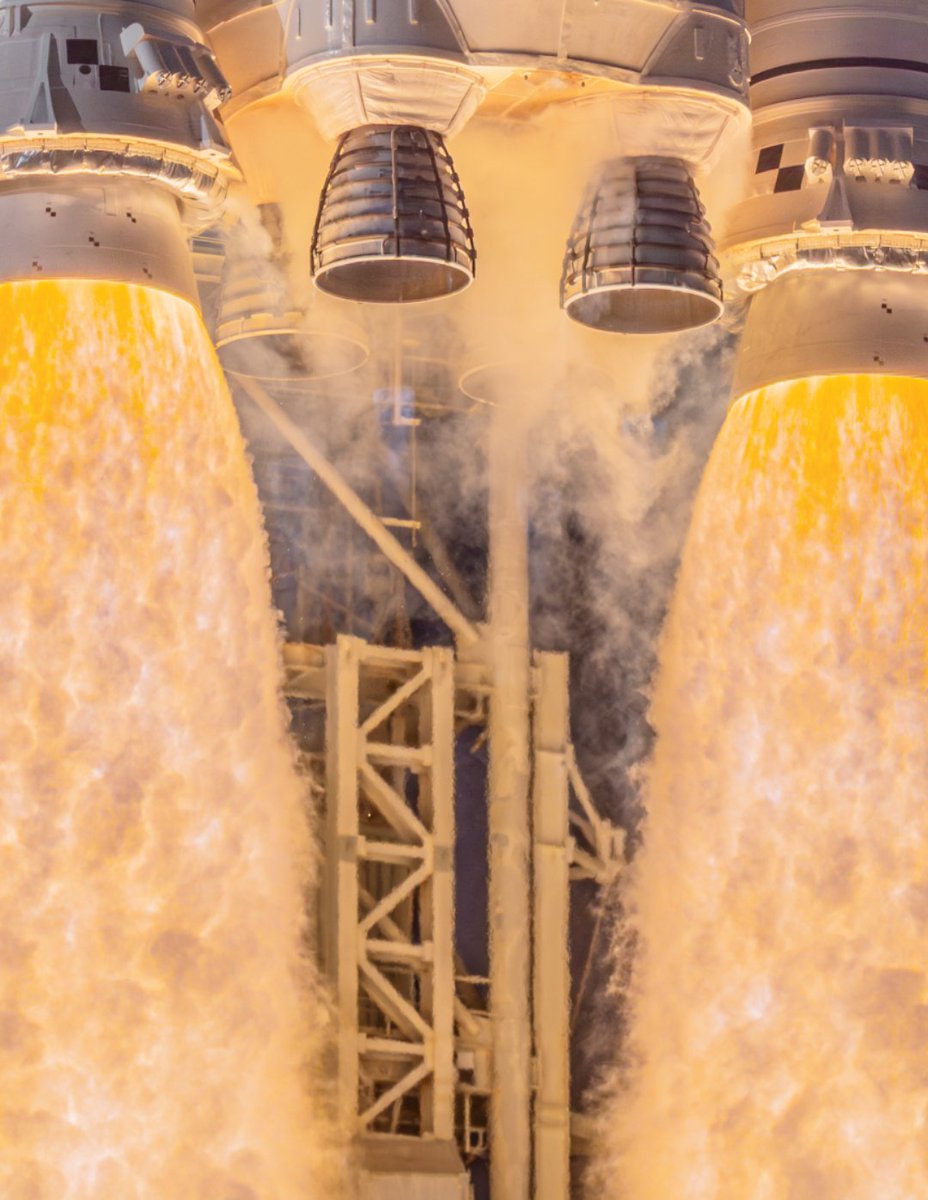
Since my website still isn't ready here's another teaser from my pad camera 😜
This is a crop from the print I'll offer from this launch- available soon. I'll send out an email when it's ready, make sure you join my email list at the link in my bio if you want to be included!
This is not fine, it's terrible. The IPCC moved to SSP5-8.5 and SSP2-4.5 many years ago. Knowingly and continuing to advocate for RCP 8.5 is reckless and irresponsible. Science is centered on facts not agendas. #climate@CPRBlog
https://t.co/riEgKcFT9I