On the light of @openEHR and #FHIR joint announcement both of our communities have started thinking on ways to collaborate. We are excited with this opportunity, so I wanted to make a thread to gather everything we have done so far
Big News! The dates for the openEHR International conference are confirmed: 𝟱-𝟲 𝗡𝗼𝘃𝗲𝗺𝗯𝗲𝗿 𝟮𝟬𝟮𝟰. The location is yet to be decided, but it will be in the UK.
More details to follow in due course, so watch this space.
We're already looking forward to it!
Big News! The dates for the openEHR International conference are confirmed: 𝟱-𝟲 𝗡𝗼𝘃𝗲𝗺𝗯𝗲𝗿 𝟮𝟬𝟮𝟰. The location is yet to be decided, but it will be in the UK.
More details to follow in due course, so watch this space.
We're already looking forward to it!
@AVISACV ¡Muchas gracias a todo el equipo de @AVISACV ! El premio es para vosotros por gran trabajo que hacéis durante todo el año, y a los esfuerzos de toda la profesión para mejorar poco a poco la salud de tod@s
Algunas de mis reflexiones sobre el valor de los modelos de información (como los arquetipos #openEHR) y la #interoperabilidad semántica. https://t.co/sSQjjqnNw9
Thanks to Diego Boscá Tomás, Semantic Interoperability Consultant, for taking the time to talk to us about #InfoBanco, the intersection between #openEHR and #OMOP, and what the future holds for
@veratech.
Check out our latest blog - https://t.co/r7Cy2sd7QM @yampeku
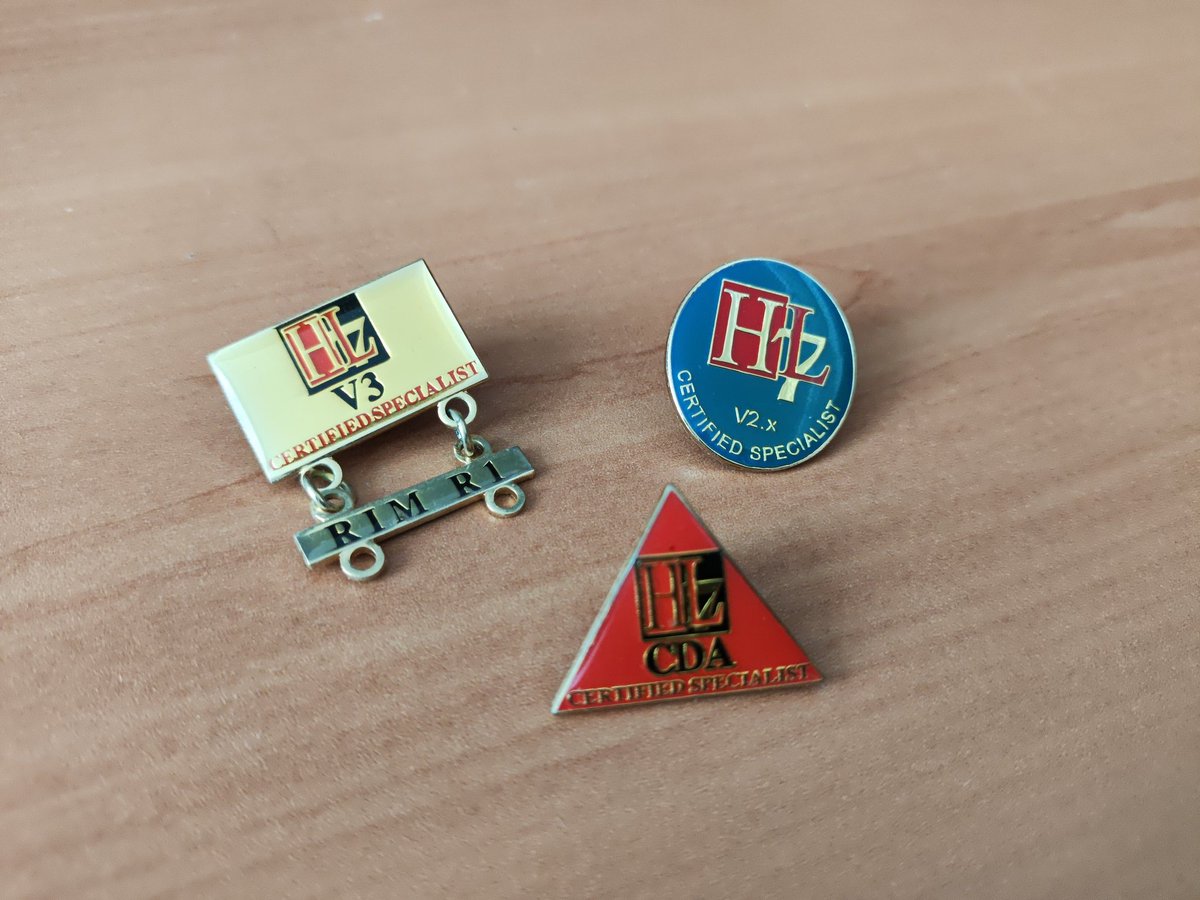
@omowizard @motorcycle_guy I have my HL7 certification pins, I can also use them together with the openEHR hoodie 😁 (no pin delivered for HL7 FHIR, that's a pity)
@mwardle@yampeku@KTheivendran@MPedreraJimenez Given the very limited implementation experiences and available technical resources and clinical models built for ISO 13606, using openEHR as the underlying reference model was the most appropriate option
@mwardle@yampeku@KTheivendran@MPedreraJimenez You will always need a reference model to build those clinical models. CIMI for example tried to provide that universal model definitions based on a variation of ISO 13606 since, as I said before, it contains the most generic classes.
@mwardle@yampeku@KTheivendran@MPedreraJimenez Something similar could be said of the HL7 v3 RIM model, but its specification methodology based on refinements is problematic to achieve universal clinical models.
@mwardle@yampeku@KTheivendran@MPedreraJimenez openEHR offers the reference model for health data with the lowest semantics implicit in its object model (except for ISO 13606). This gives the clinical modeler maximum freedom in designing clinical models.
@mwardle@yampeku@KTheivendran@MPedreraJimenez The diagram may be misleading since it only shows the persistence standards, but Infobanco is guided by clinical models. openEHR archetypes directly taken from the CKM are in the kernel of the system. The key is that openEHR is the most flexible standard to build those models
⚠️ Importante
Estamos teniendo problemas con nuestra página de Linkedin, nos la han hackeado. Pedimos disculpas a todos aquellos que no nos encuentren, estamos buscando solución lo más rápido posible.
Si podéis reportar el caso, os lo agradecemos☺️!