Head of Humanitarian Diplomacy, Liaison and Regional Support Unit, International Federation of Red Cross and Red Crescent Societies (IFRC), Europe Region
Today is World Red Cross Red Crescent Day — and across 191 National Societies around the world, I see the same thing: people showing up for people. In the rubble, at the border, in the flood, in the dark. Always there.🙏🙏
So relieved to see the trucks moving. Our colleague Sevil is at the Türkiye-Iran border as 200 large medical trauma kits are entering Iran, thanks to the cooperation of @IFRC and Turkish @RedCrescent.👇
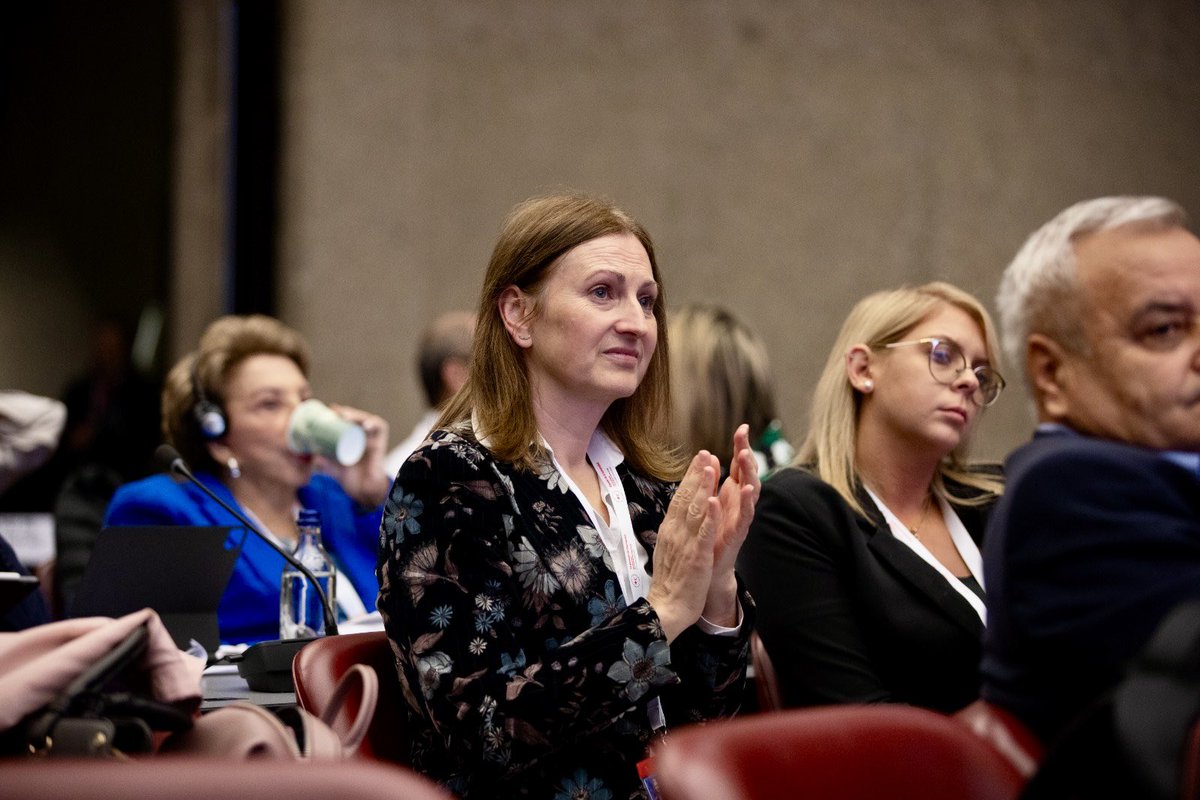
Pleased to join the 9th Annual Meeting of Small European National Red Cross Societies, organized by the Luxembourg Red Cross @CroixRougeLu. This dialogue is a great platform to strengthen the auxiliary role of our National Societies and enhance preparedness and response to evolving crises.
Smaller National Societies face unique challenges but also unique opportunities, deeply rooted in their communities, agile in action, and influential in shaping policy for better humanitarian outcomes. Their voices matter equally, in the spirit of universality.
As humanitarian needs rise and societies grow more polarized, the Red Cross and Red Crescent must remain symbols of hope, proving that local action drives global reach.
At the IFRC, we are committed to deepening collaboration with National Societies to maximize impact and raise awareness of our collective humanitarian mission.
The armed conflict in Ukraine rests heavy on many minds. In Ukraine and 27 other countries, the @IFRC network is providing mental health and psychosocial support to those affected. With activities and specialized support, but most importantly: by bringing people together in difficult times.
We are there, when it matters most. #MentalHealthMatters
In emergencies, visible damage draws most attention: collapsed buildings, medical needs, or urgent shortages of food, water, and shelter.
But many wounds are invisible. Long after bridges are rebuilt, disasters leave fear, grief, and trauma in people’s lives. Mental health must be part of every emergency response, but are we ready to provide it?
This is one of the key questions addressed in a new IFRC report, Mental health – a missing pillar in Europe’s emergency preparedness, that underlines why mental health needs to be included as a key part of crisis preparedness.
Learn more: https://t.co/YzaUxliiNH
This year, we mark World Mental Health Day under the theme “Access to Services – Mental Health in Catastrophes and Emergencies.” It is a powerful reminder that while humanitarian needs are rising, funding for mental health and psychosocial support is shrinking.
Our @IFRC network teams, rooted in communities across the globe, have shown time and again that psychosocial support is not a luxury but a necessity.
From earthquakes to conflict zones, our Red Cross and Red Crescent staff and volunteers are on the ground every day providing critical mental health support while facing hardship themselves.
In every crisis, mental health care is lifesaving – let’s make it accessible for all, including to caregivers. #WorldMentalHealthDay
In 2024, the @IFRC network supported 9.4 million mental health and psychosocial support services globally, and we stand by to do the same in the future, supported by communities. Together, we can be there, when it matters most. #WorldMentalHealthDay
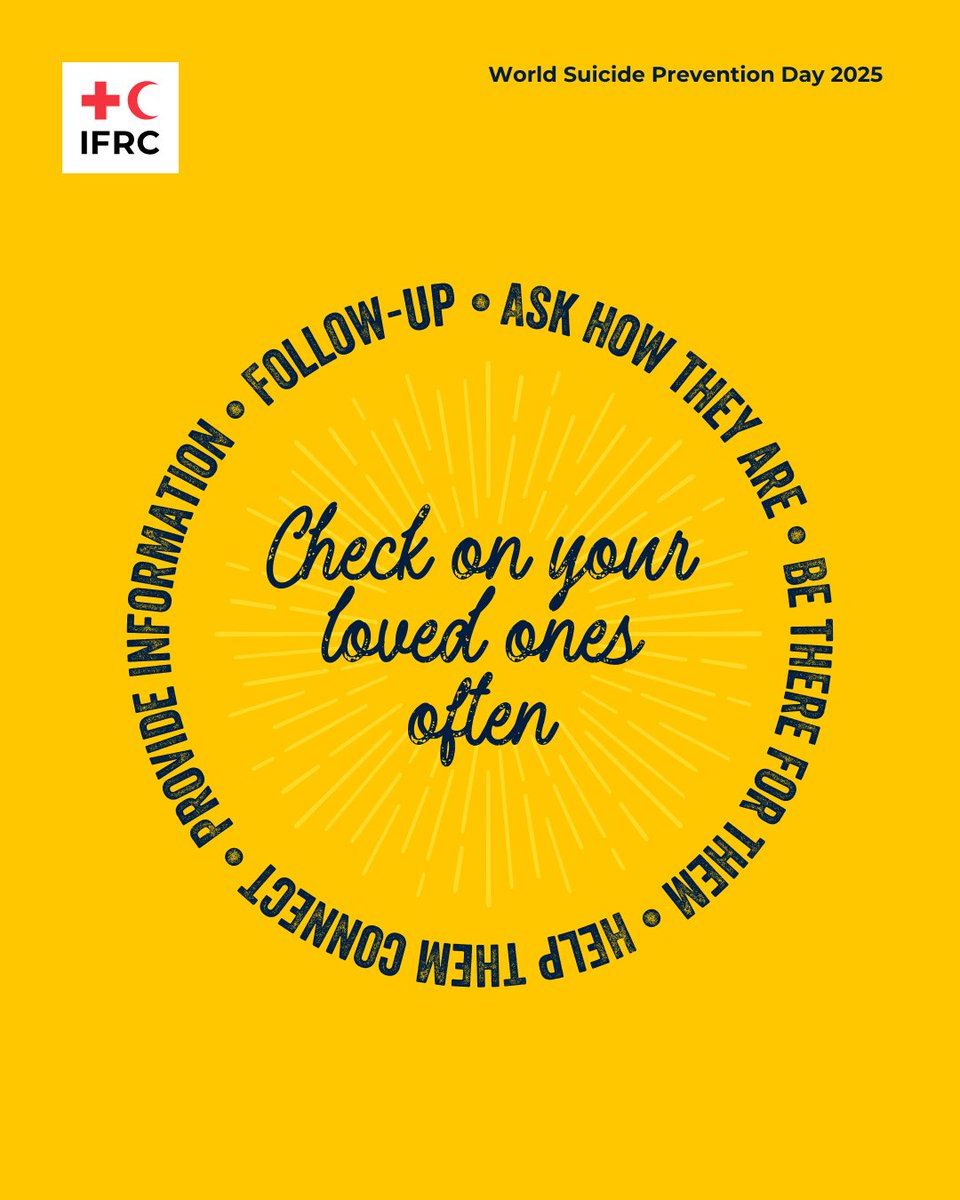
#WorldSuicidePreventionDay matters: it’s a day to remember, to reflect, and most of all, to change the narrative from silence to hope.
Every year, more than 700,000 people die by suicide.
Behind each number is a story, a life, and a community forever changed.
Don't forget to check on your loved ones.
Heatwaves are the silent killers of the climate crisis.
Across Europe, these episodes are becoming hotter, longer, and more frequent. The warming trend shows no sign of slowing, with extreme heat currently gripping parts of the continent, fueling severe wildfires and forcing thousands to evacuate in countries such as Greece, Spain, France, and Portugal.
The @IFRC network across Europe is working closely with communities to prepare for and reduce the risks of extreme heat by:
- developing anticipatory action plans for extreme heat and heatwaves,
- conducting community awareness sessions informing people of potential risks,
- mobilizing volunteers’ network to provide care for the most vulnerable
Everyone has a role to play in tackling the climate crisis. The time to act is now.
Rewarding and at times emotional ❤️exchange between colleagues in the @ifrc network of mental health, psychosocial support and psychological first aid ⛑️ practitioners, who have delivered quality services to more than 600.000 persons on the move. Sincere gratitude to @EU_Health🙏
❗️80% of mine victims are civilians.
It means anti-personnel mines inevitably kill and maim the very people they were meant to protect. This is unacceptable.
We call states to uphold - not weaken - humanitarian norms and the vision of a mine-free world.https://t.co/1P1cBYSF4d
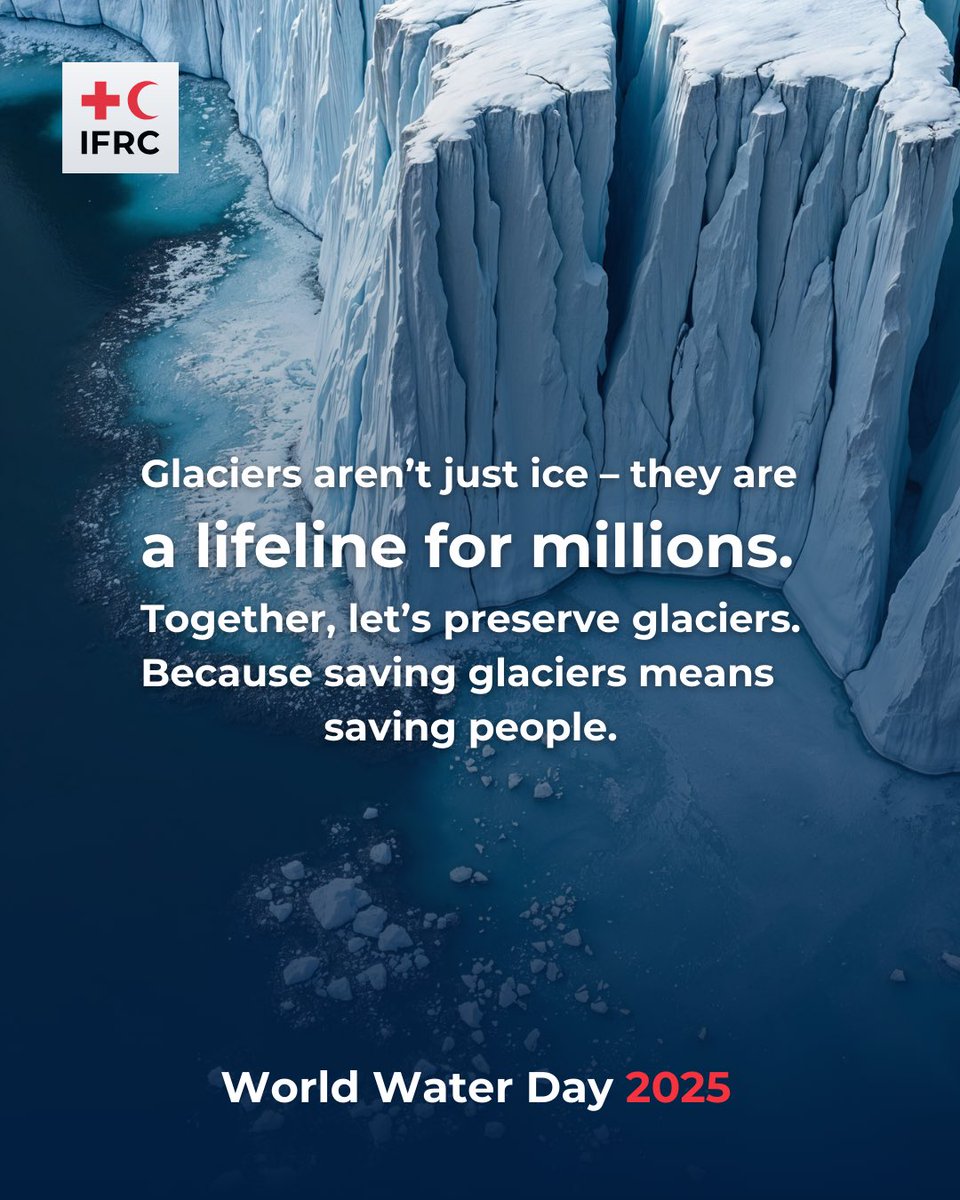
❓Did you know that 11 billion tons of fresh water have been lost due to glacier melting in the Caucasus since 2000?
Glacier meltdown contributes to water shortages & creates higher disaster risks way beyond mountainous areas.
Saving glaciers means saving people
#WorldWaterDay
❤️🩹 Support. Heal. Empower.
The Swedish Red Cross creates a support network for survivors of domestic abuse.
The survivors are introduced to volunteer mentors and offered a safe space to heal and reconnect with themselves and others - without judgment, without fear.
After nearly three years of conflict, the humanitarian needs in Ukraine remain critical—especially in frontline areas.
A new @IFRC report highlights that elderly displaced persons face increasing hardship, with many struggling to access medical care, language support, and essential services.
🚨 79% of people in frontline areas report urgent unmet needs.
💔 Many returnees, facing financial precarity, are settling in high-risk zones.
🏥 18% of displaced elderly struggle to access healthcare.
The IFRC and its partners are working tirelessly to provide aid, but urgent support is needed.
Madeleine Lyons, Senior Humanitarian Analyst, IFRC speaking on @trtworldnews
Financial strain is pushing more displaced Ukrainians to return home even to front-line areas where devastation and the threat of violence remains high, a new @IFRC report finds.
https://t.co/Epy5yoMcbN
These words bring me to tears. A father’s poem written to his 7-year-old daughter who passed away shortly after being rescued by @ifrc and @SOSMedIntl teams.
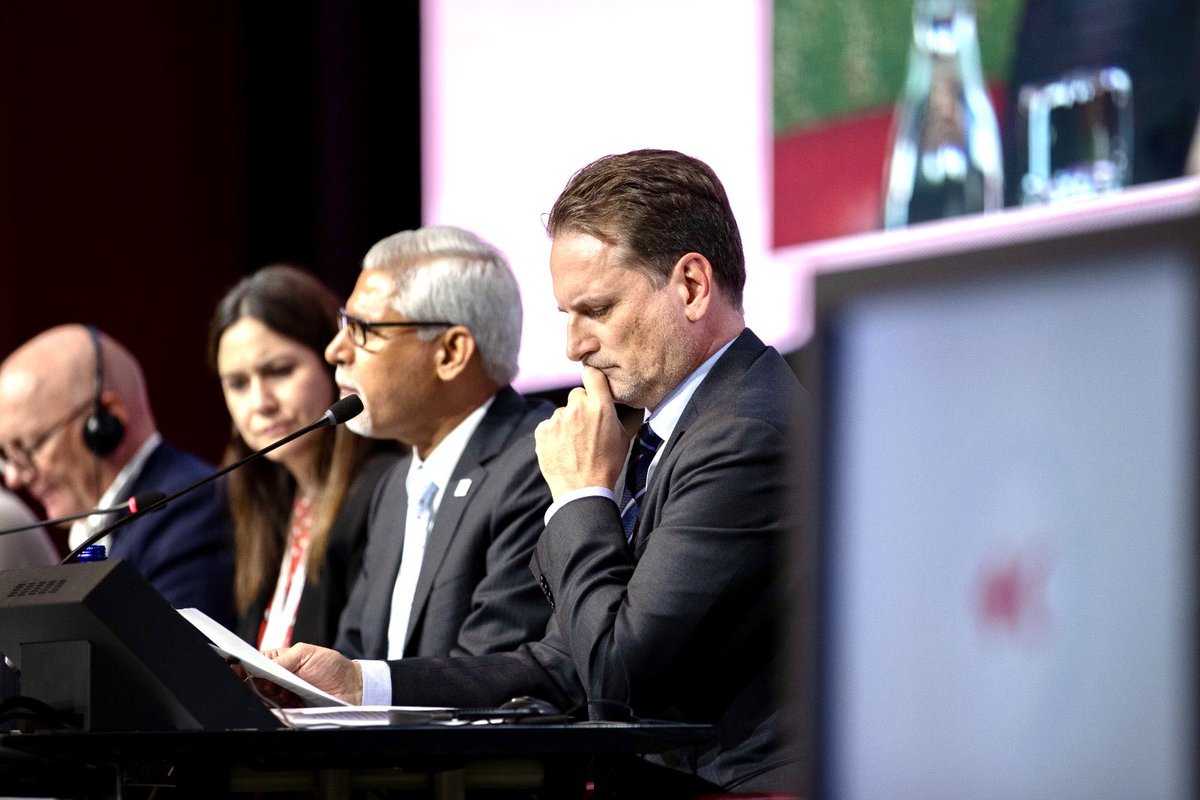
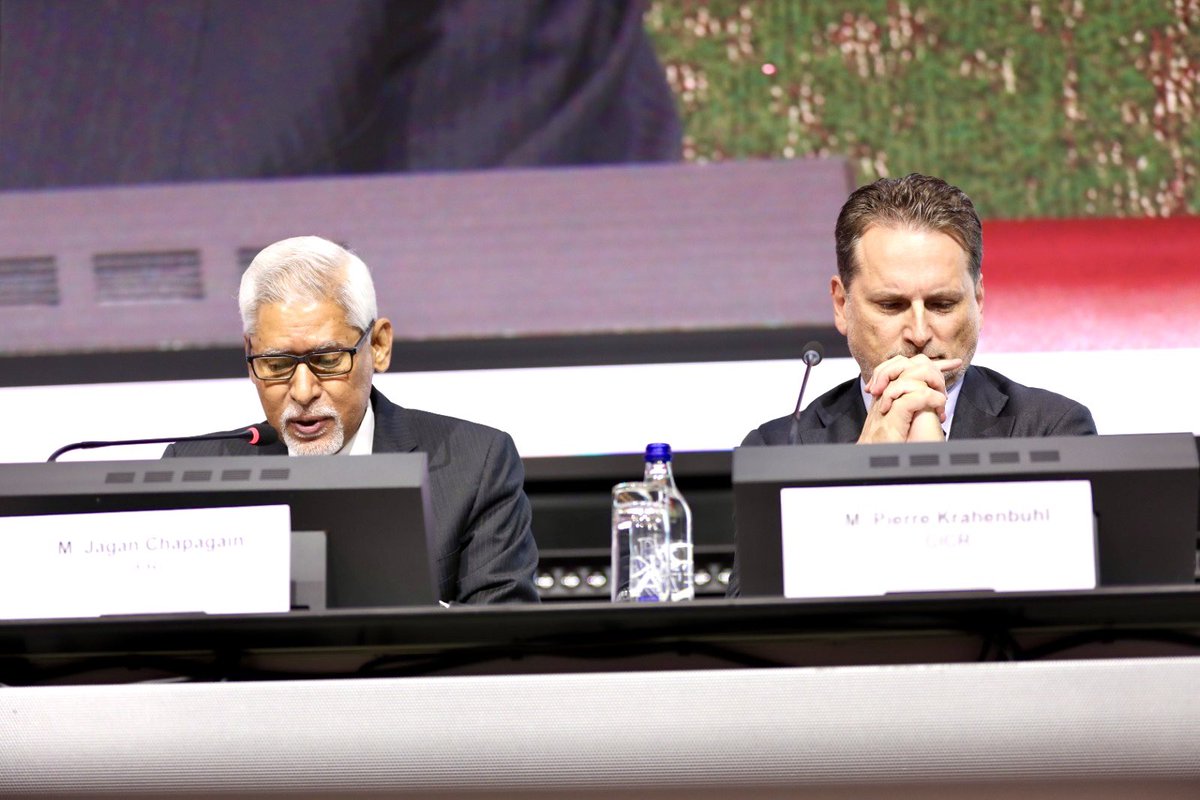
Today, alongside @PKraehenbuehl, I had the honor of presenting the joint resolution, “Call for Respect and Support for Principled Humanitarian Action,” which has now been officially adopted by the Council of Delegates.
This resolution, jointly developed by the @IFRC and @ICRC with valuable contributions from National Societies, represents our collective commitment to uphold principled humanitarian action worldwide.
Prompted by serious concerns over the growing challenges humanitarian actors face in delivering crucial assistance and protection, this resolution addresses the urgent need to protect our ability to reach those in greatest need. #RCRC24
On #WorldMentalHealthDay,
we stand with our staff and volunteers in the challenges of humanitarian work.
At @IFRC, we believe mental health is vital to resilience. With #EU4Health, we're providing teams with training and Psychosocial First Aid (PFA) to support their well-being.